
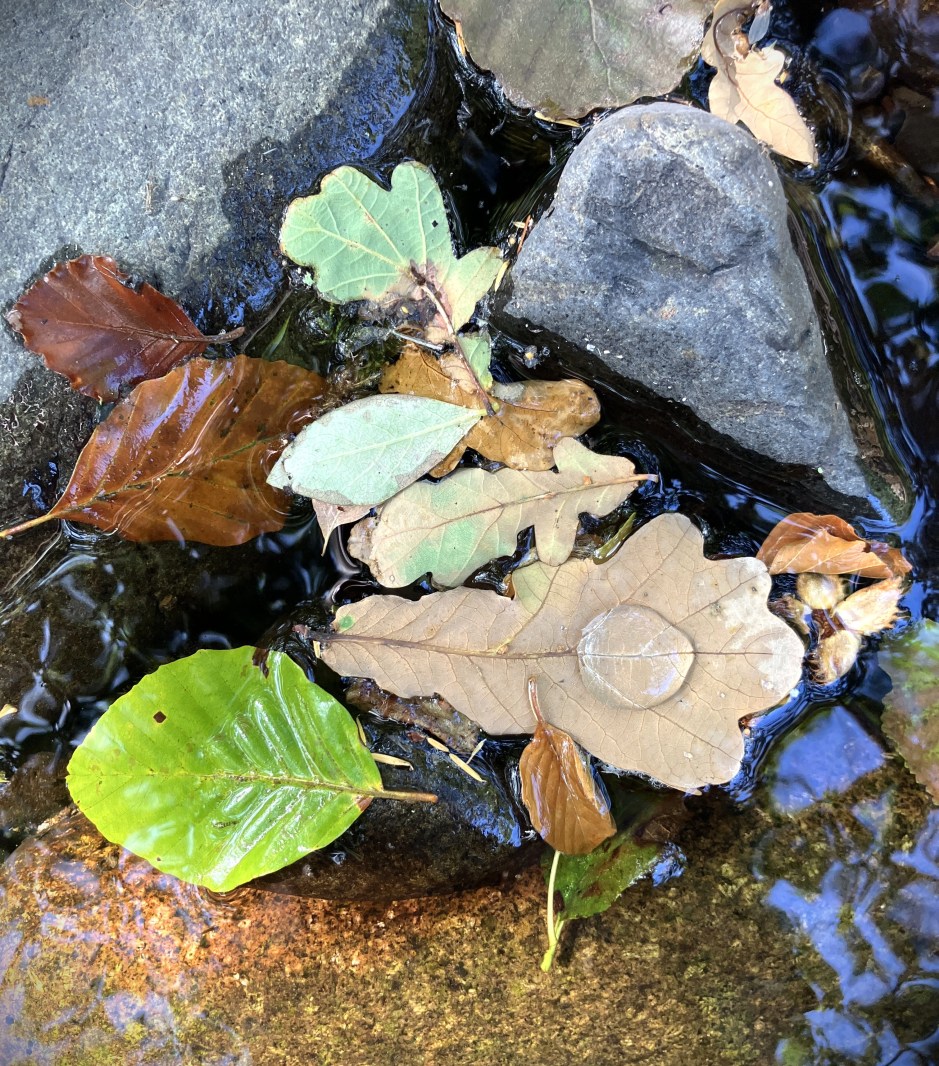
Devon had over fifty days without rain until the thunderstorm last night. The South East of England was a desert. While driving over Salisbury Plain, the countryside towards all of the horizons was the colour of straw. It was straw. Five weeks of 30 degree heat had desiccated the fields, the sheep and cattle had only dry stubble to graze on, they were out of condition.
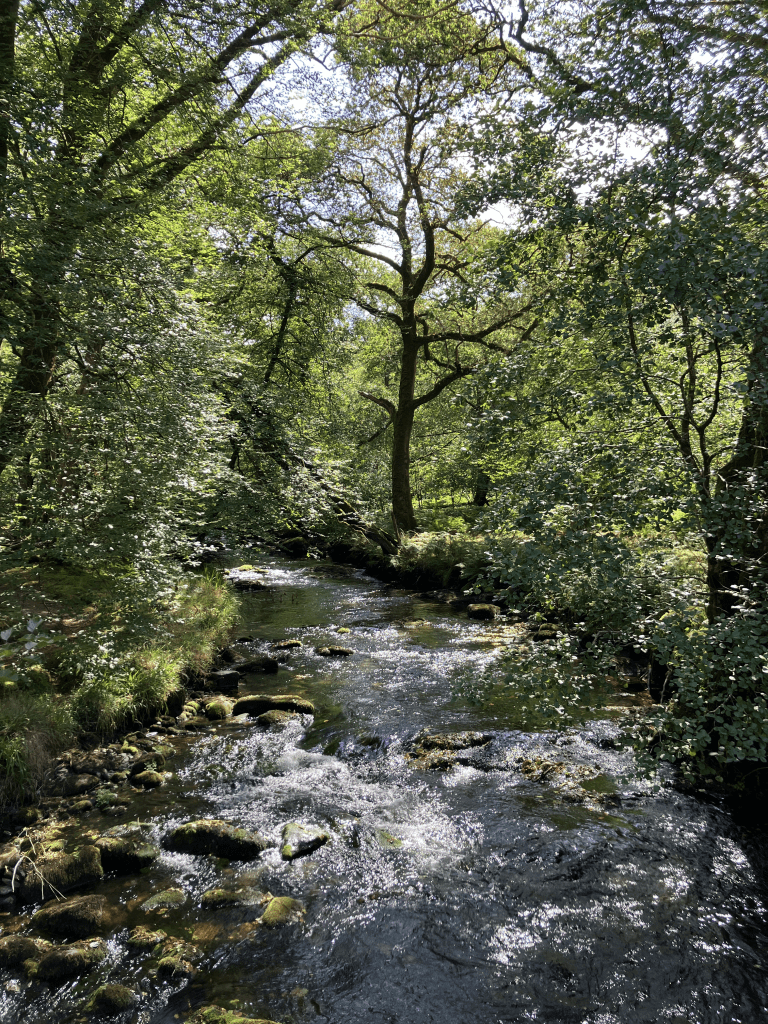
River Walkham
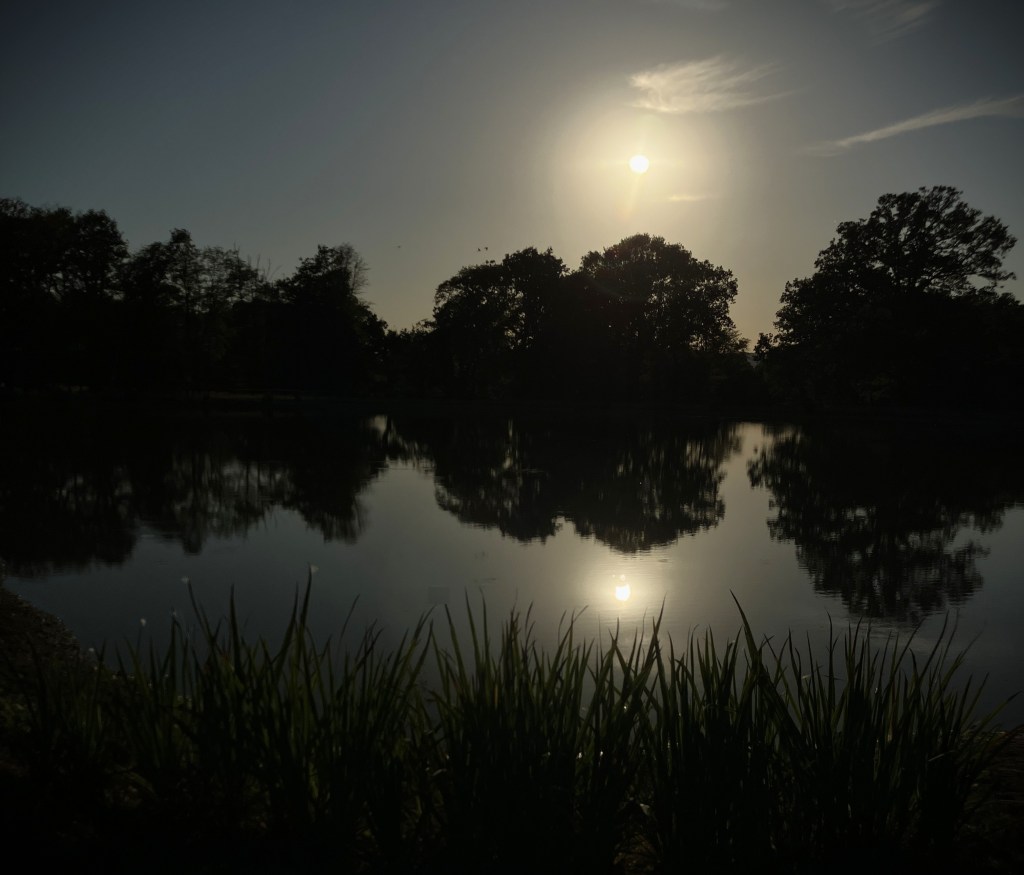
The Western Rother was very low and warm throughout my stay in Sussex and the fly rod never came out of its case. I fished for carp in the farm lake and watched the eclipse. I caught a few pretty, little, fat carp on slow sinking dog biscuits. They fought well above their weight. The lake was full of carp-lets. I scooped out a couple with my landing net. Perfect miniature commons.
Back in Devon, I visited the club’s beats on the River Tavy. During five consecutive days I walked each of the beats, travelling slowly downstream, looking for fish and mapping invasive plants. I watched a trout cruising around a small depression in the bedrock, occasionally rising for flies. It was catchable but the rod was at home.
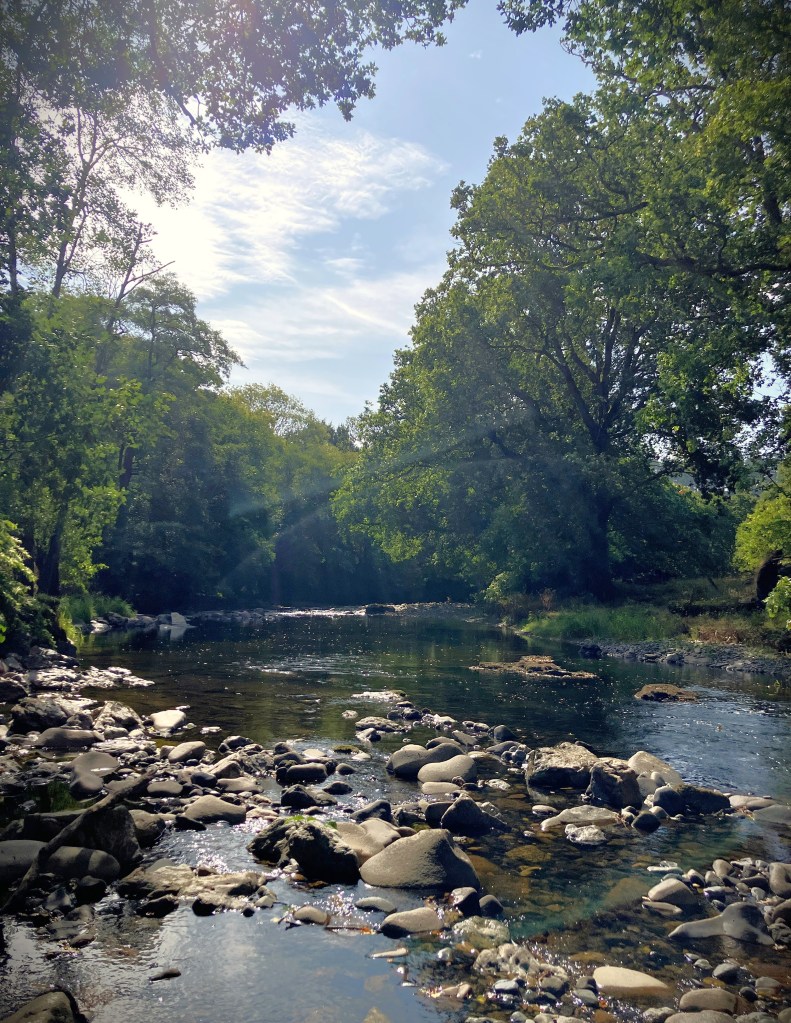
River Tavy
I met a family beside the river, three young children were playing in the shallows, they were enjoying themselves. Their mother seemed unconcerned when I gently mentioned the sewage discharge upstream.
Next year is forecast to be a super El Niño. The sea surface temperature around Cornwall is currently 19 degrees. The 2015 floods were linked to the last super El Niño. Eleven named storms produced record level rainfall from November 2015 to March 2016. The Met Office have warned of autumn storms and a hotter summer.
I need to prepare for extreme weather. Autumn and winter storms will fill the lakes and encourage the sea trout upstream but the spate rivers would be unfishable. If next year is hot, I will seek out mullet and bass.
. . . – – – . . .

