28 March – First Trip

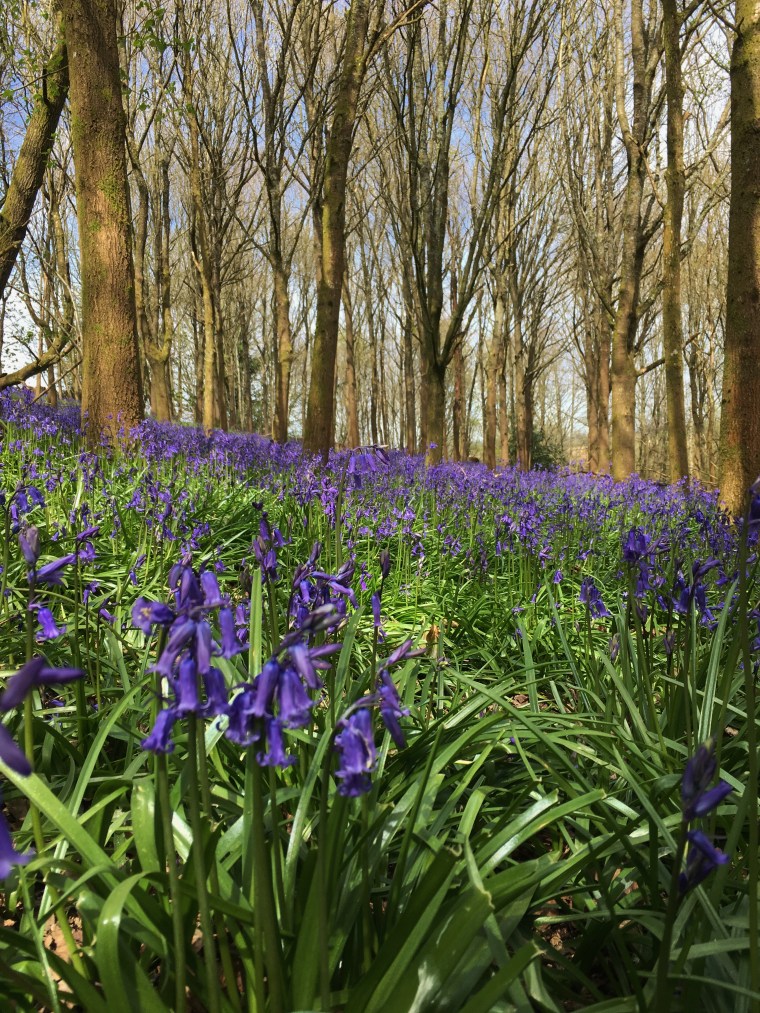
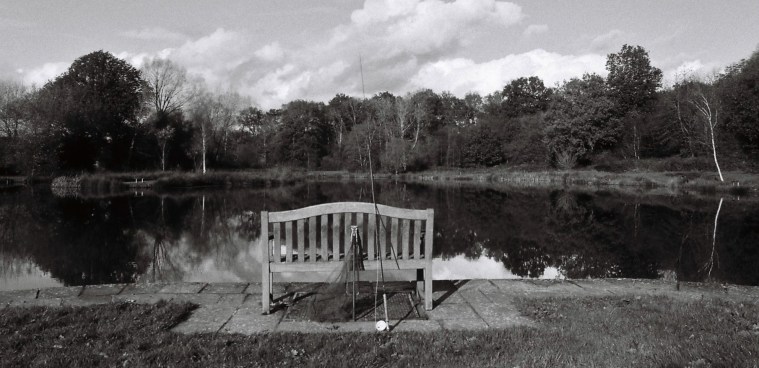
Storm Kate had filled the back garden with water and knocked some trees over but the high winds had abated by late afternoon. I had the lake to myself. It was relaxing sitting beside the water in the sunshine but the breeze was a problem. I had a rainbow on a small Montana and then lost another bigger fish. It was time to find somewhere sheltered.

DSCF2036

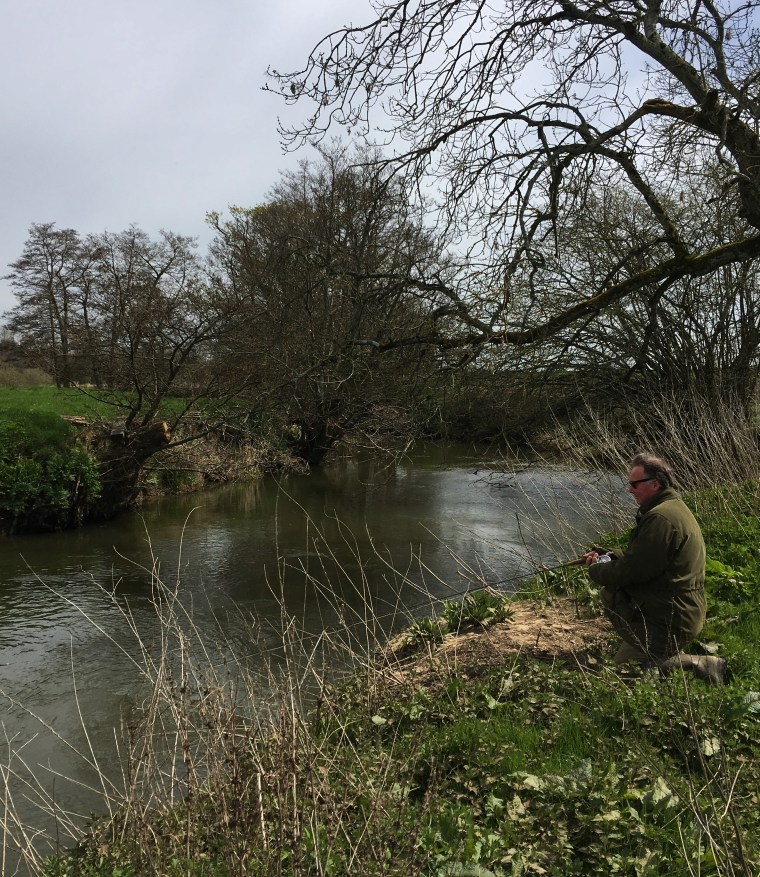
After a short drive I signed in at a lake deep in the woods, the Secretary was already there in the hotspot. First cast with a small, leaded GRHE nymph produced a hard fighting brownie. After 45 minutes I had a take from another fish which fought really hard, it was foul-hooked in the side !

DSCF2046a

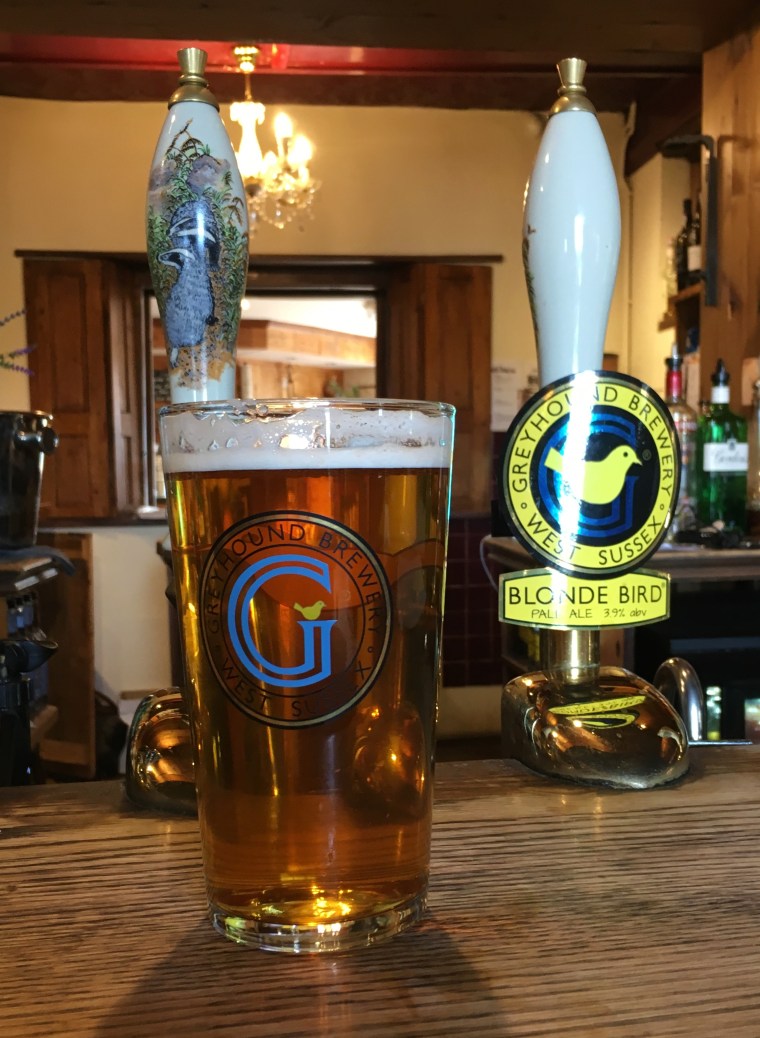
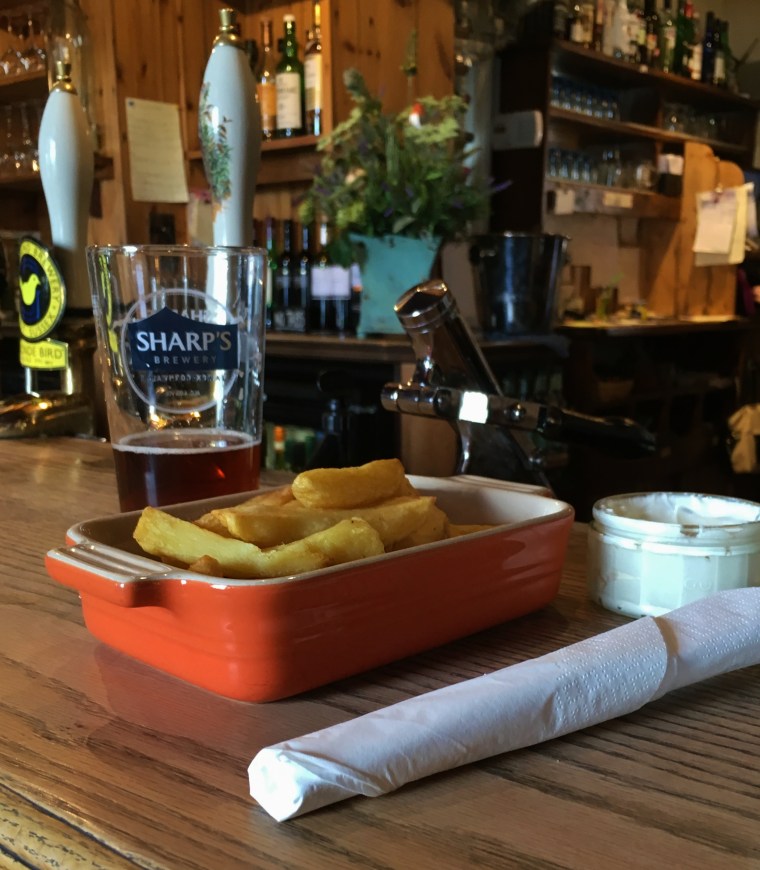
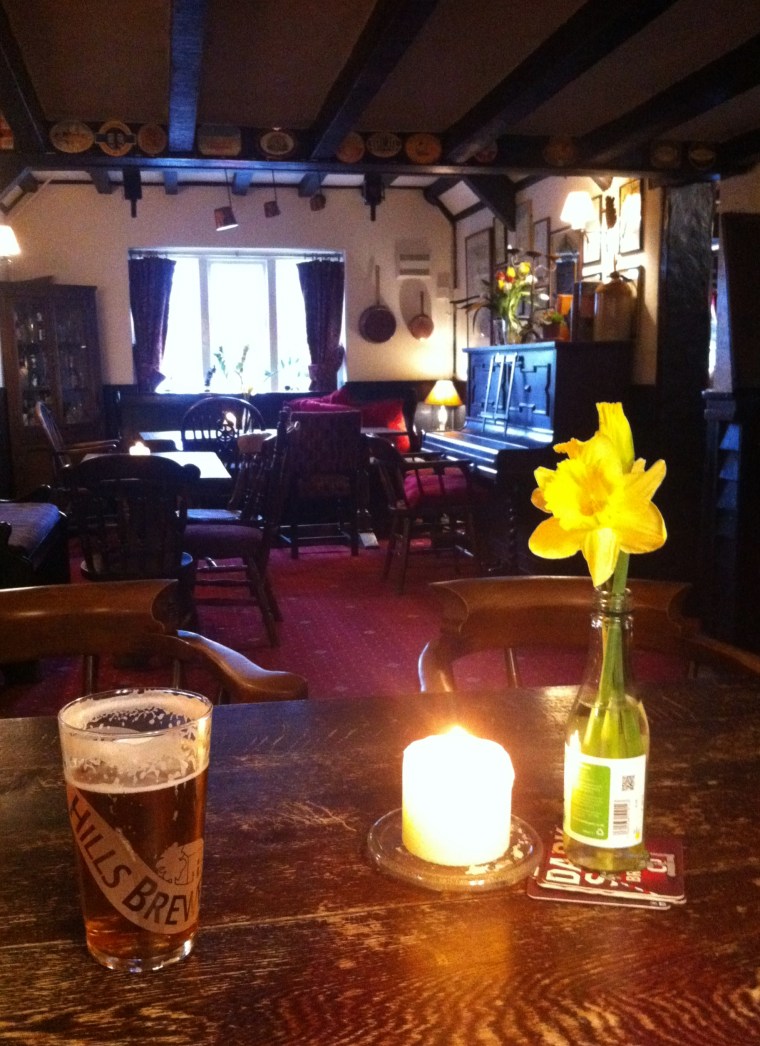
A couple of pints at the Black Horse and then pan fried trout fillets for tea. It had been an easy start to the season.


1959 – The Start

It all started in the summer of 1959. The family went on a picnic to Middle Bridge at Wallers Haven on Pevensey Marsh. It was a hot Sunday afternoon. My brother and I had a Spanish reed fishing rod, a porcupine quill float and one hook tied to nylon. We used flour and water paste for bait and caught lots of small roach. The float laid flat on the water and twitched and vibrated when the tiny roach nibbled at the bait. If the float cocked or disappeared, we pulled the line in and the little fish swung back and forth, wriggling to escape before one of us grabbed it and took the hook out.

DSC_1530

The old geezer fishing next to us caught nothing, he was a bit miffed. After a while the fisherman called me over and put a maggot on the hook. He told me that I would catch a Perch. I lowered the float into the water near the reeds and watched. I didn’t know what a Perch looked like. It wasn’t long before the float disappeared and I held aloft a stripey Perch. It was very small, not what I had imagined. Unfortunately, while removing the hook, the hooklength broke and that was the end of our first fishing adventure. The fisherman looked pleased to see us go. We were probably too noisy.

DSC_1532a

On a later trip to Wallers Haven my brother caught a Bream which we took home. It was not very happy in the bucket and died, the cat had it for supper.

I have not fished at Wallers Haven for 55 years but I regularly drive across the bridge. I always slow down and look, apart from the trees having grown, it hasn’t changed. Perhaps I will stop and fish there again one day.

==================================================

Anticipation

April 3, the start of the new Trout season, is only a few weeks away. I am looking forward to my first trout fishing trip since last November. At the start of last season I had a cunning plan. It worked!  I was surprised because so many of my plans are abandoned at the first set back.

What is the plan for 2016? That is tricky. Last year the plan was inside my head, this year it’s here for people to read. My main objective is to catch a sea trout. Any size will do. They do not enter the river until late summer so I have plenty of time to prepare. It’s a realistic objective as several are caught each season. The bottom beat was electro fished by the EA last year and they caught 10 sea trout, heaviest about 10lb, in a short stretch below a weir. I made a feeble attempt to catch a sea trout last year but this year I must persevere.

IMG_3151

So what about the early part of the season, prior to the Mayfly? Do I try for another monster trout from the top beat?  Yes, of course. That will be more out of curiosity than anything else. I want to know if last year’s monsters were just a fluke. It is extremely unlikely that I will catch another big brownie but I have to try. I foresee quite a few blank trips in the jungle of the top beat.

I don’t set myself goals for the number or size of trout.  I’ve grown out of that. It’s not about the numbers of fish caught. I’ve lost interest in catching lots of trout.  There is no point to it. I don’t know exactly how many trout I caught last year. Similarly, size is not important. If I wanted to catch a 20lb trout, I could go to Avington.

I must spend more time watching the water and each trip I must have a proper lunch. A restful lunch at the pub or by the river under a suitable tree makes the day complete. I would like to improve my casting and presentation skills. I tend to slap the fly down onto the water, a higher trajectory is required.

Occasionally I will stay on past Opening Time and fish the evening rise.  There is so much more wildlife about and sunset is a great time for photography.

I will write something about each fishing adventure. Even if I don’t catch any trout I will update my Diary. The reel has been serviced, a new line loaded and a few flies tied.

Game on.

==================================================

27 February 2016 – The Bourne

I had accepted an invitation to the Apsley Estate near Hurstbourne Priors, for a guided tour of the Bourne. The invitation was to see the stretch of water described by Harry Plunkett Greene in ‘Where the Bright Waters Meet’. My journey West was uneventful except for the SatNav which proudly declared that I had arrived at my destination while waiting at the traffic lights outside Boots in the centre of Winchester !

It was a cold blustery day which was very appropriate as Harry had repeatedly complained about the North East wind that blows down the Bourne Valley. The Bourne Valley is a beautiful place, not part of the normal world. It is quintessentially English, peaceful and oozing charm. I had entered a time warp and felt privileged to be in such a calming environment.

The plan was to visit the places featured in the book and compare the Bourne in 1902 to 2016. The river was in fine, winter condition and I saw several good fish. I walked upstream towards the Iron Bridge where I paused to look over the railings. I can never resist looking over a bridge parapet.

This slideshow requires JavaScript.

The river at the Sawmill was every anglers dream. A large header pool had been built in the 17th century to provide a constant supply of water for the mill. The pool was calm with rising trout and the mill race was a torrent of white water. Both were very therapeutic.

It was icy cold so we adjourned to the pub for a pint and lunch. We finished the tour with a visit to the Bright Waters just below the viaduct. The Bourne had hardly changed, the eastern arm of the river was a little overgrown but otherwise it could have been 1902.

This slideshow requires JavaScript.

On the long journey home, the SatNav refused to talk to me. I think it was sulking because I had taken a short cut. When I arrived home my mind was in a whirl of crystal clear water, rising trout and deep pools. The next time I read his book I will recall my visit and know exactly where Harry was standing and how he felt.

==================================================


Catch and Release

For many years I fished for trout at a local fishery that allows catch and release. It was great fun. There was no pressure to catch a limit. I could stay as long as I liked or until the pub opened. However, the trout had all been caught several times and the fishing was very difficult. At first I had a lot of blank days. One afternoon an angler near me caught about twenty fish to my zero. I wandered along the bank and asked what fly he was using. “Buzzers, too easy” was his somewhat curt reply. I stood at his side and watched. He stood still, silently watching his line. Without comment he slowly lifted into another fish. I hadn’t seen the take. It was a turning point for me. I went home and tied a load of buzzers.

DSC_1395

It took a lot of willpower to fish a static buzzer but I watched the end of the leader like a hawk and soon found myself in ‘catch and release’ mode. Most afternoons I caught about a dozen fish and I explained about the method to anyone who asked me.

Eventually I had a dilemma. Each time a trout was caught it became even more averse to artificial flies. I had to scale down to 1.5lb bs tippet and size 18 buzzers. This was prolonging the fight and the fish had to be nursed for 15-20 minutes before they swam away. On occasions I saw anglers chuck trout back in the water without a glance and quickly recast. The standards had dropped and I’d had enough of that fishery.

I like to eat the occasional trout. My neighbours’ freezers are full and the pub doesn’t want any more of my trout. I don’t want to take several trout home after each trip. Thankfully I have now found a place to fish that allows me to decide whether or not I release fish.

In the first half of the last Century anglers in the UK used to kill everything they caught. Food was scarce and the fish were plentiful. Things have changed. Coarse fisheries now  insist that all fish are returned and most salmon fisheries in the UK are mainly catch and release. Studies on rod caught salmon, using radio tracking devices, show that 100% survival and subsequent spawning is possible with very careful handling. An Irish study of salmon concluded that 98% survival to spawning is possible on fly caught fish but only 55% on lure caught fish. There is 100% mortality of deeply hooked or bleeding fish.

resting

This trout has just been released and is resting on the sand before swimming off into the pool.

A catch and release study on pike, supported by laboratory experiments, suggests that it takes up to six hours for a fish to recover physically if it is kept out of water for  five minutes.  Exposure to air also affects the behavior of the fish.

DSC_1390

I only buy barbless hooks but I have a collection of several thousand flies tied on barbed hooks. Before I use an ‘old’ fly I crush the barb with artery forceps. It’s good to see them swim away.

==================================================