10 May – Three Days

8 May – River Tamar

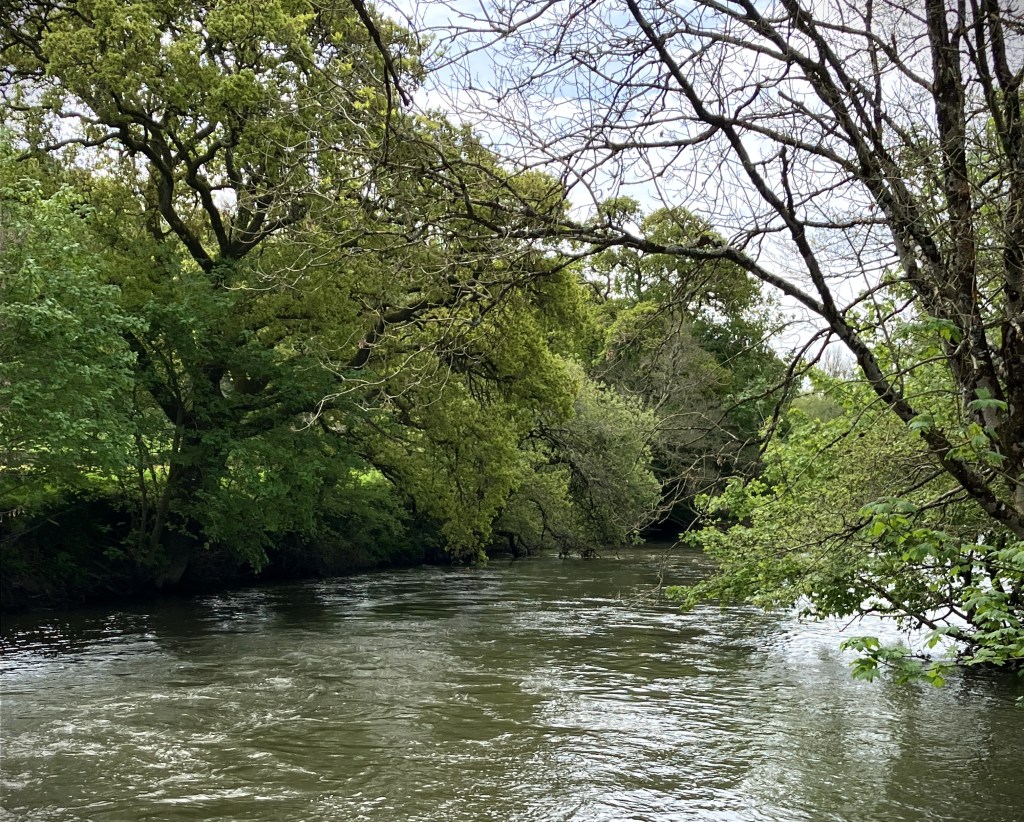
The incessant rain had stopped and a week of high pressure had been forecast. There was no rain overnight, it was time to get the rods out. As soon as I saw the river below Greystone bridge I knew I was wasting my time, it was coloured and high. Not high enough to discourage me from walking to the top of the Beat. The descent to the first croy was too dangerous, water swirled around the bottom of ladder and flood debris had gathered on the rocks. The second croy looked good, I could paddle without fear of losing my footing. I went through the motions for an hour, knowing that I probably wouldn’t connect with anything. The water was quite cold. I enjoyed the walk across the fields.

9 May – River Tavy

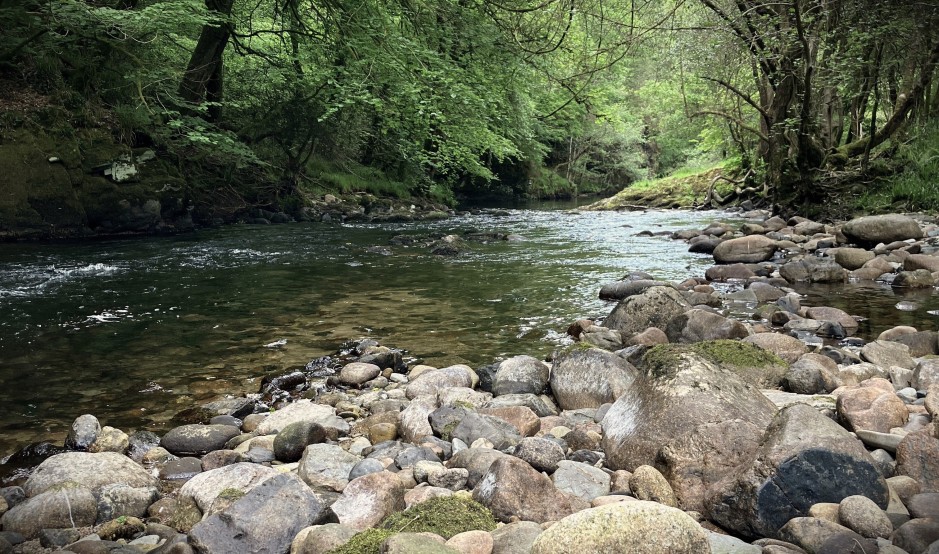
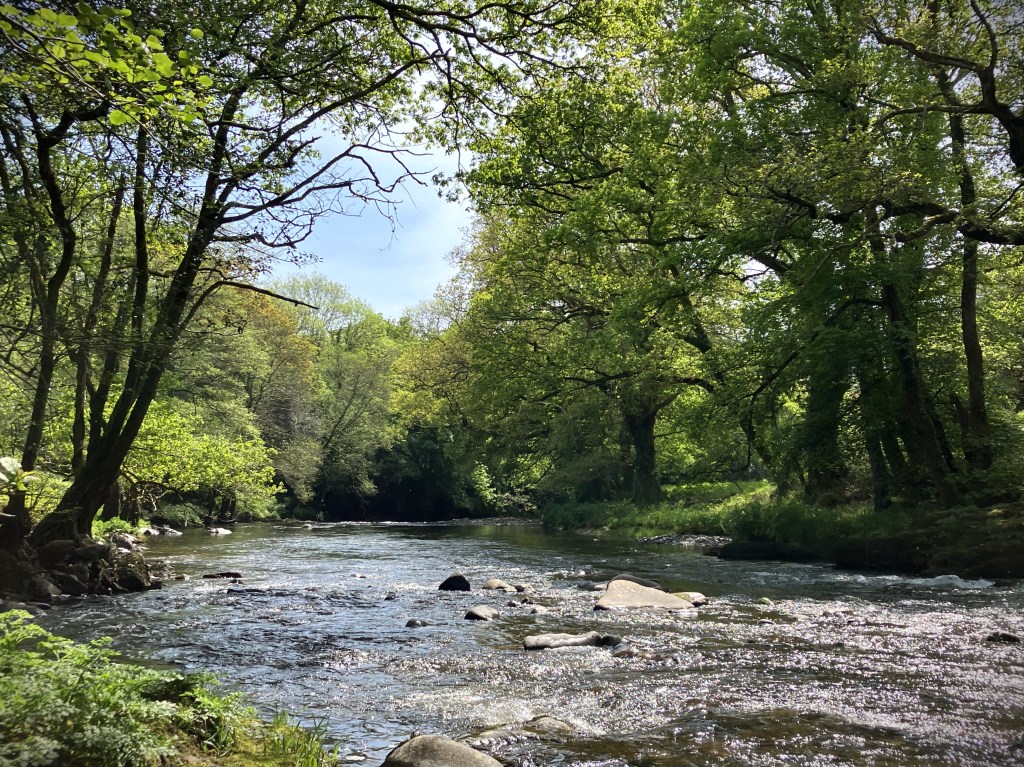
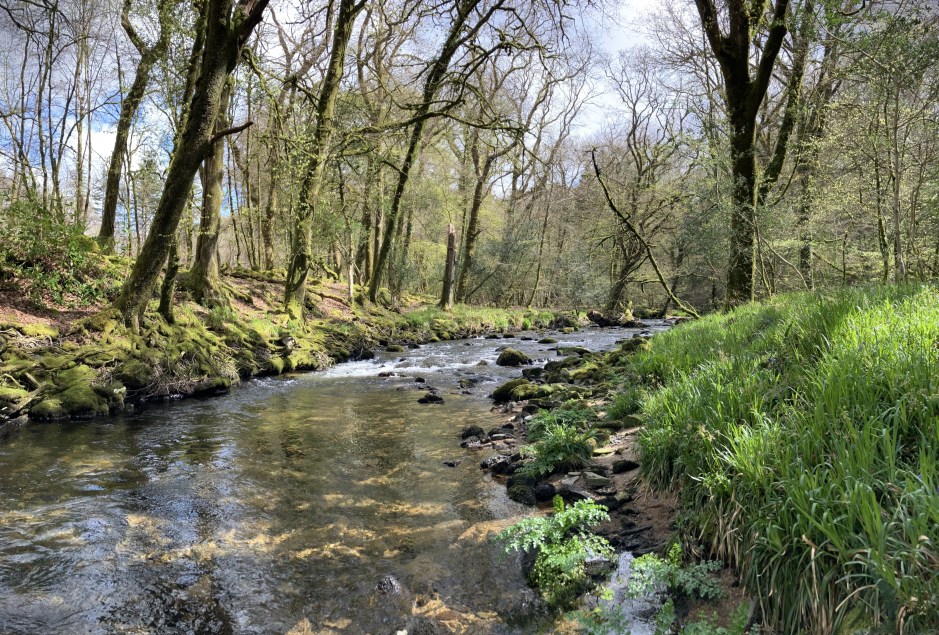
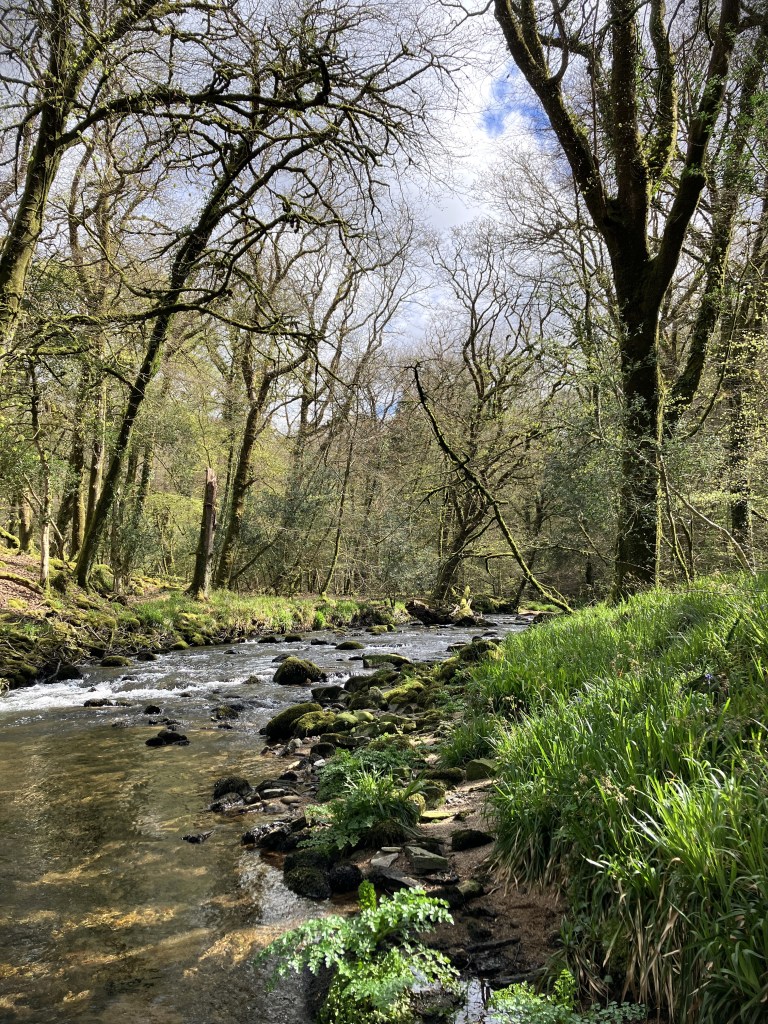
The clear blue sky allowed the sun to burn my hands. It was hot and humid. The air was full of olives and midges. I saw my first mayfly, a small specimen that made it to the tree canopy without being snapped up by a wagtail. I crept up to the top of the Beat and paused on a rock to get my breath back. Scrambling over rocks and around trees while keeping a low profile is tiring.

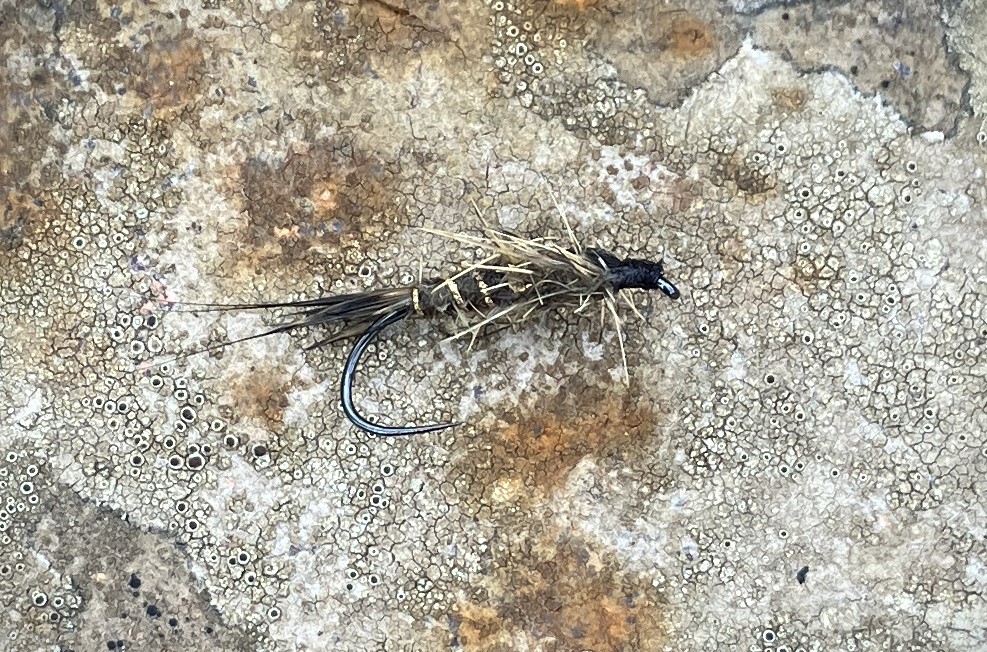
I used a Rio #4 on the Sage which was slightly overloaded at ten yards. I worked a GRHE size 12 through all the likely pools and riffles and moved steadily downstream. I fished ahead of a couple of unsupervised young children on body boards, a tragedy waiting to happen. It was great to be beside the river, I will return one evening next week when the sun is below the tree line.

10 May – River Tavy

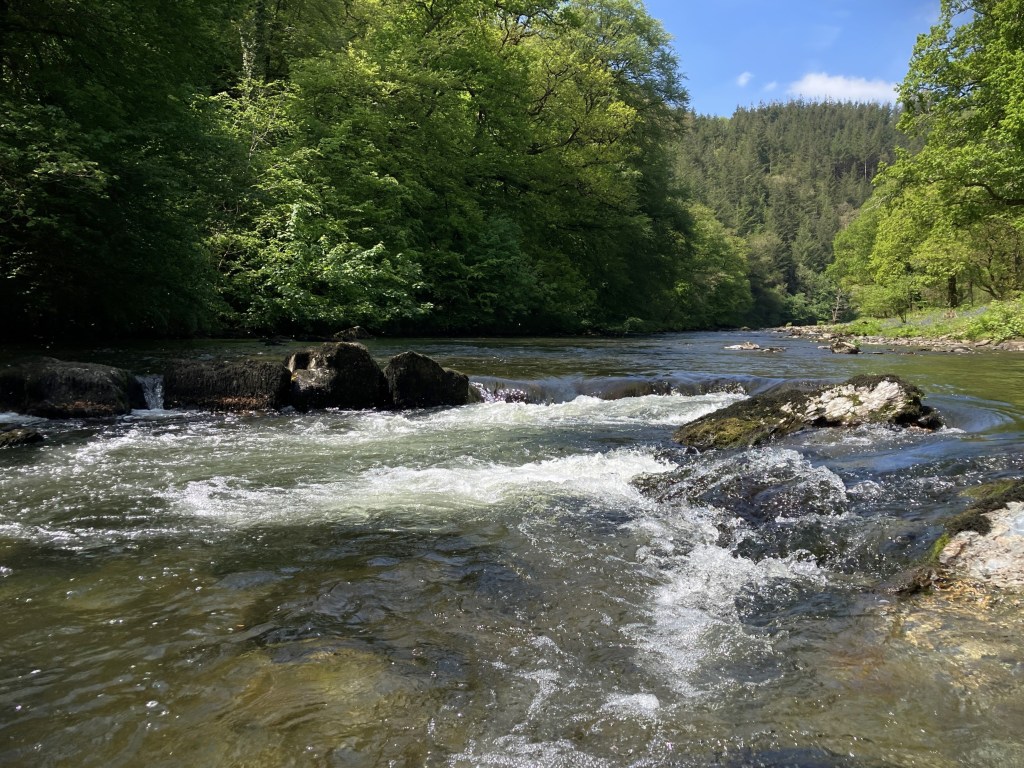
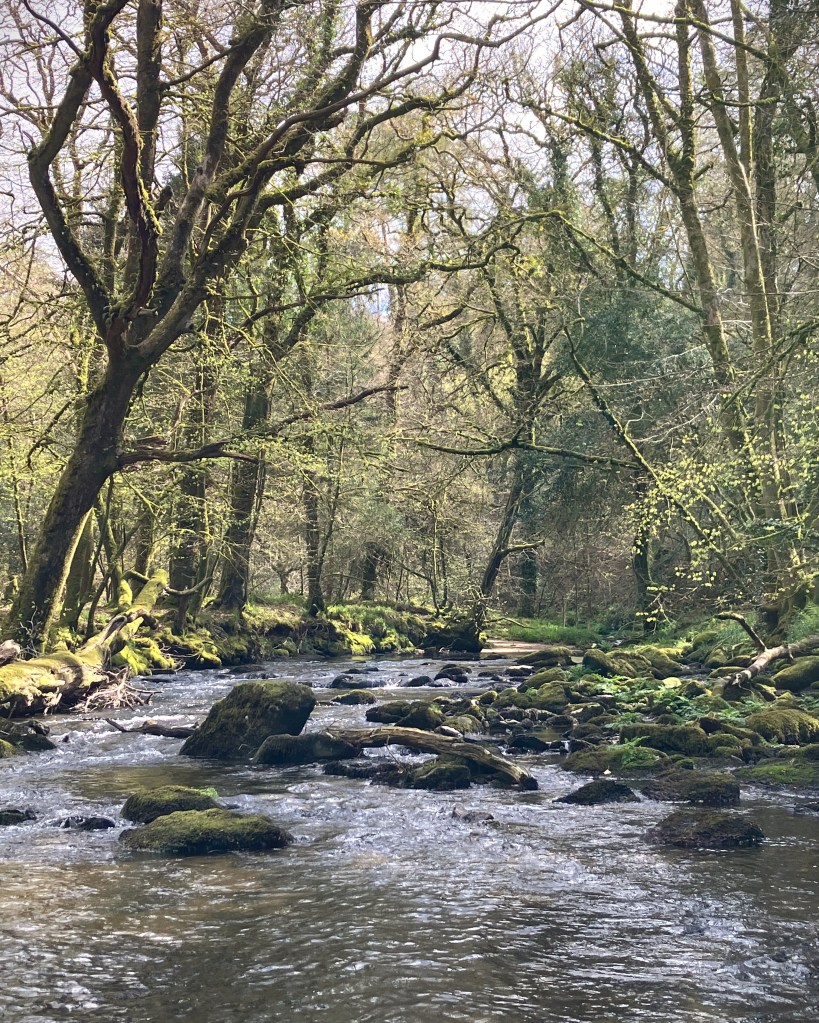
It was very hot, I was glad of the upstream breeze and cold water. I hooked a fish in the first pool below the dead tree which was encouraging. I paddled around knee deep above likely looking riffles and shady flats. Extreme hay fever kicked in and I was forced to abandon the trip. I hadn’t suffered from hay fever for over fifty years. I could hardly see to drive out of the valley. Luckily, I met another member at the top of the track who gave me antihistamine tablets, how fortunate is that !

For three days I had been so eager to fish that I had put aside water and weather conditions. The level of the Tamar was too high, the bright sun could have been avoided if I had been patient and waited until the evening.

20 / 21 April – Leconfield

Saturday

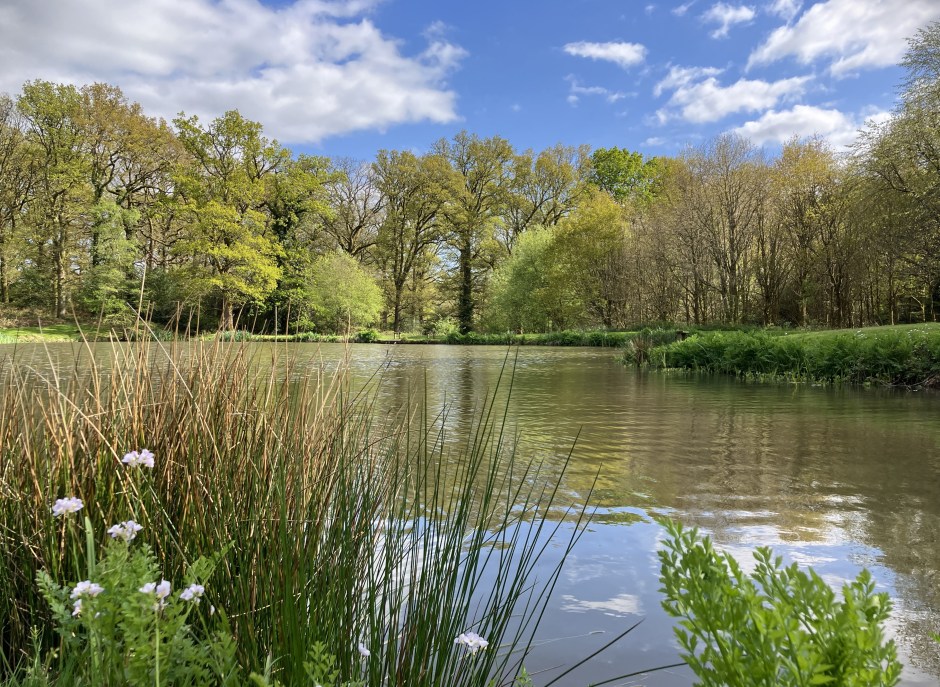
Thin, grey, old men in Lycra wobbled along the main roads on expensive bicycles. Fat, grey, old men on very expensive Harley Davidsons added to the chaos. It was a glorious spring weekend and I should have kept to the country lanes. The chilly, north wind frightened people away from the lakes. There was nobody fishing when I arrived at 3:00pm which was a shame because the trout were rising everywhere.

I had a new rod and a new fishing hat to christen. The Sage #3 is very light in the hand and a delight to use at short range. I was curious about its ability to handle a 3lb rainbow. The lightweight tweed hat was sure to bring me luck and keep my head warm.

I sat on a paving slab beside the seat on the first point, keeping low and out of the wind. I flicked a few yards of line into the margins and watched it slide away as a cruising rainbow took the GRHE nymph. I lifted the rod just as the fish ejected the fly. A take first cast gave me confidence and I took my time exploring the water within easy casting range.

I had a series of very positive takes as the line drifted across the wind, left to right, Arthur Cove style but I pulled out of about five fish, two of which were well above average size. The long, stiff rod exaggerated the pressure on the size 14 nymph. I changed to a size 12 mayfly nymph and pulled out of a couple of fish.

I switched to margin fishing along the east bank where I had several takes and lost a couple of fish. Time for tea and cake. I moved downwind to the end of the lake where a lot of fish were cruising and taking buzzers just under the surface. I lost a couple but eventually landed one after pulling out of a big fish. The trout moved away into the centre of the lake, well out of casting range.

After another cup of tea I checked Great Springs and found lots of fish in the buzzer soup close to the dam wall. The wind blew flies, tree debris and flower petals across from the other side of the lake. The trout were hunting in pods. I flicked a size 14 GRHE a few yards and had loads of takes. I landed three trout and decided to call it a day. Four fish is enough.

It had been hard work. The wind was flukey and it took me too long to adjust to the 10′ 6″ rod. The hat was a great success, I hardly knew that I had it on !

Sunday

There was a convoy in Petworth. Fifty or more fat, grey old men and women on Harley Davidsons roared through the market town, shattering the peace on a beautiful afternoon. I was hungry and decided to stock up on meat pies and cake. I found myself close to the lakes rather than the Rother, the river was coloured and would wait another week.

When I arrived at Little Springs there were several people fishing and I decided to move further down the chain of lakes and fish at Luffs. The cold wind was blowing down the valley, channelled by the mature trees on both banks. The tactics were obvious, face the wind, fish from the dam end. I needed to push the line under the wind and chose the #4 Hardy and left my hat in the car.

I started in the corner of the dam close to a sparse bed of weeds. After one cast, an electric shock from my reel and a vibrating rod, warned me to get away from the low hanging National Grid power lines.

The trout were rising for buzzers, competing with each other for food and it was not long before I connected with the first of a series of good fish. I lost a few but the ratio of hooked to lost/landed was better than yesterday. The same size 14 GRHE nymph that I used on Saturday accounted for all the fish. I tried a black buzzer pattern but had no takes. That fly should be retired from my box and used as a template for my next tying session.

I re-learnt a lot during the weekend. There is a big difference between a 10′ 6″ #3 and a 10′ #4. They each have their uses. Fishing into the wind is hard work but it’s worth the effort. Another member fishing from the west bank at Little Springs had failed to catch anything. The GRHE nymph is a good imitation of a hatching buzzer.

17 April – River Walkham

Yesterday, I visited Cornwall to see a salmon hatchery run by unpaid volunteers. No grants, no interference from the box tickers. It was impressive. It’s amazing what a few dedicated people can do when they are free to get on with the job.

This morning was lovely. A beautiful spring day, blue sky and fluffy white clouds. A perfect day for fishing. I had unfinished business with the trout on the River Walkham.

I left the Defender just inside the gate and wandered down the path being careful not to tread on the primroses and bluebells. I left the path halfway down the hill and cut through the woods towards the rock outcrop, about a fifty foot drop to river level.

I fished the pool with an upstream nymph. As I crept along the shelf below the overhanging rocks, I watched for any movement in the pool. The crystal clear water allowed me to see the bottom of the pot which was about four feet deep, a great place for salmon and sea trout to rest before navigating the rapids.

The nymph trundled around the slack water, I was surprised not to get a take. I moved downstream, casting down and across, a twenty foot flick covered the width of the river. The bank became marshy and bushes eventually blocked the path, I walked upstream to the weir pool. The slow moving water above the weir failed to produce a take. After I had broken my rod down and put my reel back in my pocket, I looked over the rocks and peered into the water which spooked a good sea trout. I’ll try that lie before I pack up next time.

15 April – River Tavy

Last week a trip to the River Tamar in Cornwall had to be abandoned because of a bridge closure. A very long detour on a bright spring day, along beautiful country lanes, was no substitute for fishing. A dry, sunny, fishing day had been cancelled. Moreover, during a river walk, I had lost the key to the Defender’s battery isolator and had to bodge a connection with a nut and bolt scavenged from a bracket in the cab. On the way home, in the rain, the wipers stopped working.

I bought a new key and fixed the wipers. I wanted to fish the pool on the Tavy where, on the last cast of the 2023 season, I’d caught a 3lb brownie. I waited until noon before heading to the River Tavy. Another road closure. I cursed and pulled over to consider plan B. I headed in the opposite direction, towards the River Plym, only to find a group of kayakers had trashed the entire Beat. The day was not going well.

Plan C was initiated. The River Walkham was secure behind locked gates and the silence of the deep valley would ease my frustration. After a few miles a sixth sense guided me off the main road, along unfamiliar, narrow country lanes to the Lower Beat of the Tavy. No satnav, just instinct. The sight of the river, bathed in spring sunshine, lifted my spirits and I tackled up expecting good things. I forgot about road closures and electrickery.

The long rod helped me roll the nymph into midstream and kept the main line out of the bankside briars. A quick upstream mend allowed the nymph to sink and swing round enticingly beside the near bank. The tree roots and woody debris were an ideal hiding place. A small trout seized the fly and came off within a few seconds. My first contact with a Dartmoor trout this season.

I moved downstream, exploring the pools and the channels in the bedrock. Another, slightly bigger trout, grabbed the fly and stayed on the hook slightly longer. I was enjoying the sunshine and two hooked fish from two takes was progress.

I wandered along the path to the tail of the big pool. The pool was unfishable with a nymph. I crept along the bank positioning myself next to the culvert where I had unhooked and released my best Dartmoor trout. I recalled the explosive take, could it happen again ? After an hour spent carefully covering all the holding places, I made my way back to the Defender. I might return in a couple of days.

2 April – River Walkham

The river was at a good level after weeks of spates. The sun was shining but heavy rain was forecast for the afternoon. An early start was required. I left the cottage at 9:00am, that’s early enough.

The wood, deep in the Walkham valley, hadn’t been visited for months. There were no footprints or paw prints and the brambles grew across the path. The trees were festooned with bright green lichen and the buds on the hazel trees were only just breaking. I could see the main river from the path, the lack of foliage gave me a long view across the valley to the far side where the fir trees had been clear felled to make way for native broad leaves.

I saw my first trout in the leat, it saw me first and bolted upstream. The leat was three feet deep in places and flowed swiftly fifty feet above the river level. I thought I might dangle a nymph there on the walk back out of the wood.

I started just above the fish pass and then moved upstream to the long, gentle left hand bend. The long rod was an advantage, I could hide behind tree trunks and flick the nymph a few yards down and across, exploring the rocks and tree roots along the far bank. The birds were in full song, the only species I could identify was a buzzard. I expected a take with every cast but I found myself back at the fish pass without bothering a trout.

The very deep water immediately above the weir look good. Surely four feet of slow moving water would hold a few fish. I spent a while covering all the patches of sand, rock ledges and the bubble line but the rod stayed straight.

The sky clouded over, the temperature dropped and rain began to fall. Time to go home. I paused beside the leat and ran the nymph through several holding places but the trout were not at home. I’m not sure about early morning fishing. I’d rather have a leisurely breakfast and fish in the evening.