A perfect day. Grey overcast, warm and a gentle southerly breeze.
I’d caught fish at Great Springs and Little Bognor and thought that I would visit a different lake. The scenery was certainly different, 400kv made my rod tingle at 50 herz which was a little unsettling.
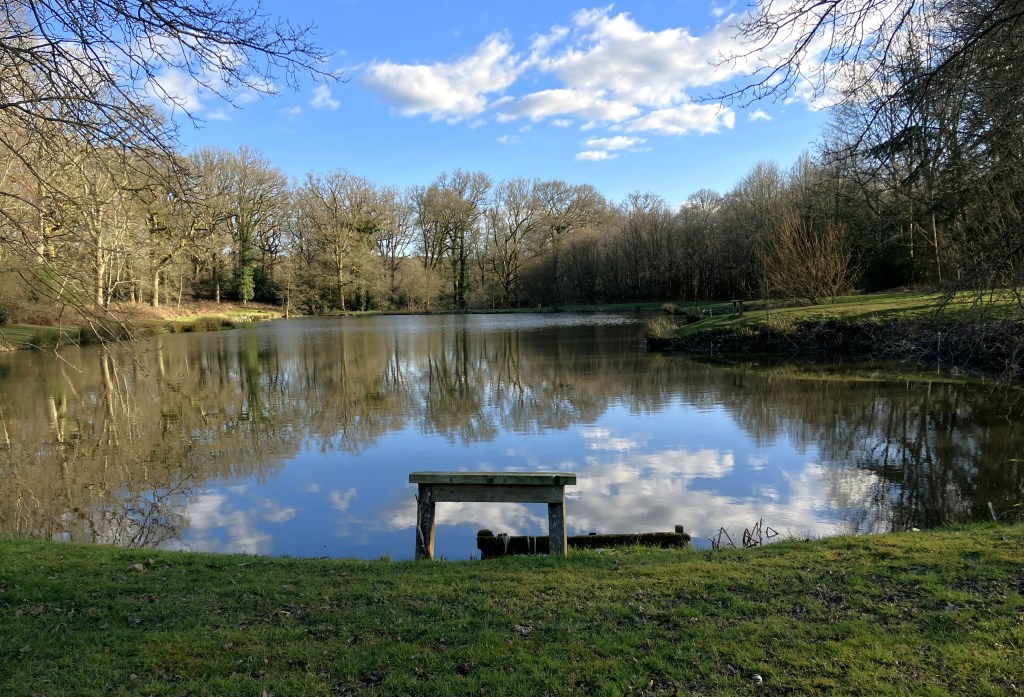
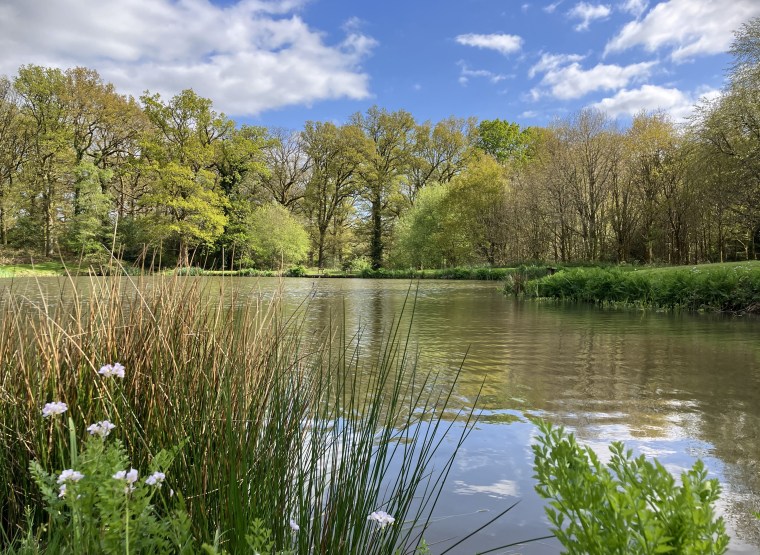
I hadn’t been to Lower Figgs for a while and I was pleased to see that the surroundings had matured since it was re-excavated. There was plenty of cover for the angler and I could just see weed beds developing which would surely hold groups of fish.
I chose the open ground and cast into the deep channel near the island. The GRHE was seized as it was sinking and the leader shot forwards. I’d hooked a trout first cast. I wondered about the fly, it was a good imitation of a shrimp, an olive nymph and a pinhead fry but also resembled a trout pellet ? I glanced towards the landing net and the fish wriggled off the hook. On the third cast I repeated the loss and made a mental note to ignore the net until the fish was ready.
The pod of rainbows were hanging about over deep water and a third fish took the fly with a gut wrenching bang on the rod. I bullied the fish a little and released it successfully, it was about 3lbs and had fought hard. A perfectly conditioned fish.
The pod of fish broke up and the fish retreated around the side of the island. Extra long casting, which surprised me, I’d forgotten about the double haul, reached another fish which became airborne at twenty yards. I found another couple of fish, cruising over deep water and decided to stop fishing, four fish is enough for me.
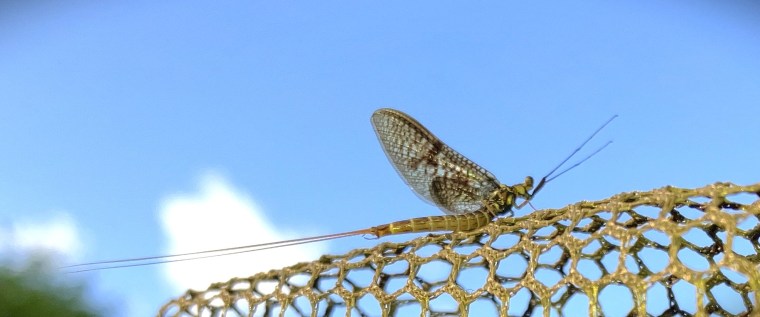
I wandered through the woods and paused at Luffs, a couple of members had bent rods. I had a cup of tea and a biscuit on the bench at Great Springs. My March visits to the lakes had all been successful. When I returned from Devon in early May I would be able to visit the Rother and use a mayfly for the difficult brownies.
Last weekend, on opening day, I had the pleasure of watching my grandson catch two trout with only a small amount of help from me. He will soon be fishing independently. I also enjoyed having the lakes to myself on Sunday afternoon. I had slouched on the wooden bench waiting for the fly line to slowly draw tight, interrupting its drift across the breeze. It was easy fishing, I knew where to fish and how to present the nymph. Arthur Cove documented the method in his book ‘My Way with Trout’ nearly forty years ago.
I knew how to fish at Little Bognor. The weather pattern had changed. The chilly north east wind and bright skies had been replaced by a dull overcast, a warm southerly breeze and showers. Perfect fishing conditions. I wanted to visit the lakes to check on the old Spanish chestnut tree, for a change of scenery and to catch an overwintered brownie.
I knew where to fish, the fly pattern to use and how it should be fished. Watching the leader for subtle movements, a slow sinking black buzzer and a very stealthy approach had never let me down. Most anglers keep away from the overhanging trees because the casting is tricky. The line shy trout hide under the overhanging branches, away from the disturbance.
I was surprised to see that the estate forestry team had thinned out the magnificent beech and chestnut wood on the slope to the west of the lakes. It was a professional job that let in light but it had changed the intimate, warm atmosphere around the upper lake. The lower lake had not changed, a buzzard mewed at me while soaring over the tree tops.
The churned up leaf mould on the now open path gave off very earthy smells, it will be a few years before the wood turns green again. The bluebells and primroses will benefit from the sunlight. I was relieved to see that my favourite tree had escaped the chainsaw.
Rex Vicat Cole sketched the dead Spanish Chestnut tree and included the sketch in his book, British Trees, first published in 1907. The tree had been dead for a considerable time when he sketched it and must therefore have first sprouted leaves just after the English civil war in the mid 17th century. It’s roots are firmly embedded in a stone wall and it is protected from gales by the steep sided valley. I’m not a tree hugger but I don’t like thoughtless chainsaw vandalism.
I crouched down, away from the water, to flick a buzzer at passing trout. The heavy tippet was visible in the clear water and after an hour I changed it and rubbed off the shine with damp moss. I caught three trout, one of which was fin perfect and may have been a wild fish. I eventually lost the buzzer attempting an impossible cast through a vertical slot in the overhanging branches.
The number and size of the fish was unimportant, Sir Edward Elgar’s magic trees had been preserved by sensitive forestry management and all was well.
During the journey from Devon to Sussex my mind wandered from motorway zombie mode to day dreams about lakes and rivers. The traffic was light and the weather was kind, the southerly breeze and high, hazy cloud looked set for a few days.
I walked around the lakes and watched the over-wintered trout swirling, testing the leaf debris and taking the occasional buzzer. Orange clouds of daphnia billowed across the lakes and the hazel catkins dusted yellow pollen on the surface of the water. In five days I would disturb the peace, restoring muscle memory to my casting arm and hopefully, wielding a landing net. I had a long chat with the Keeper, afternoon tea in Petworth and a productive visit to the bookshop.
Carp fishing in Cornwall, river work parties and too many meetings filled early March with distractions. I felt unprepared for the new season. I planned to spend most of my time on the rivers in Devon and one week each month fishing the Rother in West Sussex. That had also been my intention last season but my arrival at either end of the A303 seemed to coincide with bad weather and coloured rivers. Four days fishing with my grandsons were planned, trout must be caught, the pressure to deliver was building.
Saturday – Great Springs
A chilly north east wind pushed the clouds over the South Downs National Park and out to sea, there was no chance of rain. The rugby international and the near freezing conditions meant that we had Great Springs to ourselves. A quick casting refresher and a deep sunk, black fly soon brought results. Despite some confusion and slack line, a beautiful rainbow graced the landing net and the pressure to catch a trout was off. We resolved to catch nine fish before lunch. An hour later, after two more trout had been caught and released, we lowered our expectations and settled for chocolate doughnuts on the tail gate of my car. The cold wind had blown away our enthusiasm and we drove home through the lovely, Sussex countryside in glorious Spring sunshine, mission accomplished.
Sunday – Great Springs
A very bright morning with a north east breeze brought about a change of plan. A family walk with the dog followed by lunch, with no beer, delayed my solo trip to Petworth. The boys had other plans, fishing is not compulsory.
When I arrived at about 2:30pm the lakes were deserted. I was amazed but pleased that I could wander around without distraction. The eastern bank of Little Springs looked very relaxing. I spent about an hour casting a nymph on a short line and letting it drift round in an arc while soaking up the afternoon sunshine. The fish were not active and I walked up the slope to Great Springs and lounged on the bench beside deep water. The bright sun had driven the trout into the depths and I decided to fish a weighted GRHE nymph on a long leader. The left to right breeze blew the line into a curve and the line tightened four times before I decided to leave. The trout were in beautiful condition and fought hard, well above their weight. Only one escaped, the other three were safely released.
What better way to spend a peaceful, sunny Spring afternoon ? No television or Fortnite, just relaxing with a rod. A perfect start to my season. Next weekend I will visit Little Bognor in search of a big, overwintered brownie.
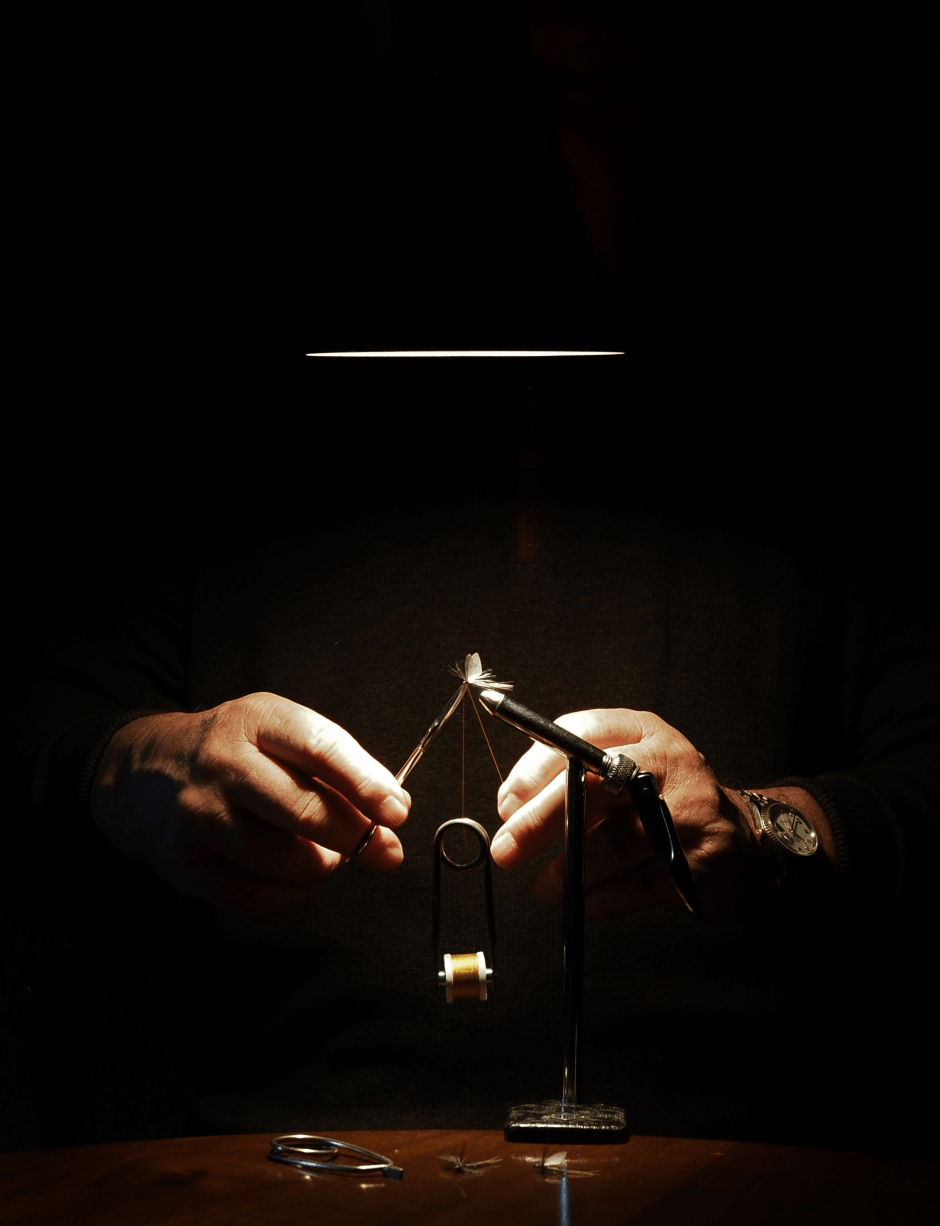
I only need a few patterns. I have hundreds of flies in pretty boxes which are rarely opened. Over fifty years ago I tied flies semi-professionally, I still like to tie them in batches. The first fly is always scruffy and off-pattern. That’s the one that catches the trout !
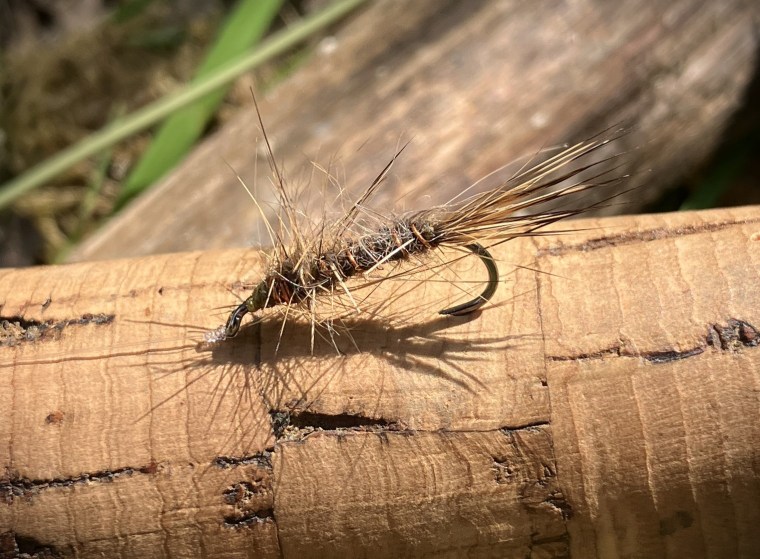
GRHE nymph
My car park fly. It frequently stays on the tippet all day. When I clip it off and put it back in the ammo box, I leave a little tag of nylon on the hook so I know it’s been used.
Adams-ish
Not the original pattern. It’s a just a small dry fly that looks like a Grey Duster and Adams cross dresser. I’ve nearly run out of decent grizzle hackles.
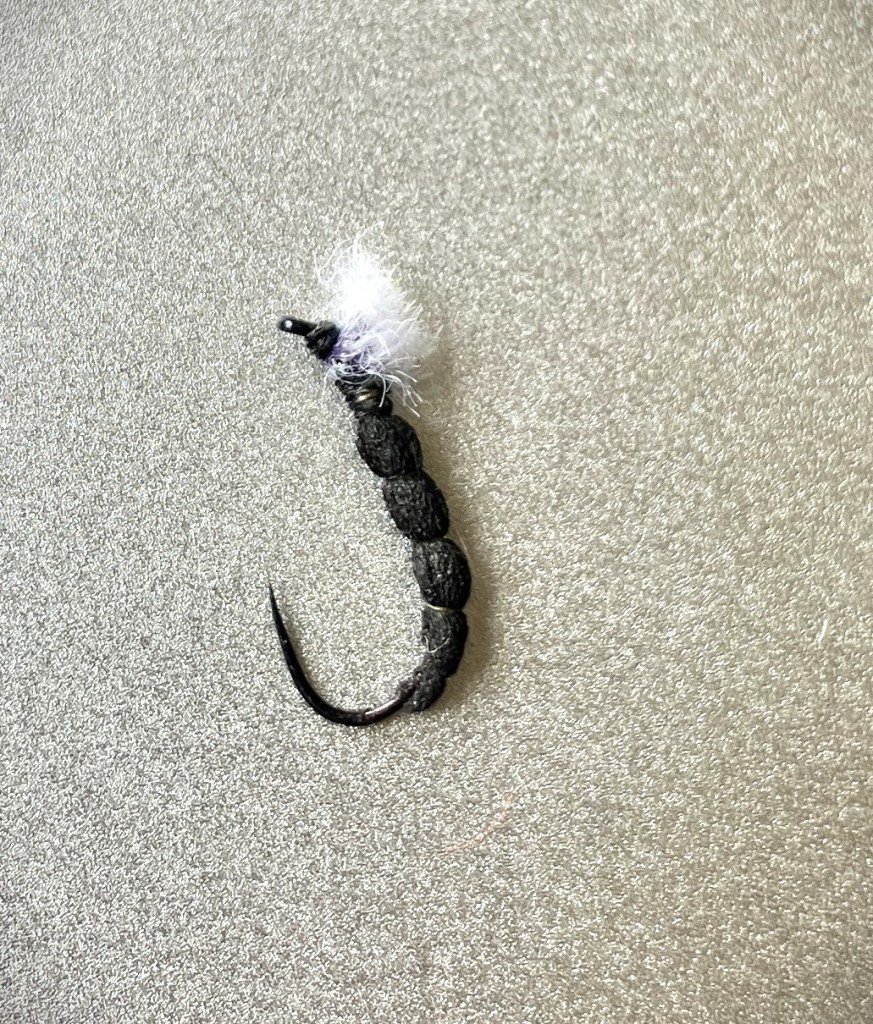
Black Buzzer
A realistic imitation made from closed cell Neoprene. I control the sink rate by trimming the white tag. Fished static on a fine tippet, this will catch fish all year round. If I can’t catch trout on this fly, I go home.
Quality Street Sedge
The coloured plastic wrappers from Quality Street chocolates are a joy to collect. Other brands are available. Strawberry creme, caramel and those big, round, flat yellow toffees are the best for sedge flies. Fortunately, each wrapper is only enough for a couple of flies ! The sunlight glows through the plastic wing which doesn’t get soggy.
I have a camera case full of materials, some of which are fifty years old. I haven’t bought feathers for many years, I just pick them up when I’m fishing. My favourite hooks, Tiemco 103bl, are in very short supply, probably due to their popularity. I don’t use beads. I’ve never seen an insect with a huge brass blob for a head.
It was a season of disruptions. In Devon the prolonged rain in the spring and regular spates throughout the summer, meant that the rivers were full. Dartmoor was saturated all year and remained green until the autumn. The spates kept me off the water. The few sea trout that made it from the sea back to the rivers, quickly made their way to the high moor. When I visited Sussex, the Rother was often muddy and unfishable, I spent most of the weekends in Sussex casting to educated trout in the lakes.
I fished the Devon rivers on twenty occasions and the waters in Sussex about a dozen times. That was probably the least number of fishing trips I have ever made in one season. I made only one visit to the Tamar and didn’t fish Burrator at all. On the one occasion that I planned to fish Burrator, the website refused to validate my payment for the permit and nobody answered the helpline phone. How frustrating.
February was a game changer, I bought the Sage ESN #3 that I had agonised over a few years earlier, trying to justify the horrendous expense. The rod performed much better than I had imagined and became my favourite when fishing the Devon rivers. It was under powered for the big brownies in the River Rother.
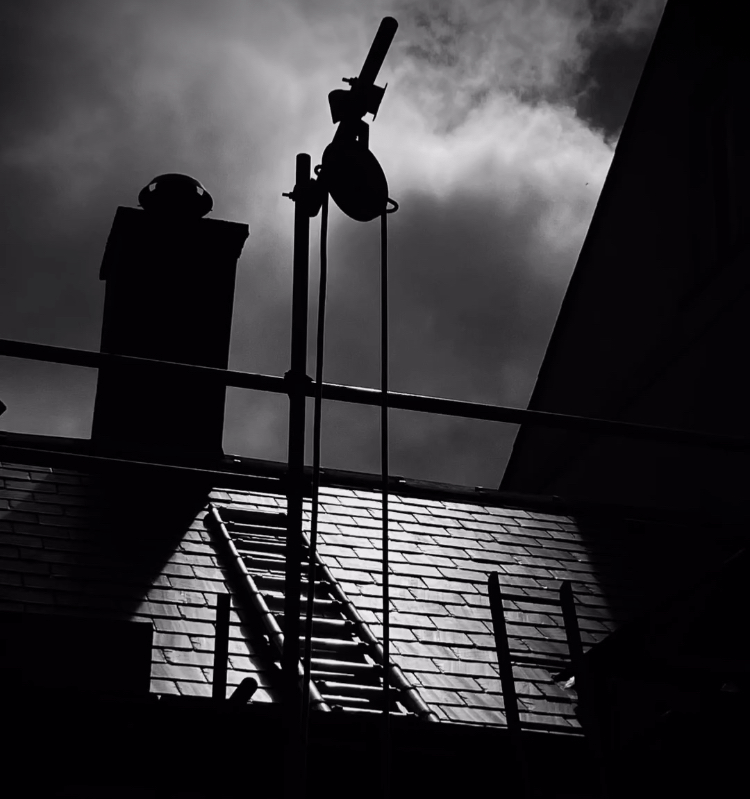
For most of August and part of September I was confined to the village, while the cottage roof was replaced. The weather was kind but I felt imprisoned, unable to escape the dust and debris. The 300 year old cottage is now drier, warmer and quieter. Somethings are more important than fishing.
During the summer I seemed to spend more time on fishing club admin than actually fishing. Battling with young college kids who have no idea about testing software or customer service took up several hours each day. Gen Z techno jargon and lame excuses were infuriating.
Little Bognor 4lb+
I caught two memorable trout, one from the lakes and the other from the Rother. They had something in common. At the lake, I was concentrating, in the zone. Twenty yards away, I saw a fish travelling just under the surface, turn towards the buzzer and create a wake. It had fixed on the fly and to secure the take, I lifted the rod gently. The perfectly induced take avoided a last second rejection. The fight and size of the fish were irrelevant. The tug is the drug.
On the river, I sat upstream of an alder tree on the far bank, a raft of flood debris had gathered around the low hanging branches. I was confident that a trout lived there. At the end of a cast as I lifted off, I saw a very subtle swirl behind the fly. Auto-cast kicked in, the perfectly placed nymph sunk, the leader moved and I lifted into a trout. It had all happened without conscious thought, all of the process had been intuitive. Magic.
The GRHE nymph was my car park fly. On several trips I didn’t bother to change the fly. I was confident that if I found a trout and the presentation was good, the fish would take. I could happily use a GRHE nymph on the rivers and a black neoprene buzzer on the lakes, for the entire season.
Little Bognor
I used various split cane rods from my collection when the occasion felt right. I added the Hardy ‘Pope’ to the rod cupboard, the reel fitting needs fettling during the winter. The big, heavy, high-tech DSLR was reserved for photo shoots but will see the light more during the Dartmoor winter.
I ended the season with a weekend at the lakes in Sussex, the Rother was flooded again. I nearly turned back at Billingshurst as torrential rain lashed the windscreen. I persevered and was rewarded with two nice rainbows from Great Springs and two browns from Little Bognor. A nice way to end the season.
The salmon was listed as an endangered species by the International Union for the Conservation of Nature (IUCN) in December 2023, having suffered a 30-50% decline since 2006 and a projected 50-80% decline since 2010. The decline is more severe in the west country, the southern limit of the salmon’s habitat. The 2023 EA report on salmon and sea trout was depressing.