Devon – Opening Week

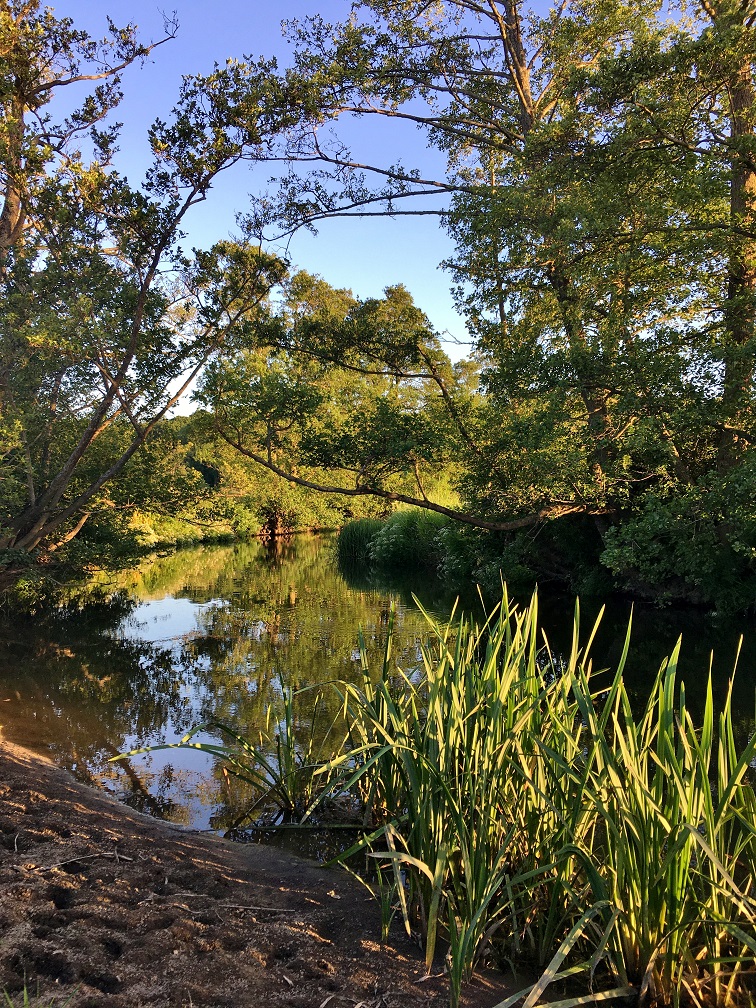
15 March – Heavy overnight rain drifted upcountry leaving Devon drizzle hanging in the trees. It was a perfect trout fishing morning, time to explore a river. In February I had walked miles along the banks of several rivers on the western edge of Dartmoor. Fast flowing, peaty torrents in wooded valleys. Each river had it’s own character.

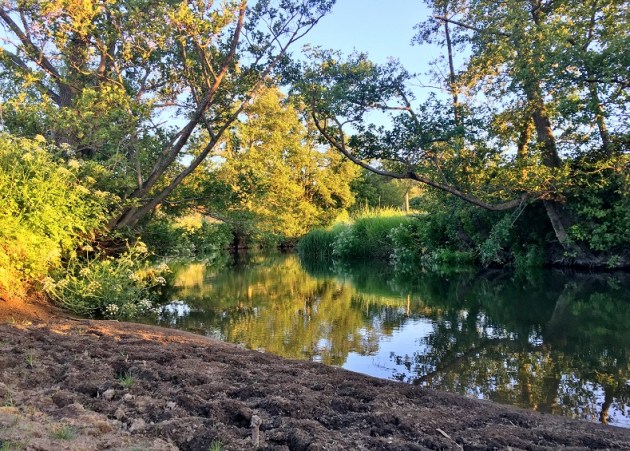
The top beat of the Walkham hurried along between stunted Oaks, their branches wrapped in bright green lichen. The surrounding moor was a uniform beige, the aftermath of a cold wet winter. The Walkham river valley broke the monotony of the barren landscape, a green artery winding it’s way around the base of Great Mis Tor. Each pool and back eddy probably held a small brownie.

IMG_7479small

In contrast, the grander Tavy thundered around rocks the size of a mini and swept past a cliff face below the dark entrance to a mine shaft. The steep sides of the valley were covered in mature pine trees and Buzzards circled the tree line on the updraft. It was a harsh, unforgiving riverscape, not for the faint hearted. Salmon and sea trout would rest in the deep pools later in the year. The Tavy scenery looked more like Scotland than Devon.

IMG_7409small

I put my reel, a spool of Stroft ABR and a tiny box of nymphs in my jacket pocket and walked away from the village, upstream on the Walkham. I left the lane and walked down a bridle path beside an old mining leat towards the weir. I saw the weir through the trees long after I’d heard the water crashing into the pool. It was a washing machine, unfishable. The rod was redundant but I walked the river bank, looking into the eddies, noting the deep runs and watching the birds. A tiny tree creeper inched it’s way up an oak, picking at the lichen, working it’s way up the trunk in a spiral. Each time it’s foraging took it behind the tree I stepped forward and waited for it to reappear. I got quite close before it noticed me

IMG_7364small

The overnight rain had run off the saturated moor and filled the river but the water level would drop as quickly as it had risen. I realised that timing is everything on these spate rivers. I returned to the cottage without wetting a line and had a couple of pints in the Leaping Salmon while planning my next trip.

16 March – In contrast to yesterday the morning was bright following an overnight frost. From the cottage I could hear the weir but the roar of the water had subsided to a murmur. I decided to visit the Walkham again, a stretch I had explored in February. The extra foot of caramel coloured water passing over the weir sill had reduced to a few inches and there was a chance the lower, broader reaches of the river would be fishable.

IMG_7446small

I was relieved to see the river was in good condition. It had a slight honey colour but I could see the river bed in the deep runs and pools. Most of the holding areas were on my side, the left bank. I started exploring the water with a black spider, working it down and across and holding the fly over the deeper water with a mend in the line. I expected a tug on the line every drift but although I saw a couple of golden flashes near the fly, it was probably just the shafts of sunlight catching the white stones.

I fished a long pool on the far bank, running the fly under the leafless tree branches and gradually extending the cast to cover every lie. I lost a couple of flies and moved downstream. A kingfisher whizzed past and returned a few minutes later, a good omen. A badly fenced mine shaft distracted me for a few minutes and I wondered about the working conditions and the devastation that would have been caused by the heavy metals and arsenic.

IMG_7452small

I experimented with heavier flies, different sizes and colours but couldn’t get a take. I fell over while clambering around a rock pile, then encountered a dog walker along the river’s edge. It was a sign to turn back. I’d fished for three hours and not reached the end of the Beat. The walk to the car was longer than I expected, I must remember to stop fishing before I’m exhausted. Although I had not caught a trout or even come close, it had been good to flick a fly around and walk beside the river in the spring sunshine. A great improvement on yesterday.

17 March – In contrast to yesterday the still grey morning was warm and compelling, there are no better conditions for fly fishing. Later in the day the southwesterly would be upstream, ideal for presenting a tiny fly to the moorland brownies. It had to be done. The walk to the Beat was daunting, two kilometers over broken ground on the flanks of Great Mis Tor. The OS map and a compass would take some of the risk out of the trek, contouring around the tor would avoid a steep climb.

On the moor freezing fog cut visibility to fifty yards. I filled my pocket with toffees, essential energy boosters, slung the rod over my shoulders and set off at a steady pace. I walked about five hundred meters before I turned around and headed back to the car. Frozen and soaked. A lesson forgotten, it can be sunny in the village and a ‘white-out’ on the moor.

IMG_7463bbwsmall

19 March – A memorable day, it wasn’t raining. The high moor was shrouded in mist but I hoped the hazy overcast would blow away or burn off as predicted by the BBC. I chose the River Cad for several reasons, access to the river was easy, visibility on the lower moor was good and the open moorland would not restrict my backcast.

The wind was downstream but as I would be fishing a nymph down-and-across that was not a problem. I fished the pool at Cadover Bridge, confident of a take. After changing the size and weight of the fly a few times I left the pool, slightly puzzled by my lack of success, to continue my walk upstream. Each riffle had a slow glide above and deep channels below. None of the glides or channels produced a take. They looked so inviting, there must have been trout hiding beside the rocks.

IMG_7468small

At about midday upwing flies started to hatch. The were small, pale olives with blue wings. Blue Winged Olives? I had never seen the flies before and made a mental note to check the reference books to confirm my identification. I changed to a heavily weighted size 14 GRHE nymph and concentrated on a long far-bank run. The water was crystal clear, I could see the rocks on the bottom clearly in four feet of water. The east wind cooled me and helped with casting, the sun was warm in the shelter of the gorse bushes. I fished a pool where a brook entered the river via a three foot high waterfall but snagged a rock and lost another fly.

During the long walk back to the car I wondered if the water temperature had been a factor. Perhaps the icy cold water had deactivated the trout. I shall take a thermometer next time.

IMG_7493small

It had been a strange week, I felt out of control. Different rivers and weather conditions contributed to my confusion. With so many moorland rivers to fish, it will be a long time before I can catch trout consistently. There’s lots to learn, starting all over again is a great feeling.

trout


Devon – February

Spring arrives early in the West Country. I felt warm in the bright sunshine but in the shade of the steep river valley, the cold north wind made me shiver and pull up the zip on my Barbour. The trees were bare, only wisps of bright green lichen on the branches and moss on the sunny side of the trunks, brought splashes of colour to an otherwise monotone underwood.

IMG_7112small

My first sight of the river was a shock. The crystal clear water raced along, washing over rocks, cleansing every pebble. There were no floating twigs or leaves, no rafts of flotsam. The floods in late January had removed all foreign bodies from the river’s course. Small streams and leats tumbled down each side of the valley and bubbled into the river. The sphagnum moss on Dartmoor had filtered the water and made it slightly acid, suppressing the growth of weed.

IMG_7150small

A thousand feet above sea level Dartmoor looked intimidating, dangerous. The grass had been shorn and looked like an uneven lawn dotted with stunted gorse bushes. It was squelchy underfoot, the turf saturated by the winter rain. The moorland pools were full, overflowing into tiny streams which fought their way between granite boulders towards Plymouth Sound. The weather changes quickly on the moor and looking west towards Bodmin, I could see Storm Ciara approaching. Heavy rain and gale force winds had been forecast. The big Atlantic storm darkened the horizon and I left the moor to seek shelter in another river valley.

IMG_7212asmall

A kingfisher zoomed between the arches of the 13th century bridge barely a foot above the water. The cutwaters carefully separated the flow, diverting the water between the granite pillars, sliding it over the ancient bridge’s foundations. Below the bridge the water swirled into a deep holding pool, the floor of which had been swept clean to expose the bedrock. Further downstream there was a fast run over multi coloured shale. I leant over the bridge parapet but saw no fish, they reveal themselves only when they change position.

IMG_7129small

I’d fished on Dartmoor and in it’s valleys more than forty years ago, catching a few fish but not consistently. Spate river fishing is different, it’s way outside my recent experience. The river was reminiscent of the Derwent but not as wide. It would be a challenge. I would have to use natural imitations, small heavily weighted flies that would sink quickly. Definitely no beads, just lead wire. Upstream nymphing might be the answer. The water was too fast and clear for ‘down and across’, the trout would see me before they saw the fly. A Devon fly box will need filling before the season opens in March.

CNV00004small

Storm Ciara arrived in the village that evening at opening time. I had a pint, a nice steak and a glass of Shiraz before falling asleep infront of the wood burner. The following morning the river was in full spate. There should be plenty of water in the rivers throughout the summer.

trout


2020 Plans

The first day of a new decade is a good time to make plans. Not resolutions, they can be negative. Holidays, fishing trips and other positive stuff needs careful thought.

I have a couple of months to edit my 2019 diary, print each section and take it to Otter Bookbinding in Midhurst. I like to read each entry as I format the text, it sets the scene for the new season.

IMG_7264asmall

My fishing was reduced by a third last season. The heavy rain kept me away from the Rother and the extreme summer heat limited my time on the lakes. Nevertheless, 2019 was an eventful year and I plan to make 2020 even more memorable.

IMG_7466bwsmall

The season opens in mid March. It will be good to wander around the Estate lakes and see how the winter has changed my favourite places. The Rother opens in early April and the constant flooding of the last three months will have changed the contours of the river bed. Last years debris will have been washed away only to be replaced by this winters fallen trees.

IMG_6090small

I am excited about my first season as a Rod on the Itchen. It will be a new world to explore even in the most extreme weather conditions. It will be interesting to see how the Mayfly season varies across a chalk stream, a lowland river and the lakes.

DSCF1696small

Dartmoor beckons. I plan to explore some of my old haunts on the moor and in the steep wooded valleys along its western edge.

I will take more time, slow fishing is best. There will be more cane, less carbon.

It’s time to clean my fly line, oil the reel and tie a few more flies, only ten weeks to wait.

trout

Southwell III

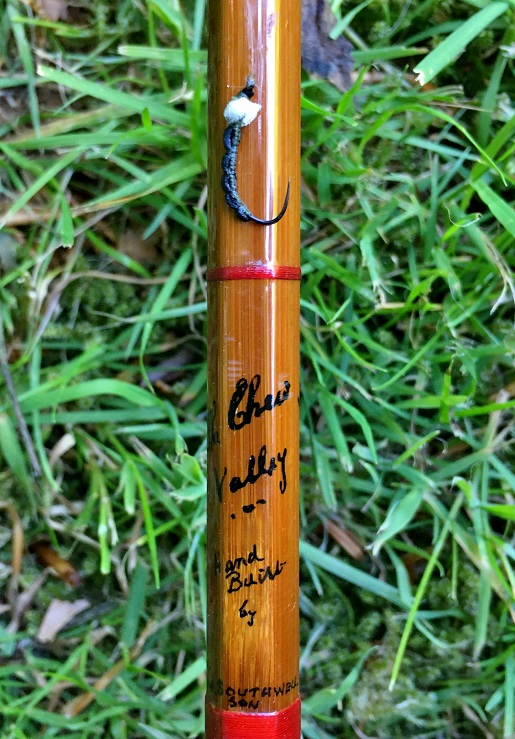
I had been searching for a Bob Southwell rod called the ‘Blagdon‘ since discovering a 2014 auction photo. A proper auction, not online. The fuzzy shot revealed a long rod with green whippings and the correct period fittings. I left a random note online asking for information about Southwell rods and after several months, up popped an email offering me a ‘Blagdon‘. I bought it the next day.

This was not the auction rod, the inscription was different. There’s another one still to find. My initial impression was that the rod I had bought would need a light refurbishment. I always start with preservation in mind, it never works out that way. Horrors are invariably discovered under the magnifying glass and so it turned out.

IMG_6763rings

Unlike the other Southwell rods I have, this one had been fished-to-death. The rings were worn out. Expensive fly line destroying half moon bites inside each of the full open bridge rings consigned them to the bin. Why didn’t Southwell use snake rings? Even the Agate butt ring had several grooves and was bent. The cork handle was chipped, the tip section had lost a few inches and the cane had a slight set.

The many scars in the varnish were witness to a hard life. Definitely not a collectors piece. My biggest concern was a suspicious looking whipping near the tip, was it concealing a fracture? The marks in the varnish, the mangled tip ring and missing cane suggested that the rod tip had probably been trodden on. Unlike my other Southwell rods this would need a full refurbishment, it could not be used otherwise.

IMG_damage

I repurposed a natural cork from a traditional bottle of wine. It matched the old cork handle very well. I was given an original black button from the Southwell era. I found a gem of a butt ring that had been crafted from real Agate and looked more like designer jewellery than a rod fitting. It cost as much. I even found some Pearsalls silk of the correct colour.

The handle restoration is complete but the full restoration is a winter long project. It’s fiddly and time consuming. The intermediate whippings are widely spaced but need good light and a steady hand. The rod will be ready in the Spring. Probably.

trout

Season Summary

I usually summarise the season in one word. This year choosing one word was tricky but I settled on ‘eventful‘. I experienced so many new things that warranted a diary entry. Events that might otherwise be overlooked in later years when recalling the blur of 2019.

In April I visited the Derwent in Cumbria to celebrate my 65th birthday. The scenery, weather and fishing were fabulous and the rented farmhouse beside the river was a warm and comfortable lodging. I am tempted to return but it was such a magical week that it can never be repeated.

I was invited to fish the River Wey during the mayfly season and although I let a monster escape, I had a great time exploring a bigger version of the Rother. I also visited the River Itchen in early September and had the entire fishery to myself. My beat was spectacular and I learnt a lot about upstream dry fly on a chalk stream. I have taken a rod on the Itchen next season.

2019 was the ‘Year of The Cane Rod’. I christened the Farlows ‘Holdfast – New Zealand’, the Sharpes ‘Aberdeen’ and bought several other cane rods.

farlowsholdfastNZ

Although I have an inventory of my cane collection, it has become difficult to choose a rod for a days fishing. I have my favourites but I will ensure that the majority get used next year.

IMG_4520small

Bob Southwell

IMG_3224small

Fly Culture magazine

IMG_3745bwsmall

River Derwent, Cumbria

IMG_0180bwmedium

Little Springs

IMG_4076abw-1250

River Rother

IMG_4162small

The New Riffle

IMG_4348small

Mayfly Spinner

IMG_4587small

Mayfly Dun

IMG_4699bwsmall

Below Keepers Bridge

IMG_4969abwsmall

Riverhill

IMG_5071small

Weirwood Reservoir 1975

IMG_6095small

River Itchen

IMG_6334small

New Hat

IMG_6731small

Ebisu Day

IMG_6655bwsmall

October