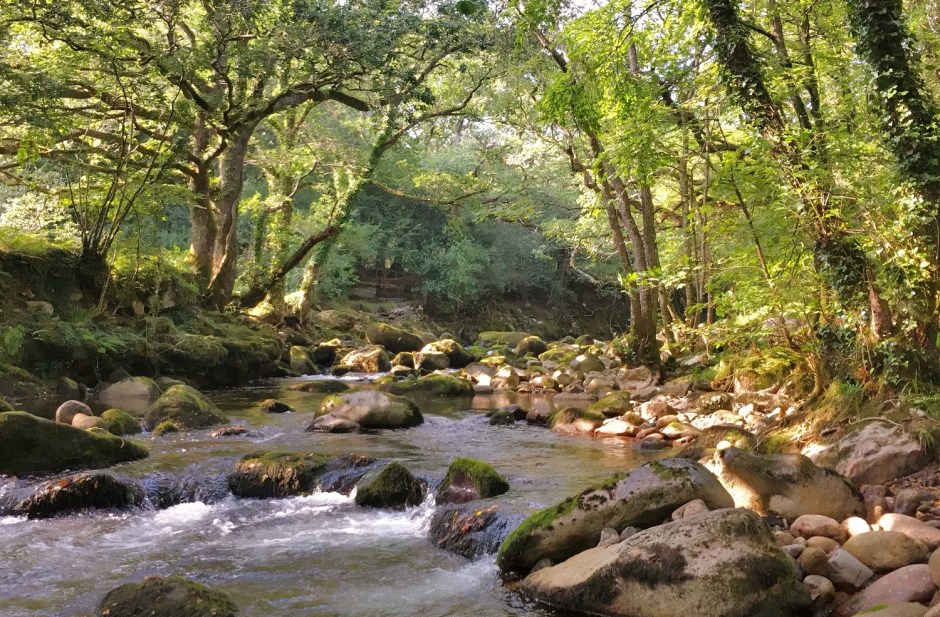
18 August – River Walkham

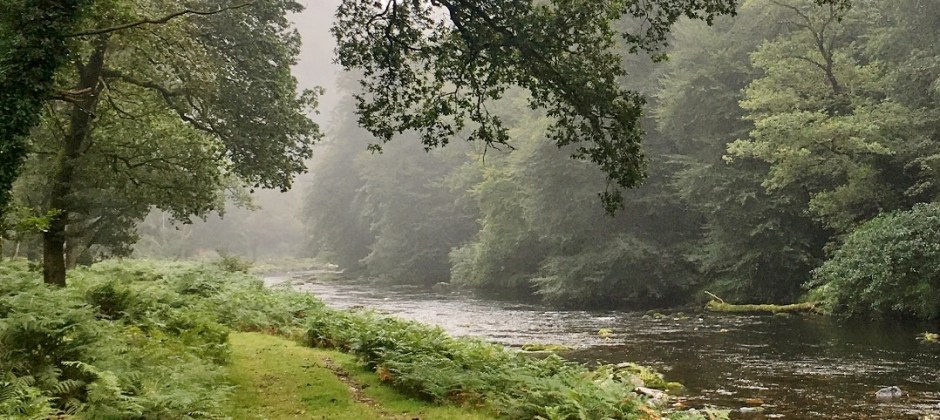
I hadn’t fished the stretch of river closest to the cottage. I’d abandoned a previous visit because I found the river in spate, it was a washing machine. Recent disputes over access had discouraged me from fishing but with only a few weeks before the end of the season, I felt that it was time to explore the river properly. I could have walked to the Beat but I conserved my energy and took the Defender.

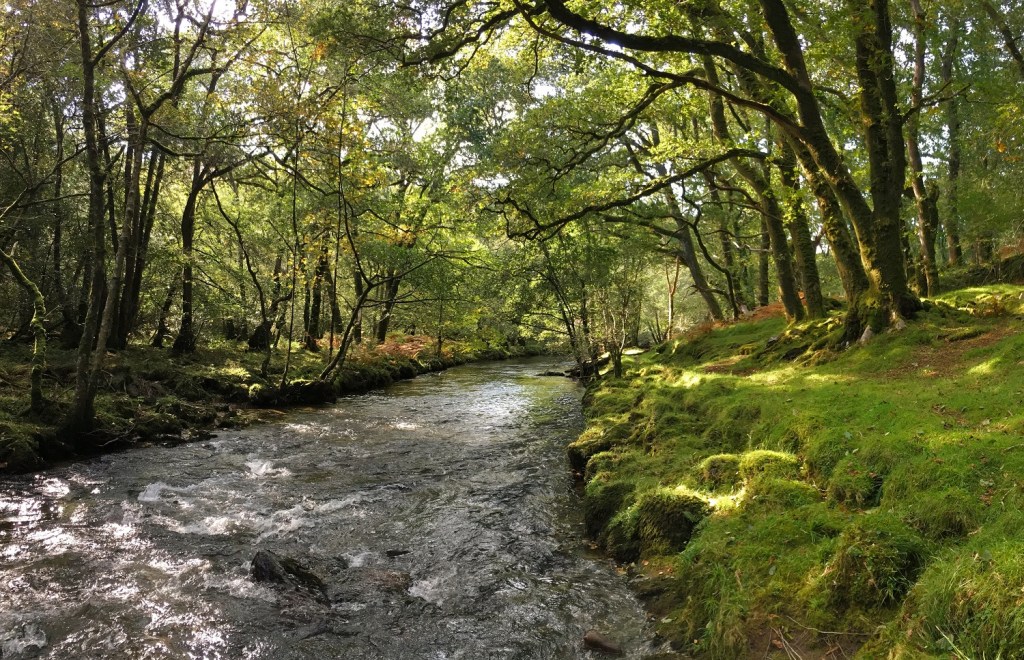
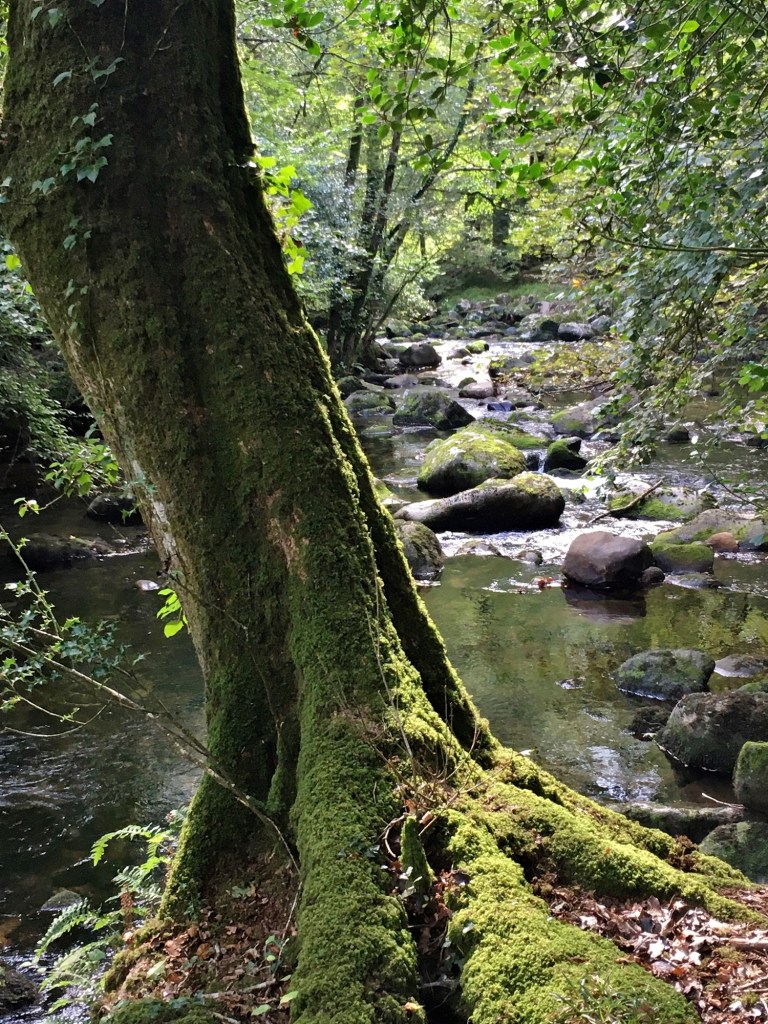
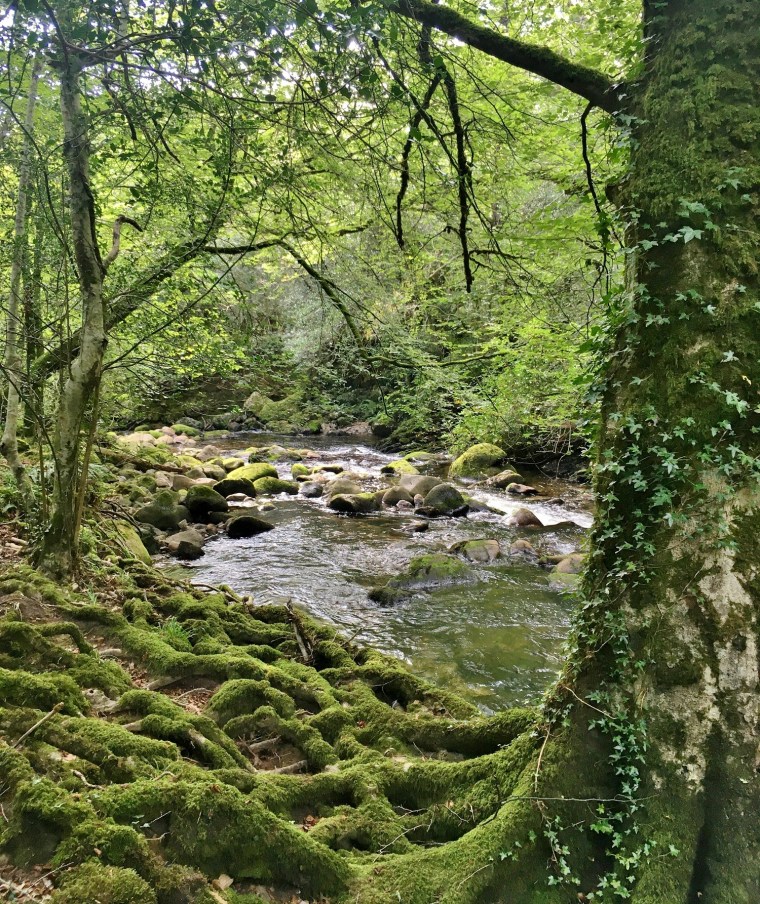
The river is wild, no strimming or pruning, access to the water is tricky. It’s jungle fishing. I followed a stream down into the valley, crossed the ford and found the first pool. On the rocky margin I found Jaws!  A decent fish at last. I thought about the child, playing in the river with a favourite toy, watching it swim off downstream, lost, never to be seen again. I put the plastic monster in my pocket, a great momento of the day. It was a sign from Isaac.

I’m going to need a bigger net

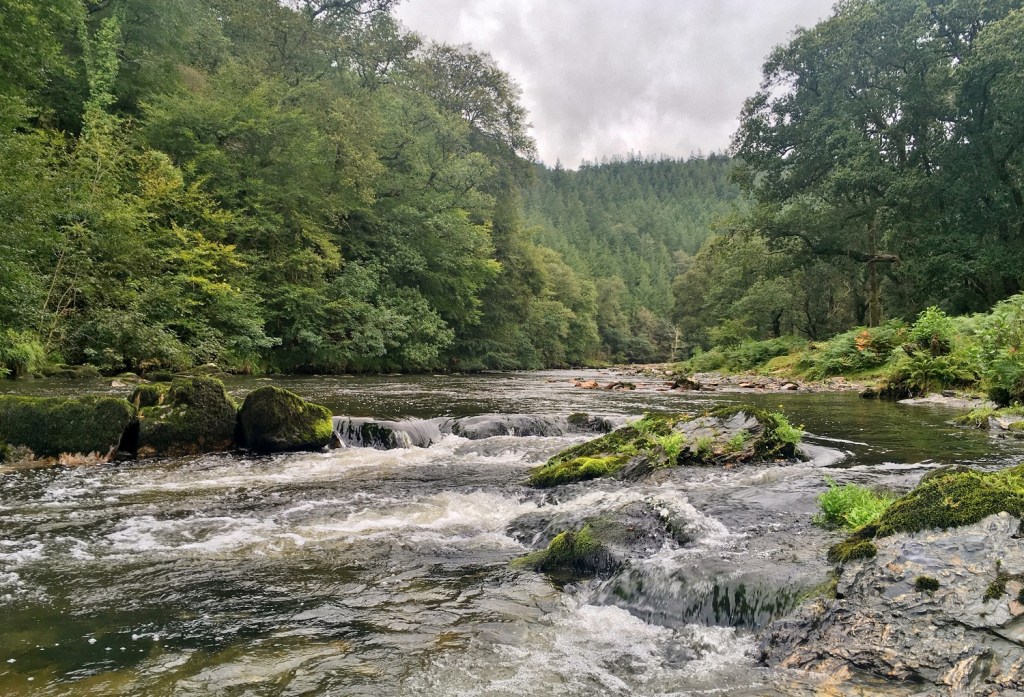
I fished the fast water and worked the nymph around the roots of the overhanging trees. I was surprised by the lack of a response, perhaps my approach had been clumsy. I wandered upstream,  weaving the long rod carefully between the trees, looking for deeper water. I worked a few riffles and pools, rolling out the line under the trees, without any takes. Eventually the bracken and briars prevented from approaching the river and I turned back.

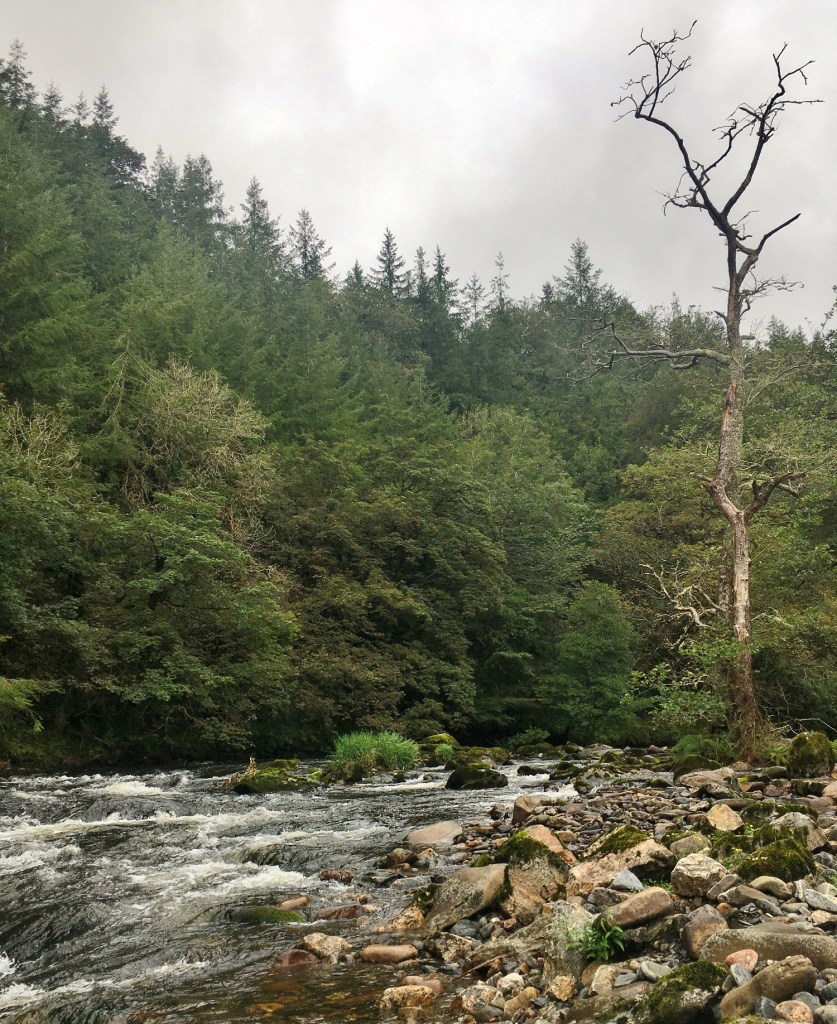
I found a long straight riffle with some deeper stretches, kept off the skyline and worked the water down and across.  The rod grew heavy and I lifted into a little brownie. It was a very dark fish and quite plump. I fished down the rest of the Beat without troubling the trout. The walk out of the deep valley was tiring. Twice I fell over on boggy ground. I was relieved to reach the Defender and relax in the cab while cooling off.

11 August – River Tavy

I got my gear ready early in the morning but then had a frustrating day, unable to leave home, while watching the clock and the rain clouds approaching Devon. Eventually, late in the afternoon, I turned the ignition key and eased the Defender out of its new home.

The track down into the valley had been washed out by the recent heavy rain and the ground was even more demanding. The deep ruts and exposed rocks, damp from the drizzle, eventually petered out and I left the Defender on flat ground near the river.

I watched the water for a few minutes. It looked perfect, a little higher than normal and lightly stained by the peat on Dartmoor. I wandered up to the top of the Beat, using the waist high ferns for cover, until I reached a riffle with a long wide pool and plenty of slack water.

I flicked the weighted nymph into the main current and let it drift down and across. I used some of the rounded granite rocks protruding from the shallow water to hang the nymph in the slacks. After a few casts the rod rattled and I connected with the first Trout of the evening. I slipped the barbless hook from its lower jaw and it shot away so quickly that I didn’t see its departure. The misty drizzle hung in the tops of the fir trees and the mature oaks beside the river dripped on me. I ignored the weather, there were Trout to catch.

I fished the rest of the pool, expecting another take from behind one of the many rocks, but the fish were not impressed. Further downstream the main flow of the river was funneled into a deep cleft in the bedrock. The water was dark and I was confident that I would get a take. A fish rose several times to snatch small flies off the surface and I wondered if it was worth swapping my weighted nymph for something lighter. Impatience kicked in and I positioned the nymph a few feet above the rising fish which shot to the surface and grabbed the fly. It became airborne and shook the hook. The rain got heavier and I sheltered beside the trunk of an ancient oak, watching for signs of fish. The clouds drifted away and I made my way down to the very deep pool that always contains several fish.

I crept across the table sized platforms of slate to approach the fast broken water at the top of the pool. Moving carefully downstream after each cast, I covered the throat of the pool and the big eddy under the oak tree. Nothing. I wondered if newly arrived Seat Trout and Salmon had chased the small brownies out of the best lies.

The rain became more persistent and tired from crawling over granite and slate, I withdrew. The journey out of the valley tested the Defender and I resolved not to use the Volvo for fishing trips in the rain. I relaxed with a single malt and recalled the evenings adventure. The scenery was stunning and I had caught a Trout. Excellent.

4 August – River Tavy

Heavy rain was forecast over the weekend and it had been five weeks since I last waved a rod. Moving house, lazing on the beach and carp fishing had diverted me from the rivers. I also had a rod to christen.

I wanted to explore an unfished stretch of the River Tavy The beats upstream had tempted me on several occasions but somehow I had never made it to the lower beat. Devon lanes are narrow but the track into the valley was daunting, the ferns and nettles brushed both sides of the Defender like a car wash enhancing the patina of the bodywork. I wound up the drivers side window after getting whacked in the face by a bunch of ferns.

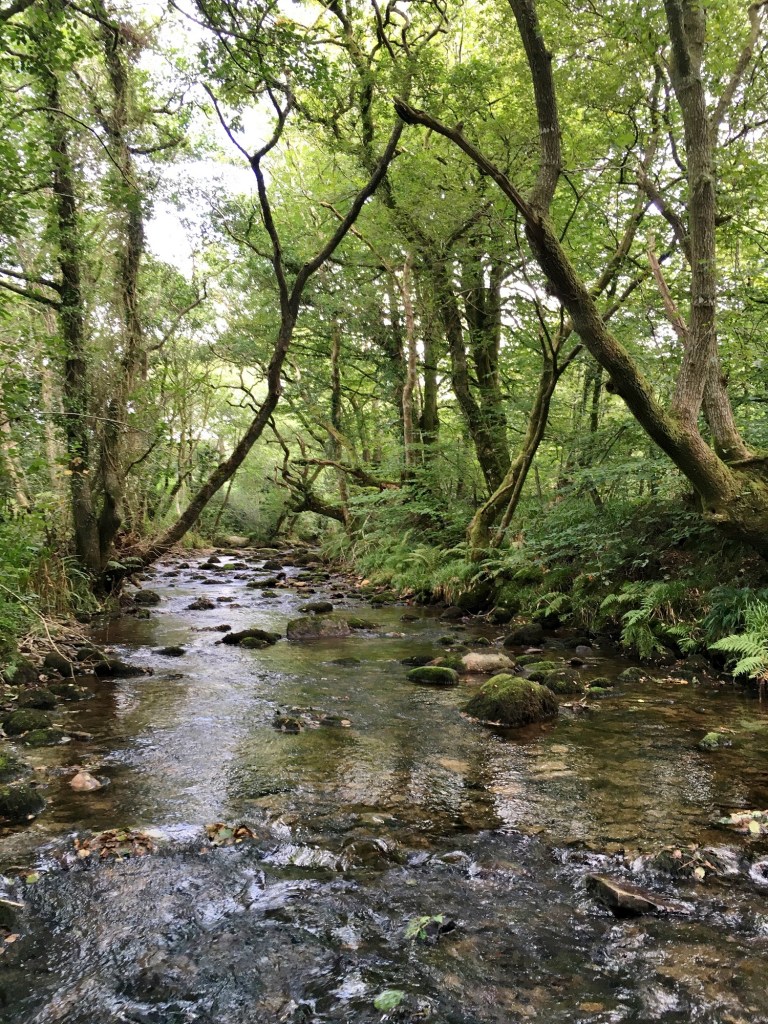
As soon as I saw the beat I regretted not visiting it earlier in the season. The riffles and long deep pools, hemmed in by mature trees, were spectacular and sure to hold a few Trout. The forestry plantations on the skyline and the sheer rock face along the north bank enhanced the unspoilt wilderness. A Buzzard flew overhead, startled by my presence it dropped a young Pheasant. The dead bird fell head first, wings folded, into the river and drifted downstream. It had looked like a small, brown Osprey plummeting into the pool but never emerging. The Buzzard’s lunch was swallowed up in a big riffle and with a plaintiff mew, the big bird departed to resume the hunt.

I started with the recently restored Pezon et Michel and the Rio Small Stream. It was a perfect combination and long casts curled out towards the deep midstream channel. The taper of the rod loaded the cane in the middle and the steep reduction in the tip section reduced the rods ‘floppiness’. I prefer the Southwell compound tapers, his rods are lighter and more refined.

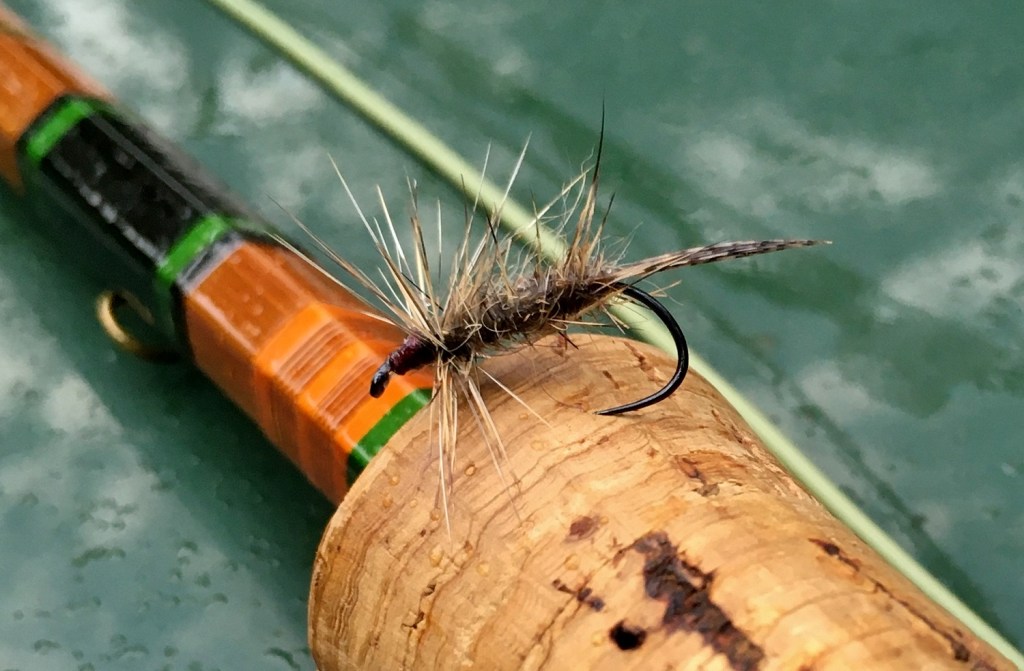
There was a tap on the rod. I lengthened the cast slightly and a small brownie seized the nymph. I worked down the long pool and missed another fish. There were thousands of trout fry in the margins, gathered in shoals, mainly over the coarse sand. Easy pickings for the Kingfishers. It dawned on me that my sparsely dressed GRHE nymph looked remarkably like a pin head fry and that trout rising to Blue Winged Olives would be unimpressed.

I climbed out of the deep rocky valley and wandered further downstream where the valley floor was wider and the pools bigger. The river margins were mainly rounded granite stones mixed with slate, not the best footing for a stealthy approach. A long run below an island produced more takes and another, slightly bigger, trout to the nymph. I left the rest of the Beat for another day. The following morning the heavens opened and clouds of rain blew across the valley. Perfect timing.

Pezon et Michel

While on holiday in Dorset in 2017, I bought Charles Ritz’s book “A Fly Fisher’s Life”. It had been in print from 1959 to 1977 and looked worthy of a place in my book cupboard. I found it an awkward read, a mix of ‘how to fish’, his reminiscences and rod design gobbledygook. It had been revised to death. Only it’s price saved it from the bin.

My fly rods are either Hardy or Southwell and I had never considered buying a French rod. Last year I was given a two section Pezon et Michel fly rod which needed restoration. The rings were rusty and it had been covered with a thick coat of orange varnish which had crazed. The Indian ink inscription read Flyxor and the rod number told me that it was the 23rd rod made on 28 April 1940 at the factory in Amboise. The rod was in production until 1970 and was then rated at #6/7 although this early model was clearly not suited to such heavy lines. The Flyxor was their most basic, entry level model.

The origin of Pezon et Michel was a partnership between Pezon and three others in 1895. The first, non-tempered, hand planed, split cane fly rods were bought in during 1924 and were based on English designs. In 1935 Charles Ritz was hired as a technical consultant and the rod design shifted towards American tapers which Ritz had picked up from Jim Paine.

Electric ovens and machinery capable of planning cane to .01 mm accuracy were installed in the factory. The first factory produced split cane fly rods with the new Ritz parabolic tapers were released in 1938. France declared war against Germany on 3 September 1939 and was invaded on 10 May 1940. My rod was therefore made as France prepared for war ! How bizarre.

I stripped the rod carefully and found silk to match the original. The cane is blonde, needle straight and there are no glue lines or delamination. The nodes alternate and are very close together, less than six inches. The nodes have been machined flat, not hot pressed. They clearly used low grade cane but the rod has survived WWII and poor maintenance.

I shall christen it on a Devon river by catching a brown trout.

Three Devon Rivers

While having lunch in the garden a Blue Winged Olive landed on my arm and I took that as a sign to go fishing. I waited until the sun had gone down before heading to the river. I was undecided about where to fish. The intimate, fast flowing River Plym, the slow shallow water of the Abbey Beat on the River Tavy or a rocky stream on the open moor. The solution was obvious, fish all three, but where first?

23 June – River Tavy

The Defender rattled along the lane towards Buckland and down the never ending forest track to the valley floor. It knew the way. I was surprised at the depth of the puddles but Dartmoor had soaked up most of the rain and the Tavy was low and crystal clear.

Fox gloves filled the open space where I left the Defender. I filled my pockets with fly boxes and fought my way through the wood to the river. I sat watching the water while I set up my rod. A Buzzard drifted overhead and settled in a tree on the opposite bank. Blue Winged Olives, midges and a few sedges gave me plenty of fly choices. I chose a nymph and the gentle downstream breeze helped me drift the fly down and across the central channel. I tried all the usual flies with the usual response. Nothing.

I walked from the Grassy Bank upstream to the Bridge Pool, fishing deeper water carefully and anticipating a take. I returned to the Grassy Bank and hooked a small trout but it fell off after a few seconds. A fish swirled at a Black Gnat as I was lifting off to cast. The river is wide, the far bank is out of reach and the water very shallow. A poor cast immediately puts the fish down. It had been a demanding and frustrating evening.

24 June – River Plym

The wet suit warriors and walkers were out in force. The area was rammed but once in the private woodland, the soft carpet of leaf mulch deadened my footsteps, silence descended and I forgot the real world. The unspoilt river valley was free of litter and parents shouting at wayward offspring.

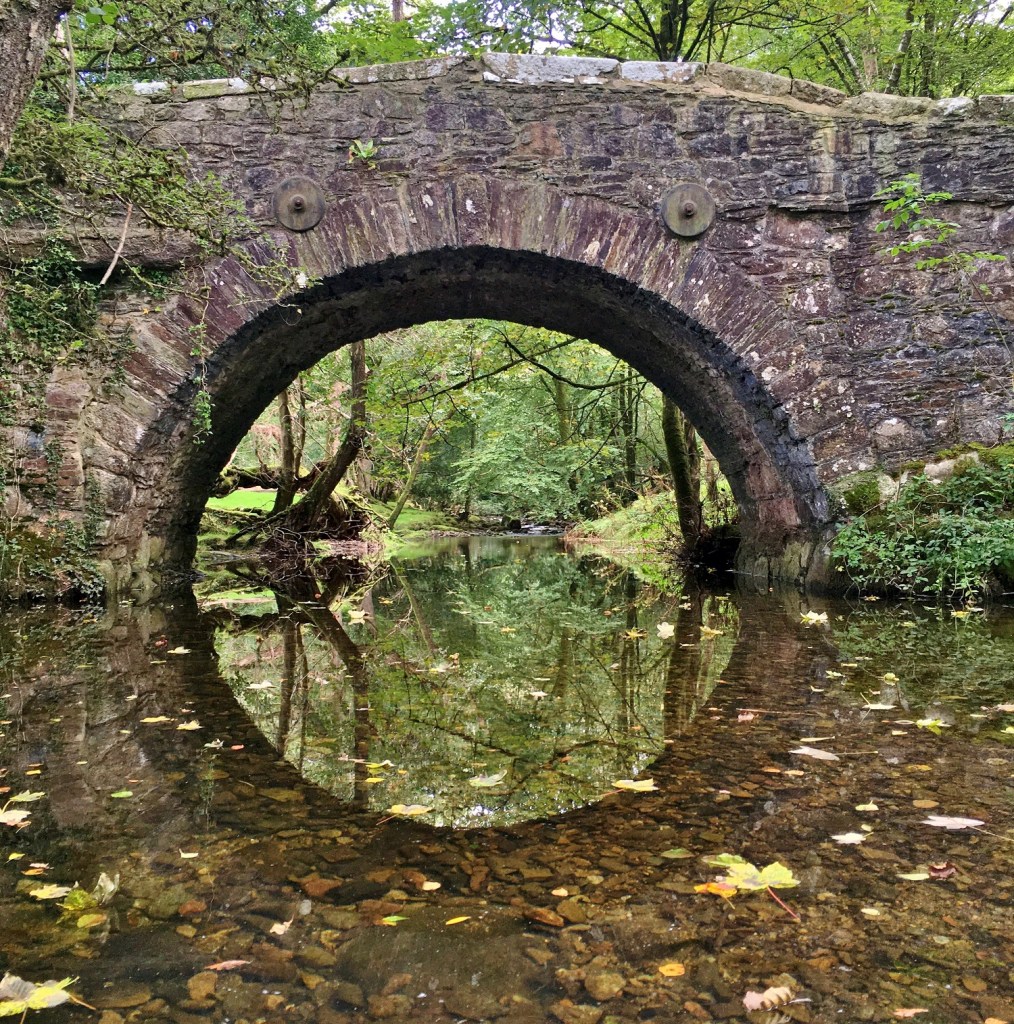
Blue Winged Olives were everywhere and midges filled the gap between the water surface and the overhanging branches. Yellow Wagtails flew along the river, occasionally stopping on a rock to wag. The water had a slightly cloudy tint but the gravel and bedrock were clearly visible even in the deepest pools. I started in the pool immediately below the bridge, the cutwater midstream split the river which reformed in a wide pool with a back eddy. A fish saw my nymph but shied away, very odd.

I fished each pool, working downstream from the bridge, keeping close to the waters edge. I had three fish, all on a GRHE nymph. I saw two fish come to the nymph and shy away, never to return. Surely they cannot be educated, that stretch of the river is very lightly fished.

I reached the rock wall and attempted to cross the river. The water was deep and fast, the boulders slippery. It was too dangerous. I looked back along the bank but the sheer rock face stretched way back and I decided to call it a day. It had been a great day, the polar opposite of yesterday evening on the Tavy.

25 June – River Walkham, Dartmoor

I was excited about the fishing but nervous about the walk. My last trip to the Beat had left me dehydrated, exhausted and barely fit to drive home. I travelled light and took a packet of Jelly Babies and a can of Red Bull to give me energy.

It was a long walk to the start of the Beat. It took over an hour, north over broken ground, up the slope of Little Mis Tor and then west along the boundary wall, before I could sit on a rock and have lunch.

The first pool was exactly as I remembered. Coch-Y-Bonddu beetles covered the ferns and the tiny white flowers. I had never seen these beetles before and I didn’t have a Black and Peacock Spider in any of my boxes ! I flicked a Black Gnat into the pool and gradually extended the cast until the fly fell into the fast water. I was surprised by the rise and much too slow to react.

I worked my way upstream and saw lots of trout. Unfortunately, most of the fish saw me first. I had several splashy takes, all of which I missed. The cool north-west wind blew downstream and made it difficult to present the fly. I crept nearer the pools and shortened my cast.

The moor was green but quite dry, even the boggy bits were easily crossed. I found a deep pool behind an enormous boulder which demanded a weighted nymph. On the first cast the leader twitched but, once again, I was too slow.

I was conscious of the walk back and didn’t want to fish until I was tired. It was a long climb up the north side of Great Mis Tor, over the granite clitter, contouring around the peak towards Little Mis Tor.

Two and a half hours walking for an hour fishing, was it worth it ? Yes, of course. It’s not something I will do very often but I will return at least once a year.

Three days fishing on three completely different rivers. I need to learn the secrets of the Tavy, fish the middle reaches of the Plym and tie some Coch-Y-Bonddu beetle imitations for next season.