2022 Plans

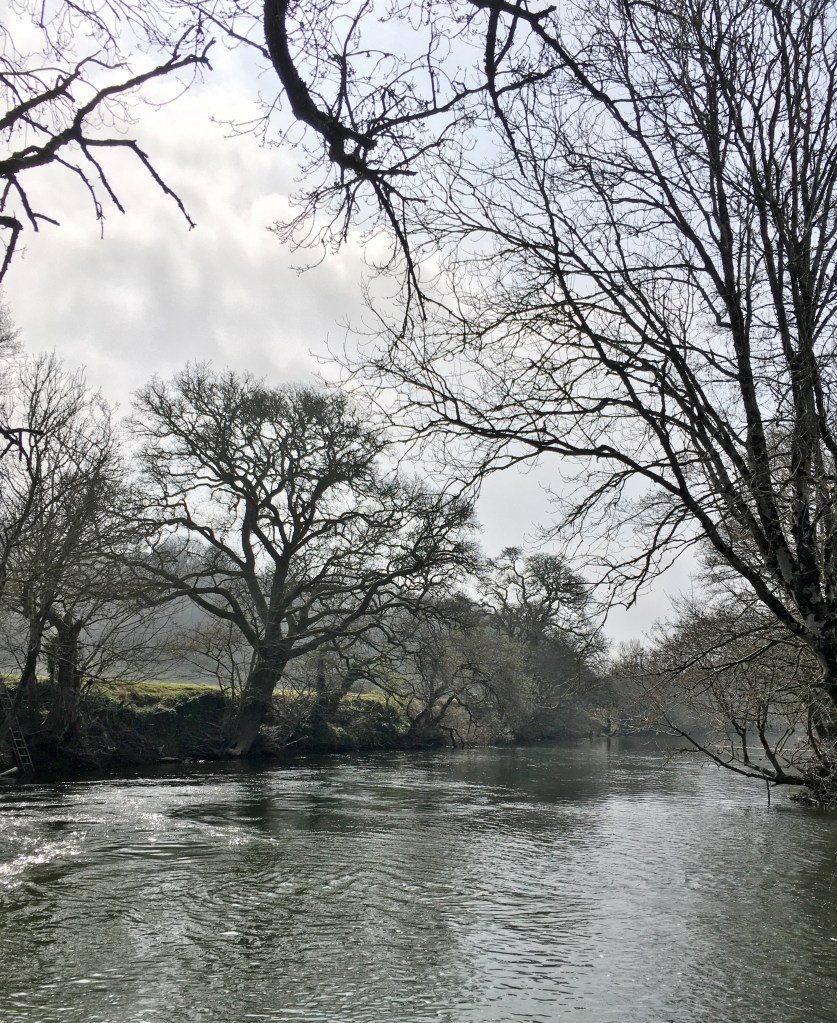
Last season was a bit of a shambles so I popped into town to buy a year planner, one of those office size things. Sold out, it’s only February ! I must organize my time equally between Sussex and Devon. Mayfly time on the River Rother is not to be missed and Elgar Day, 15 June, must be celebrated. Four boys are keen to catch carp during the summer holidays. It all needs careful planning.

River Plym

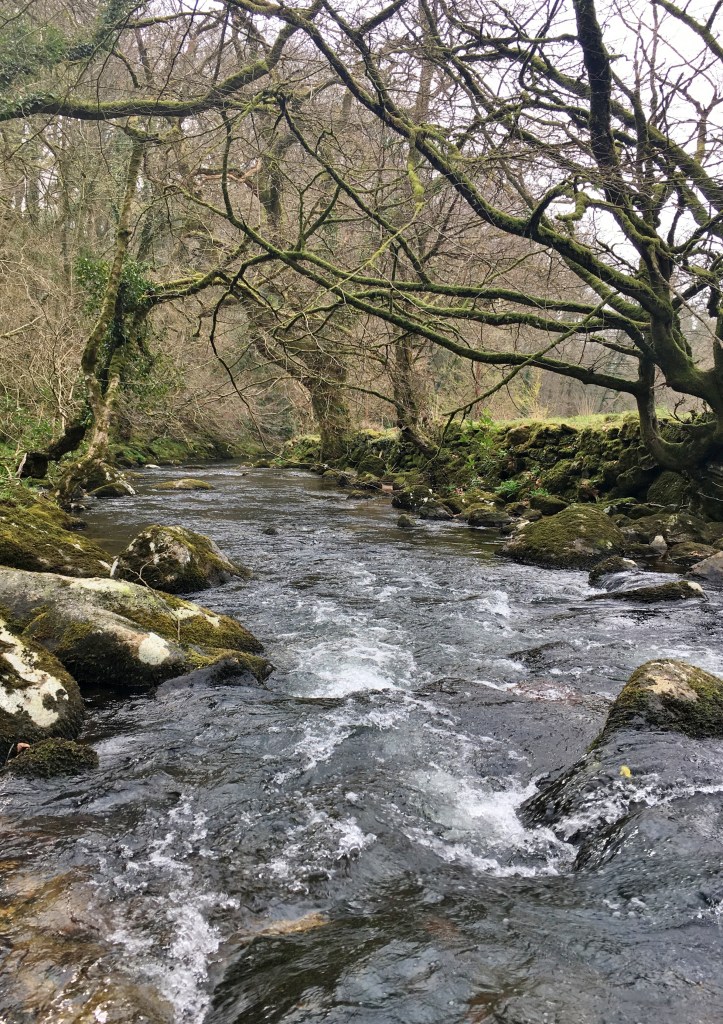
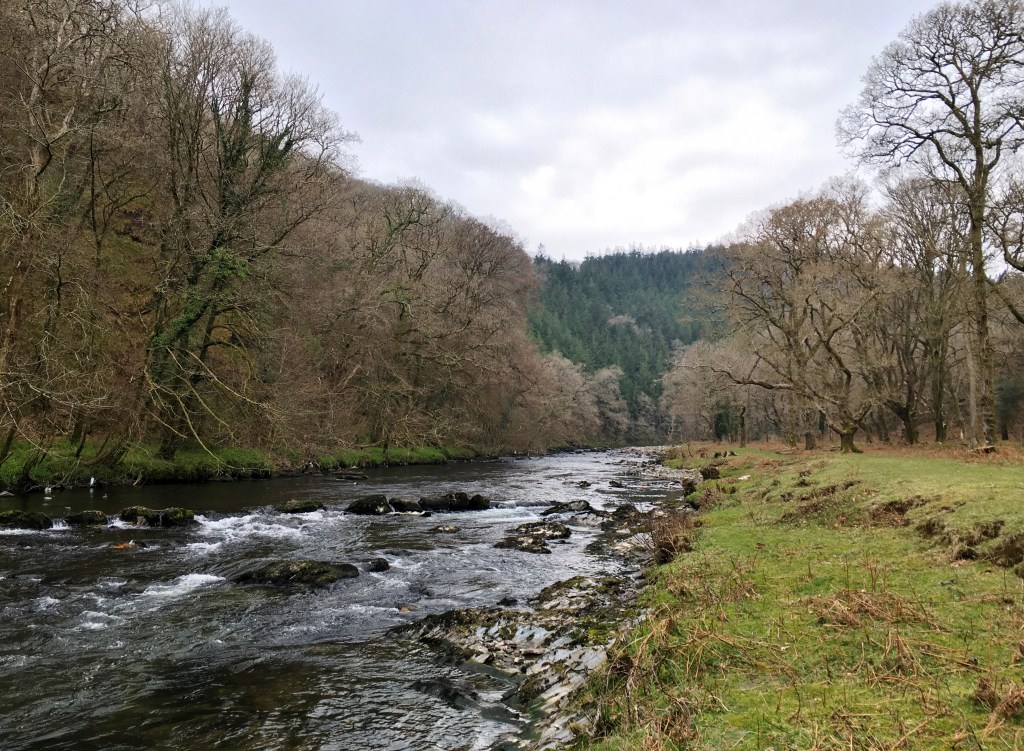
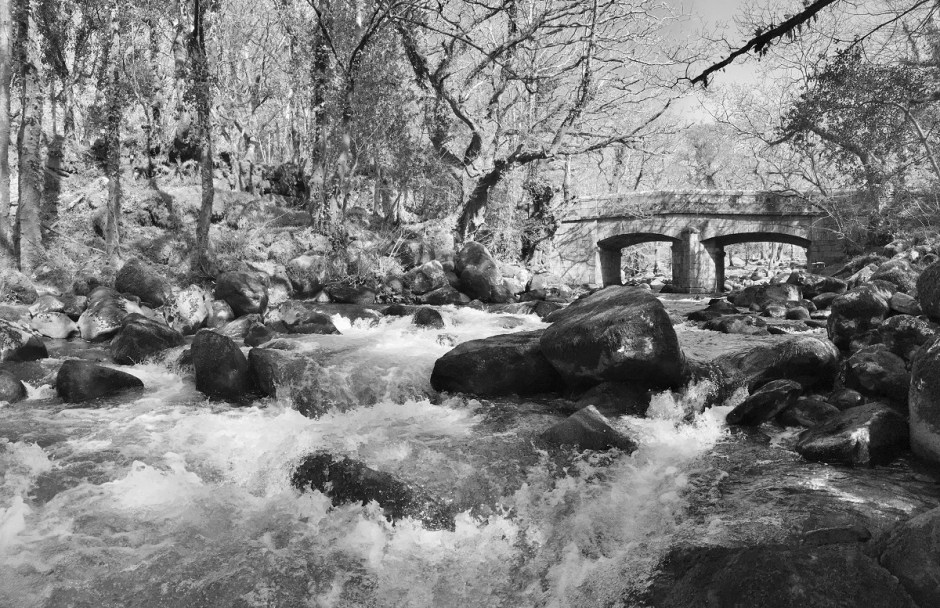
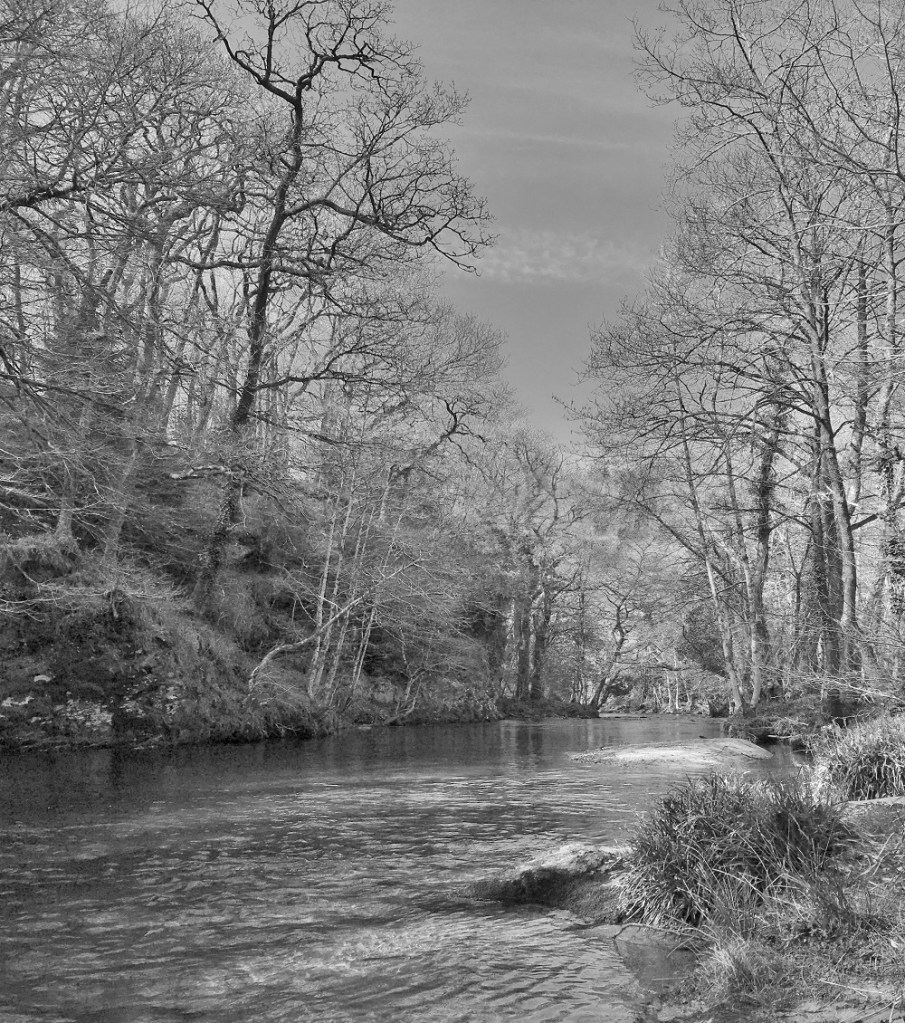
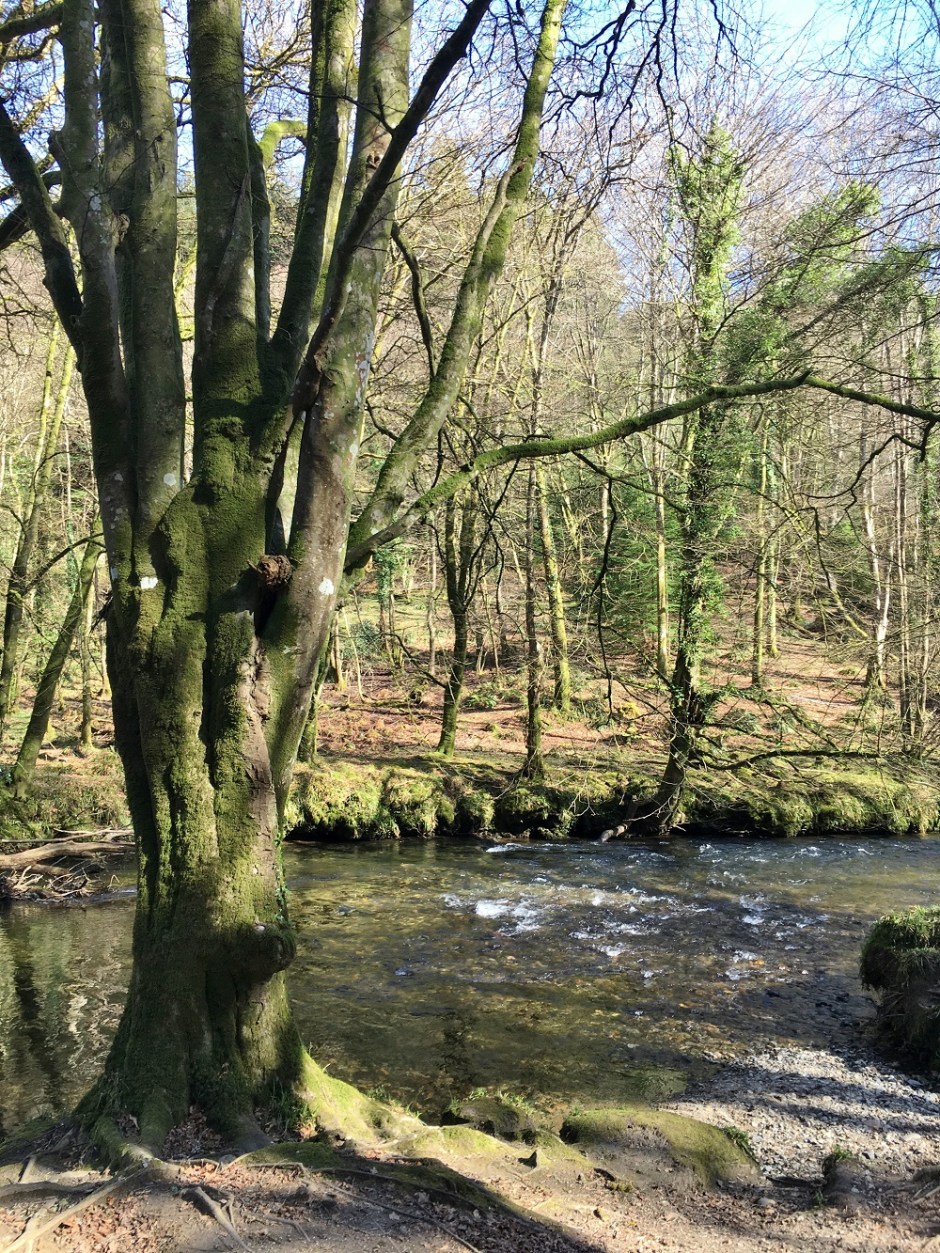
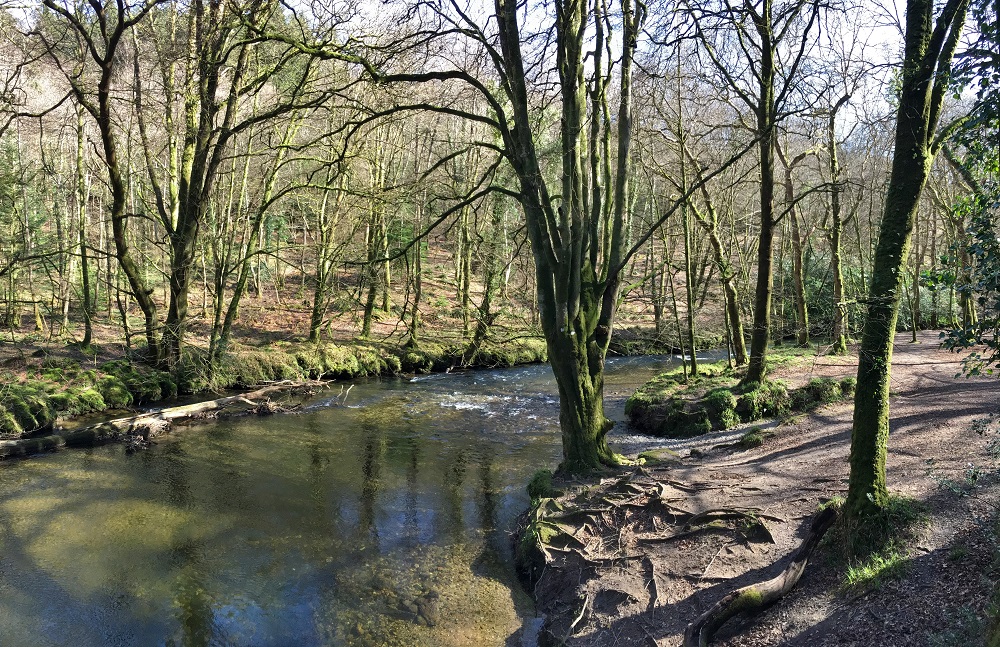
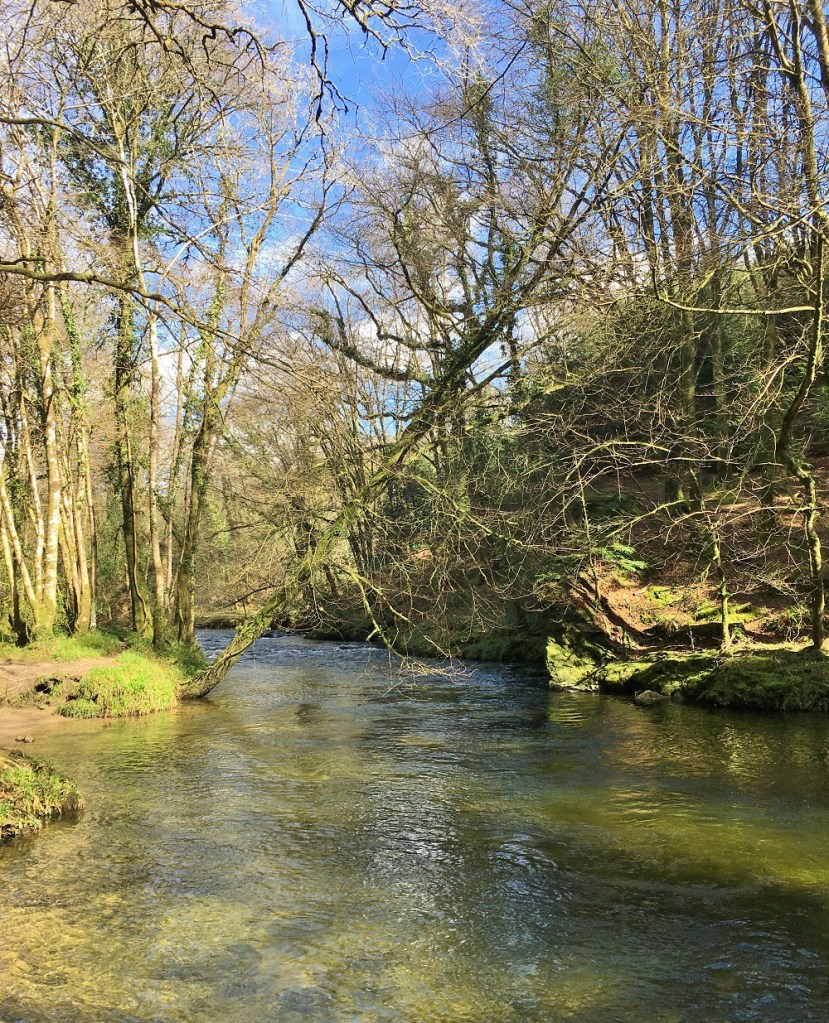
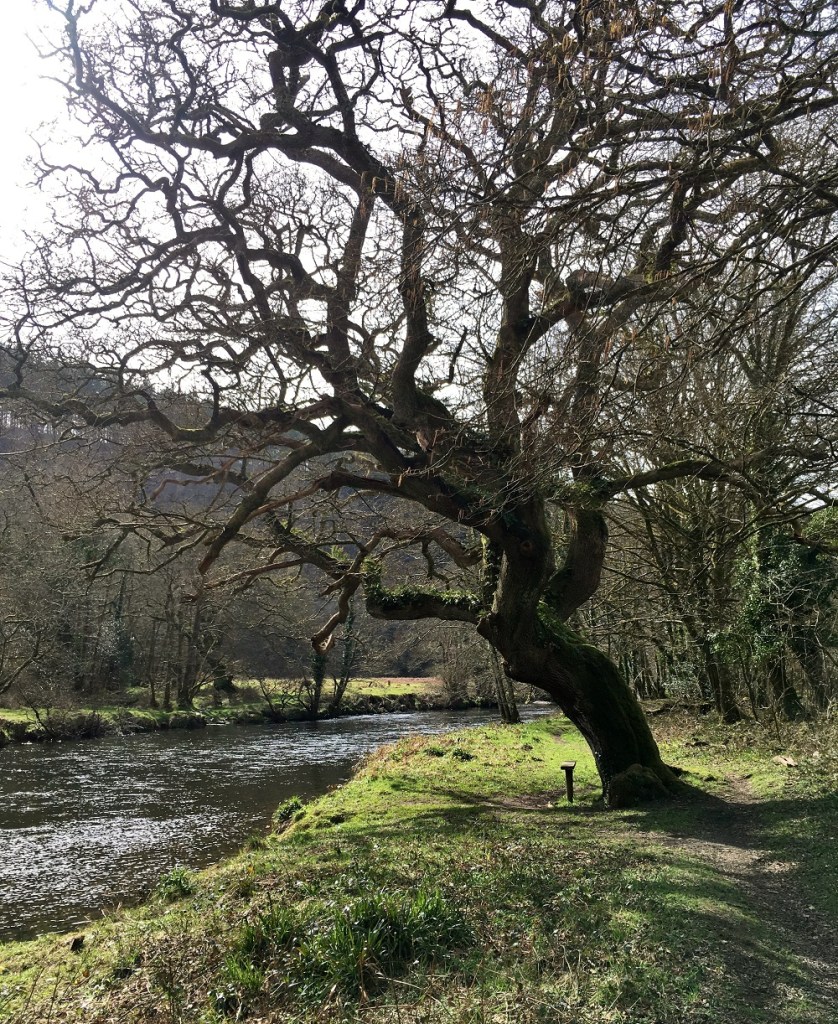
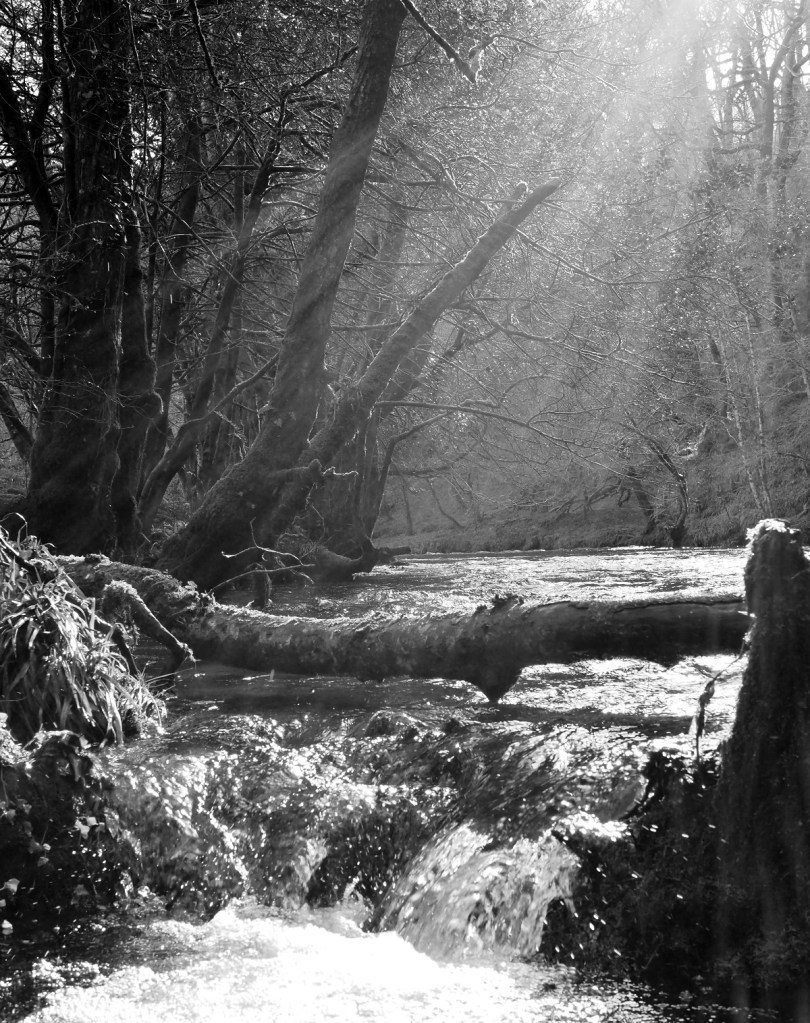
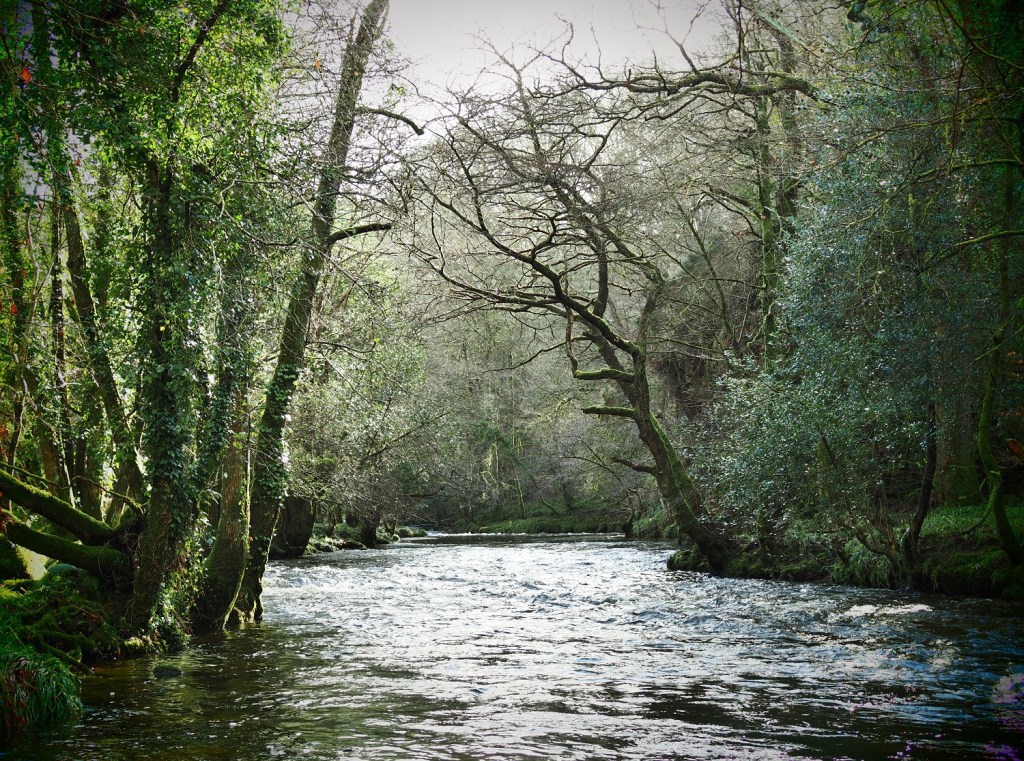
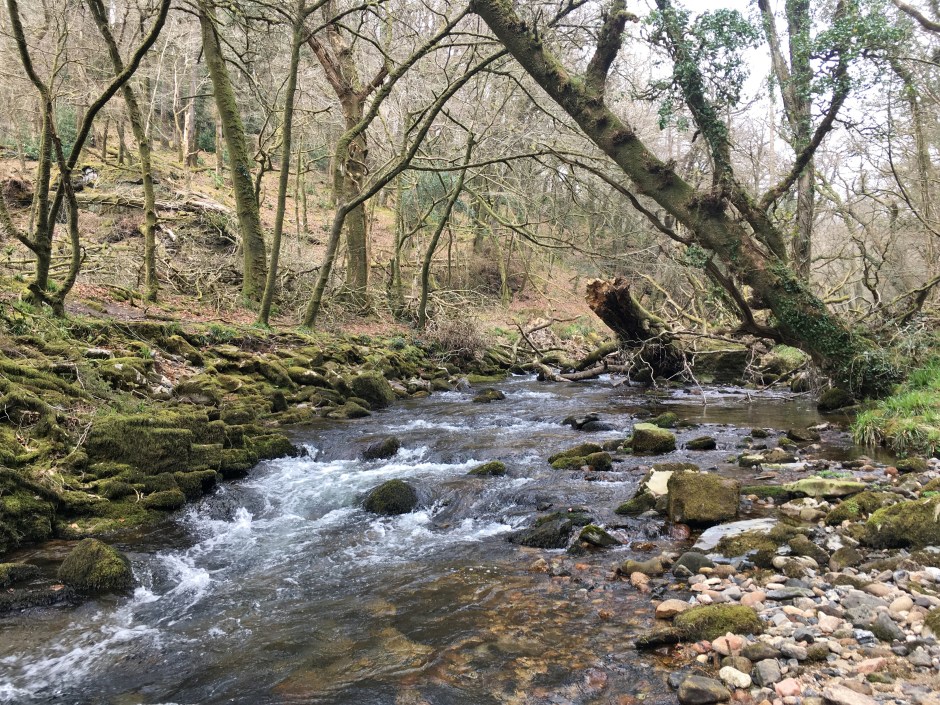
A couple of days ago I explored my favourite stretch of river to see what changes the winter spates had made. A large tree bough completely blocked the span of the road bridge and the riverside plants had all been flattened, tracing the swirls of the excess water. The bracken had died back revealing plastic rubbish thrown into the woods by passing walkers and cyclists. Garbage clung to the lower branches of riverside trees, left by the receding flood water. The tree roots had collected washed out fence posts, wire and plastic bags. Two major storms are forecast for this week and most of the rubbish will continue its journey downstream to Plymouth Sound. Next week I’ll go back with a bin liner and finish the job.

River Plym

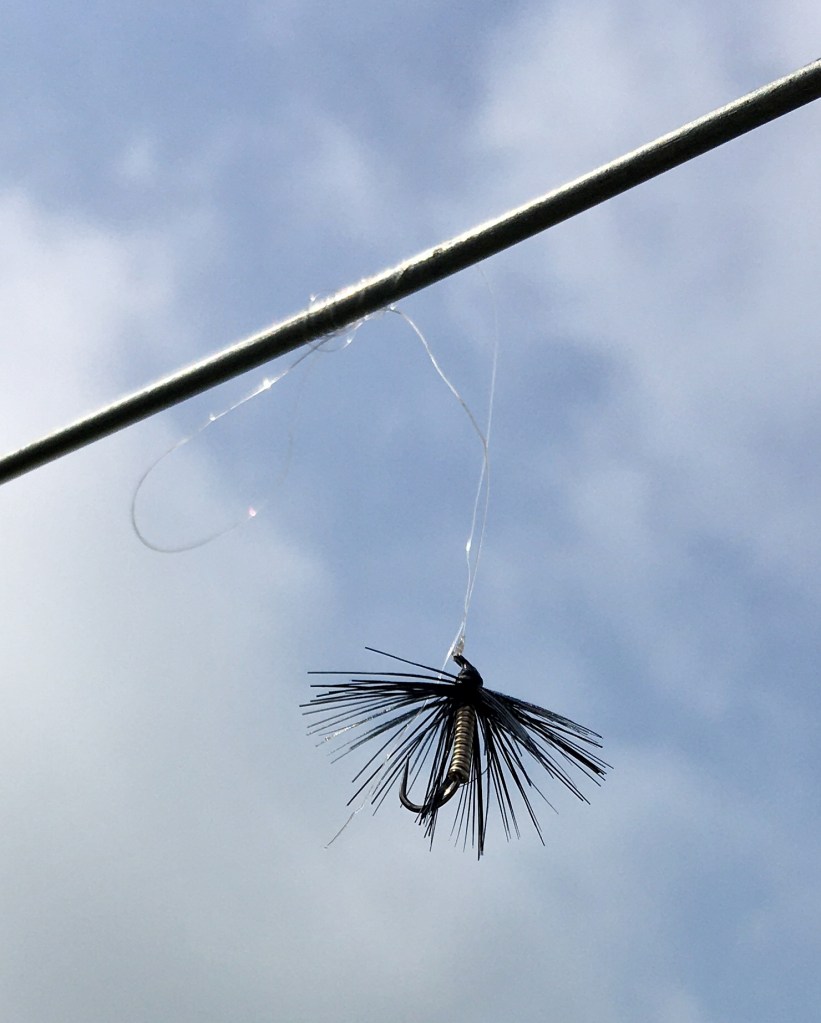
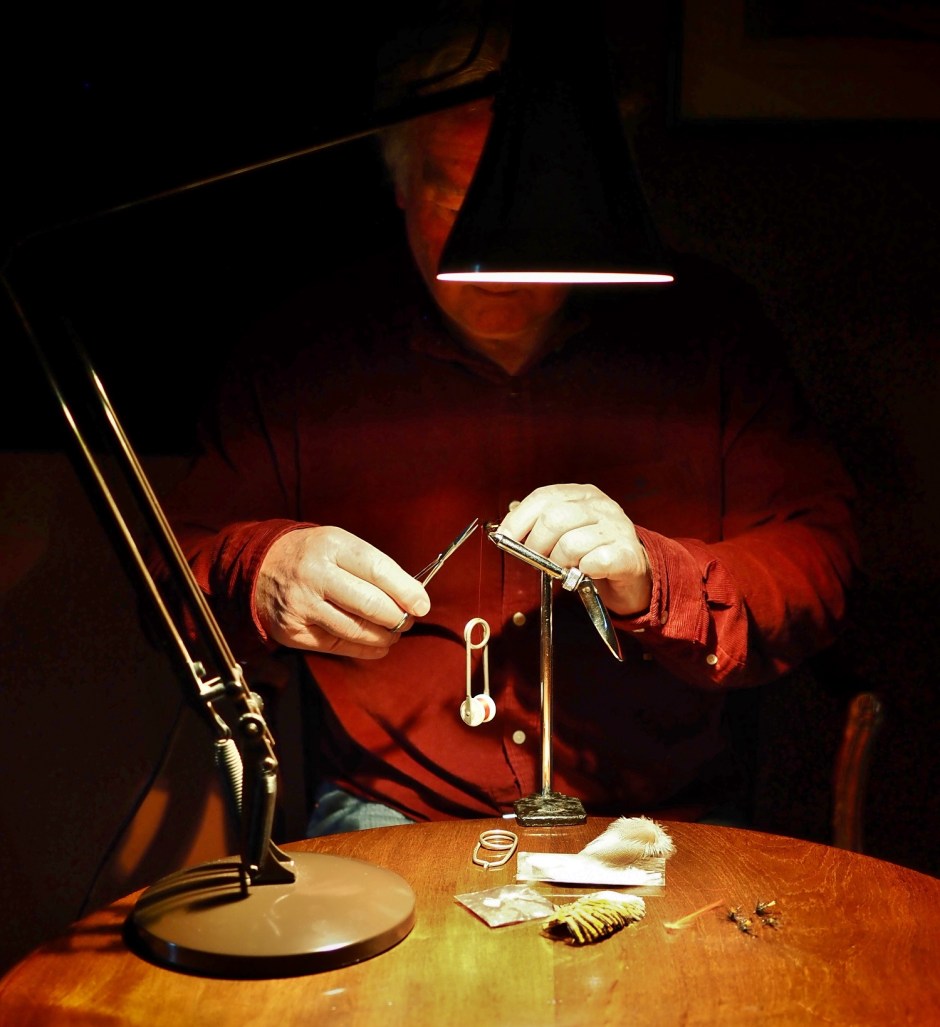
I have tied a few flies but I found it difficult to maintain concentration. In a few weeks the fast approaching season will motivate me.

This year I plan to explore Devon and Cornwall’s reservoirs. The scenery is spectacular and the fish are not suicidal. I feel confident when visiting the moorland rivers but I am always aware that there is a lot to learn.

Water level dropping

It’s been a mild and dry January but the February rain has saturated Dartmoor. The weather is so mild that autumn is drifting slowly into spring.

I have no specific fishing goals this season, catching lots of fish or big fish no longer interests me. I will be content at the end of the season if I have enjoyed myself.

Sussex Season End

The rain in Devon is welcomed. The moorland spate rivers rise quickly which  encourages the Salmon and Sea Trout to run. The bedrock has been sand blasted clean and the floodwater remains clear. Not so in Sussex. The heavy rain washes the sandy top soil off the fields and the slow rising lowland rivers deposit the sediment across the inundated water meadows. The water level drops slowly and the Trout go off the feed as the fine silt clogs their gills.

I had returned to Sussex for the last two weeks of the river season. The rain followed me. The North river at Billingshurst had topped the river banks and covered the fields, it would be a long time before the muddy water subsided. I drove to the lakes at Stag Park and had a cup of tea while wandering around in the autumn sunshine. The cold north wind chilled the tea, ruffled the surface of the lakes and ushered me back to the warmth of the car.

The Rother at Coultershaw Bridge was a raging torrent, the pool looked like the wash from an enormous outboard motor. The flood water extended from the embankment of the old railway line across the fields to the road. The tops of the fence posts marked the river’s normal course but although the thunder of the water in the Fish Pass summoned me, it was far too dangerous to risk wading across the field. It would be many days before the river became fishable, well past the end of the season.

Little Bognor had that Autumn magic. A carpet of sweet chestnuts, twigs and assorted leaves covered the track. The lakes were calm, sheltered from the wind by the tall Beech trees. A few fish were rising for buzzers on the bottom lake and another member cast at continually rising fish on the top lake. The slow, deliberate head-and-tail rise was typical of trout feeding on emerging buzzers.

I started on the lower lake under the Beech trees with my favourite black Neoprene Buzzer and was confident that I would soon get a take. Minutes ticked by, my leader drifted past unmolested and my confidence ebbed. A Red Buzzer also failed to deliver. I wandered up to the top lake and stalked margin feeding fish but as usual, after a few casts they disappeared. Very spooky fish.

I hid behind a clump of ferns in the corner of the bottom lake near the stone quarry.  Fish were feeding under the Chestnut trees, occasionally venturing out into open water. The fish seemed to tolerate the falling chestnuts but not my buzzer. I swapped to a drowned dry fly which I thought imitated an emerging buzzer and eventually, a golden jaw appeared, rising vertically but then sheering away. Tippet shy. The light was going and I was cold, time for wine.

It had been a frustrating season in Sussex. The weather was extreme, global warming is going to make life difficult during this decade.

10 October – Devon Season Ends

The brown trout season on the Devon rivers had ended. The recent rain had freshened the water and I thought a leisurely walk on the moor might do the same for me. Without a rod. Hundreds of elderly Lycramaniacs wobbled along the roads participating in a Dartmoor charity cycle ride. I changed direction and headed for the privacy of the Tavy valley.

River Walkham

The River Tavy was surprisingly clear. The algae had been sand blasted off the stones by the recent spates and had washed downstream into Plymouth Sound. The cloudless blue sky failed to filter the intense sunlight and the deepest pools were brightly illuminated, I could see every rock and crevice. I stood watching a pool while replaying casts I had made earlier in the season. I had imagined a deep run along the far bank but instead there was a shingle bank, I had been overcasting the best lies.

River Walkham above Double Waters

I wandered along the river keeping close to the waters edge, making a note of the rock ledges, deep holes and slacks. The fast flowing water exaggerated the river’s features. The sand and gravel would shift around during the winter spates but the bedrock would not.

Secret Path

There were hundreds of Blue Winged Olives hatching but no fish rising. A kingfisher zoomed past about twenty feet above the river, unusually high. Grey wagtails rock-hopped along the far bank beneath the overhanging branches. I stood on the top of a heap of mine waste, poisoned with arsenic and devoid of any plant life. Looking down into the deep run I could see brown and amber leaves being thrown around like the contents of a child’s snow dome. Guaranteed to foul a salmon anglers fly or lure on every cast.

River Walkham

It was good to be beside the cool clear river on a quiet autumn afternoon. The season on the West Sussex Rother closes at the end of October, I have a few days left.

22 September – Meavy

The Devon Brown Trout season ends on 30 September and I wanted to fish as much as possible before the boredom of the closed season set in. I examined the OS map, covered in highlighter pen and notes. I had visited the Beats on the River Meavy but never with a rod. I had also walked around Burrator Reservoir but had never fished there. Madness. I would explore the river and reservoir with a rod.

The river rises at Meavy Head near Princetown, runs past Walkhampton Common, under Black Tor and into the northern end of Burrator Reservoir. It spills over the dam and runs south to join the River Plym at Shaugh Bridge.

The Defender rattled around the narrow lanes, over Norsworthy Bridge and weaved through the hordes of Lycramaniacs, runners and dog walkers. It eventually lurched to a halt on a grass verge under Peek Hill, a favourite place to watch the sunset. I wandered through the woods and onto the sandy beach. The landscape reminded me of Bassenthwaite and Skiddaw on a much smaller scale and without the snow. Along the northern shore ran the old wall of the reservoir, submerged in the late 1920s when the reservoir was enlarged. The drop-off was just visible under the water and I decided to fish there in the evening when everyone had gone home.

My next stop was the ford near the village of Meavy. I wandered down the true right bank with my rod, flicking the nymph into the deepest parts of the river. They were not deep enough.

I drove downstream, trying to find the Beat between Clearbrook and Shaugh Bridge but gave up, confused by a lack of road signs and a profusion of warnings about trespassing and guard dogs. I returned to the cottage for lunch and to buy a permit, there’s no mobile signal at Burrator.

I returned to Burrator filled with confidence, conditions were perfect and most of the visitors had gone. A couple of fish rose while I was setting up my rod and I had a catch-and-release ticket, the scene was set for a productive evening. A south westerly breeze ran parallel to the bank and was just enough to put a slight bow in the fly line. I cast a weighted GRHE nymph as far as I could and wiggled out a few yards of line to lay under the rod tip. The breeze stretched the line into a beautiful curve and I allowed the fly to drift across the bay on my left, ending the drift with a retrieve along the submerged wall. Perfect Arthur Cove style nymphing. My heart missed a beat when I snagged the rock wall. I persevered but the fish had not read Arthur’s book, ‘My Way With Trout‘.

As the sun dropped behind Yennadon Down the breeze died and I swapped to a lighter nymph, then a dry sedge. Trout rose but the flat calm made presentation difficult. Flocks of cormorants arrived and my confidence plummeted. I took a short detour on the way home to watch the sunset which is always uplifting.

15 September – New Water

It was time to explore a new stretch of the River Plym. On previous trips I had turned back mid-Beat, baulked by a sheer rock face, fallen trees and a lack of waders. I would travel light and cross the river to the true right bank when the path ended. I walked past the stretch I normally fish and looked for a crossing point. I needed both hands free to wade across the rocky pool and scramble up the steep bank opposite. I secured everything and took my time. It was good to reach firm ground without breaking anything or getting soaked.

I set up my rod and fished the long pool alongside the rock face. I had a gentle take but I wasn’t paying attention, the scenery was a big distraction.

The woodland and river were pristine, no litter or other signs of human activity. It was a bit spooky. Silent, soft moss and damp leaves underfoot. The trees were starting to shed leaves but not to the extent that it interfered with the passage of my nymph down the pools.

The tree tunnel didn’t hamper my casting and a combination of roll casts and short overhead casts enabled me to confidently search the runs along the far bank, the deep pots and crevices. I had another rattle on the rod tip and missed that as well. The trip was turning into a riverside photo session, I stopped every few paces to admire the scenery, fishing took a back seat.

The light changed every few seconds, highlighting the leaves, the moss on the rocks and tree trunks. The rocks and trees provided lots of places to hide while casting.

After a couple of hours scrambling along the river bank, I was exhausted and turned back, not quite having reached the lower section of the Beat. I would have to explore the rest of the Beat next season.