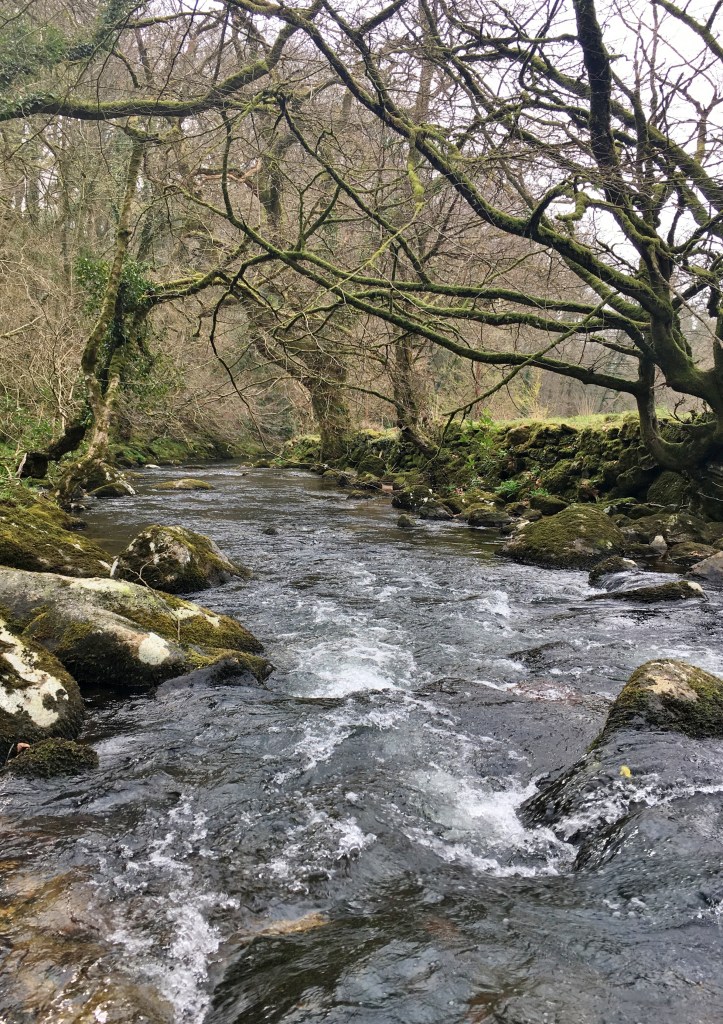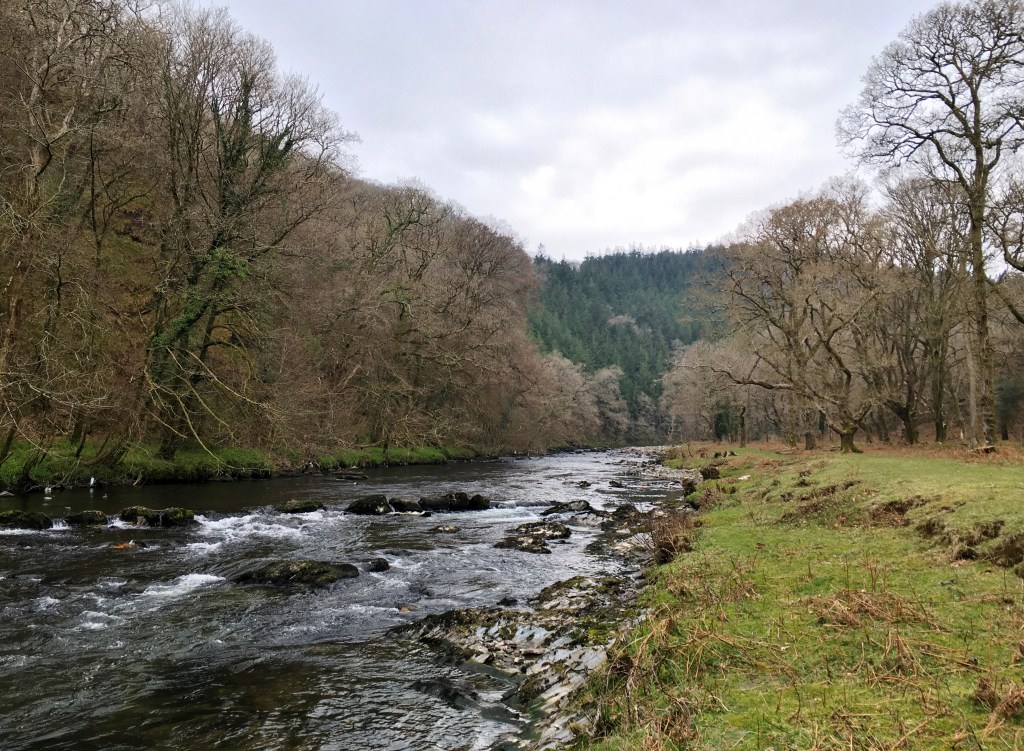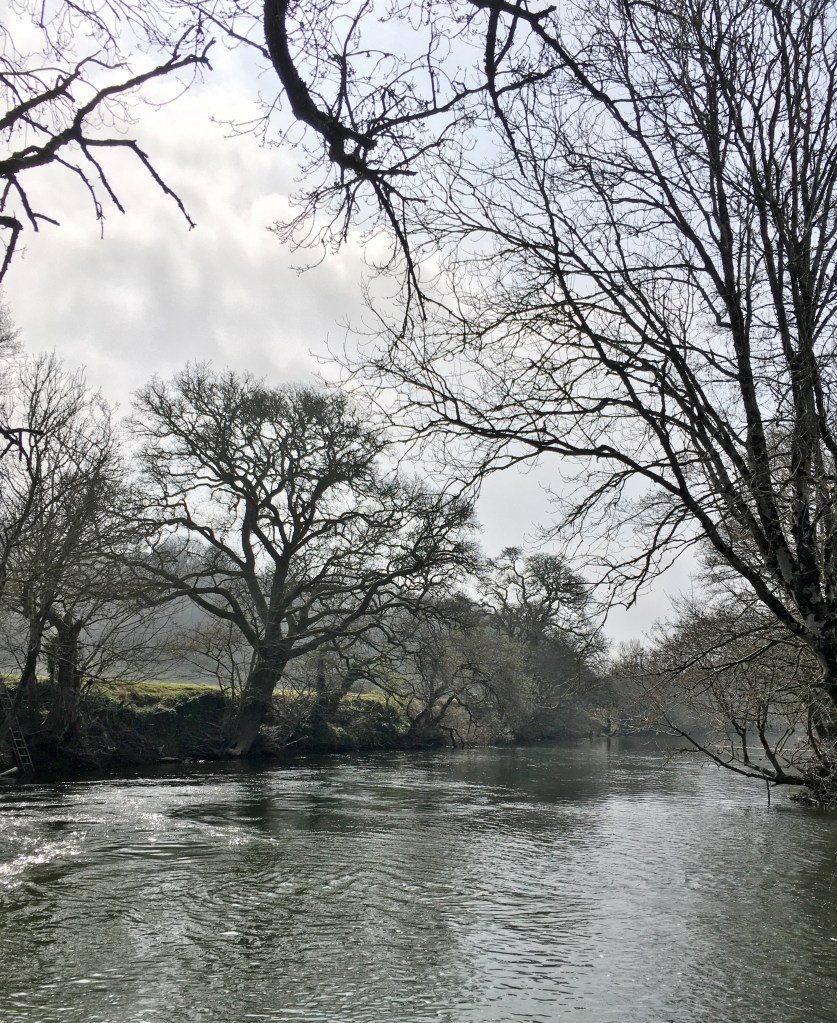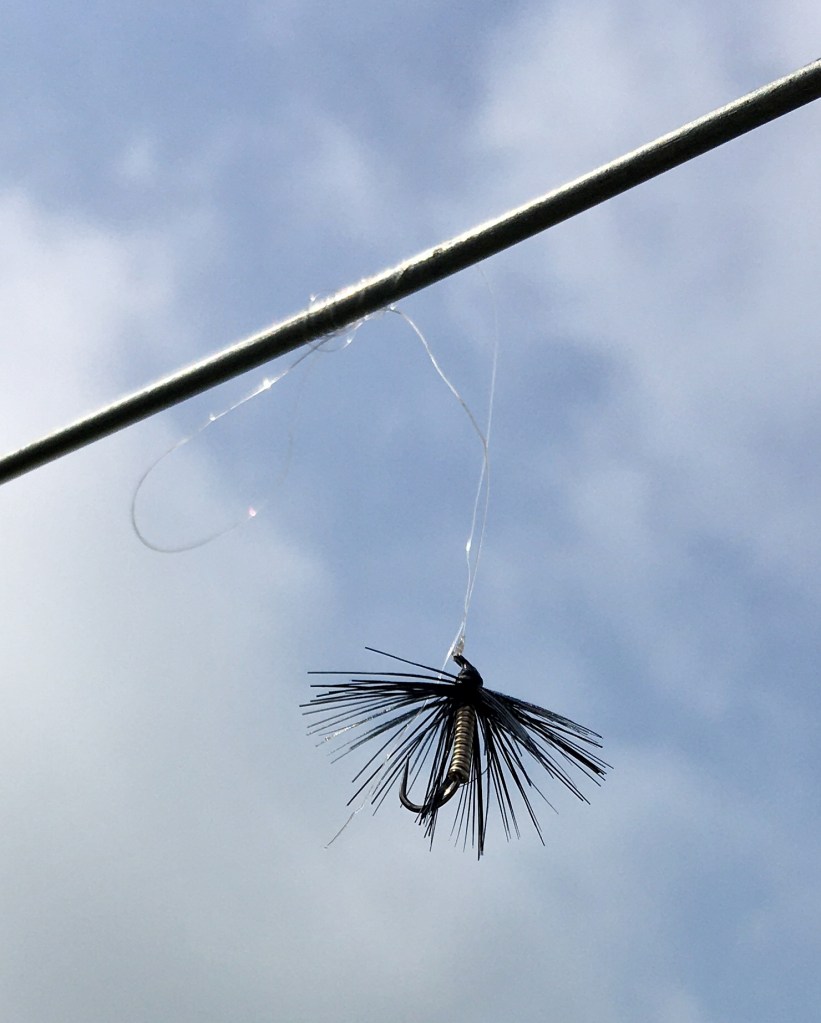
22 March – River Plym

Cottage chores or fishing? A Blue Winged Olive settled on the window frame, it was a sign from Isaak. A Merlin helicopter passed overhead on its way to 42 Commando HQ at Bickleigh, that was another sign; I should fish my favourite river, the Plym. The weather forecast was for cold, easterly winds but as I looked over the bridge parapet in the village, a gentle south-westerly was hardly enough to disturb a cloud of midges. How do they get the forecast so wrong ?

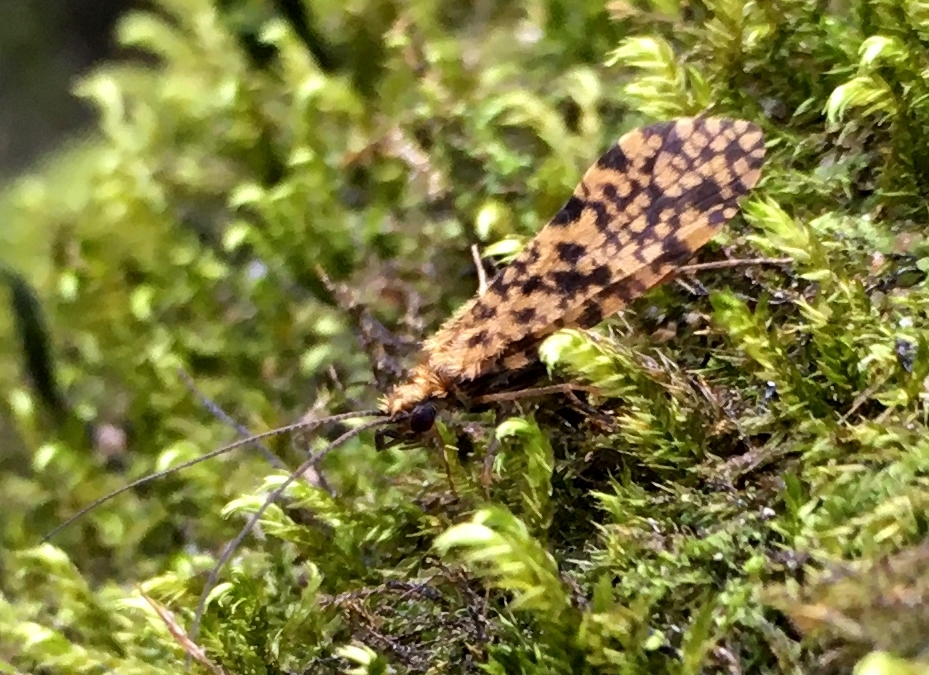
Yellow Spotted Sedge

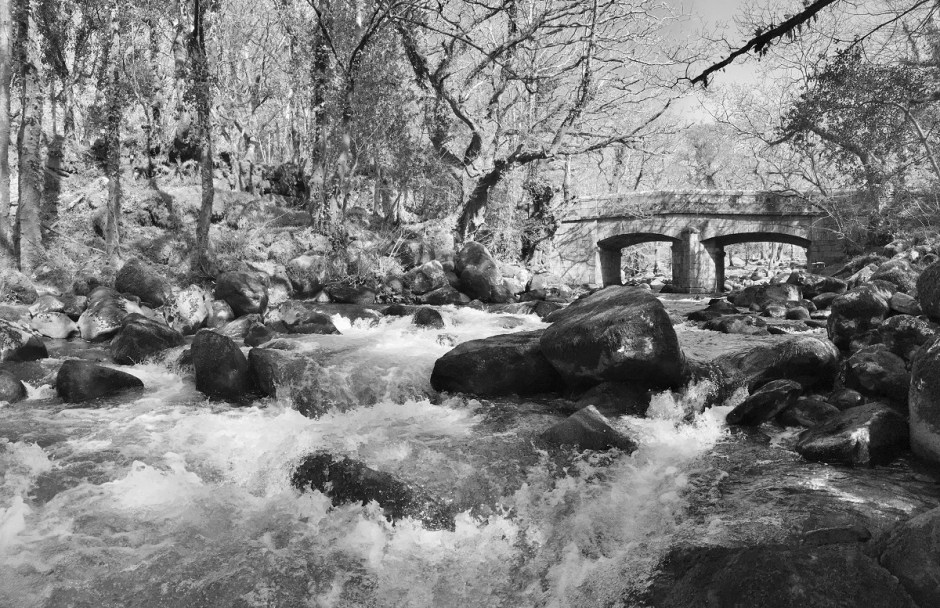
The gorse was on fire at three separate locations to the north of the main Plymouth road and traffic had been diverted across the moor causing traffic jams. I eventually arrived at the river and hopped over the barbed wire into the quiet, shady woodland. I started at the pool just below the bridge. Sedges were hatching everywhere and a dipper frantically worked the opposite side of the pool picking off the emerging nymphs. I flicked the weighted nymph under the bridge and worked the deep water between both arches but despite my confidence nothing rattled the rod tip.

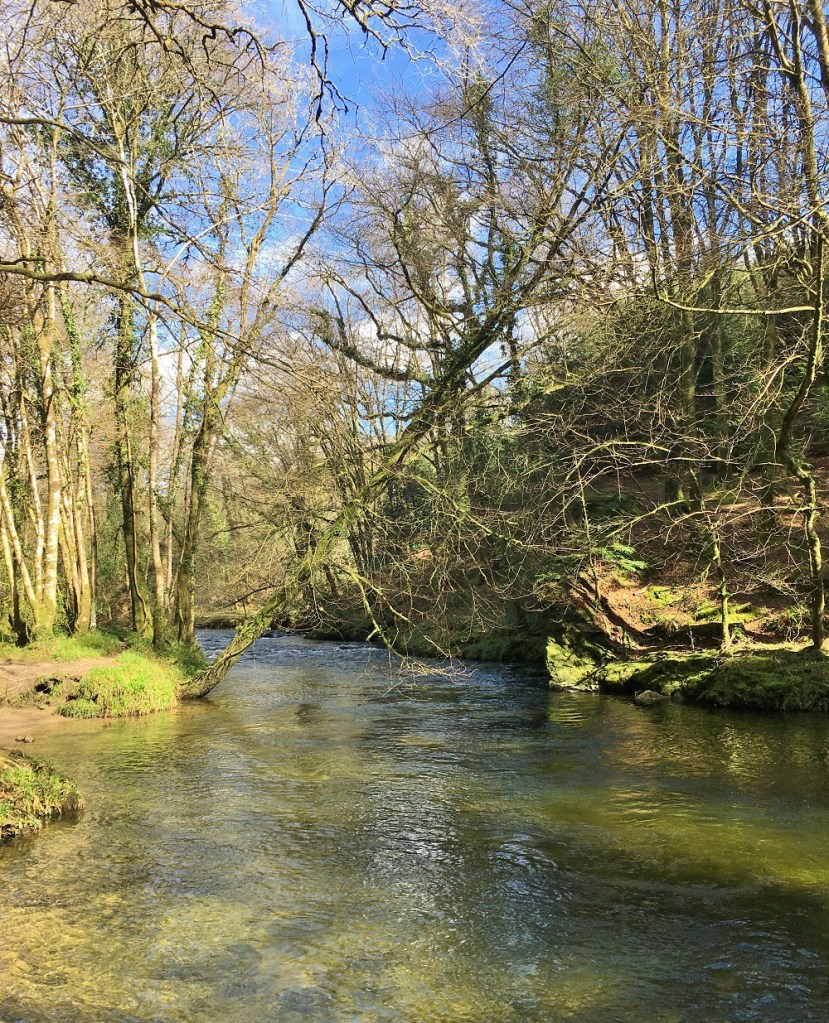
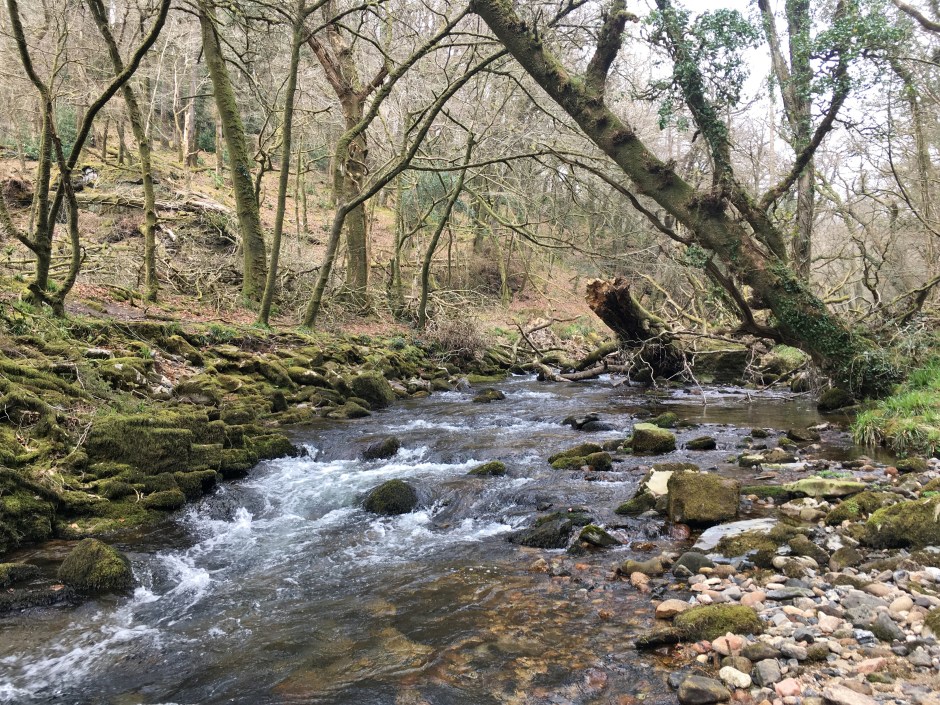
The river was crystal clear and flowing well. I crept along the waters edge, keeping low to avoid shadows. Each riffle and pool promised a fish but the fly remained unmolested. Just as I reached the most productive stretch four spaniels and a labrador crashed into the pool in pursuit of a tennis ball. Their owner looked a bit embarrassed and said that he would take the dogs further downstream. I left the river and drove to the bottom of the Beat.

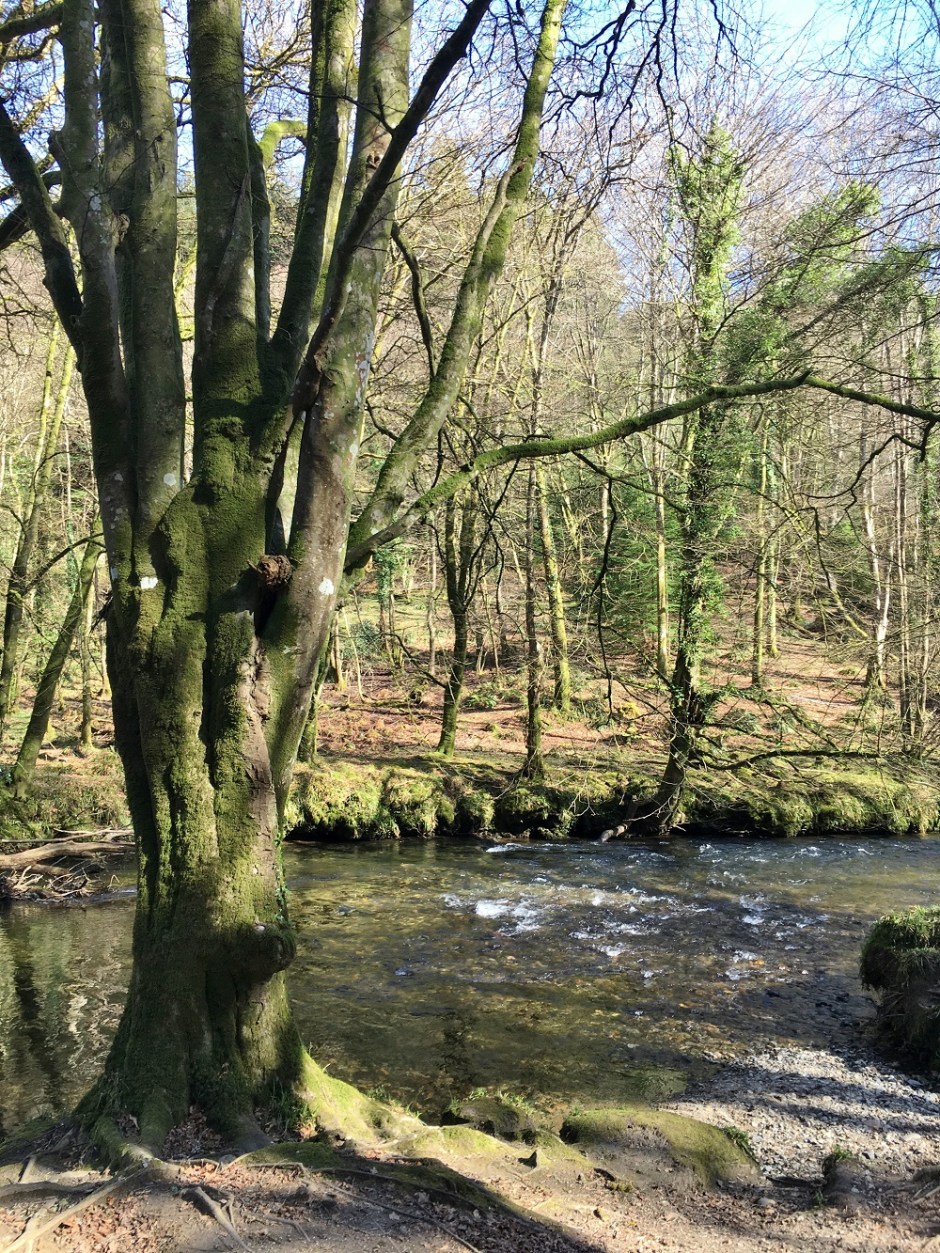
Although I had removed three bin liners full of bottles and cans a few days earlier, Carlsberg cans dotted the emerging bluebell shoots like mushrooms and there were fresh embers in a fire pit. I cast upstream and worked the GRHE nymph down the channels in the bedrock. The best pool curved around a sheer rock face and I was relieved to have it to myself for thirty minutes. The sandy beach only had the footprints of deer, no humans or spaniels had been there.

No spaniels

I was slightly disappointed not to catch a trout but the warm breeze and bright spring sunshine were reason enough to be beside the river, the season is young.

17 March – Plym Walk

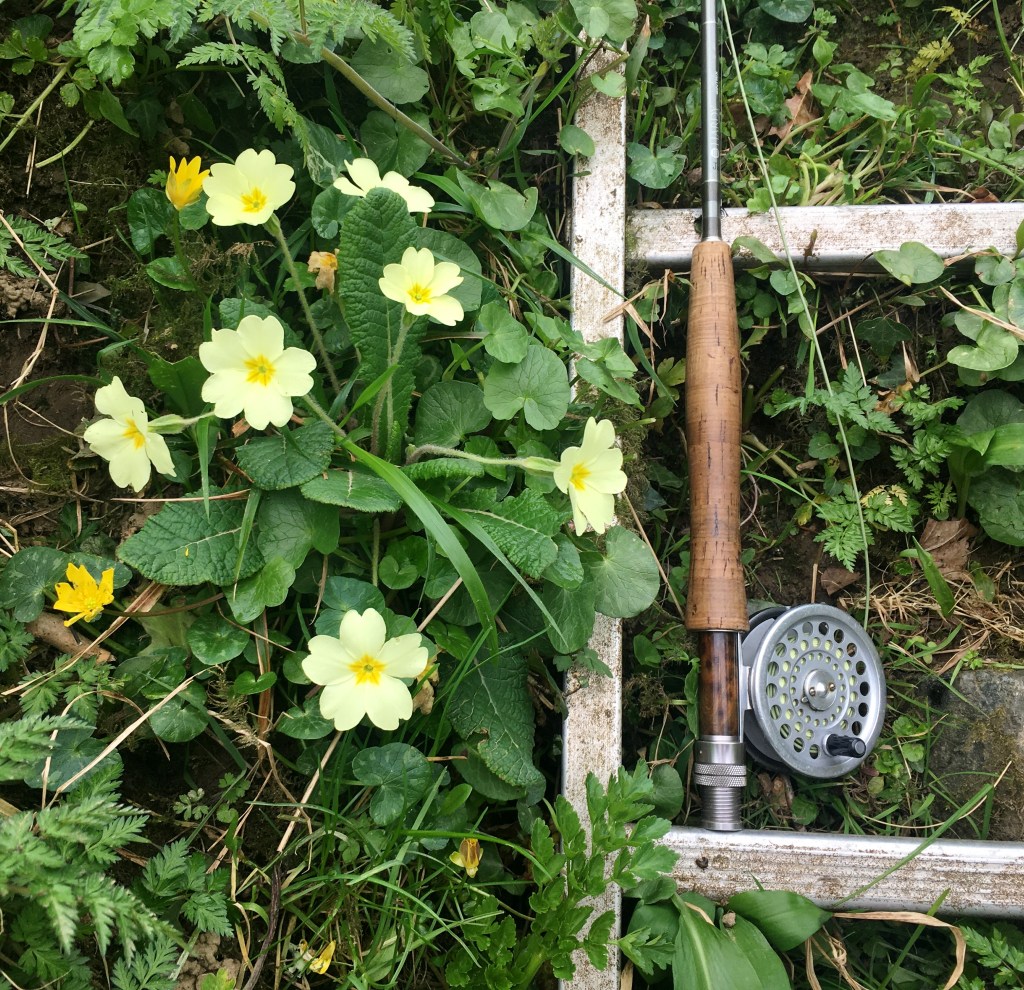
The beautiful spring morning demanded a walk beside the river. My access to the Beat a few days earlier had been prevented by unfriendly signs but careful examination of the map revealed an alternative path. I wanted to explore the river but it wouldn’t do any harm to take a rod along for the walk, much like a dog except it wouldn’t chase pheasants.

River Plym

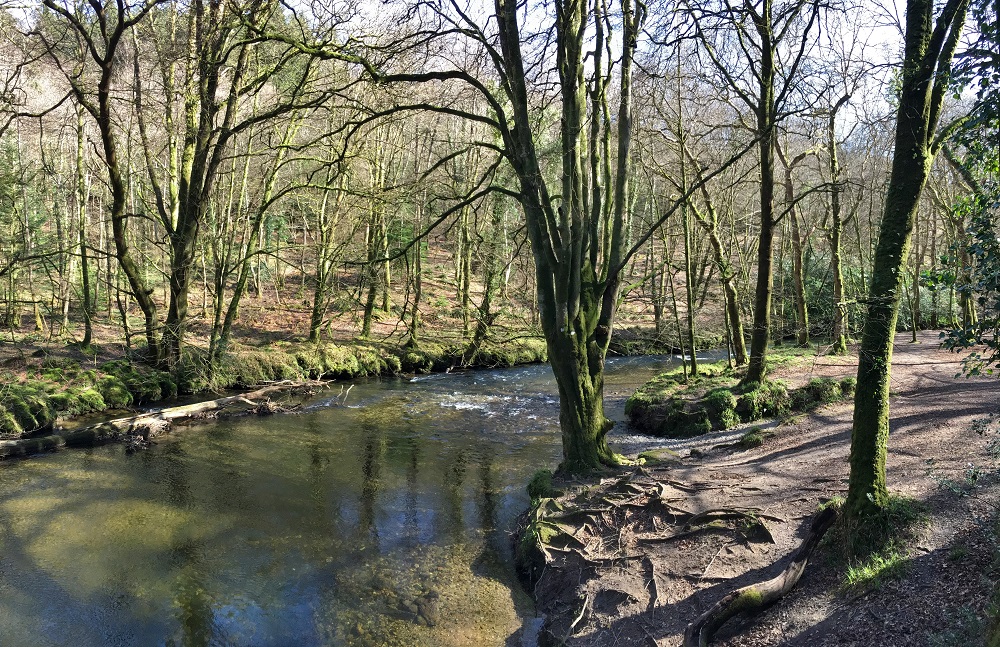
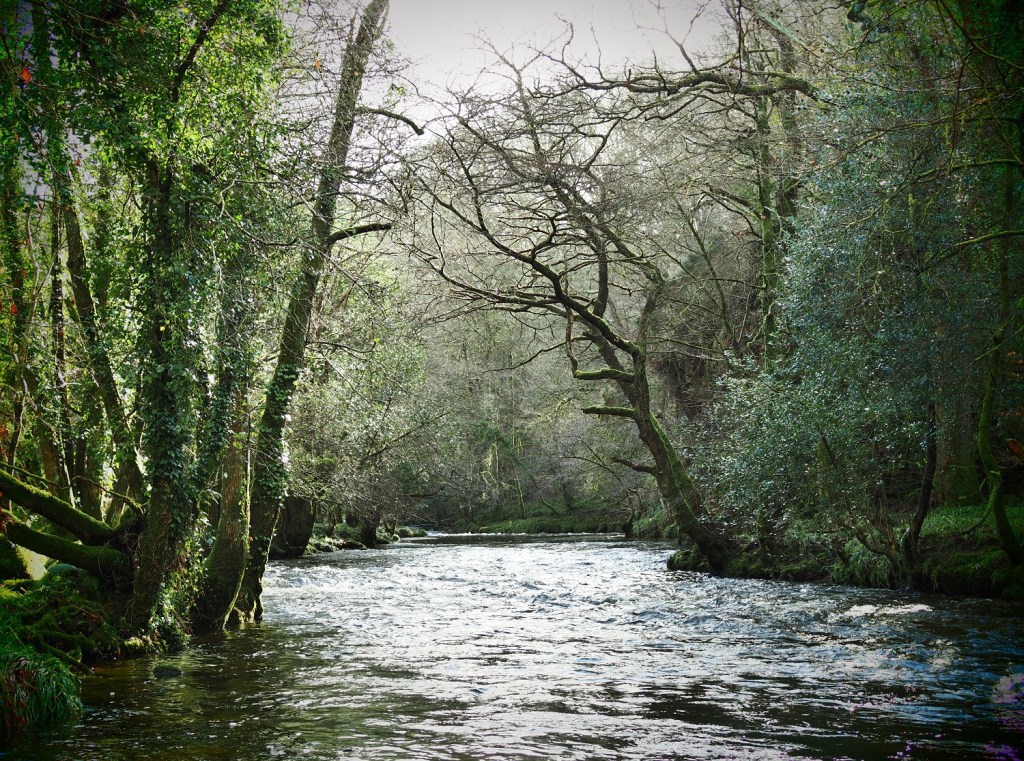
The walk started badly. In my haste to reach the river bank a hundred feet below, I left the path and headed down through the woodland on the valley side. The steep slope became steeper and I lost my footing. I crashed through the trees and down onto the stone path having jettisoned my rod in mid tumble. I checked that my rod was unbroken before my arms and legs. Badly winded and bruised I thought about abandoning my expedition but the river beckoned. The first pool swept under my bank and would surely hold a trout.

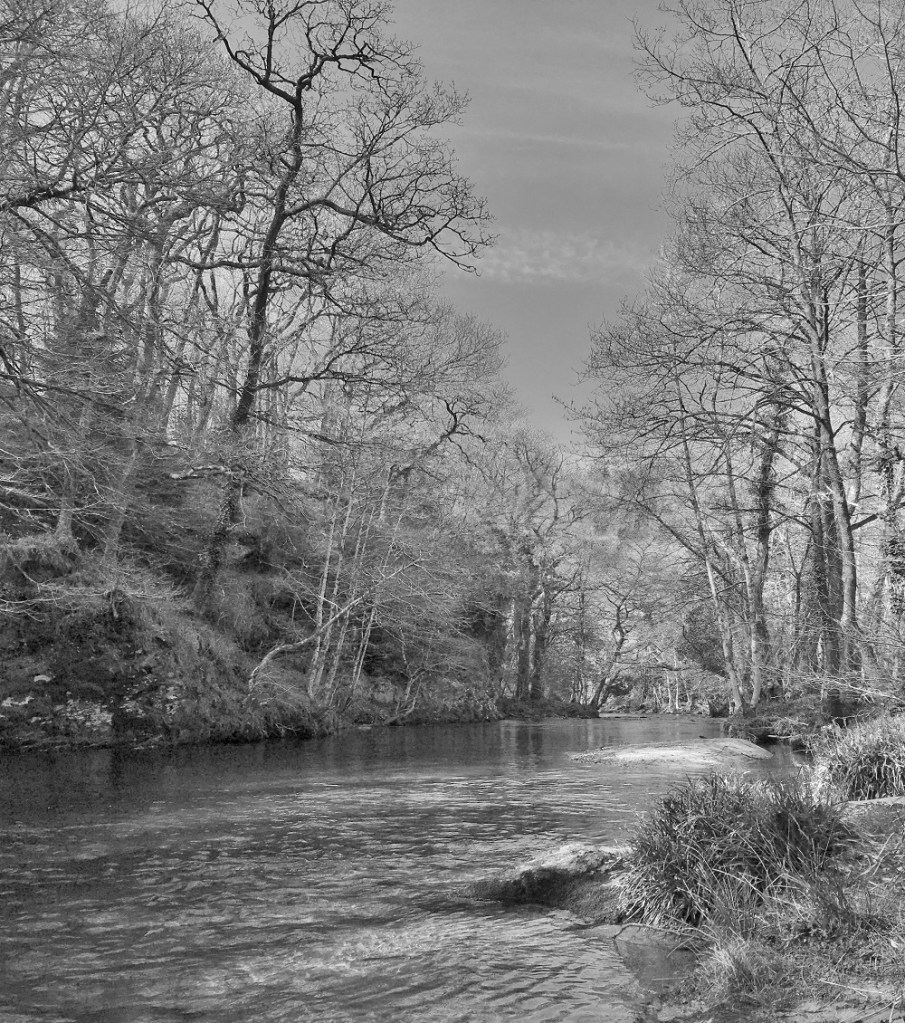
Crystal Clear

I fitted the Hardy together, threaded the line through the rings and tied on a GRHE nymph. My shaky start ensured that the line and fly became tangled in the trees several times before getting wet. A pull from a trout would have steadied my nerves but it wasn’t to be.

I walked for about a mile, fishing the deep pools, until the hot sun and my bruises told me to turn back. I’d walked about half the Beat. I’d escaped serious injury and resolved to stick to the path in future.

15 March – Opening Day

Tapered leaders had been glued, rods waggled and fly lines cleaned. I was ready for the start of the trout season in Devon. The myriad choice of rivers was confusing. I walked my favourite Beat on the River Plym yesterday. The water looked beautiful but the litter annoyed me. I collected three big bin liners full of beer cans and bottles from between the bridge and the first pool, it filled the Defender.

River Plym

I planned to fish a new Beat but unsure of the access, I was confronted with signs threatening dire consequences if I entered the woodland. I will return in a few days with a map. Plan B unwound as I trundled along the lanes not concentrating on navigation. I eventually found the river and left the Defender on a slippery rock outcrop.

Commando Pool

The water level had dropped but the riffles crested white and I could hear the occasional clunk as a boulder shifted in the current. Blue Winged Olives were hatching in good numbers and the choice of fly was obvious, the usual small GRHE nymph.

Tavy Lower Beat

My first few casts were amateurish and I had to retrieve the fly from various twigs and brambles. A comfortable routine soon established itself and muscle memory returned, I was in the groove and focused on the likely fishing holding places. A deep channel in midstream with a pale rock base looked promising and I was surprised not to get a take.

A Dipper flew downstream and a couple of Buzzards were using the thermals over the far side of the valley, their mewing was a welcome distraction.

Tavy Lower Beat

I fished the deep water under the trees until I reached the end of the Beat. The bright sunshine and clear water were a hinderance. I need to tie some nymphs with a few extra turns of lead wire. I had enjoyed the walk and was only slightly disappointed not to have caught a trout.

2022 Plans

Last season was a bit of a shambles so I popped into town to buy a year planner, one of those office size things. Sold out, it’s only February ! I must organize my time equally between Sussex and Devon. Mayfly time on the River Rother is not to be missed and Elgar Day, 15 June, must be celebrated. Four boys are keen to catch carp during the summer holidays. It all needs careful planning.

River Plym

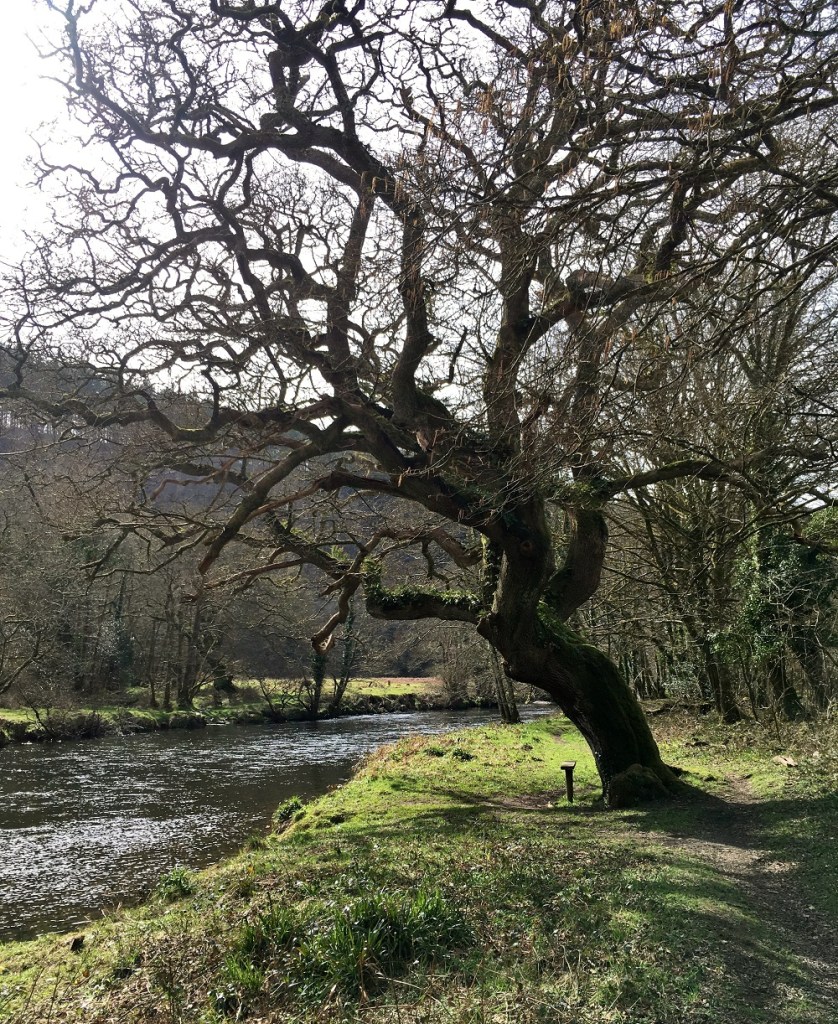
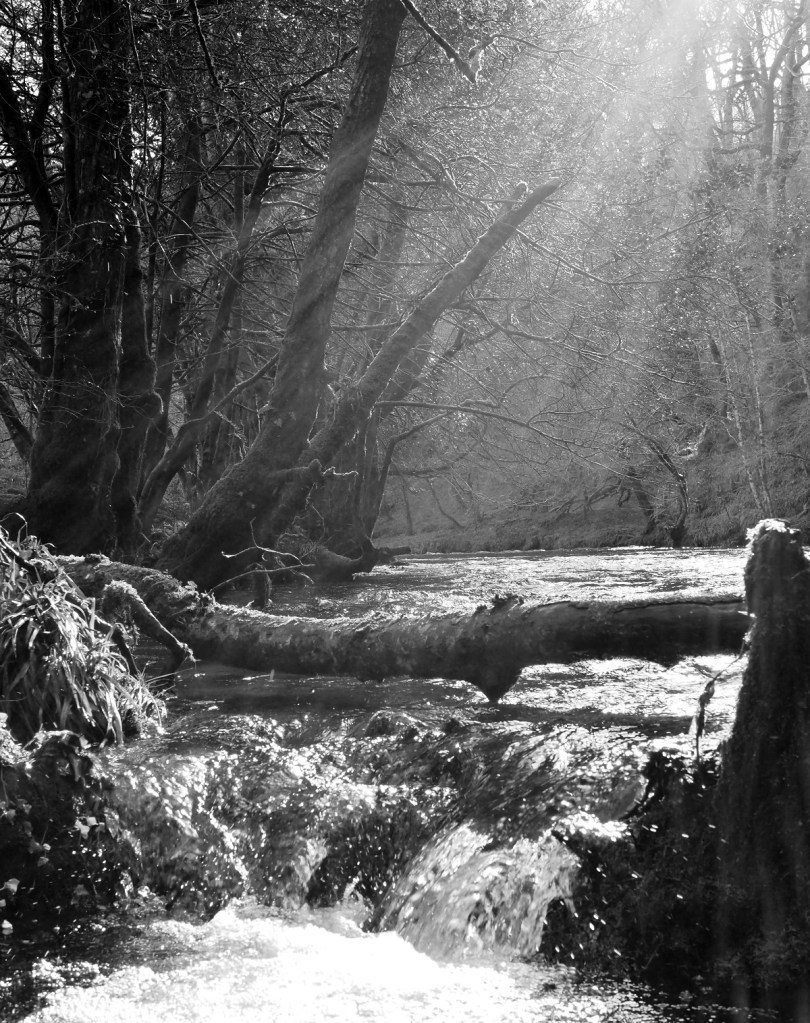
A couple of days ago I explored my favourite stretch of river to see what changes the winter spates had made. A large tree bough completely blocked the span of the road bridge and the riverside plants had all been flattened, tracing the swirls of the excess water. The bracken had died back revealing plastic rubbish thrown into the woods by passing walkers and cyclists. Garbage clung to the lower branches of riverside trees, left by the receding flood water. The tree roots had collected washed out fence posts, wire and plastic bags. Two major storms are forecast for this week and most of the rubbish will continue its journey downstream to Plymouth Sound. Next week I’ll go back with a bin liner and finish the job.

River Plym

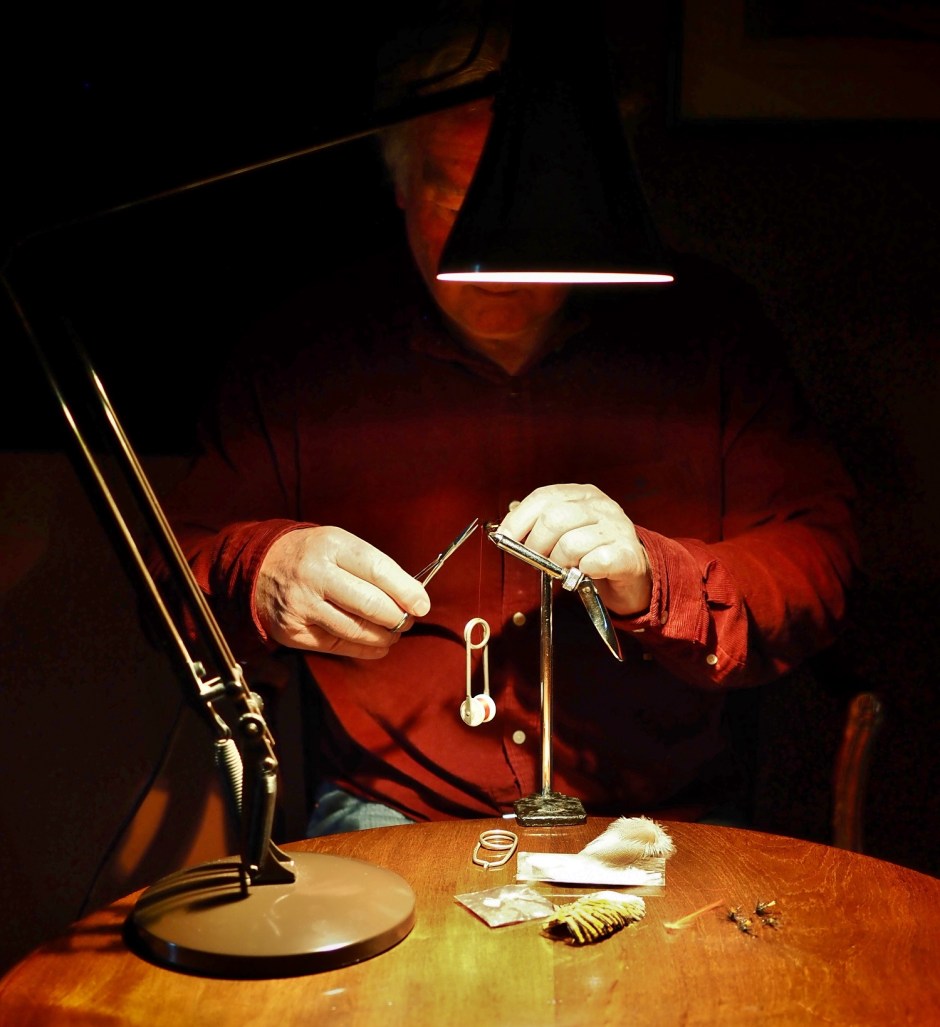
I have tied a few flies but I found it difficult to maintain concentration. In a few weeks the fast approaching season will motivate me.

This year I plan to explore Devon and Cornwall’s reservoirs. The scenery is spectacular and the fish are not suicidal. I feel confident when visiting the moorland rivers but I am always aware that there is a lot to learn.

Water level dropping

It’s been a mild and dry January but the February rain has saturated Dartmoor. The weather is so mild that autumn is drifting slowly into spring.

I have no specific fishing goals this season, catching lots of fish or big fish no longer interests me. I will be content at the end of the season if I have enjoyed myself.

Sussex Season End

The rain in Devon is welcomed. The moorland spate rivers rise quickly which  encourages the Salmon and Sea Trout to run. The bedrock has been sand blasted clean and the floodwater remains clear. Not so in Sussex. The heavy rain washes the sandy top soil off the fields and the slow rising lowland rivers deposit the sediment across the inundated water meadows. The water level drops slowly and the Trout go off the feed as the fine silt clogs their gills.

I had returned to Sussex for the last two weeks of the river season. The rain followed me. The North river at Billingshurst had topped the river banks and covered the fields, it would be a long time before the muddy water subsided. I drove to the lakes at Stag Park and had a cup of tea while wandering around in the autumn sunshine. The cold north wind chilled the tea, ruffled the surface of the lakes and ushered me back to the warmth of the car.

The Rother at Coultershaw Bridge was a raging torrent, the pool looked like the wash from an enormous outboard motor. The flood water extended from the embankment of the old railway line across the fields to the road. The tops of the fence posts marked the river’s normal course but although the thunder of the water in the Fish Pass summoned me, it was far too dangerous to risk wading across the field. It would be many days before the river became fishable, well past the end of the season.

Little Bognor had that Autumn magic. A carpet of sweet chestnuts, twigs and assorted leaves covered the track. The lakes were calm, sheltered from the wind by the tall Beech trees. A few fish were rising for buzzers on the bottom lake and another member cast at continually rising fish on the top lake. The slow, deliberate head-and-tail rise was typical of trout feeding on emerging buzzers.

I started on the lower lake under the Beech trees with my favourite black Neoprene Buzzer and was confident that I would soon get a take. Minutes ticked by, my leader drifted past unmolested and my confidence ebbed. A Red Buzzer also failed to deliver. I wandered up to the top lake and stalked margin feeding fish but as usual, after a few casts they disappeared. Very spooky fish.

I hid behind a clump of ferns in the corner of the bottom lake near the stone quarry.  Fish were feeding under the Chestnut trees, occasionally venturing out into open water. The fish seemed to tolerate the falling chestnuts but not my buzzer. I swapped to a drowned dry fly which I thought imitated an emerging buzzer and eventually, a golden jaw appeared, rising vertically but then sheering away. Tippet shy. The light was going and I was cold, time for wine.

It had been a frustrating season in Sussex. The weather was extreme, global warming is going to make life difficult during this decade.