
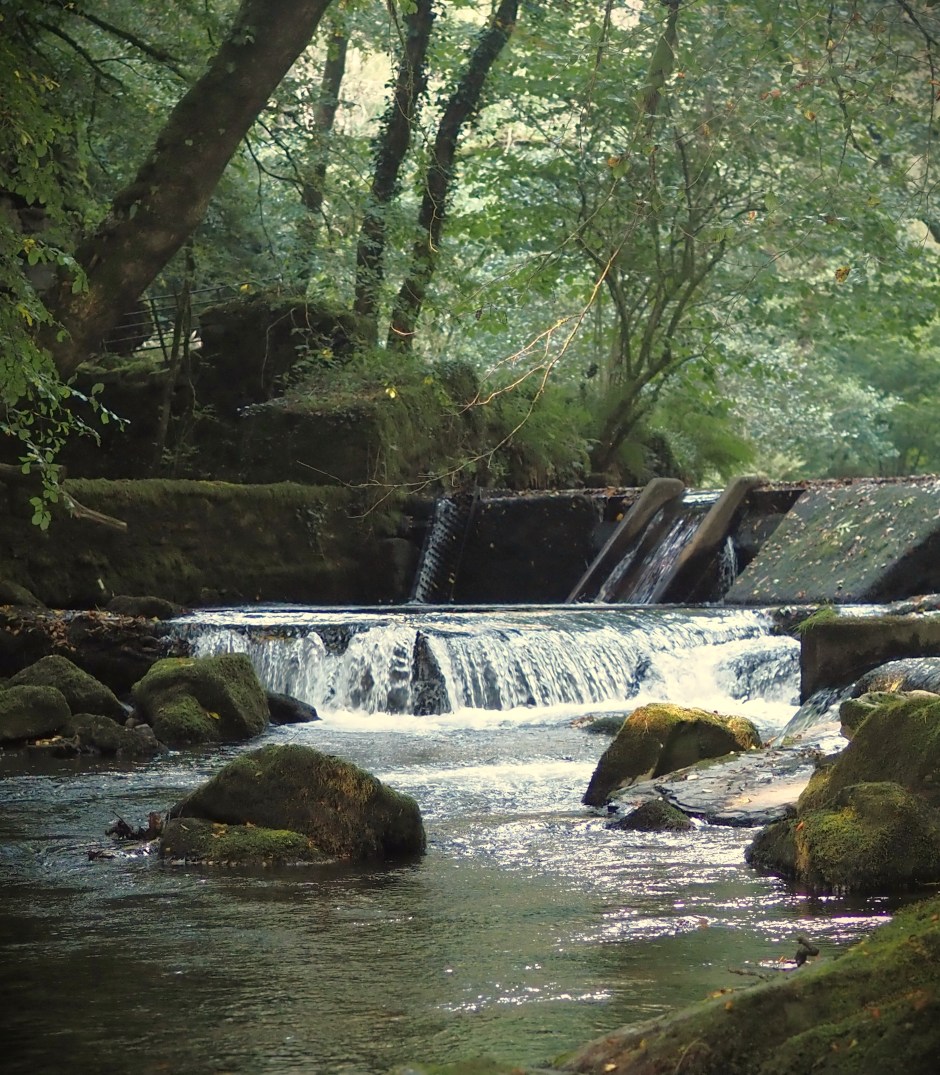
It was a season of disruptions. In Devon the prolonged rain in the spring and regular spates throughout the summer, meant that the rivers were full. Dartmoor was saturated all year and remained green until the autumn. The spates kept me off the water. The few sea trout that made it from the sea back to the rivers, quickly made their way to the high moor. When I visited Sussex, the Rother was often muddy and unfishable, I spent most of the weekends in Sussex casting to educated trout in the lakes.
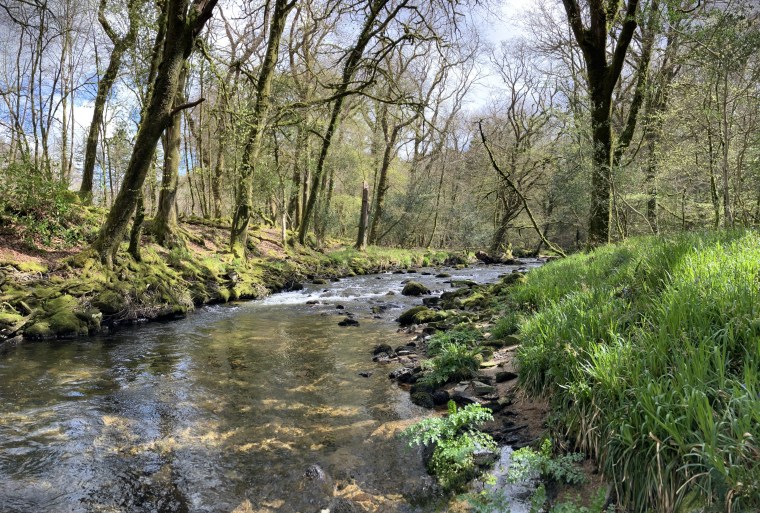
I fished the Devon rivers on twenty occasions and the waters in Sussex about a dozen times. That was probably the least number of fishing trips I have ever made in one season. I made only one visit to the Tamar and didn’t fish Burrator at all. On the one occasion that I planned to fish Burrator, the website refused to validate my payment for the permit and nobody answered the helpline phone. How frustrating.
February was a game changer, I bought the Sage ESN #3 that I had agonised over a few years earlier, trying to justify the horrendous expense. The rod performed much better than I had imagined and became my favourite when fishing the Devon rivers. It was under powered for the big brownies in the River Rother.
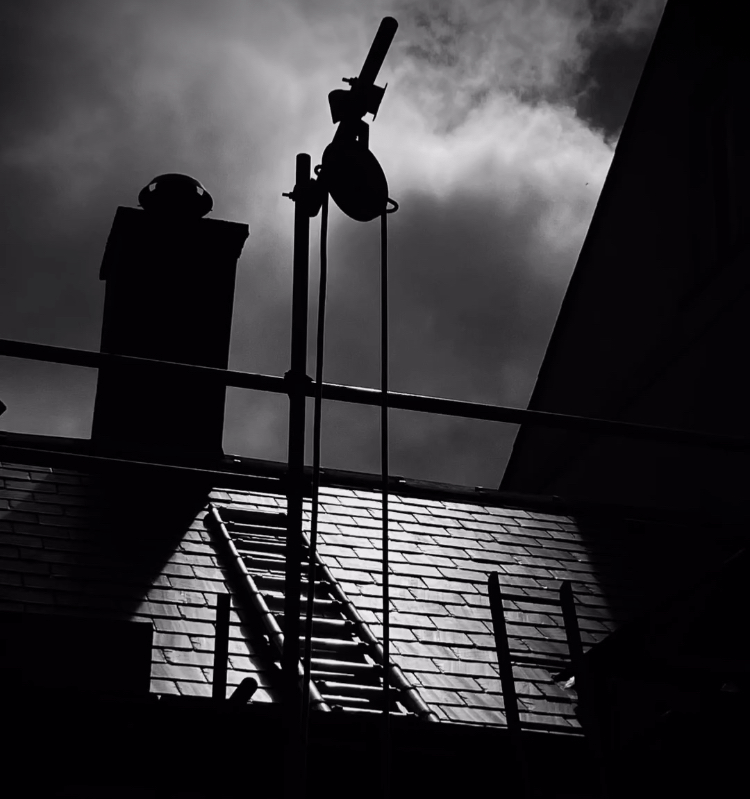
For most of August and part of September I was confined to the village, while the cottage roof was replaced. The weather was kind but I felt imprisoned, unable to escape the dust and debris. The 300 year old cottage is now drier, warmer and quieter. Somethings are more important than fishing.

During the summer I seemed to spend more time on fishing club admin than actually fishing. Battling with young college kids who have no idea about testing software or customer service took up several hours each day. Gen Z techno jargon and lame excuses were infuriating.

Little Bognor 4lb+
I caught two memorable trout, one from the lakes and the other from the Rother. They had something in common. At the lake, I was concentrating, in the zone. Twenty yards away, I saw a fish travelling just under the surface, turn towards the buzzer and create a wake. It had fixed on the fly and to secure the take, I lifted the rod gently. The perfectly induced take avoided a last second rejection. The fight and size of the fish were irrelevant. The tug is the drug.
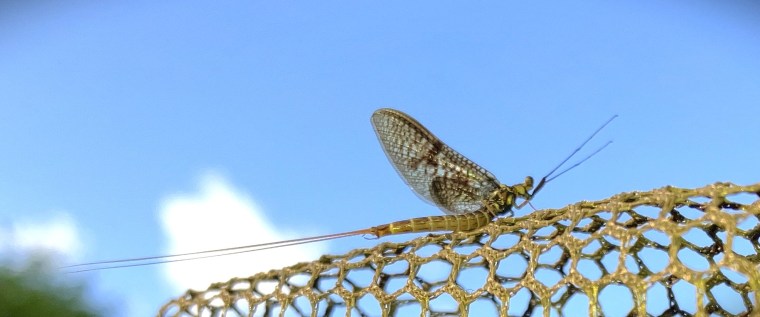
On the river, I sat upstream of an alder tree on the far bank, a raft of flood debris had gathered around the low hanging branches. I was confident that a trout lived there. At the end of a cast as I lifted off, I saw a very subtle swirl behind the fly. Auto-cast kicked in, the perfectly placed nymph sunk, the leader moved and I lifted into a trout. It had all happened without conscious thought, all of the process had been intuitive. Magic.
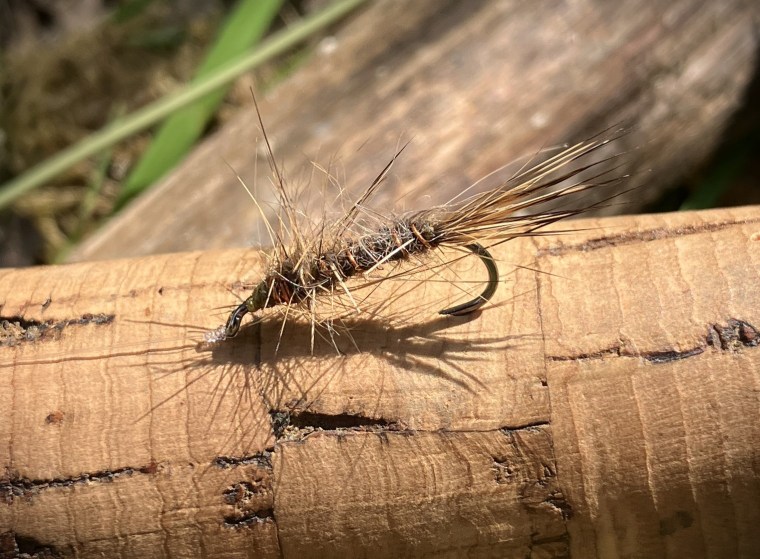
The GRHE nymph was my car park fly. On several trips I didn’t bother to change the fly. I was confident that if I found a trout and the presentation was good, the fish would take. I could happily use a GRHE nymph on the rivers and a black neoprene buzzer on the lakes, for the entire season.

Little Bognor
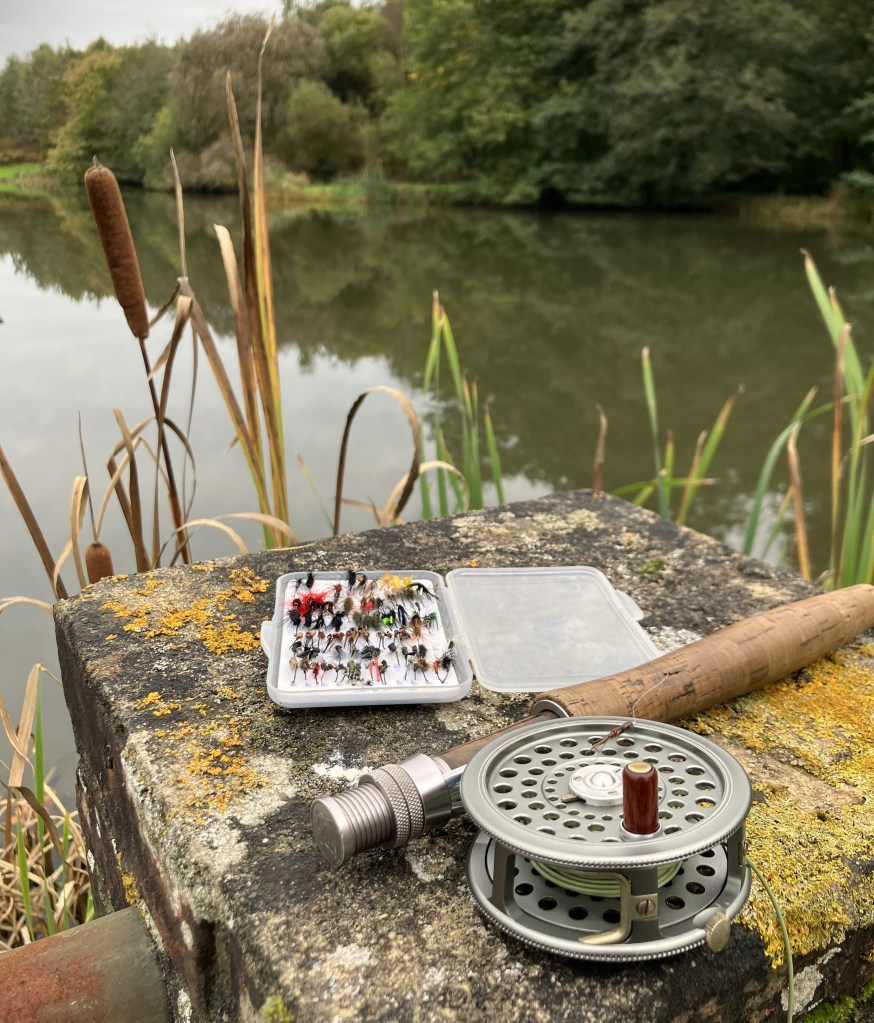
I used various split cane rods from my collection when the occasion felt right. I added the Hardy ‘Pope’ to the rod cupboard, the reel fitting needs fettling during the winter. The big, heavy, high-tech DSLR was reserved for photo shoots but will see the light more during the Dartmoor winter.
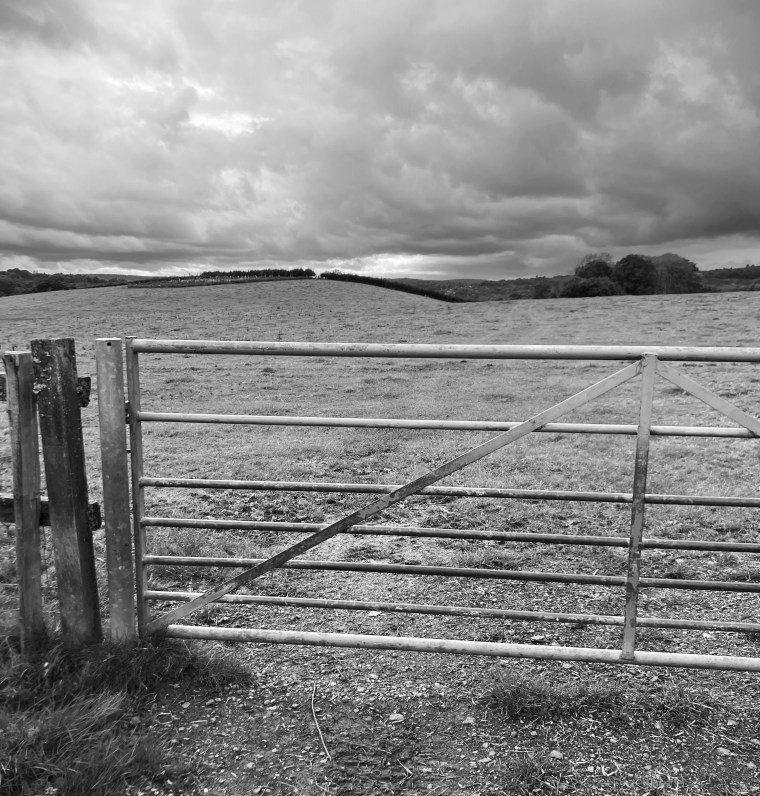
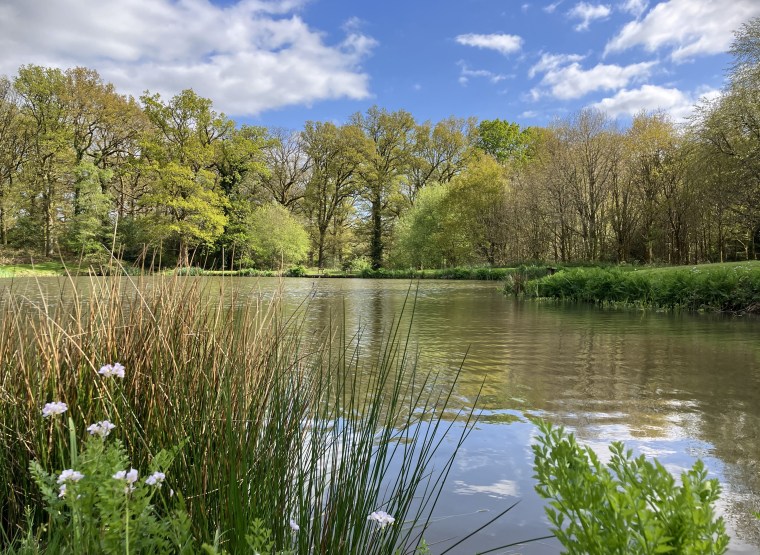
I ended the season with a weekend at the lakes in Sussex, the Rother was flooded again. I nearly turned back at Billingshurst as torrential rain lashed the windscreen. I persevered and was rewarded with two nice rainbows from Great Springs and two browns from Little Bognor. A nice way to end the season.

The salmon was listed as an endangered species by the International Union for the Conservation of Nature (IUCN) in December 2023, having suffered a 30-50% decline since 2006 and a projected 50-80% decline since 2010. The decline is more severe in the west country, the southern limit of the salmon’s habitat. The 2023 EA report on salmon and sea trout was depressing.
Next season will be better organised.
. . . _ . . .
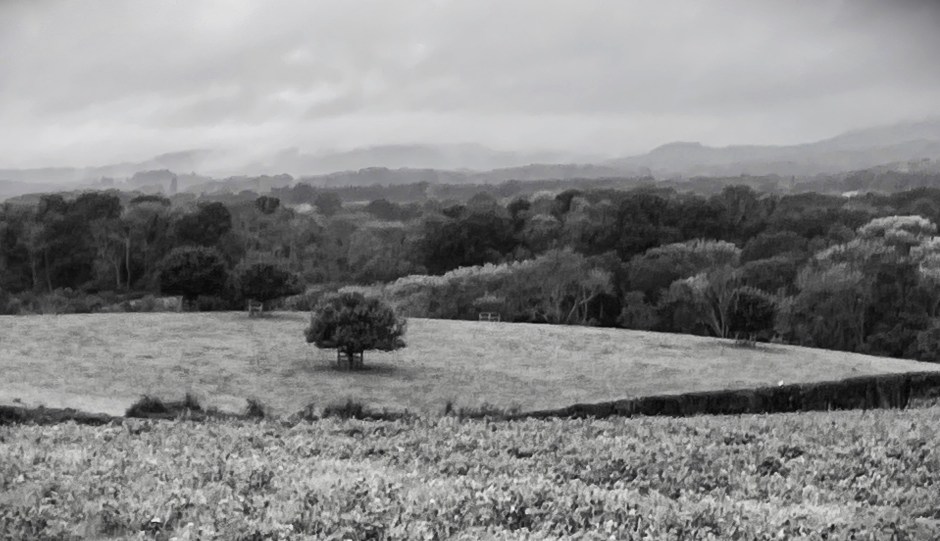



 Sussex Trout Fishing ... and Devon