24 March – River Plym

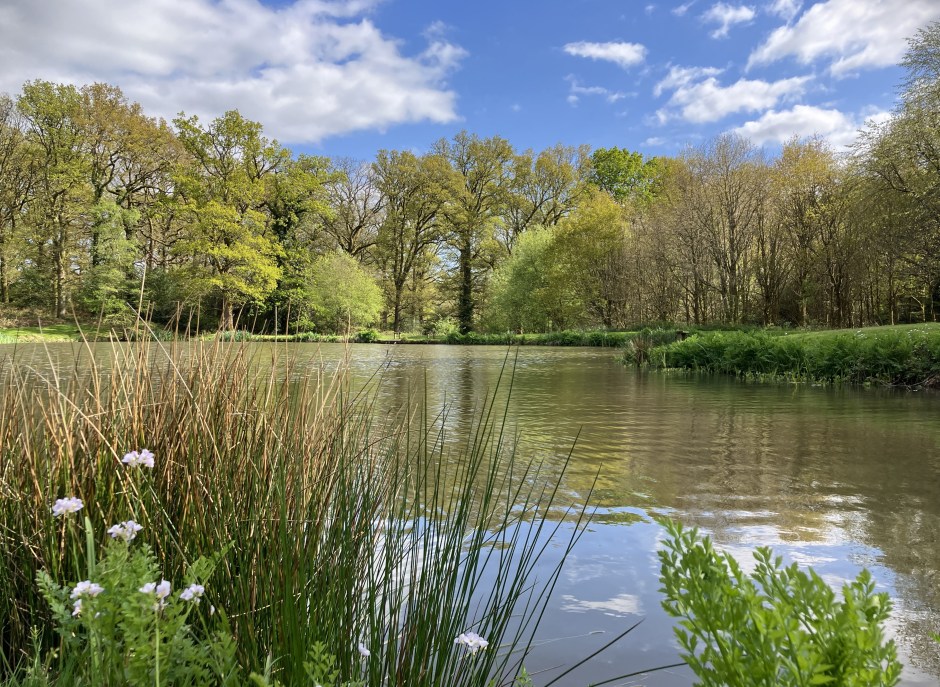
I visited the lakes a few days ago on a special mission. To help my grandson catch his first trout on a fly. It was a beautiful spring day, no jacket required. Success, he caught two. Mission accomplished.

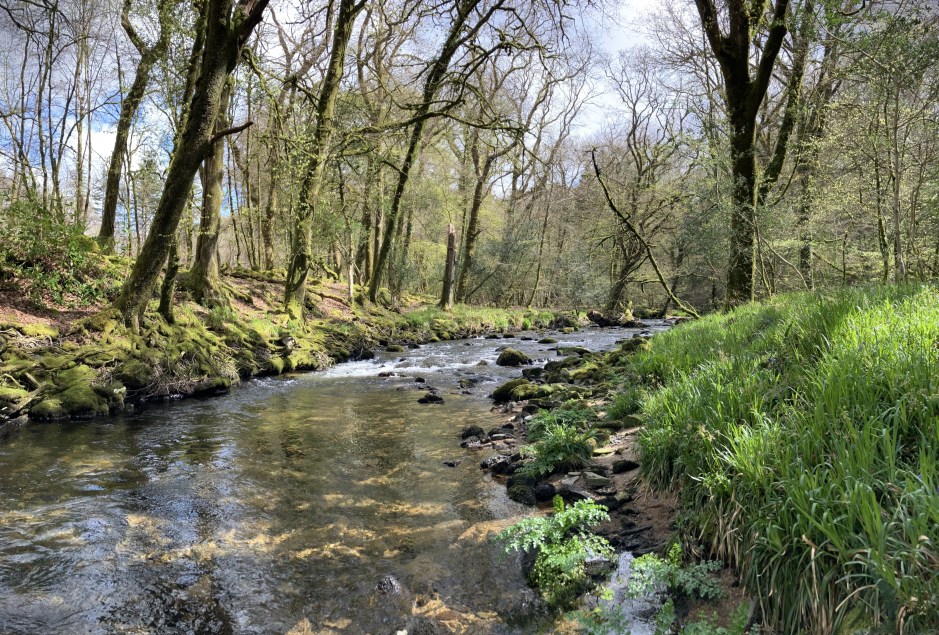
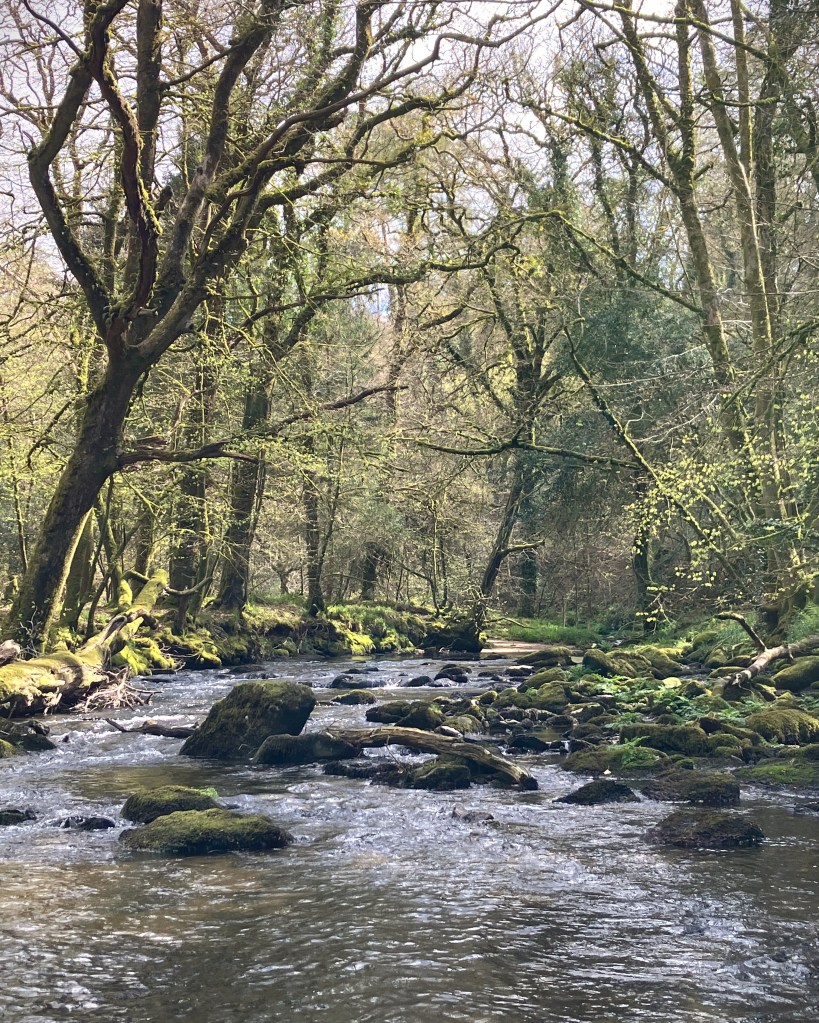
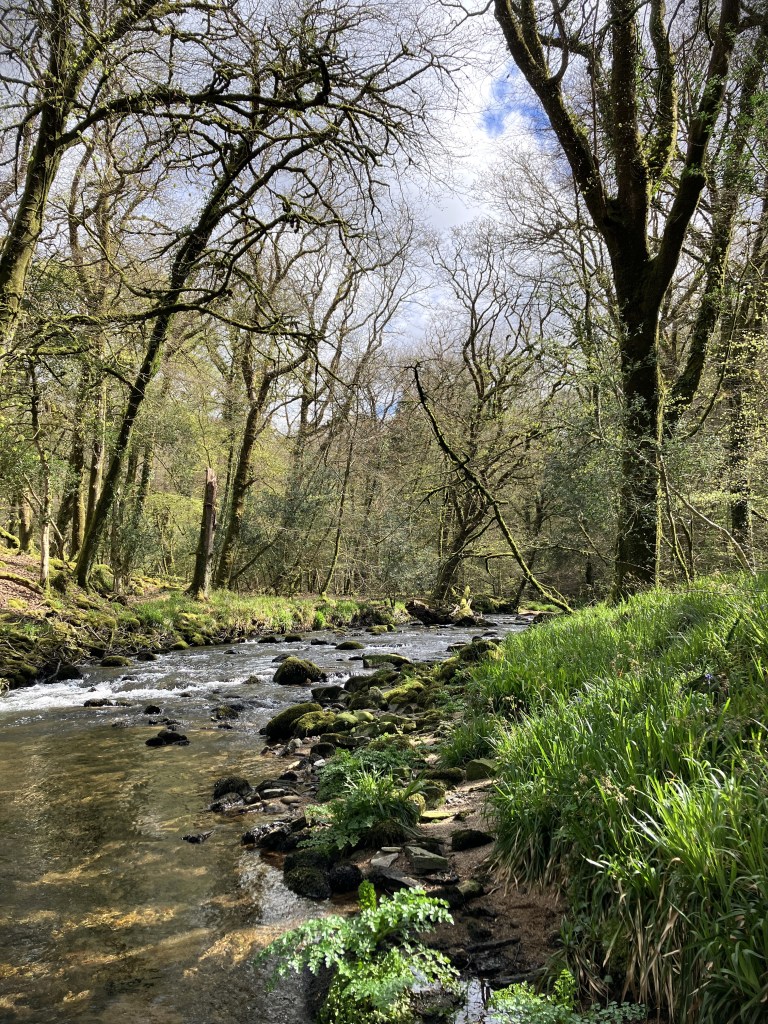
Sunday. Sunny, the week before Easter. Not the best time to open my season but the river level was good and heavy rain was forecast all day Monday. The rivers would be out of action for several days. I had a new rod and it seemed fitting to use it on opening day. My favourite Beat on the River Plym was an obvious choice. The Beat is a mixture of pools and riffles which would give me a chance to work the new rod both upstream and down and across with a weighted nymph.


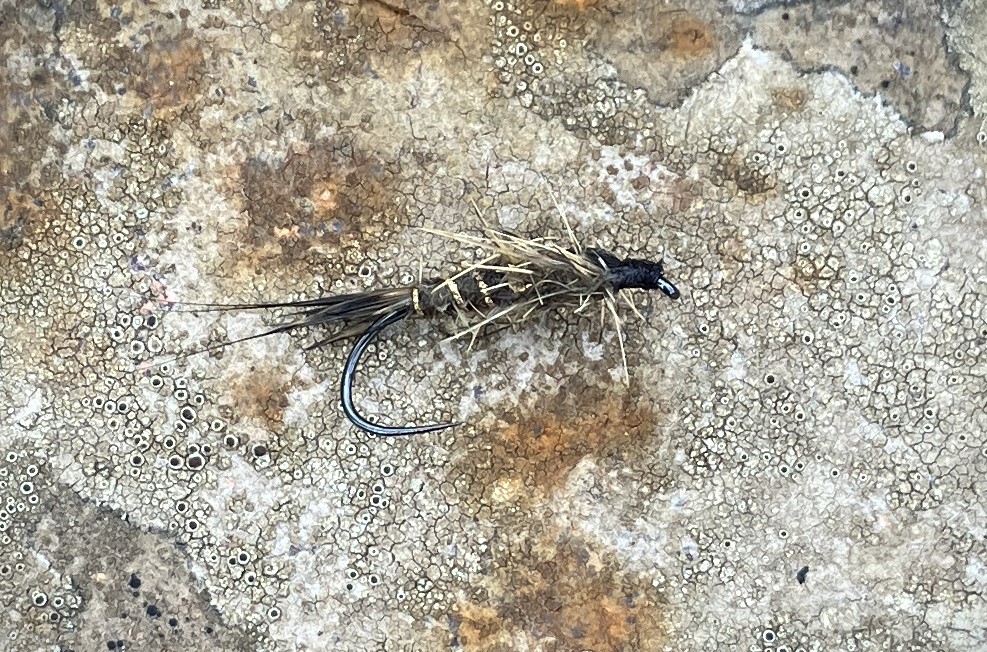
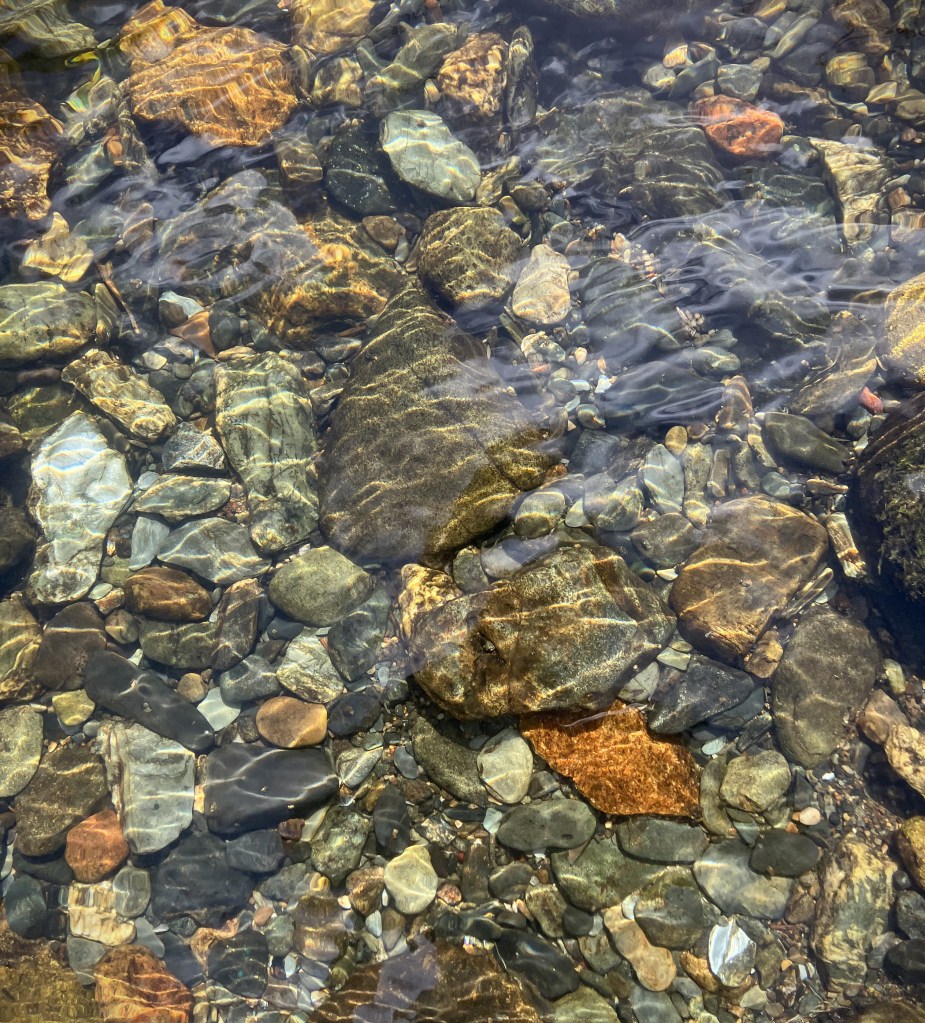
The water was crystal clear, the stones were bright and the woody debris had been washed away. I paddled in the margin, the water temperature was higher than I had expected. A few olives and March Browns were hatching but there were no signs of trout. I used a Rio #3 fly line with a long leader and tippet and chose a weighted fly to get down deep in the strong current. It was not ‘Euro’ or ‘French’ or any of the other modern fads, just a normal fly line and conventional leader.

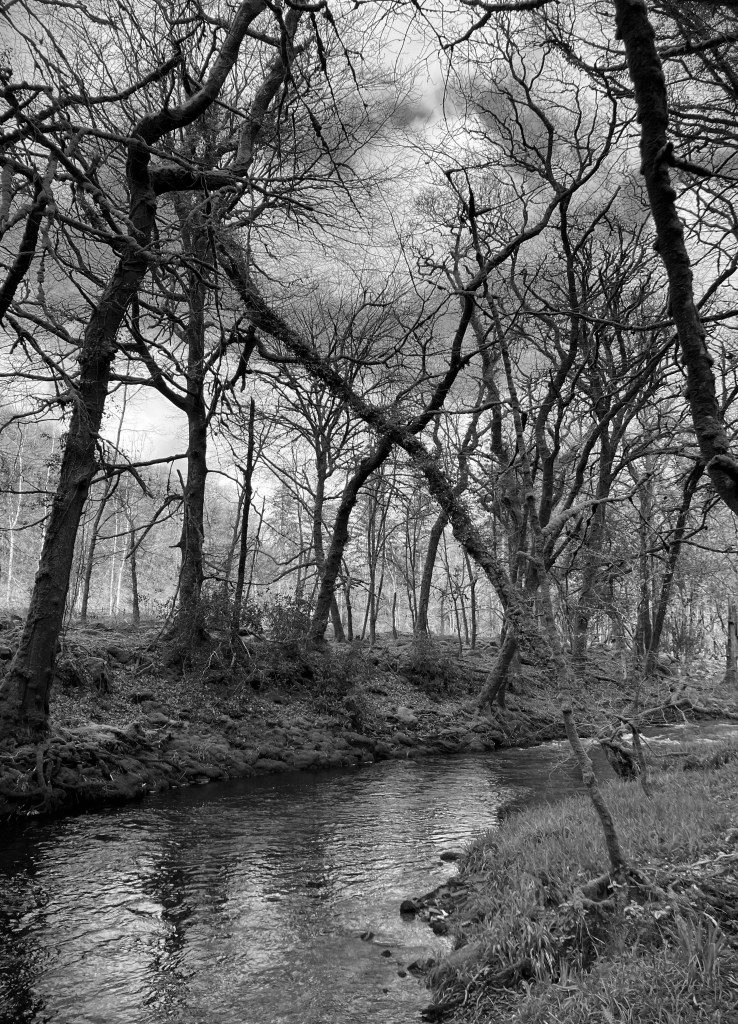
I spent a while using the first riffle to experiment with the rod, a 10′ 6″ Sage ESN II #3. It was extremely light and the action suited a fast spate river. The length helped me keep in touch with the fly and position it accurately. First impressions were good. I fished a few pools, walking slowly upstream. The woods were silent, no dog walkers. I marked a few branches for pruning next weekend on the club’s workparty and picked up some litter.

The rod was great, it did the job well and enabled me to concentrate on working the fly. It’s more refined than my Hardy and it will be my rod of choice for the West Devon rivers.

Robjent’s caught me …. again !

I found myself in the Grosvenor Hotel, Stockbridge, with time to kill. The art deco bar beckoned but there were trout to watch and tackle shops to explore.

Along the high street a small trout held station above a road bridge, ready to drift back into cover if unsettled. In a side stream beside the pavement, a much larger fish waited on a patch of pale gravel for bread or pellets. I had neither and it eventually slid upstream to rest alongside the pillar of a bridge. The late afternoon January sky threatened rain and it was chilly. Time to seek refuge in a tackle shop.

Five years earlier I had visited Farlows on Pall Mall. I wandered around the store, looking for nothing in particular, constantly telling myself not to buy anything. The rod racks were well stocked. I have always had a vision of my perfect fly rod; long, light, down-locking reel seat and cheap. I found several rods that met only the first three criteria.

A very helpful young man took a rod from the rack and gave it to me, a clever ploy which usually results in a sale. I waggled the rod. The double height ceiling enabled a good waggle without snicking the light fittings. I immediately felt a bond with the rod. I reached for the small price ticket tied to the butt ring and recoiled in horror at the number of digits. I forced a smile and gave the rod back, the young man looked disappointed. I left the shop, credit card intact, also feeling disappointed. In the taxi to Victoria station, on the train home and throughout the years since, I have regretted not buying that rod.

Meanwhile, I entered Robjent’s internalising a mantra to protect me from buying anything other than a few leaders and hooks. On a previous visit to the shop I had been bullied into buying a very expensive Rio fly line, a Robjent’s Chalkstream special. I was dubious but it turned out to be a game changer and I use it all the time.

Three tapered leaders were extracted from a drawer but I drew a blank with the hooks. A very helpful young man watched me while I examined the rods. We discussed rod lengths and weights and the conversation drifted towards my ideal rod. He said that he had such a thing but for me to hold it would be “dangerous”.

He produced, from the depths of a store cupboard, the model I had rejected at Farlows. The rod was lighter than I remembered, the reel seat had been improved and the tip was slimmer. Perfection. A significant birthday loomed. No celebration had been arranged. No fishing holiday had been booked. After acquiring more rods than I need, I had vowed not to buy another. Should I exit the shop, credit card intact, doubling my regrets ? No.

That evening I celebrated with a curry and a couple of pints. Since then I have waggled the rod most days, fitted my favourite reel and planned a day fishing for grayling. The trout season in mid-March is too long to wait.

16 January – River Tamar

It had been dry and very cold for a few days, the Tamar at Greystone Bridge had dropped to 0.41m and the grayling would be hungry. I left the cottage at lunchtime and had to scrape the ice off the car. The bright blue cloudless sky and still air made it feel like Spring. Halfway there I realised that I had left my waders in the garage. Not a problem, I don’t like wading.

The water level, speed and colour were all perfect. I walked to the first croy, decided that the icy ‘Ladder of Death’ looked a bit too risky and walked further upstream to the other holding pool. I stood in shallow water, facing the sun, and flicked the Red Tag into the slack water beside the croy. The air was still and the line rolled out nicely. I searched the slack water on my side of the main flow and the bubble line downstream for about twenty yards.

I expected a grayling to take at any moment but for an hour, the only bend in the rod was the weight of the river. I had a break and watched the water. No flies hatched, no fish rose, nothing. Grayling gather in pods and won’t move far in cold turbulent water. When I find fish, takes come in rapid succession.

I persevered for another thirty minutes before wandering back to the first croy. I peered over the edge of the riverbank hoping that the near vertical ladder would look safe. It did not. A buzzard mewed once, it was a warning. I walked back across the field, through the sheep, warm in the sun and content that I hadn’t caught an out of season trout.

2024 Plans

Its early January, the rain is running down the garden path, filling the gutters on its way to the river. A series of eight named Autumn storms have left Dartmoor saturated and the rivers on the western edge of the moor are in constant spate. The River Walkham thunders through the village, under the old bridge, sweeping away woody debris, moving stones and washing the bedrock clean. Every day I cross the bridge and pause, looking for signs of fish in the glides each side of the cutwaters. The water is a couple of feet above its normal level and running clear. The salmon have had plenty of opportunities to navigate the fish pass and make their way upstream.

I have cleaned my fly lines and tied a few flies. The mayfly nymphs won’t see action until the summer. Each month last season I travelled to Sussex and spent about a week fishing the River Rother and the Leconfield lakes. I plan to do the same this year. I will also ensure that I fish Little Bognor on Elgar Day, Saturday 15 June.

Last season I learnt a lot about my local Devon rivers. I found trout in places that I normally ignored; shallow glides and riffles. Searching the deep runs and pools with a weighted nymph was not always the right approach. I used both #3 and #4 floating lines on the rivers, the heavier line suited most of my rods. I’m surprised that it has taken me several years to understand that !

A few days ago I walked my favourite stretch of the River Plym, looking for signs of salmon or sea trout. The debris left by the winter spates lay scattered around the woods and the greenery on the floor of the valley had been combed into patterns recording the flow of the flood water around the base of the trees. I found a couple of hundred rounds of ammunition, mostly spent 7.62mm cases but some live, which I dropped off at the 42 Commando Guard House on the way home.

Burrator Nymphs

I didn’t fish Burrator last year because the water level remained high during the summer and prevented access to my favourite places, I will make more of an effort this year. Similarly I didn’t fish several of the upstream Tavy Beats, preferring to visit the more familiar lower Beats. The top Walkham Beat, in the centre of the high moor, was a daunting prospect. The very long walk over rough ground and lack of a phone signal might put it out of reach this year unless my fitness improves.

I have yet to plan my March or April “Fishing Adventure”. I don’t have a bucket list, everything has already been ticked off. I’m reluctant to revisit memorable places, fond memories are best kept, not compromised by returning.

It will be interesting to see if the pattern of warm, wet winters and hot dry summers continues.

2023 Season

Memorable images from my 2023 season. It was a good year. The rivers were full and I caught a few trout.

River Plym

I fished on thirty occasions from March to the end of September, split evenly between Sussex and Devon.

February Water Nymphs

February in Devon was very dry, only 2mm of rain fell. The high moor dried quickly. The rivers and brooks were full but the water levels were dropping. We needed a lot of rain in March.

River Cad in March

At the end of March it rained. A lot.

Little Springs


The start of the season in Sussex was cold.

River Plym, Bickleigh


April was cold and wet, the rivers were full but the trout were not feeding.

Lower Beat, River Tavy – April


On 2 May I caught my first Devon trout from the River Tamar.

River Plym, Commando Pool

The mayfly hatch in both Sussex and Devon was good. I spent more time chasing mayflies at Little Springs than fishing.

Ephemera danica – Little Springs

On 21 May I caught my first trout from the River Rother.

Mayfly spinner – Little Springs

I mainly fished the Devon rivers with a GRHE nymph but occasionally used a dry fly.

River Tavy – June

It was a very hot June, the heat wave continued into July. The water levels were good. I was distracted by carp, on both dry fly and nymph.

River Tavy, Lower Beat – June


In mid July heavy rain washed the trout downstream. It took a long time for the fish in the pool below the old bridge to reappear. The river levels remained slightly high for several weeks.

River Rother – July


Unrelenting rain during August maintained good water levels and I had a wide choice of rivers to fish.

River Tavy, Lower Beat after John Constable


Heavy rain at the start of September produced several spates. High winds knocked a few trees over.

River Plym


At the end of the season all the stars aligned and I caught seven trout from a short stretch of the River Tavy. The fish were in shoals feeding on nymphs in the shallow glides.

River Rother – Fish Pass

On the last day of the Devon season, after the first of the autumn storms, the water level was up slightly and I caught a 3lb+ brownie from the Ludbrook Run on the Lower Beat of the River Tavy. Last day, last cast. A perfect ending.

River Tavy, Lower Beat – 3lb+

I walked my favourite Beat on the River Plym, salmon were running but I didn’t see any.

River Plym – Shaugh Bridge

I have a question. Where do the small trout go during a spate ? I watch the little fish racing around in the deep pool below the bridge in the village. I see them most days, they feed on nymphs stirred up by the children swimming in the fish pass. After a big spate there are no fish to be seen. They have all gone. Are they washed into the estuary to become sea trout ?

The bound volumes of my diary record nearly four hundred fishing adventures. This years online diary will be formatted and printed ready for the bookbinders to work their magic.