8 June – Little Bognor

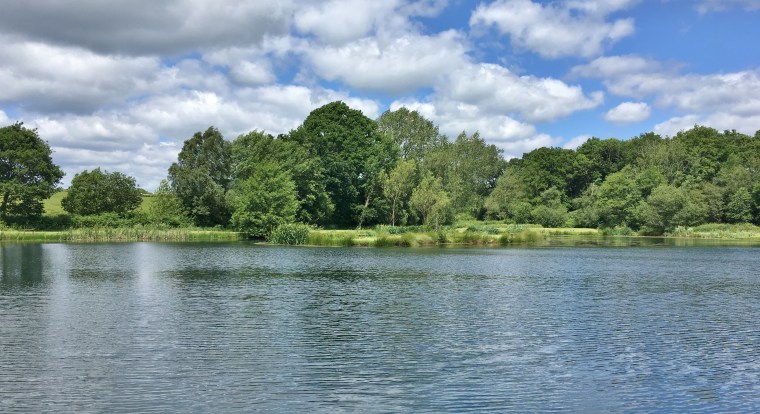
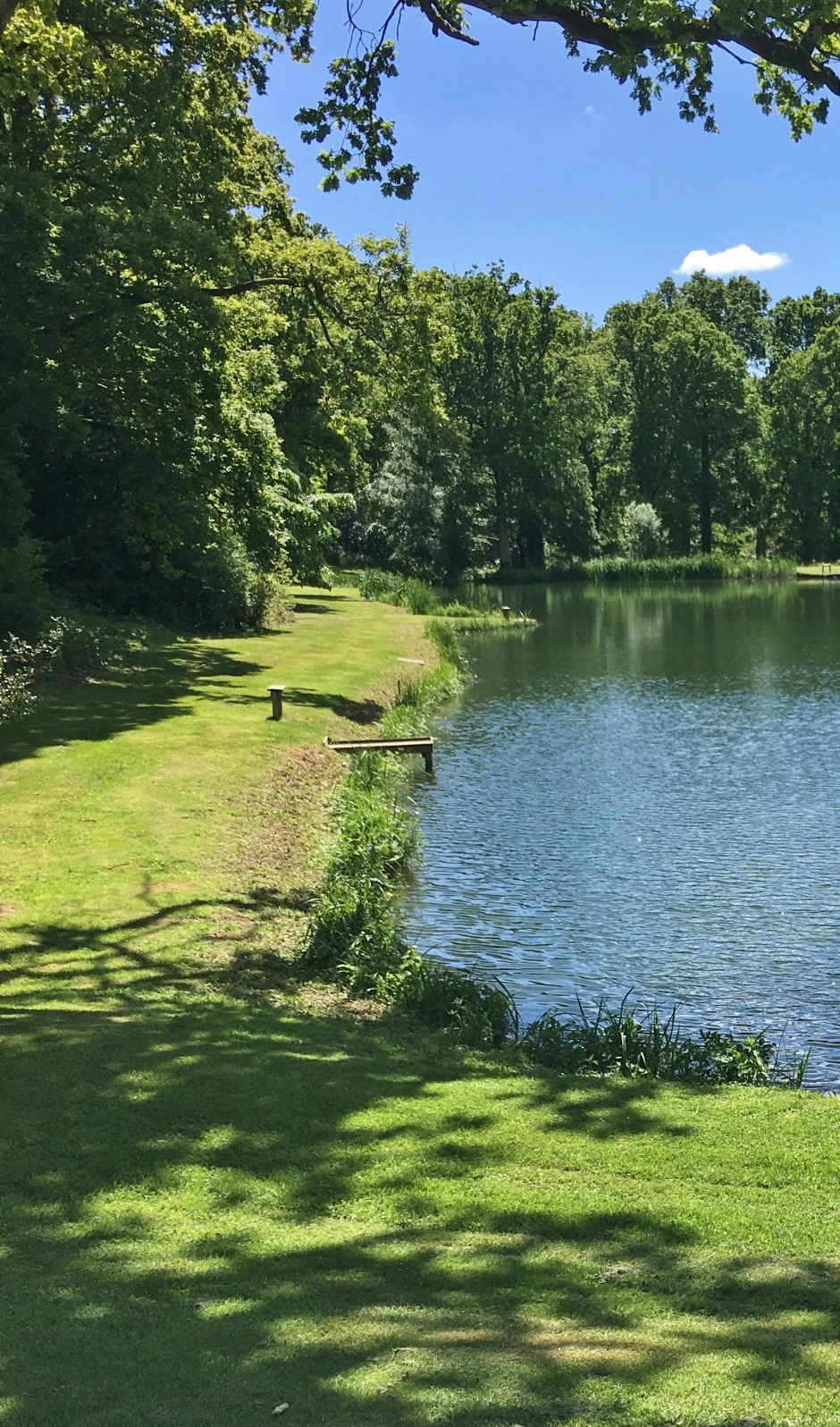
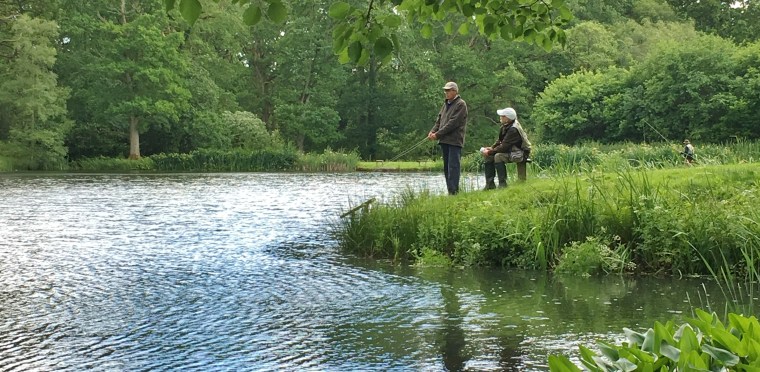
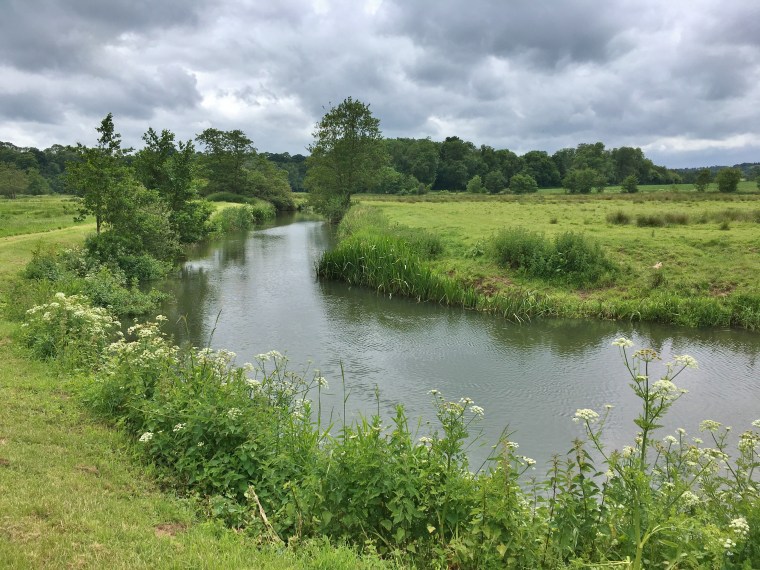
The river level hadn’t dropped since yesterday. I visited Little Bognor, then checked the river and ended up at Great Springs. I was tired of fishing in high winds so after a cup of tea and a chat I went back to Little Bognor. The lakes are deep in a valley and are surrounded by mature Chestnut and Oak trees. There was an occasional gust of wind but for most of the time the water was still. Both lakes were covered in leaves, twigs and petals. There were lots of terrestrial flies falling into the lakes from the trees. The trout were rising and splashing, mainly in the shallows by the inlet stream.

I had seen this before at Little Springs. The feeding fish head-and-tailed, like Dolphins. The fish that crashed out of the water and splashed back with a slap were reacting to the high water temperature. I ignored the splashes and concentrated on the feeding trout. I used the #2 weight rod, I hoped that the slow action would improve presentation.
IMG_4182

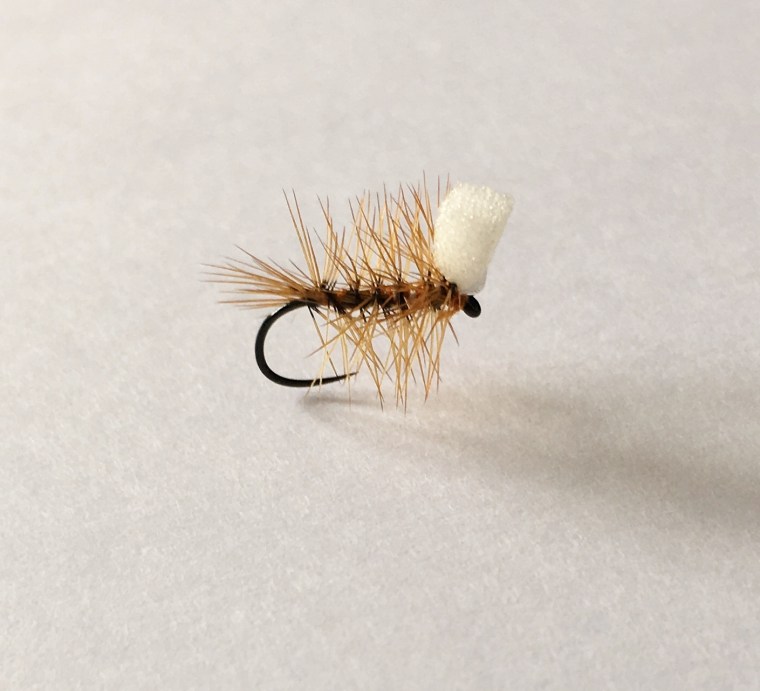
I started with a suspender buzzer but had no takes. A dry Pheasant Tail was ignored, the trout could see the leader. There was so much debris on the water that it was difficult for me to see the fly. I thought that it would help the fish find the fly if it was sub-surface. I tied on a size 14 ginger buzzer with a palmered hackle and a tag of foam to keep it afloat. It was ignored, the tippet sunk but the tag was too big. I trimmed it but that didn’t help. I cut the tag back so that it looked like the breather filaments on a buzzer. The fly sunk very slowly, the leader twitching occasionally to mark it’s progress. I cast into the ripples from a rising fish several times and eventually the leader drew away slowly and I lifted into a small brownie. It was a wild fish so I slipped the barbless hook out and returned it quickly.

A fish rose under the willow tree, just next to a sparse lily bed. It was only ten feet from the bank. I flicked a side cast under a branch to my right without snagging anything and popped the fly in exactly the right place. The trout took and dashed around in the lilies but freed itself.

I moved around to the opposite bank with the intention of fishing across the weeds but the back cast was restricted and the weed bed denser than I had expected. There was no way I could drag a trout through it with a short floppy rod.

The evening was warm and still. Midges started hatching all over the lake and the trout responded. I had two takes and each time I lifted the rod very slowly, just taking up the slack. I played the fish gently and coaxed them into the landing net. Then everything went downhill. I lost a couple of flies in trees, tangled the fly line and knotted the leader. Time to leave.

The #2 weight rod was not helpful when I was hiding behind the marginal ferns. It couldn’t handle a long leader and it’s too slow for fancy casting. On balance, I prefer my ten foot, tip action #4 weight.
trout

7 June – Great Springs

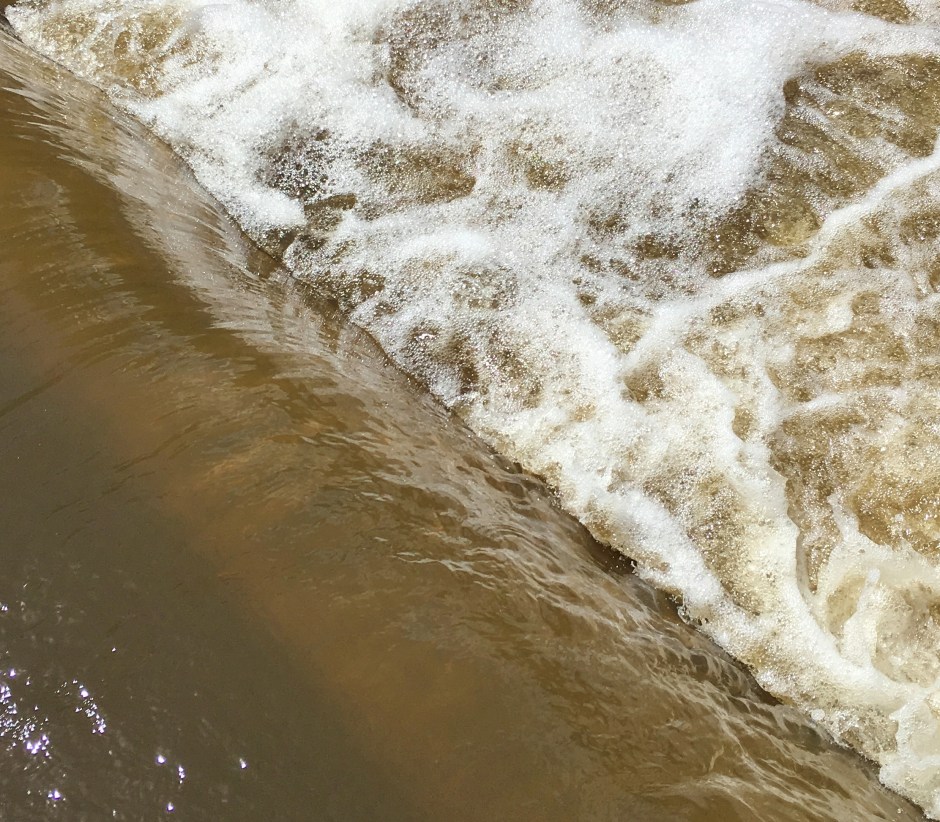
I went to the river to see the effect of the recent rain. The water was roaring over the weir sill and was unfishable. It won’t be back to normal until next week. I checked the other beats and saw an enormous, black cormorant flap it’s way down the straight at Keeper’s Bridge. I thought the trout would be safe in the murky water, perhaps not.

IMG_4167

I checked the lakes then drove to Great Springs for a cup of tea in the sunshine. The wind had swung round to westerly overnight but hadn’t lost it’s strength. It was blowing debris off the trees and a few trout were rising to terrestrial flies. I started on the point with my #2 weight rod and had a take second cast on a GRHE nymph. The fish got off, a long range release. Never mind, it boosted my confidence. There were fish taking.

Half an hour later I was losing faith so I moved to the platform near the hut. I had another take but I was too slow, I told myself it was probably a roach. I sat on the oak bench and used the wind to drift the nymph round, Arthur Cove style. I had a take, quite deep, but again the fish escaped. There were lots of fish cruising, including the giant blue trout, none of them were interested in my fly. I think the fly line was scaring them, it was bright sunshine and crystal clear blue water. A longer leader might have helped. Difficult with a short floppy rod.

I had to leave early but it had been a relaxing couple of hours in beautiful surroundings and sunshine.

trout

6 June – Little Springs

There was only a brief window for fishing between storms. The BBC weather forecast predicted three hours of sunshine between 12:00 and 3:00pm. The river level had risen overnight from 0.023m to 0.046m, nearly an inch in old money. The North River was high and muddy at Billingshurst and I decided to fish at the lakes. On a positive note, the rain should encourage the sea trout to run.

I visited the lakes and ended up at Great Springs for a cup of tea and a chat. The wind was more extreme than yesterday. The young oak trees around the fishing hut were swaying about, small branches and leaves covered the grass. I had taken an old #2 weight rod with me. I last used it over thirty years ago and I thought it deserved an outing. It was not suited to the 60mph gusts of wind but I thought I might tempt a trout from the margins.

IMG_4148

The weather was extreme. One minute the wind dropped and the sun was burning hot, the next minute the wind was roaring through the tree tops and it was raining. The surface of the water was ruffled and I thought that might help hide the tippet. Fish were cruising around sampling the debris from the trees and jumping. A few fish were feeding on buzzers just under the surface. I sat on the sheltered side of Little Springs and flicked a GRHE nymph at cruising fish. I had several takes but I missed them all. I had to adjust from a fast ten foot carbon rod to a slow six foot glass rod. I changed to a dry fly and missed two good takes.

I moved around the lake and covered several fish. Most inspected the nymph and rejected it. On the dam I saw one of the big blue trout cruising away from me. I flicked a nymph beyond it and was excited to see it change direction and rise in the water. A sure sign of a take. It approached the fly, paused, circled around it several times and swam away. How clever is that ?

I saw another fish alongside a bed of Iris. I flicked the nymph at it and lifted the rod when the leader moved. The fish was hooked but it wallowed on the surface and allowed me to lead it into the landing net without any effort. It was suffering from the high water temperature. The heavens opened and that was my signal to return to the hut for a final cup of tea. It had been an interesting session but I need to take the old rod for a proper workout when the weather improves.

trout

5 June – Wind

It was a grey day with very high winds. Not steady, gale force winds but blustery winds that would make casting difficult. Sometimes the gusts were accompanied by brief showers. Heavy rain was forecast for 3:00pm. I visited all the lakes and every beat on the river to collect the catch returns. After delivering them I drove to Rotherbridge. That was probably a mistake. Some of the smaller lakes were sheltered and I had seen a large trout in the shallows at Lower Figgs. I saw the same fish last Thursday browsing the lake bed, it looked like a blue trout about 4lb.

I drove to Rotherbridge and walked straight to the new riffle. I worked a black nymph down the runs to the tail of the pool without any response. It was difficult to cover the water accurately as the line was uncontrollable. I moved down to the long straight but couldn’t find a trout. I lost a couple of flies in the bushes and occasionally the wind lifted the fly line off the water. The combination of the current and wind made it impossible to continue at the riffle.

IMG_4107

I walked to the pool with the overhanging Alder branch and as I arrived a good fish splashed at the top of the pool alongside the tree. Normally a side cast and a flick of the rod tip puts the fly well up the pool. The wind was downstream and I couldn’t reach the fish, the line was blown back towards me. I gave up after twenty minutes. I moved down to the next pool and lost a couple more flies in the bushes.  At 3:00pm as predicted, the rain started to arrive, big black clouds were gathering over the Downs behind me. It was time to retire to The Badgers for a pint and a piece of chocolate cake. I should have gone to Lower Figgs.

trout

Mayfly – Ephemera danica

In Sussex the Mayfly season is dwindling away. The few flies that emerge from the river in the late afternoon are snapped up by Chaffinches. The wings of the newly emerged fly are a pale yellowy green. As the Mayfly flutters up from the river and heads for the trees, it is easily seen and makes a tasty mouthful. The Chaffinches sit in the tops of the Alder and Willow trees waiting for the next course on the tasting menu. The Swallows zoom down and snap their beaks, rarely missing.

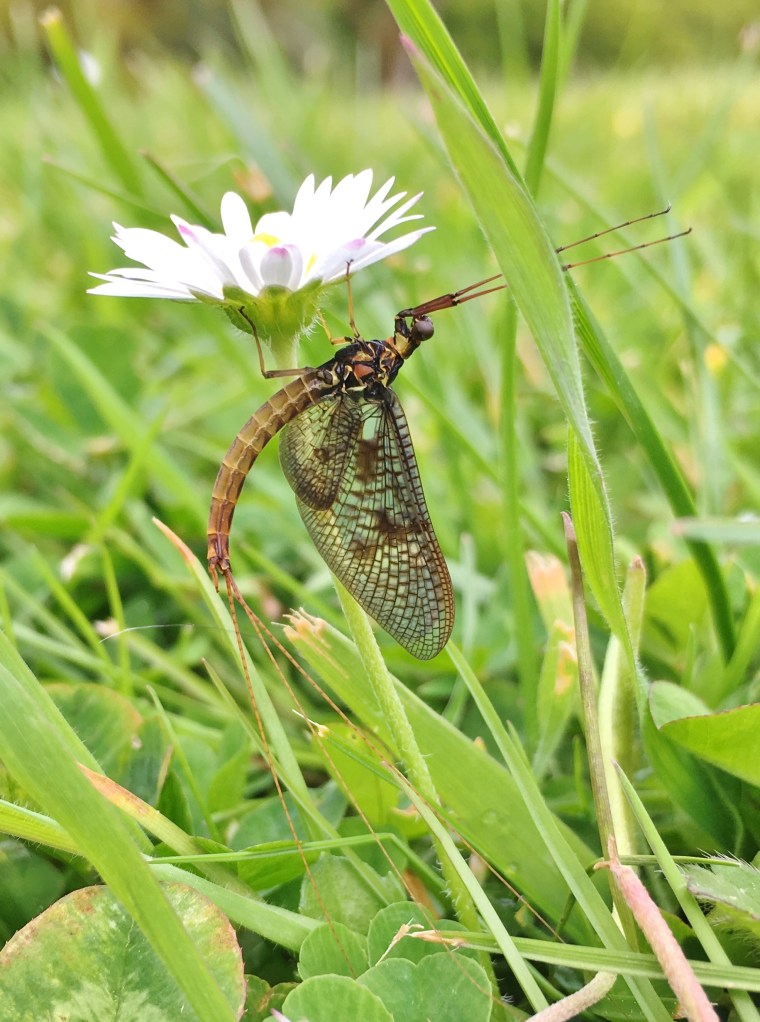
The duns that make it into the trees sit on a leaf or twig overnight and turn into spinners. A smaller and much darker fly.

IMG_3829

The small, dark male spinners dance in columns. They rise and fall in fluttering clouds. Some fall into the water and are an easy meal for the trout.

My early Mayfly patterns were quite crude. Over the last three seasons I have refined the dressings and tied them on more suitable hooks. With so many natural flies about the trout can become quite fussy, particularly if they have been caught before.

IMG_4071

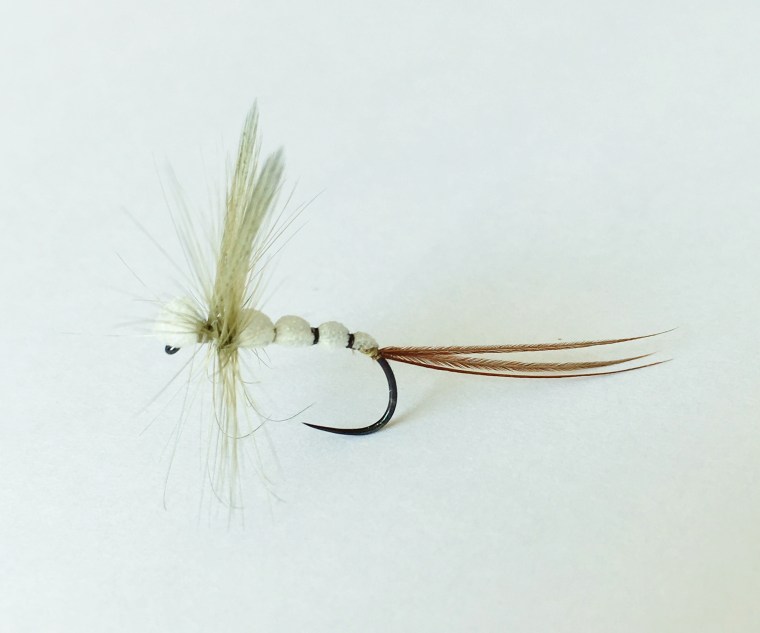
This is my latest pattern. The hook is a Tiemco 103bl, size 12. The tail is cock pheasant centre tail and the body is closed cell, white neoprene foam ribbed with black silk. The body extends over the hook eye to help it float. The hackle is olive cock and the hackle points are left to imitate the wings. Alternatively, the hackle is wound from further back and the tips clipped off. That gives a lighter dressing for ultra fussy trout.

IMG_4080

If the trout are taking spinners, I use the same pattern but with black hackles. The trout don’t know their main source of food is about to disappear. Within a few weeks they will switch to Olives and Sedges.

trout