5 April – Sussex

My modelling career took another step forwards with a photo shoot on location in deepest Sussex. The exact location was a secret to foil the paparazzi. We met at the bridge and wound our way along the narrow country lanes to the river. It was quiet except for a tractor, bigger than Mr. Clarkson’s Lamborghini, workmen from the EA arguing about some river monitoring wizardry and a fleet of multi-coloured transit vans.

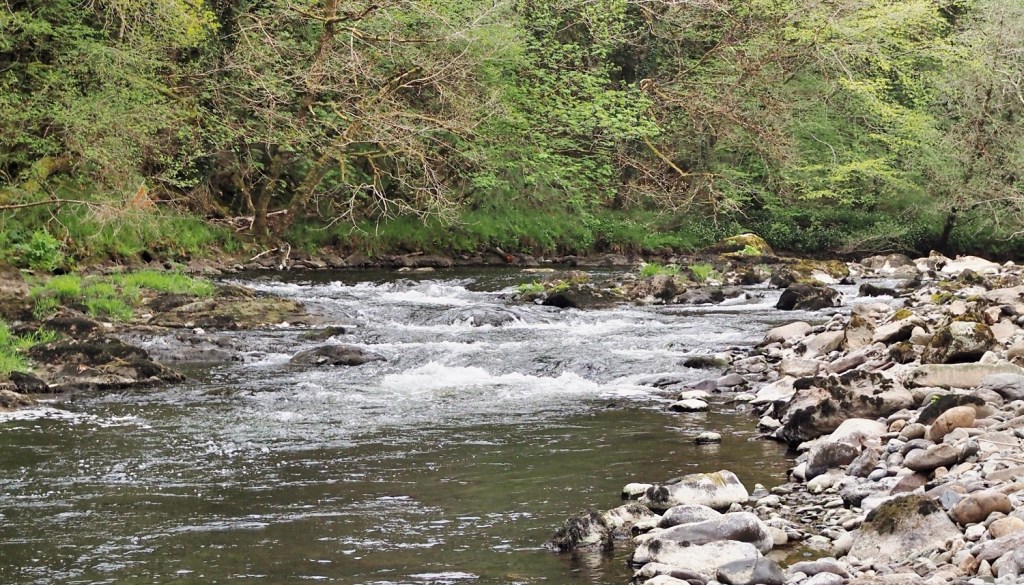
Clouds, mainly grey, flew along the shallow valley on the warm westerly wind. The breeze and overcast were perfect for fishing but the light was flat and boring for photography. We walked to the riffle that we had identified as a good location during our last visit and set up our respective gear. I had a pocketful of stuff. The cameras and lenses required luggage.

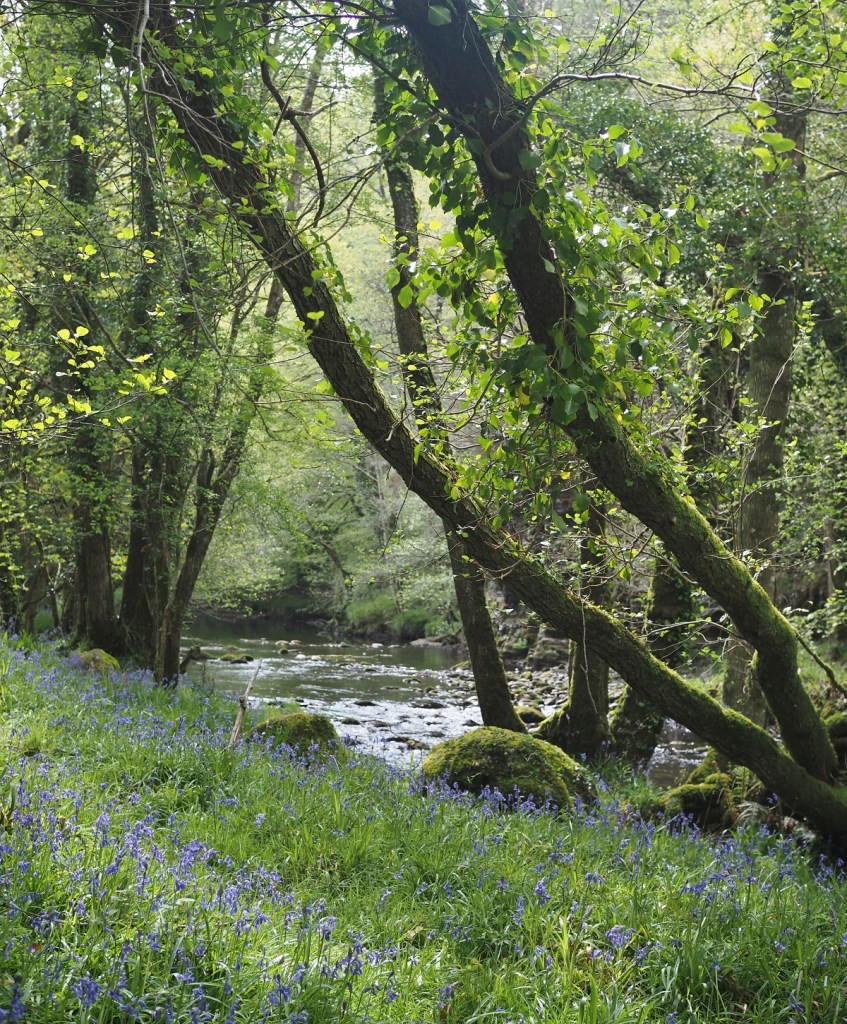
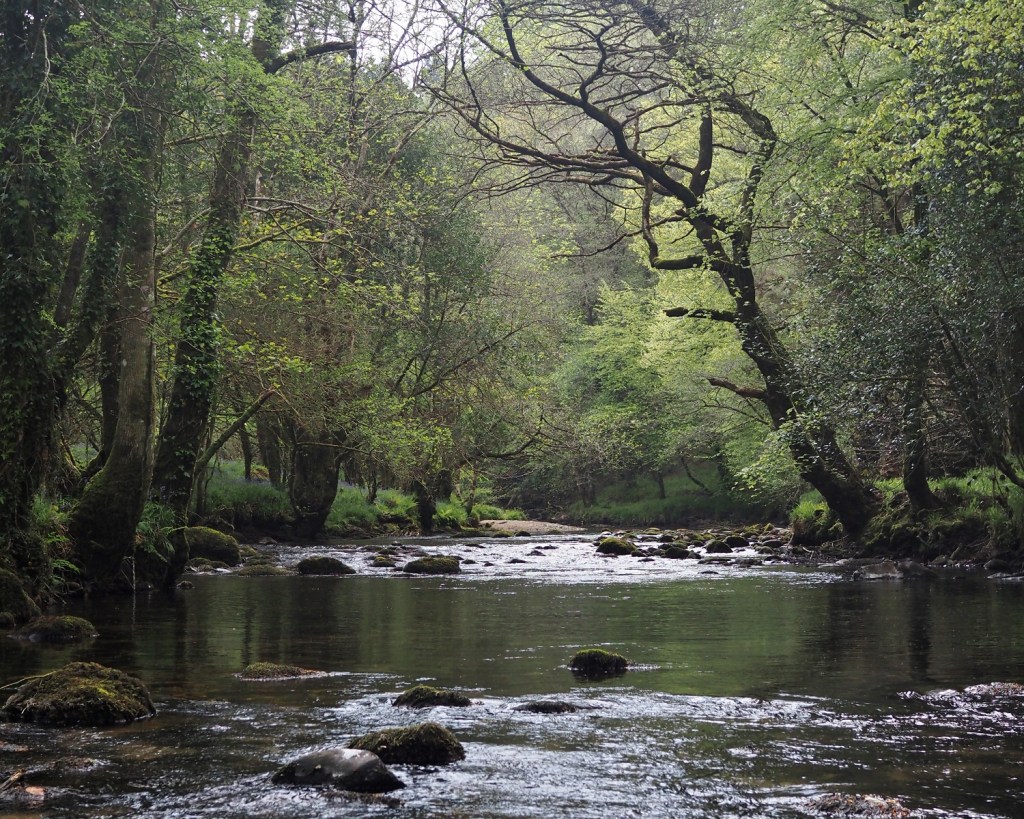
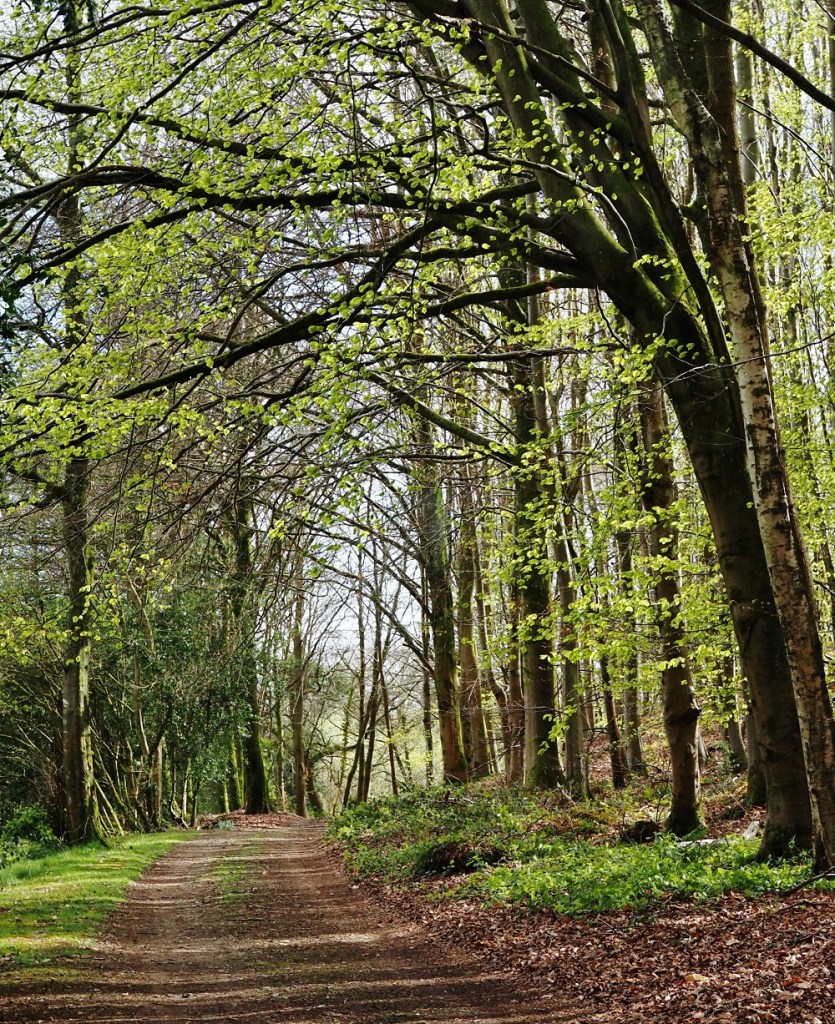
Cascading alder trees

The plan was simple, I would fish down and across towards the distant long-lens. I would catch a monster trout for posterity. The cloud cover started to break up as I worked my way slowly down the riffle and the occasional patches of blue sky were welcome. Alder and grannom settled on my jacket but the fish were not rising. After a few minutes I had a splashy take but it took me by surprise and my reaction was amateurish. I rested the water and chose another fly pattern. The GRHE never fails to deliver a trout. I worked my way down to the middle of the riffle where the river is deeper and had a tentative take but I failed to connect. I suspect it was the same small wild fish that had dropped downstream.

Magic trees

Further upstream, much casting and posing failed to get a reaction and we embarked upon Plan B. I had foolishly guaranteed to catch a fish from the secret lake in the woods. The beech trees along the sides of the deep narrow valley kept the wind off the water, most of which was calm. The wind was roaring through the treetops well above our heads. The slight ripple along the east bank coaxed debris across the lake and under the overhanging bushes to my left. The trout were not rising but I was confident that I would keep my promise. The scene was set and the long handled landing net was waiting close to hand.

After a few exploratory casts in the margins, I flicked the black neoprene buzzer further out and let the fly line arc round. The gentle tug on the line made an old man very happy. I was relieved but cautioned against any celebrations until the fish was in the net. Much electronic clicking accompanied the splashes. It was about two pounds and dashed away from the net after having its portrait taken. The disturbance put the fish down and despite exploring the margins further along the bank, I couldn’t make it a brace. We walked to the other lake where the trout were occasionally rising for emerging buzzers. The heavy fly line and strong tippet were not ideal and we departed without troubling the fish further.

It had been an interesting trip. I concentrated on fishing and the camera had not been a distraction. I had started in Devon mode and messed up the early contacts but the Sussex muscle memory had come good in the end.

PS. A couple of days later, after collecting my diaries from Otter Bookbinding in Midhurst, I returned to the river but the blustery 50mph wind chased me away without wetting a line. Much concentration failed to extract a trout from the lakes in the wood.

28 – 30 March – Three Rivers

28 March – River Walkham

The River Walkham is my home river but I don’t fish it often, casting from the garden seems like cheating. In the summer I greet the little trout each morning and watch them feeding, they are part of the family. I had never fished two of the Walkham Beats. I eventually found the gate giving access to one of the upstream Beats and wandered down the side of the valley, through the woods to the river. Wow, I should have visited earlier, it looked lovely in the watery spring sunshine. It had been hot over the weekend and the fish had retired to the shelter of the tree roots and deep pools. I saw one fish but it saw me first and did a vanishing act in six inches of water ! Sedges and Blue Winged Olives filled the air and I decided to stick with a GRHE nymph, as usual.

River Walkham

The water was crystal clear, pouring directly off the moor. No run-off from agriculture or sewage outfalls polluted the little river. The deep narrow valley kept the sun off the woodland floor and the riverscape looked a bit bleak and wintery. I walked to the top of the Beat and fished back down. The woodland and river banks had not been ‘managed’ and it was tricky to find space for even a roll cast. Buzzards mewed high above the tree canopy, a wren fussed about beside the river and a kingfisher zoomed downstream. I saw another fish, slightly smaller than the first, but it arrowed away upstream into a culvert. I will return when the water is warmer.

29 March – River Tavy

It was a grey day but by early afternoon the mist had burnt off. My favourite Beat on the River Tavy beckoned. The river is wider than the Walkham and there are no casting restrictions. I knew exactly where I would start to fish, the riffle below the bend with the dead tree. It was a bit chilly and occasional drops of rain threatened to develop into a shower. The rocks were cold and the exposed algae and weed mimicked the smell of the seaside. The river seized my nymph and quickly put a bow in the line. Mending the line and hanging the leader on exposed midstream rocks enabled me to search the deep runs thoroughly and I was confident that I would get a take.

River Tavy

Some of the dead trees had been knocked over by the winter gales, they reminded me of the dinosaur skeletons in the Natural History Museum. The thin rocky soil prevents deep rooting, rain and the strong winds funneled up the valley had taken their toll. I searched among the stones and rocks under the exposed root ball but there were no treasures.

Oak skeleton

I fished all the runs and pools to the best of my ability and was slightly surprised not to catch anything. Even the big pool under the oak tree failed to produce a fish. Nevermind, it had been a good afternoon.

30 March – River Tamar

Rain was forecast, then snow later in the week. It was a bit misty and cold when I arrived at the river, the border between Devon and Cornwall. As I crossed the fields I wished I’d worn a heavier jacket but the sight of the river warmed me. A snipe rose from the rushes in the ditch and went jinking-off across the field, not happy with my intrusion. The work party had trimmed the trees and strung a new fence along the river bank. The big river required a good double-haul just to reach midstream.

River Tamar

I walked half a mile to the top of the Beat and fished the slow glides down and across with a nymph. The big riffles demanded a heavier and brighter fly so I swapped to a black and silver spider for those stretches. Blue sky and bright sunshine at lunch time produced a good hatch of Blue Winged Olives and midges.

Oops . . .

The newly installed fencing required a high back cast. I retrieved all the snagged flies. At the bottom of the Beat the water flowed evenly and the trees along the far bank threw a shadow across the river which made watching the leader a lot easier. Without warning a fish took the nymph and lifted my spirits. I bullied it away from marginal debris, admired the little fish and returned it in a quiet pool. It was a very silver fish with large eyes, possibly a sea trout smolt. My first fish of the season.

Steep banks !

I caught a trout on my first visit to the Tamar last season. As I wandered back across the fields to the car, I resolved to spend more time in Cornwall.

22 March – River Plym

Cottage chores or fishing? A Blue Winged Olive settled on the window frame, it was a sign from Isaak. A Merlin helicopter passed overhead on its way to 42 Commando HQ at Bickleigh, that was another sign; I should fish my favourite river, the Plym. The weather forecast was for cold, easterly winds but as I looked over the bridge parapet in the village, a gentle south-westerly was hardly enough to disturb a cloud of midges. How do they get the forecast so wrong ?

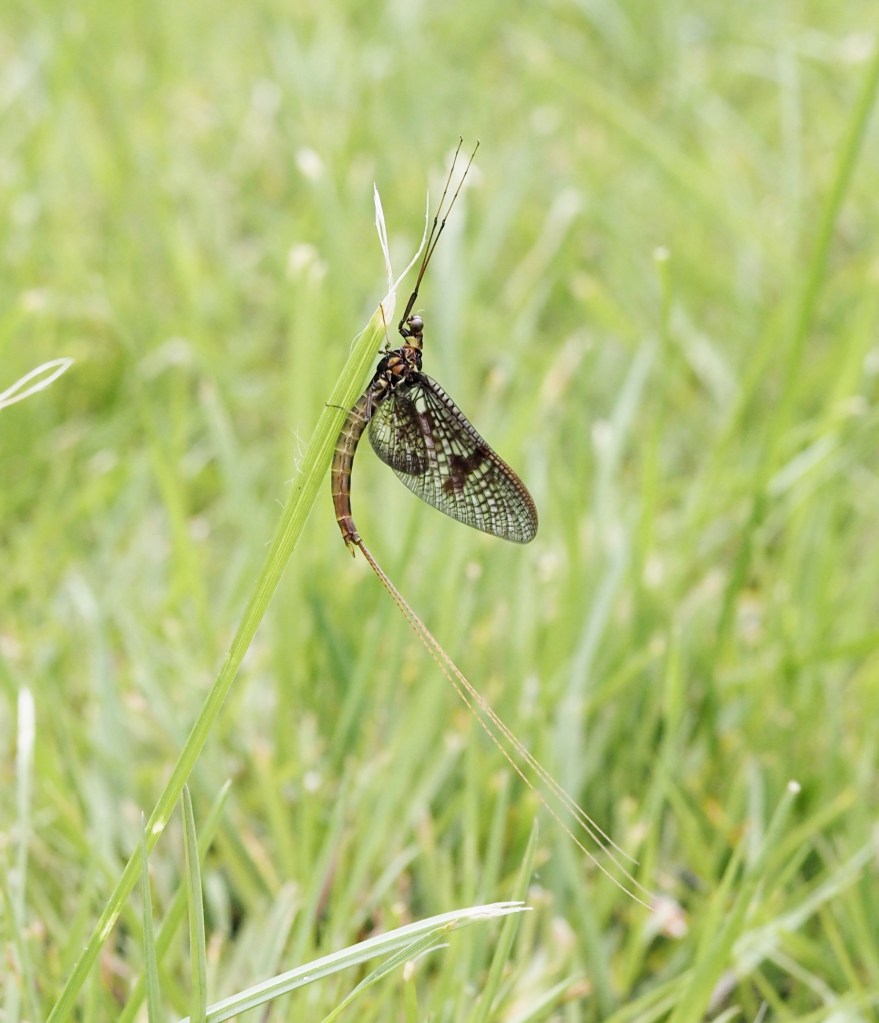
Yellow Spotted Sedge

The gorse was on fire at three separate locations to the north of the main Plymouth road and traffic had been diverted across the moor causing traffic jams. I eventually arrived at the river and hopped over the barbed wire into the quiet, shady woodland. I started at the pool just below the bridge. Sedges were hatching everywhere and a dipper frantically worked the opposite side of the pool picking off the emerging nymphs. I flicked the weighted nymph under the bridge and worked the deep water between both arches but despite my confidence nothing rattled the rod tip.

The river was crystal clear and flowing well. I crept along the waters edge, keeping low to avoid shadows. Each riffle and pool promised a fish but the fly remained unmolested. Just as I reached the most productive stretch four spaniels and a labrador crashed into the pool in pursuit of a tennis ball. Their owner looked a bit embarrassed and said that he would take the dogs further downstream. I left the river and drove to the bottom of the Beat.

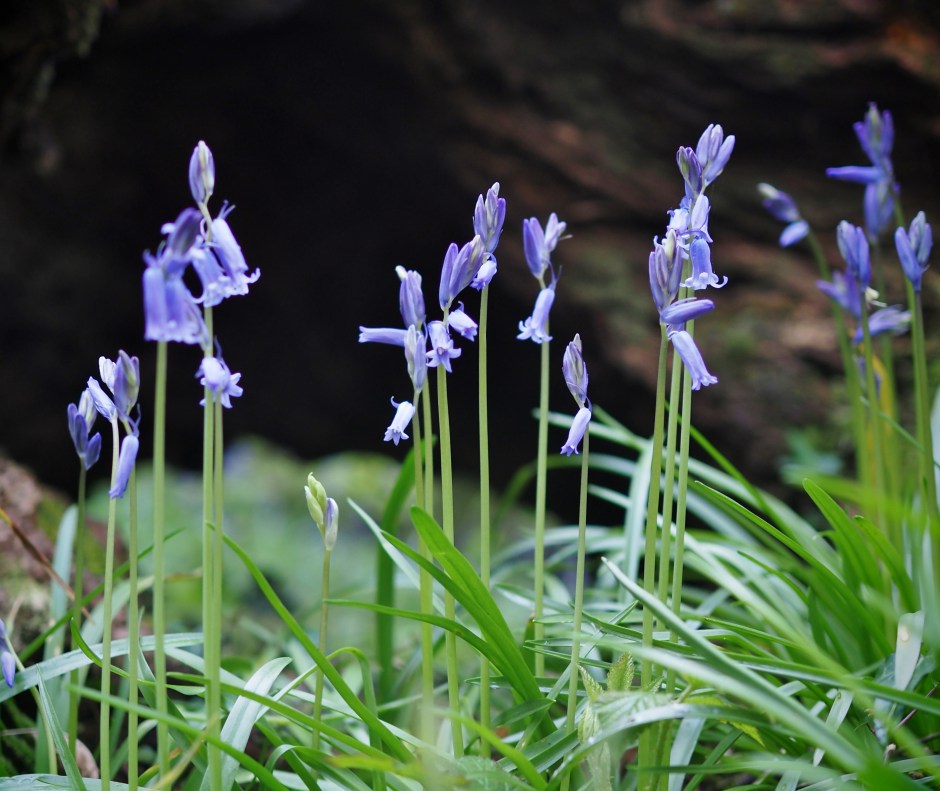
Although I had removed three bin liners full of bottles and cans a few days earlier, Carlsberg cans dotted the emerging bluebell shoots like mushrooms and there were fresh embers in a fire pit. I cast upstream and worked the GRHE nymph down the channels in the bedrock. The best pool curved around a sheer rock face and I was relieved to have it to myself for thirty minutes. The sandy beach only had the footprints of deer, no humans or spaniels had been there.

No spaniels

I was slightly disappointed not to catch a trout but the warm breeze and bright spring sunshine were reason enough to be beside the river, the season is young.

17 March – Plym Walk

The beautiful spring morning demanded a walk beside the river. My access to the Beat a few days earlier had been prevented by unfriendly signs but careful examination of the map revealed an alternative path. I wanted to explore the river but it wouldn’t do any harm to take a rod along for the walk, much like a dog except it wouldn’t chase pheasants.

River Plym

The walk started badly. In my haste to reach the river bank a hundred feet below, I left the path and headed down through the woodland on the valley side. The steep slope became steeper and I lost my footing. I crashed through the trees and down onto the stone path having jettisoned my rod in mid tumble. I checked that my rod was unbroken before my arms and legs. Badly winded and bruised I thought about abandoning my expedition but the river beckoned. The first pool swept under my bank and would surely hold a trout.

Crystal Clear

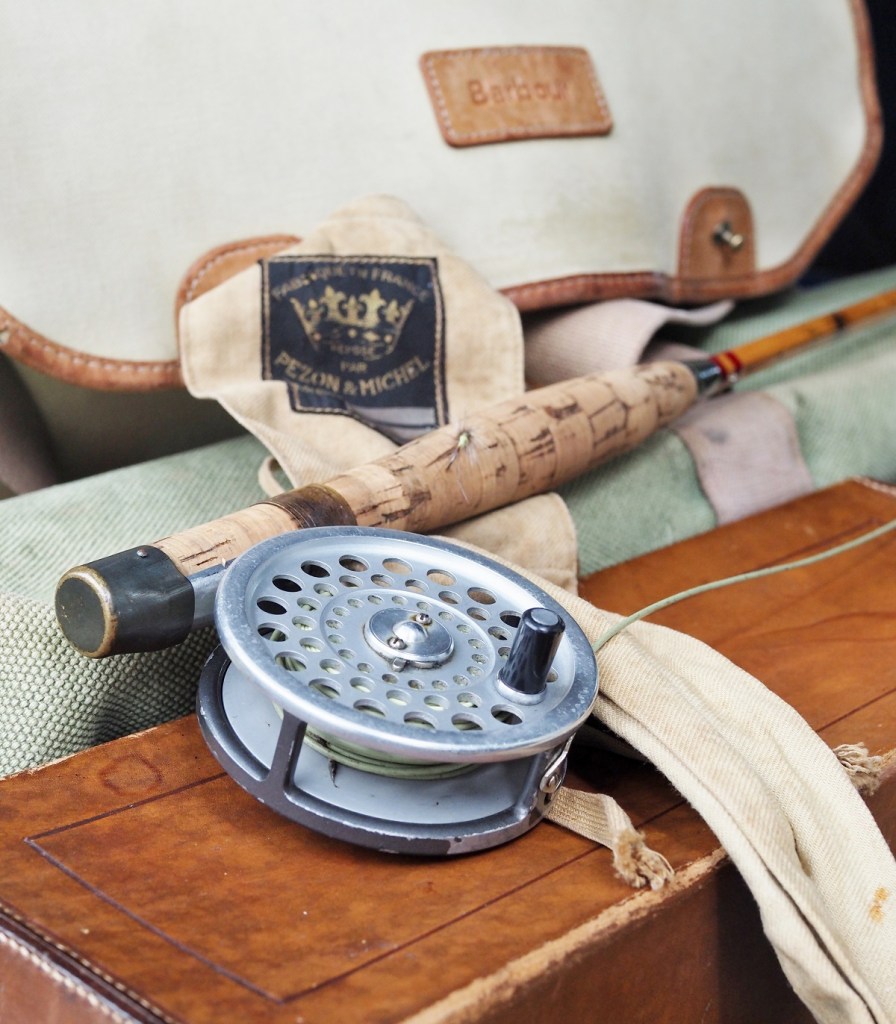
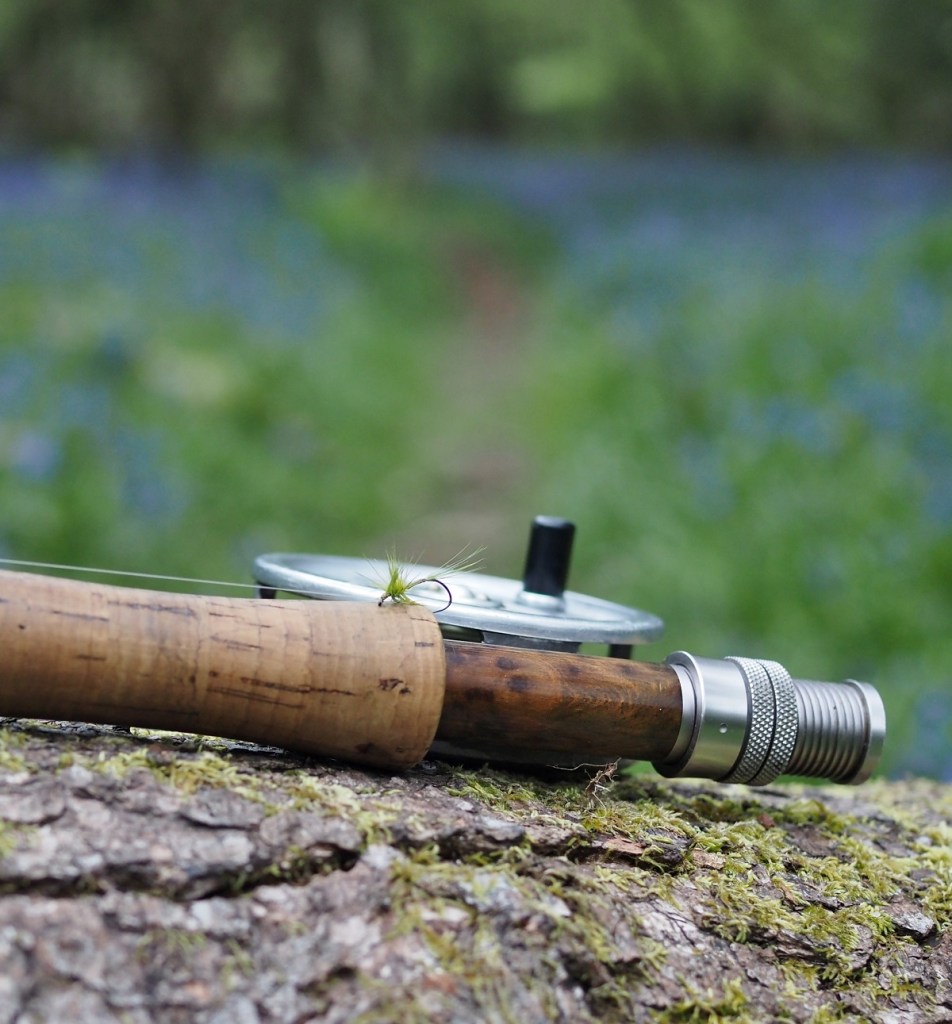
I fitted the Hardy together, threaded the line through the rings and tied on a GRHE nymph. My shaky start ensured that the line and fly became tangled in the trees several times before getting wet. A pull from a trout would have steadied my nerves but it wasn’t to be.

I walked for about a mile, fishing the deep pools, until the hot sun and my bruises told me to turn back. I’d walked about half the Beat. I’d escaped serious injury and resolved to stick to the path in future.

15 March – Opening Day

Tapered leaders had been glued, rods waggled and fly lines cleaned. I was ready for the start of the trout season in Devon. The myriad choice of rivers was confusing. I walked my favourite Beat on the River Plym yesterday. The water looked beautiful but the litter annoyed me. I collected three big bin liners full of beer cans and bottles from between the bridge and the first pool, it filled the Defender.

River Plym

I planned to fish a new Beat but unsure of the access, I was confronted with signs threatening dire consequences if I entered the woodland. I will return in a few days with a map. Plan B unwound as I trundled along the lanes not concentrating on navigation. I eventually found the river and left the Defender on a slippery rock outcrop.

Commando Pool

The water level had dropped but the riffles crested white and I could hear the occasional clunk as a boulder shifted in the current. Blue Winged Olives were hatching in good numbers and the choice of fly was obvious, the usual small GRHE nymph.

Tavy Lower Beat

My first few casts were amateurish and I had to retrieve the fly from various twigs and brambles. A comfortable routine soon established itself and muscle memory returned, I was in the groove and focused on the likely fishing holding places. A deep channel in midstream with a pale rock base looked promising and I was surprised not to get a take.

A Dipper flew downstream and a couple of Buzzards were using the thermals over the far side of the valley, their mewing was a welcome distraction.

Tavy Lower Beat

I fished the deep water under the trees until I reached the end of the Beat. The bright sunshine and clear water were a hinderance. I need to tie some nymphs with a few extra turns of lead wire. I had enjoyed the walk and was only slightly disappointed not to have caught a trout.