It rained throughout the drive back to Devon. It was wet enough to discourage the mid-week drivers but not enough to fill the rivers. Dartmoor soaked up every drop of rain.
After five years of ownership I still hadn’t figured out how to tune the Volvo radio and I couldn’t be bothered to change the CD. I lapsed into zombie-driving mode. My mind wandered. Which river should I fish, which beat ? The lower beat on the Tavy was calling and the rota assigned it to me the following day. I took that as a sign.
I left the cottage after lunch, the old Defender started on the first attempt and on the way to the river, a young girl smiled and pointed it out to her Dad. I returned her smile. The beat was deserted and the river looked perfect. I was quietly confident that I would catch a trout or two.
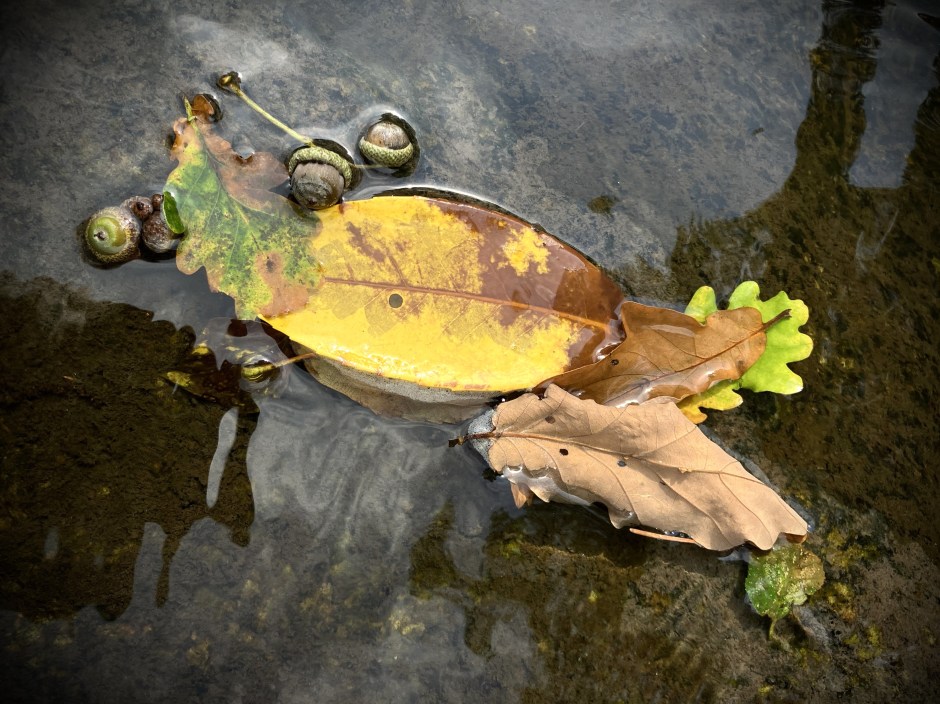
After flicking a nymph into a tree I settled into a rhythm and from the top of the beat, I worked all the usual pools and riffles downstream. The prolonged hot weather had stressed the trees which were shedding leaves. The river had just enough ash and hazel leaves tumbling around to make life difficult. The back eddies and slacks were unfishable, it’s amazing how easy it is to hook a leaf !
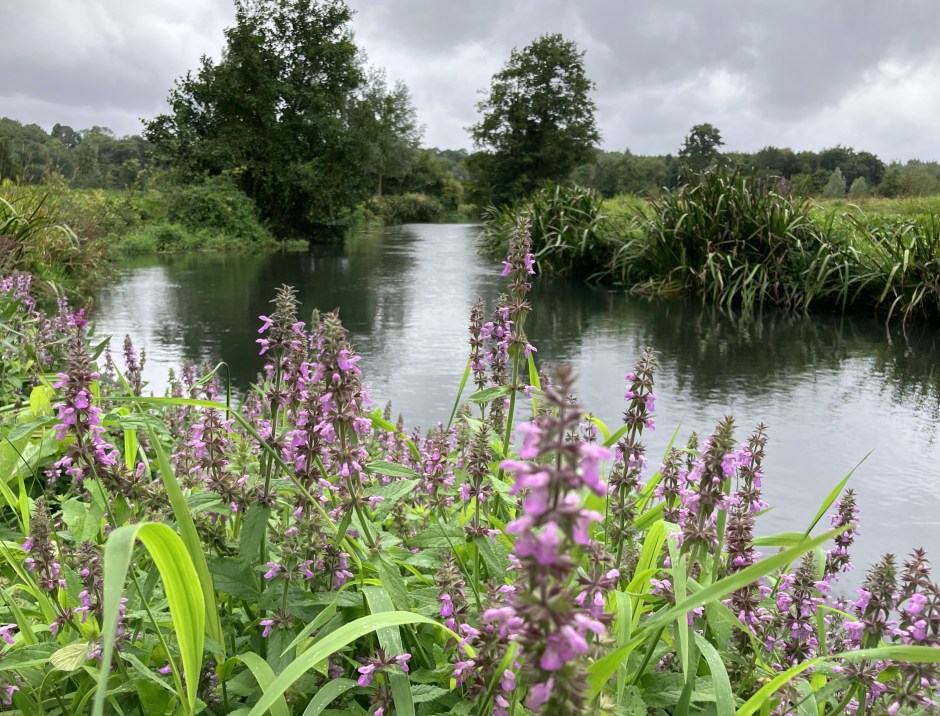
A few small trout were rising for midges but none were interested in my dry fly. It was a pleasant walk and the scenery was beautiful. We need prolonged heavy rain.
Three prolonged, thirty-degree heat waves had prevented me from fishing the Devon rivers for over a month. The water temperature had crept up and the water levels had fallen. I walked beside the Tavy which looked beautiful but after twenty minutes the intense heat drove me back to the Defender.
I drove to the farm on Friday, crawling east along the A303 towards Surrey where, according to the Met Office, torrential rain and flash floods were waiting. I passed caravans fleeing from the school summer holiday migration westwards. It rained gently all night, there was no thunder. Rain on Dartmoor flushes through the spate rivers in hours and enhances the fishing but the lowland rivers in the south east, carrying silt and agricultural run-off, overflow into the water meadows and the river levels are slow to fall.
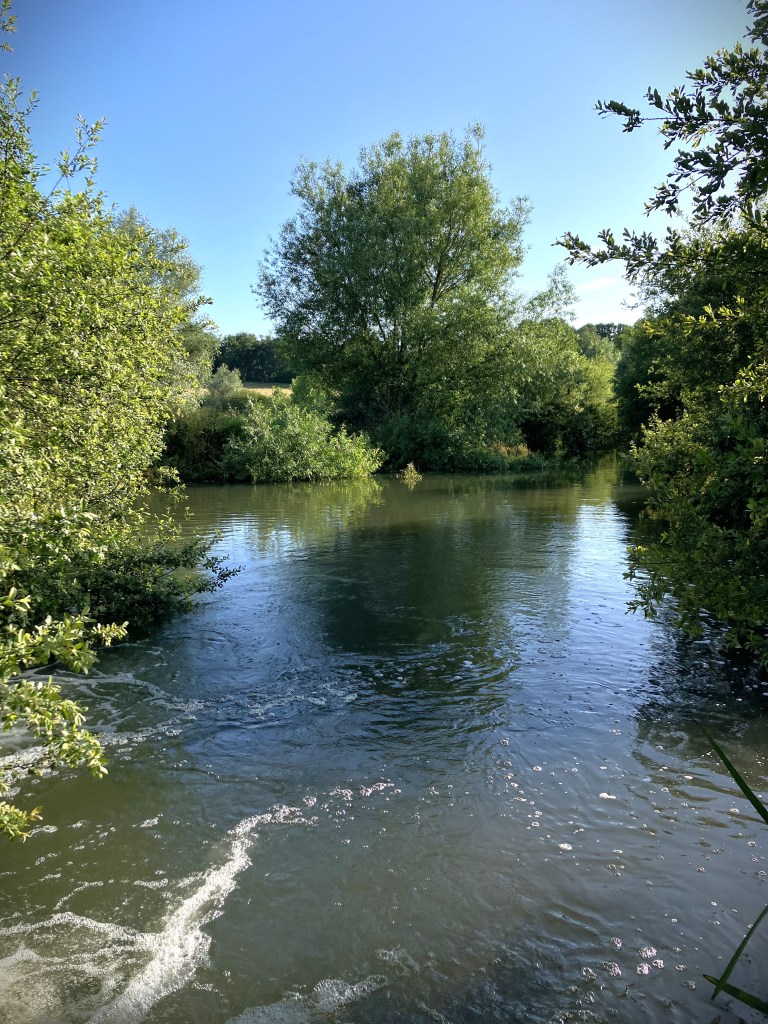
Saturday 19 July – As I approached Petworth I was undecided about where to fish. The North River at Billingshurst had not risen and it was likely that the Rother would be fishable. On impulse, I took a left turn through River Hill and the Magic Woods to Little Bognor. Spring water flowed under the little bridge keeping the water cool. Trout were rising. Rolling over, head and tail rises for buzzers.
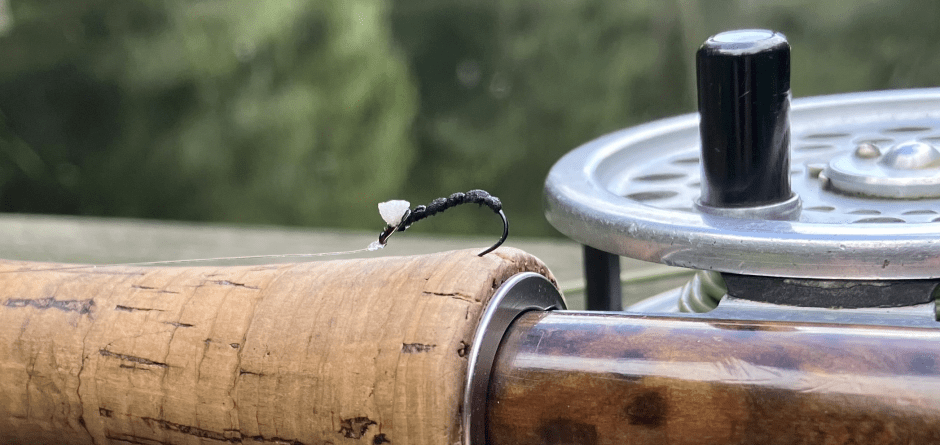
The fish were cruising about a foot below the surface picking off buzzers as they ascended and struggled in the surface film. The lake was flat calm and the leaf debris remained stationary. I targeted feeding fish. A new leader, a light tippet and a black neoprene buzzer produced a trout second cast. I saw the white flash of its mouth before slowly lifting the rod. A couple of trout inspected the buzzer but rejected it, time for a change of fly.
I swapped to a dry fly, a black gnat, which hung in the surface film for a few minutes before a passing fish gulped the fly down. I paused before connecting with a slightly better trout. The third fish took a parachute pheasant tail confidently and I delayed tightening the line. Three takes, three fish hooked and three landed. Well above my average success rate. I flicked a fly at a fish cruising beside a lily bed on the upper lake but after a very close inspection, it sunk back into the dark water, unimpressed.
Sunday 20 July – It rained during the night and the North River was up. I spent a couple of hours flicking flies at carp but they were not interested.
Saturday 26 July – Occasional heavy showers during the week caused the Rother to rise a few inches but by Saturday the level had dropped. I hadn’t fished the top beat for a while and I thought there might be a chance of a monster hiding in the streamer weed. It was hot and humid. Thunder clouds rolled slowly over the South Downs and threatened a soaking. I was surprised by the growth of the trees and bankside plants, it was more of a jungle than I remembered.
I waited on the bridge, watching for a rising fish. A small fish rose twice but I had bigger trout in mind. I wandered downstream, casting into difficult pools between trees, dropping a nymph alongside the streamer weeds. I came to a long pool with easy access and sat down close to the waters edge. I cast across the flow, worked the nymph under the bushes and allowed it to drift towards the near bank. Eventually, I felt a tap and wriggle on the rod but I was too busy watching a buzzard and missed the take. After about an hour exploring downstream I returned to the pool but I couldn’t find the trout.
I drove to Keeper’s Bridge and saw a trout rising in the usual place, below an alder tree and just above a clump of streamer weed. It took a parachute pheasant tail second cast. I walked upstream to the sandy pool and saw a fish rise on the top bend. The same fly also tempted that trout. Two small trout were not what I had planned but it had been an enjoyable evening.
Sunday 27 July – It was windy and much cooler than Saturday. I cut through the woods at Fittleworth and anticipated good sport at Little Bognor. Unfortunately there were members already fishing. Never mind, plan B saw me hiding behind the shoulder high ferns beside the willow tree beside the top lake. I was distracted by a rising fish on my left and when my gaze returned to my dry fly, it had disappeared amidst a swirl. I waited in vain for the leader to move. Several changes of fly later, I hooked a small fish close to a weed bed and managed to ease it into the net. When I returned to the car I was pleased to see that the bottom lake was deserted and that the trout were rising. I hooked and landed a good fish. A series of amateurish casts and hooked trees signalled the end of a pleasant day.
After a week of decorating during a heat wave, I deserved some down time beside the river. I swapped a paint brush for a rod and the thirty degree heat for the air conditioning of the car. I got to the river late in the afternoon. My arm ached and I stumbled around on the uneven ground beside the weir pool trying to ignore the pain in my back. The pain killers kicked in and all was well.
The water was deep and coloured. Dark olive with a hint of sediment, courtesy of the weir. I was confident that the pool held fish and worked a deep sunk nymph through the eddies and close to the overhanging bushes. The narrow slots between the bushes and the gusty wind required accurate casting, no flies were lost ! I eventually hooked a small trout in the bubbles just below the weir but it jumped and flicked the hook from its mouth.
I drove to another beat and was happy to have the river to myself. I had an appointment with a fussy trout that had evaded capture on my last two visits. The fish swirled as I was approaching the shallow water in the shade of an alder tree. It was taunting me but I had a cunning plan, don’t put the fish down by casting a weighted nymph, start with a dry fly. What could possibly go wrong ? I chose a heavily dressed, mayfly spinner pattern and flicked it into the slack water just above a clump of streamer weed. The fish swirled and retreated into the weeds.
I walked downstream to another alder tree with a patch of streamer weed in its shadow, where a second fish had rejected my flies last weekend. Two swans were uprooting weed and I retraced my steps. I swapped the soggy spinner pattern for a small, very lightly dressed mayfly and as I tightened the knot, the fussy trout rose slightly upstream. I roll cast the fly from my hand and it landed nicely a couple of feet above the fish. The trout grabbed the fly without hesitation and went on a long run. It fought like a four pounder and I had to use the full curve of the long rod to lever it away from the bankside weeds. Short rods are no good for snaggy margins.
I was particularly pleased to have caught the trout. I had learnt about it’s habits on my previous visits. It was not easy to deceive and I was happy to see it swim away. It will be under the weeds next time but I will leave it in peace.
It was six years since I’d fished for trout on the 21 June. That day, the weather had been kind and I’d caught a couple of fish. Now, with England in the midst of a thirty degree heatwave, the trout in the Western Rother would be hiding in the weeds, deep in the shade and would be difficult to catch. The south easterly breeze from the continent did nothing to moderate the blistering heat. There was no point in visiting the river until the evening. I waited impatiently until the temperature dropped before setting off for Petworth.
The plan was simple. Keep in the shade. Alder trees along the north bank cast dense shadows along an east-west section of the river. As the sun dropped, the shadows lengthened. Perfect. Mayfly hatched regularly from the shallow water, a steady trickle of green drakes fluttered into the trees behind me. A few swallows flew up and down the river like little missiles, snatching the occasional fly but most of the duns made it safely to a resting place. I warmed up my right arm by casting a nymph into an overhanging tree.
Casting upstream under an alder tree, I hooked a small fish which leapt into the air and threw the hook. It could have been a sea trout smolt. Further downstream, I crept into place and explored a shaded patch of water with a mayfly nymph. A trout rose to my right, so I swapped the nymph for a French Partridge Mayfly and flicked it downstream. A few casts later the trout took the fly and battle commenced. I treated the fish gently at first and it stayed in mid-stream. I had to hoop the rod over as the fish approached the landing net but everything held and a two pound plus trout rested in the mesh.
I was content, the plan had worked. I wandered downstream passing the exposed stretches of river, seeking shade for both myself and the trout. I felt that I had caught sufficient. Just one more cast. I found a rising fish in the main flow and presented the fly without drag. The fish obliged but came adrift after a few minutes. I walked to the riffle where several fish were rising. I missed a take, I was hot, tired and dehydrated. Time to return to the car for a drink. On the drive home I thought about the following day, would the same tactics work on a different stretch of river ?
The tactics were the same but a 20mph blustery wind meant that presentation was difficult and the two rising fish that I found, sheered away from the skating flies.
The River Tavy dropped to a fishable level on Monday so I took the Sage for a walk along my favourite beat. The peat stained water from the weekend downpour rushed past and I knew that it would be a waste of time using a nymph, I needed something with a flash. I’ve never caught a trout on a Peter Ross or any other traditional wet fly. My fly boxes are full of Butchers, Dunkelds and Invictas, flies lovingly made fifty years ago, that have never been used.
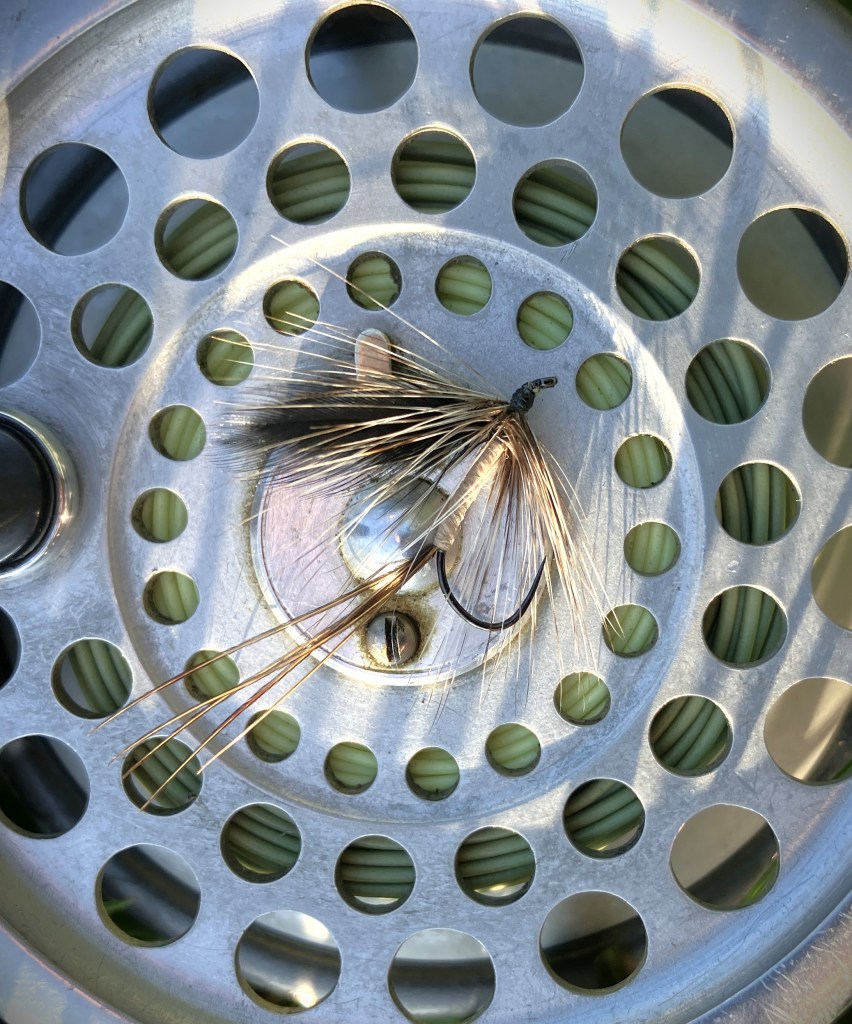
I dragged a small Peter Ross around in the water at my feet and admired the way the barred teal slicked back to imitate a tiny fish. I lacked confidence in the fly but at least the trout would see it easily. Sea trout had been caught lower down the river and after a fruitless thirty minutes exploring the first pool, I wondered if a couple of large sea trout had taken up residence and scared the little brownies away.
I paddled on the gravel beside a long, wide riffle and worked the fly down and across. An above average size brownie seized the fly, jumped and threw the barbless hook. I walked downstream and chatted to another member who had caught a sea trout about two pounds and lost another about four pounds. His success tended to confirm my theory that big sea trout push the small trout out of the best pools. I got home just before the rain. I moved some traditional flies from my presentation fly box into the box in my jacket pocket.
On Saturday the river was settling down after another spate. I walked to the bottom of a beat further down the river and admired the foam flecked water as it poured over the top of the weir. Salmon and sea trout would have no difficulty in swimming upstream. I watched the water for a few minutes hoping to see a fish but they were probably long gone, I turned back and walked to the top of the beat. The humidity was high and the air was thick with midges. The river was too high and my rod remained in its bag. It will be perfect on Sunday if there is no more rain.