23 August – Morning and Evening

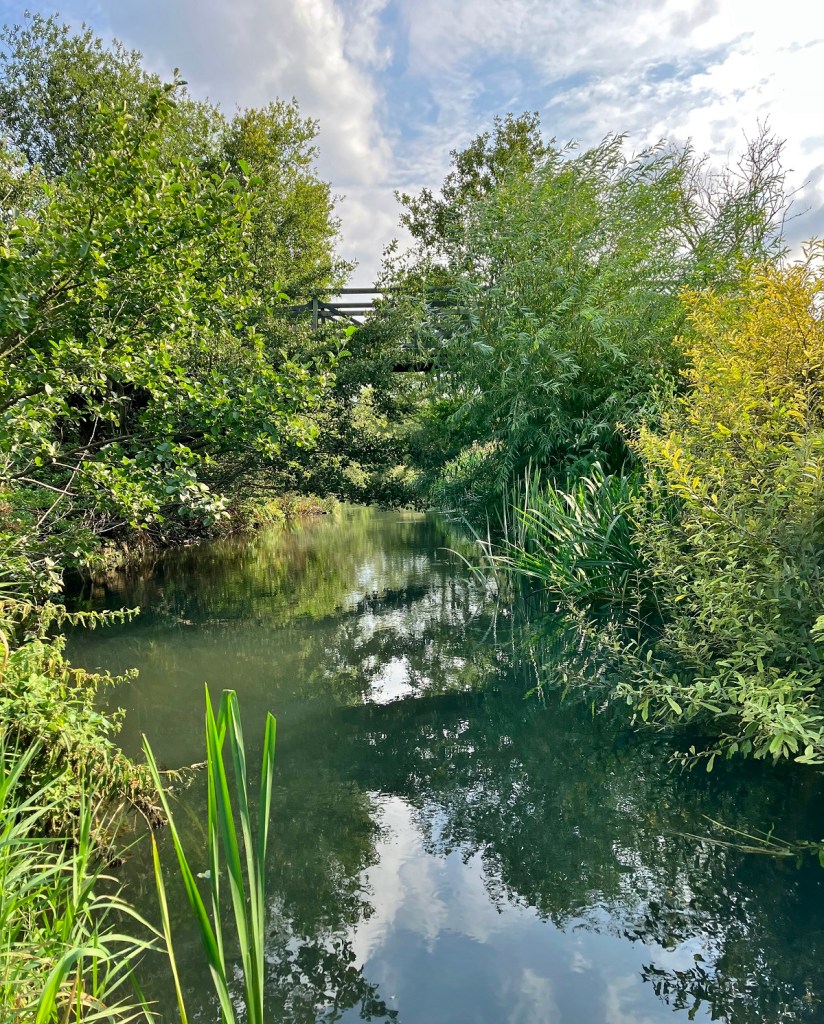
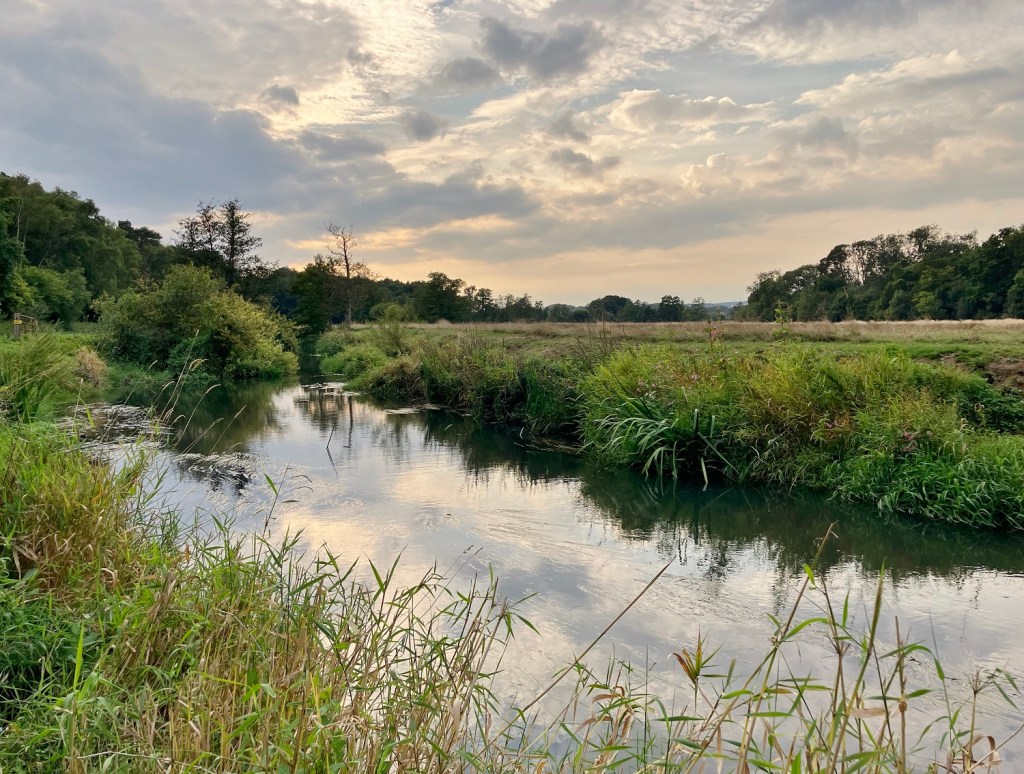
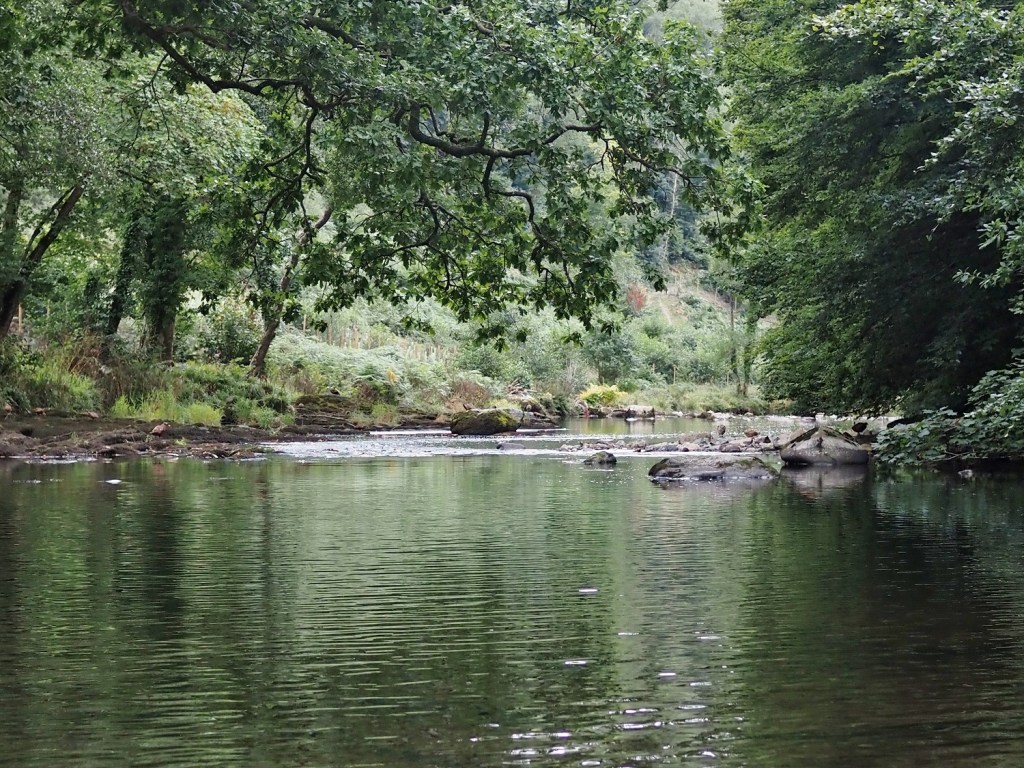
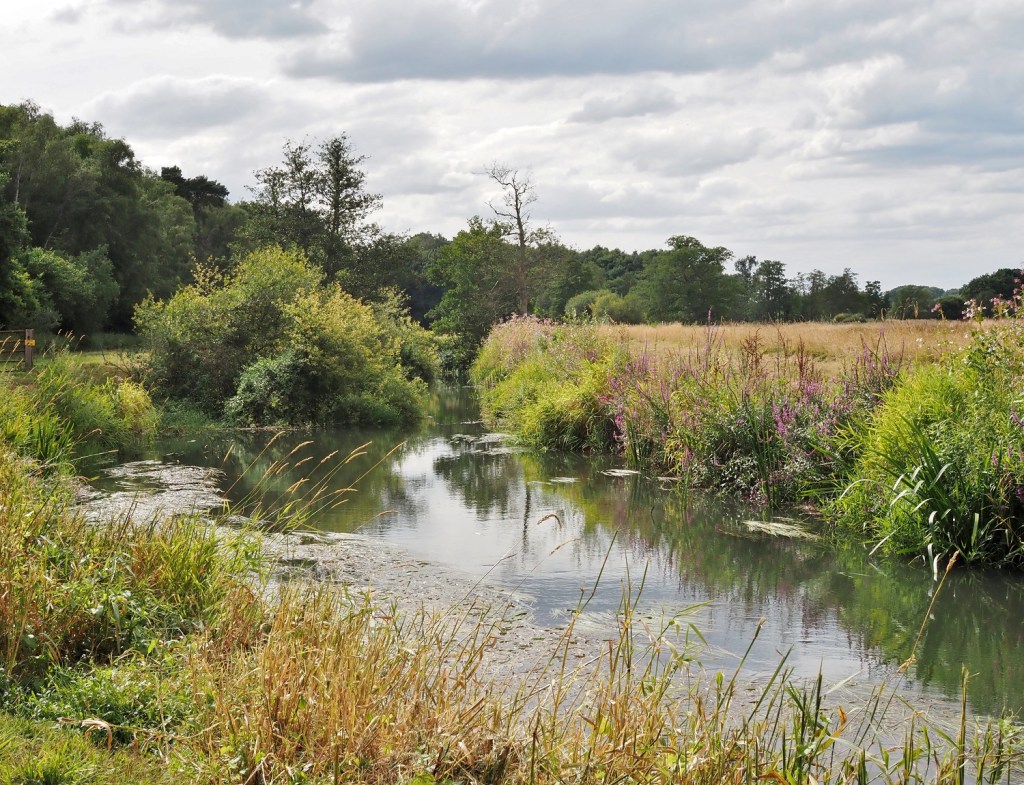
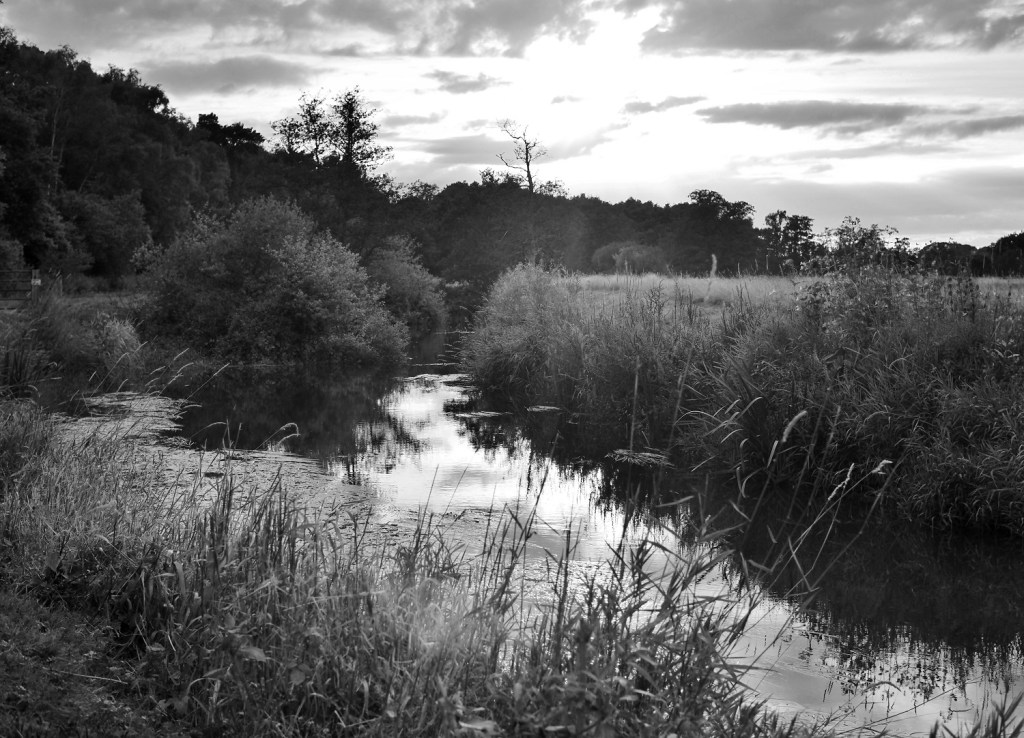
Morning – It was a “misty, moisty morning, cloudy was the weather“. I broke with tradition and left home before breakfast. I sneaked through the woods and startled a couple of deer drinking in the River Plym. They took flight, bounded noisily across the water to the far bank and dashed away through the woods. My approach had not been as stealthy as I thought. The river was low and clear, a few leaves swirled in the back eddies. Beech leaves, usually the last to be shed, made up the bulk of the debris. I stood beside an alder tree, watching the water for any signs of trout. There were none. A kingfisher zoomed past heading downstream, piping as it disappeared under the bridge.

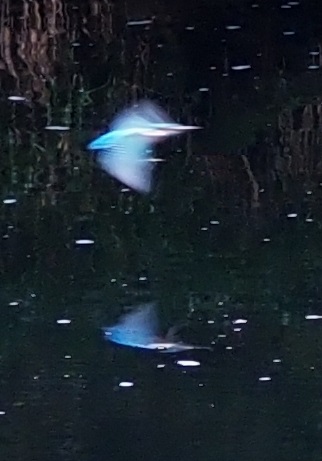
I waited for about an hour, watching the mist condense and evaporate. The pool upstream looked beautiful in the low morning light. I heard a deer approach from behind. I was unsighted, shin deep in it’s watering hole, hidden by a hazel bush. I became a statue but the deer sensed me and moved away. A sea trout rose at the top of the pool and that was my sign to get closer. A long detour through the bracken enabled me to get into position behind a gorse bush. The kingfisher returned with its mate and the pair, constantly piping to each other, darted around the pool looking for tiddlers.

The sea trout were active, a fish splashed every twenty minutes and there were occasional silver flashes deep in the water as they tried to get rid of lice. My eyes adjusted to the rock patterns and shadows, fish movement became more obvious. A big fish, 2-3lbs, crept alongside a fold in the bedrock and then finned away towards a sunken tree trunk. It returned to open water and shot two feet into the air. A fresh run bar of silver. There were several fish in the pool. As the sun rose their activity decreased and after an hour, the pool looked barren. I’d left my rod in the Defender but I had caught the beauty of the morning, the kingfishers and sea trout with my camera. I had a fry-up when I got home.

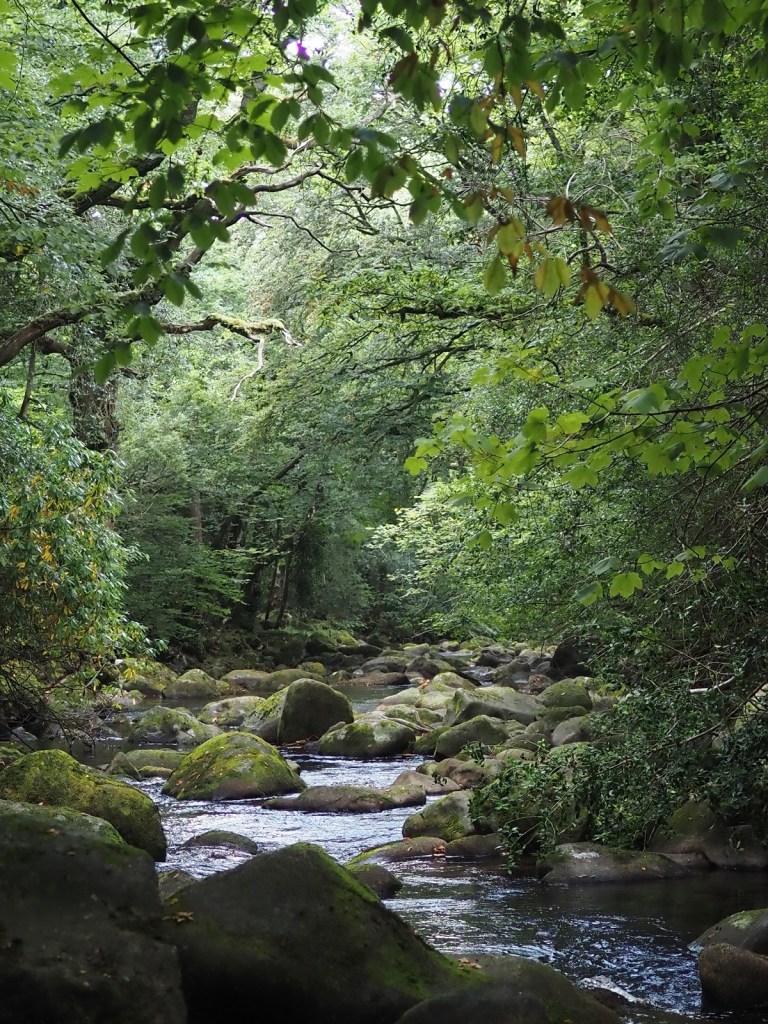
Evening – I was conscious that the end of the season was fast approaching and that I would have no excuse to visit my favourite places on the River Tavy. The light rain ensured that there were no strangers with spaniels beside the river, only sheep. The bracken was waist high and the river channeled mid-stream. I had access to runs and pools that were normally unreachable. Thousands of pheasant poults covered the track and hillside. They had recently been released and wandered around aimlessly. I went upstream without disturbing them. I took a rod.

The top pool had a good flow and I missed a take on a weighted nymph. Lower down the pool a couple of fish rose for large, brown upwing flies but I decided to stick with the nymph.

I watched the runs and riffles for signs of feeding trout but the river was quiet. About a dozen grey wagtails were ambushing flies from rocks mid-stream and along the far bank but I think the trout population had been devastated by predators. They were easy pickings in the shallow, clear water. I walked downstream to the Hut Pool where I was sure to catch a trout. A couple of fish rose in the bubble lane, way out of reach.

The climb back out of the valley over damp granite rocks exercised every moving part of the Defenders suspension and some parts that are not designed to move. Both wing mirrors brushed the bracken and briar along the farm track towards the village. It had been a rewarding day. No fish had been caught, it was enough to be beside the water. The River Rother beckons.

16 August – River Plym

For two weeks it had been very hot, 35 degrees at noon and an uncomfortable 20 degrees at night. This morning, the weather finally broke but the gently falling rain failed to penetrate the ground, it had all evaporated by lunchtime. We needed a thunderstorm not a shower.

The rolling Surrey countryside had looked like a desert, stressed trees shed their leaves and the fields were a uniform caramel colour. A hosepipe ban was in force. On returning to Devon it was nice to see Dartmoor looking green-ish, speckled with purple heather and yellow gorse. The streams on the moor had not dried up, the water felt cool and the moss was green.

Rain in mid-week bodes well, wild swimmers and spaniels stay at home. Mostly. I planned to walk the banks of the River Plym to check the water level and the trout. Of course, I would also take a rod. At the weekend I had watched fish feeding in the River Walkham where the water temperature was 14 degrees and children playing in the weir pool stirred up a continual supply of nymphs.

The trip did not start well, four children and a large dog were playing near the top pool and I fell over while setting up my rod. The wet rocks were slippery. I started with an upstream nymph but the fish were not impressed.

I moved down the river slowly, dropping the nymph into pools and behind rocks. I felt sure that I would eventually get a response. A trout splashed at the nymph as I lifted it to the surface and I swapped to a size 14 Adams. It was a good imitation of the midges skittering around just above the surface of the water.

I dapped the tiny fly behind a rock. A trout shot up to the surface and seized the fly but I was too slow. I rested the fish and tried again. The same fish rose, grabbed the fly and rejected it, all in a few milliseconds. I was too slow again.

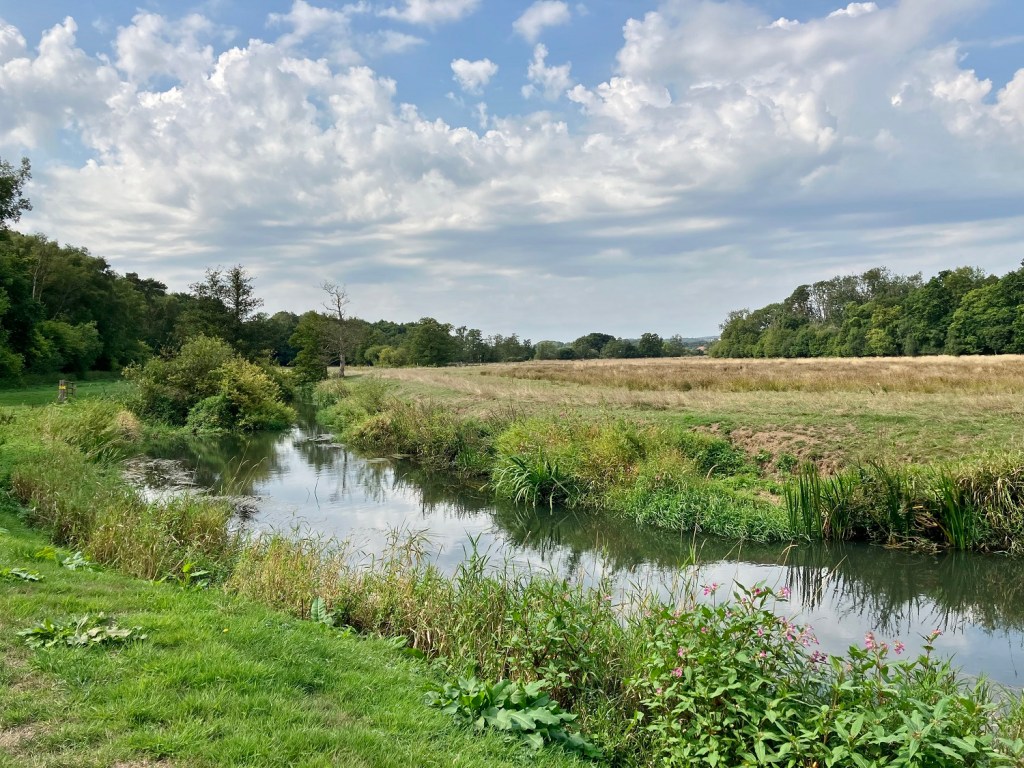
I persisted with the dry fly, rising three fish, all of which I missed. I had a couple of takes on a nymph lower down the river but I left the river without banking a trout. Nevermind, the scenery and riverscape were beautiful.

Wine time

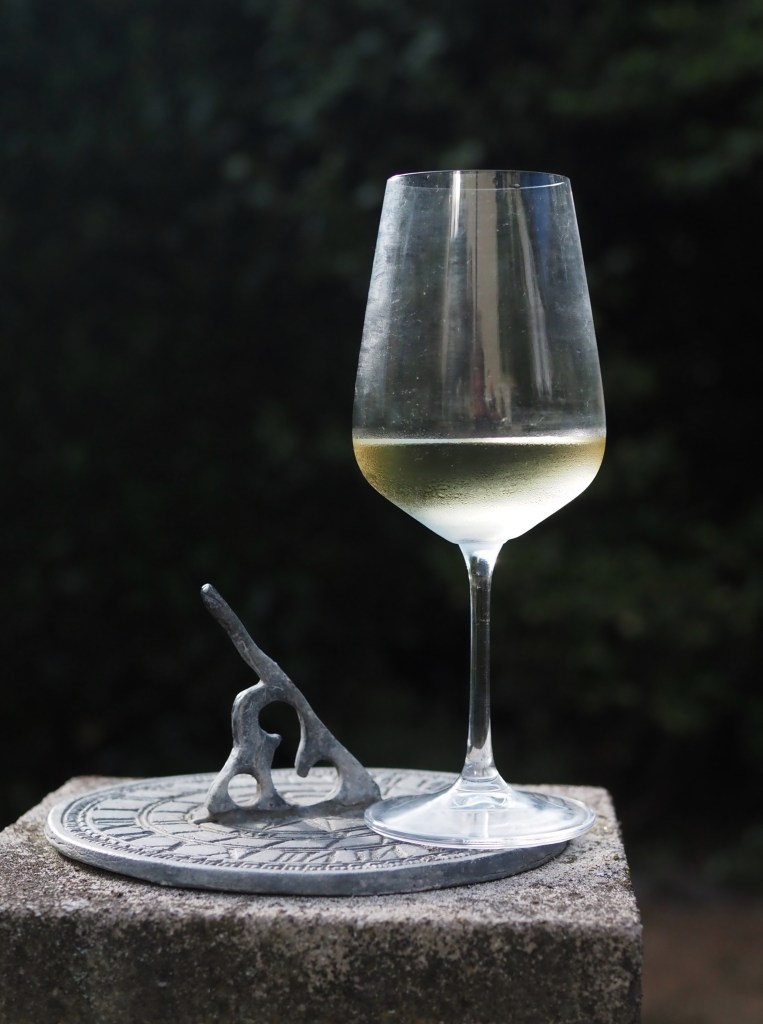
As I drove home, torrential rain hammered on the roof of the Defender and the footwells started to fill. Water dripped out of the fuse box and my boots became waterlogged. I finished the trip with a glass of wine to celebrate the downpour.

2 and 4 August – River Rother

2 August – At 4:00pm it was hot and overcast with a strong downstream wind. I wanted to explore Rotherbridge before an important trip on Thursday. It was a pathfinder mission. I stood in the middle of the bridge and watched the shallows upstream. Lots of little dace twinkled on the sand close to the true left bank but there were no trout. Similarly downstream. The bankside cover was lush and about six feet high in places which helped me to conceal myself and get close to the water.

I was a little surprised at the lack of trout but I was confident that the usual holding places would produce a fish or two. The long deep pool above the bridge looked good and I soon got into a rhythm, cast-drift-hang-retrieve. I covered every square inch with a nymph expecting a solid bang on the rod but there was no reward for my hard work. I then spent about an hour playing with the camera, waiting for the sun to drop behind the tree line. I concentrated on a few places under the alder trees and beside the streamer weed but the nymph was not touched, there were no signs of fish. I left the river about 7:00pm none the wiser. Plan B kicked in.

4 August – Plan B; we met at The Badgers and made our way to Keepers Bridge, the marginal plants had been mown to their roots and there was very little cover on a bright sunny afternoon, not a good start. We departed, one upstream the other down and arranged to meet in a couple of hours to swap stories.

I chose my usual GRHE leaded nymph, confident that if I could find a trout, it would take the fly. It was a formality, what could possibly go wrong ?

Upstream

I wandered up and down the river between the First Pool and the Sandy Pool, looking for signs and prospecting under the trees. Nothing. A fish splashed in consecutive pools as it made it’s way up the Beat, another sea trout which was not worth chasing. After a fruitless session we met back at the cars for a much needed drink and a rest, ready for the evening rise.

Downstream, no cover !

It was my turn to fish downstream of the bridge. I tried all the usual fish holding places but it looked as if I was heading for another blank evening. I eventually arrived at a pool with an alder tree and a wide expanse of deep water. The wind was upstream and I put on my polaroids to protect my eyes from any wayward casts. They cut the glare and after a few casts I was surprised to see a faint golden swirl behind the fly which went untouched. It dawned on me that I might have already had quite a few fish turn away at the last moment and resolved to continue with the sunglasses even though it was dusk. I worked the pool for twenty minutes but the fish had gone down. A big splash in the pool above sounded like another sea trout.

7:00pm geese

We met below Keepers Bridge and sat on the grass looking up and down the river for any signs of a fish. A dimple in the fast water looked like a dace and I ignored it. The fish rose again, three times, clearly feeding on something tiny. I flicked the nymph into the channel between the opposite bank and some streamer weed but it was ignored. I rested the fish which resumed rising. I only had two dry flies, both size 14 olives. After a couple of misplaced casts I dropped the fly above the fish and on the correct line for it to be intercepted. The fish grabbed the fly and exploded amongst the streamer weed. It was about 2lbs, in good condition and it swam away back into the weeds.

First Pool

The pool was trashed. We wandered upstream to sit on the grass by the first bend, watching the sun sink slowly and chatting. I was inclined to adjourn to The Badgers for a pint but I was out voted, we would wait a while and enjoy the countryside. To my surprise a fish rose infront of us, another dimple in the surface which could have been a dace or small chub. The fish rose several times and it became obvious that it was another trout.

My dry olive was soggy and a bit scruffy from it’s earlier encounter with the trout. I teased out the hackle, dried the fly and had a few false casts to measure the distance. The first couple of casts were behind the rise. I fired an accurate cast across the river and the fly landed heavily. To my surprise it brought the trout to the surface and the fish took the fly confidently. I bent the rod to keep the trout away from the willow tree and after a little net juggling, scooped up another two pounder. It swam away strongly, with a little flick of it’s tail to confirm that it would be more careful in future. The Pezon et Michel had not performed well in the strong breeze earlier in the evening but redeemed itself in the calm air of dusk.

We waited for another sign which came from just below us in the middle of fallen tree debris and roots. It was a splashy rise and although I dabbled a fly amongst the branches, there was no response. I think it was a sea trout. We finished the evening at The Badgers with a pint and the best cheesy-chips in the world. A perfect end to a demanding evening.

Things to remember: always wear polaroids, don’t ignore dimples and don’t use a nymph on a rising fish.

29 July – River Rother

The Sussex countryside had been burnt to a crisp. Devon had two days of rain just before I left, enough to raise the rivers an inch. In the rolling Sussex fields the straw had been bailed and lifted leaving a uniform camel coloured corduroy carpet of stubble everywhere.

I stopped at Keepers Bridge and watched the river for thirty minutes. Nothing moved. No birds. No flies. The river made little effort to continue its journey. I decided to fish further upstream where the river narrowed and where there was more streamer weed for the trout to shelter.

I stood on Taylors Bridge and waited for a sign. The noisy campers, swimmers and loud music limited my choice to the north bank, downstream of the bridge. I wandered down to the end of the Beat, the deep runs alongside the willows and streamer weed failed to produce a fish. After rehydrating I drove back to Keepers Bridge, happy to pause for a few minutes in the air conditioned car.

I hadn’t given up hope. The sun was setting and a few upwing flies were emerging. A fish splashed in the first pool and I explored the area thoroughly. Another splash further upstream caught my attention. Yet another disturbance upstream lead to the realisation that it was a sea trout and that it was a waste of time chasing it with a nymph.

I waited another hour with high hopes that the trout would switch on as it got dark. They did not.

22 July – River Tamar

The month long heatwave, searing southerly winds and 40 degrees, finally petered out and I could consider fishing. The River Walkham was low but lots of little trout were dashing about below the weir, feeding in the cloudy water stirred up by noisy children and dogs. The occasional showers had been absorbed by the parched stony moorland and none of the water had reached the rivers. Cattle and Dartmoor ponies gathered around muddy water holes, the high moor looked like the African bush minus elephants.

River Walkham

I waited, impatiently, until late afternoon before heading across the border to the River Tamar. I was confident that the wide, tree lined Beat would yield a trout or two and possibly a grayling. I walked upstream, pausing at each gap in the trees to watch the water. Nothing was rising but there were plenty of upwing flies hatching and millions of pond skaters in the margins.

I noticed a very skinny fox creeping around among the rushes and stood perfectly still, waiting to see if it would pounce on something. It eventually saw me but was undecided about the threat level. I did a star jump and it trotted away behind a hedge. A couple of cormorants became airborne and were reluctant to leave the area, circling the river a couple of times while I waved my rod and cursed them. Not a good start to the evening.

I climbed down to the waters edge and sat on a rock while waiting for the thermometer to register. It read 17 degrees, slightly less than I expected. The water was flowing well and the riffle sent a bubble line towards the far bank with a nice back eddy on my side. As I flicked the nymph around the top of the riffle an occasional mayfly hatched from the shallows above me and struggled to gain height in the downstream breeze. There were a few swallows hawking the river but most of the mayfly made it to the leaf canopy. A few olives also hatched but the fish refused to rise.

I spent about an hour exploring the pool below the riffle but without any sign of a fish. The rocks and sunken branches provided good hiding places but the little trout inhabited an area just below the cormorants perching tree and the rock I was sitting on was liberally splashed with white. I concluded that they had all been eaten or frightened away and climbed back up the access ladder.

River Tamar

Once again I descended to water level and sat on a flat rock in midstream. I trundled the nymph down the bubble line and around in an arc before lifting and presenting the fly in a slightly different drift. I had four takes, missed two, and had two slack line releases which were down to my poor line management. I was rusty after four weeks absence from the rivers.

I walked downstream to a wide, tree lined area where all of the river was in dappled shade. I saw a fish rise and hid behind the trunk of an oak tree. I rolled the nymph slightly upstream and as the tip of the fly line landed, a good fish departed in a swirl and cloud of silt. My best chance of the evening and I had botched it. Nevermind, I consoled my self with cod and chips from the local chippie.