8 – 9 July River Rother

Saturday

It was very hot and humid, global temperature records had been broken on several consecutive days. I took my grandson carp fishing in the morning. Liberal applications of Jungle Formula kept the horse flies at bay and the heifers around the pond were well behaved. We caught a beautiful 6lb mirror carp using the Chapman 500 I’d refurbished for him and a Mitchell 300. A small float and white bread as bait complemented the traditional tackle. We caught another carp before a lightning strike two fields away and a booming roll of thunder, sent us scurrying back to the farm house for tea. It rained hard for an hour.

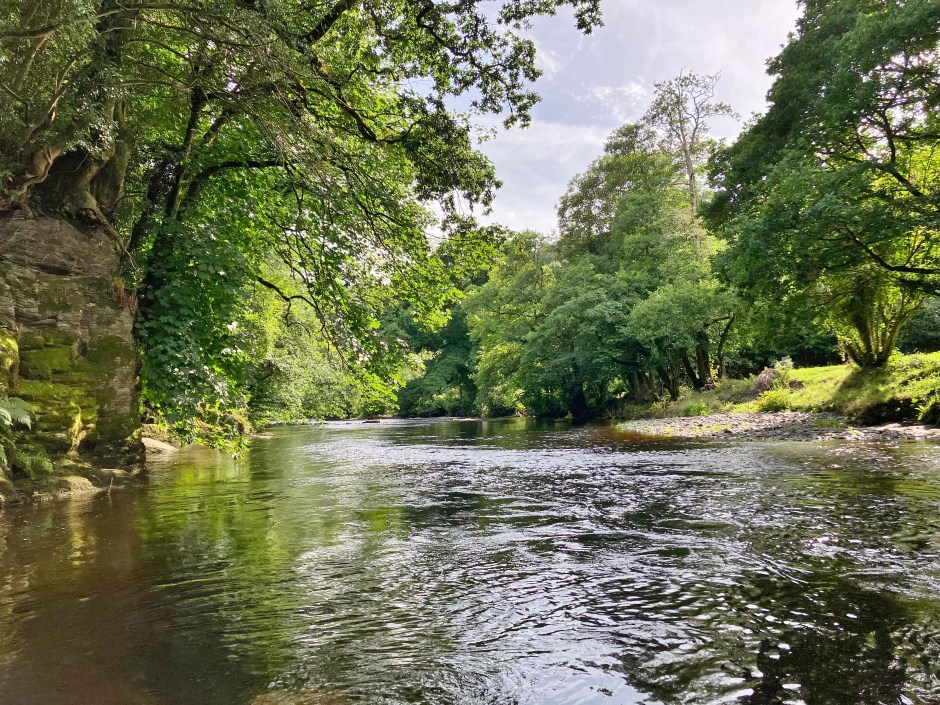
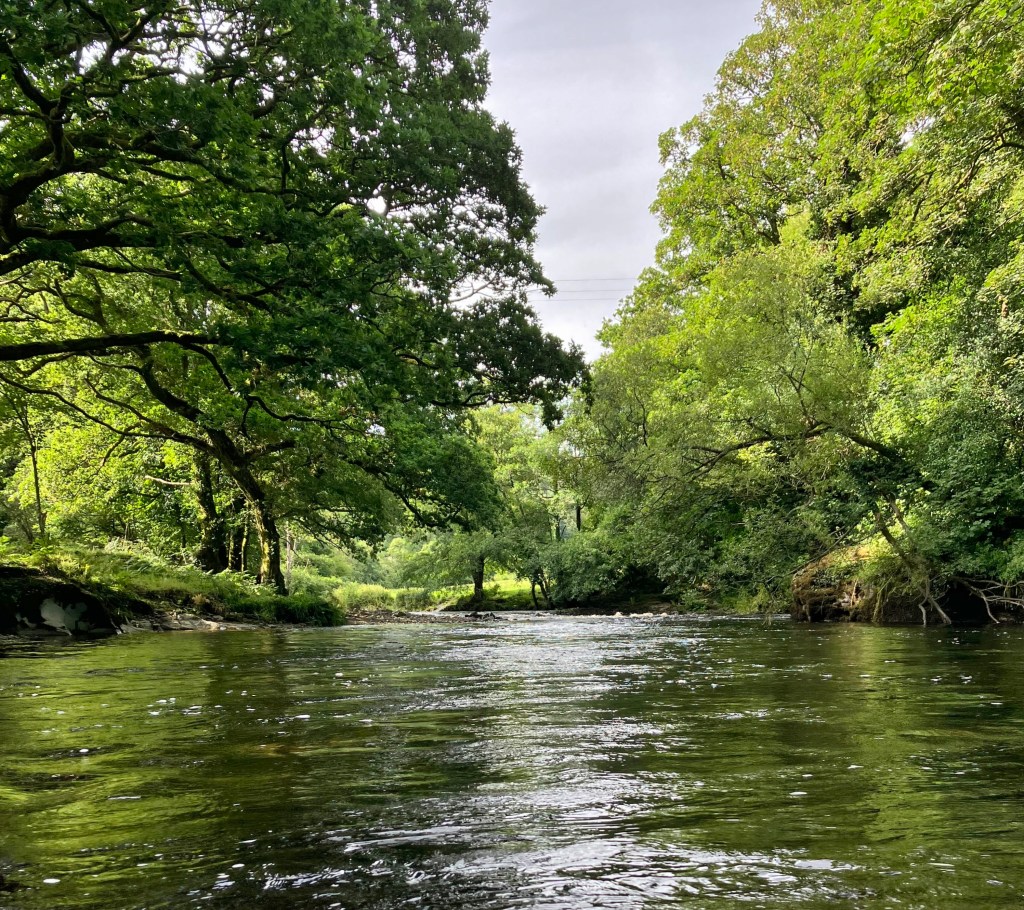
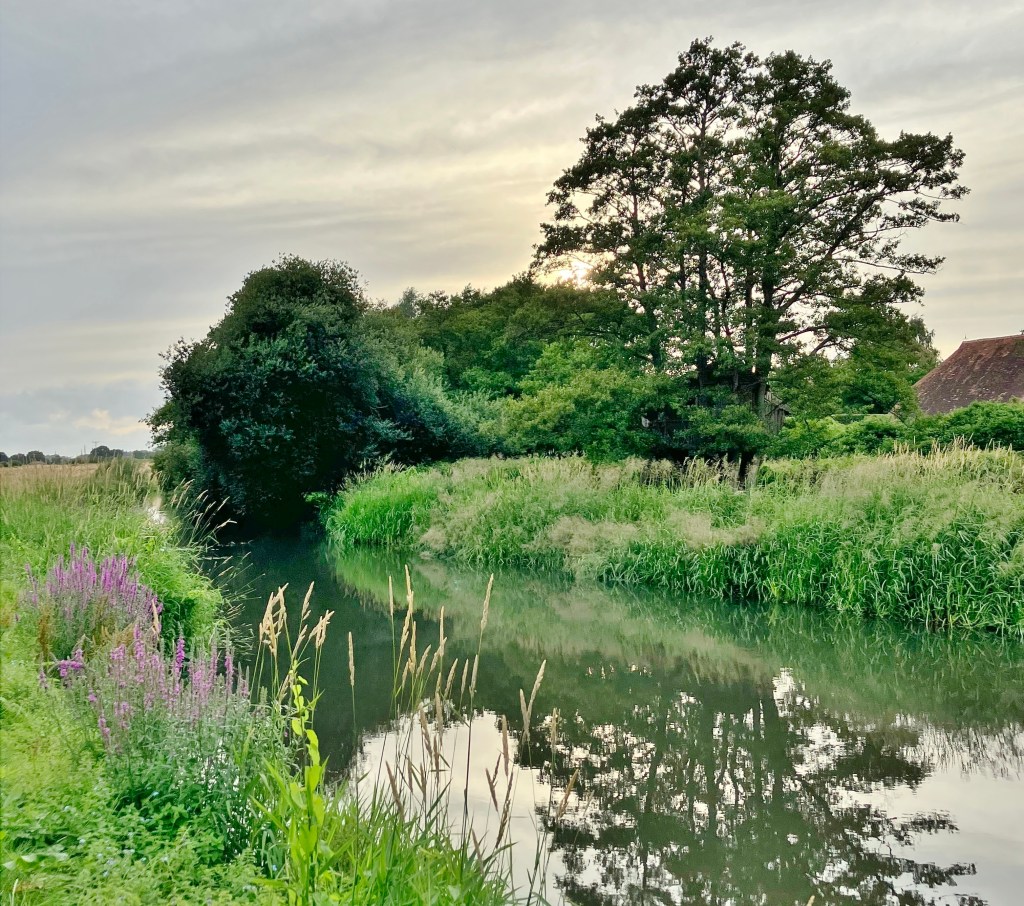
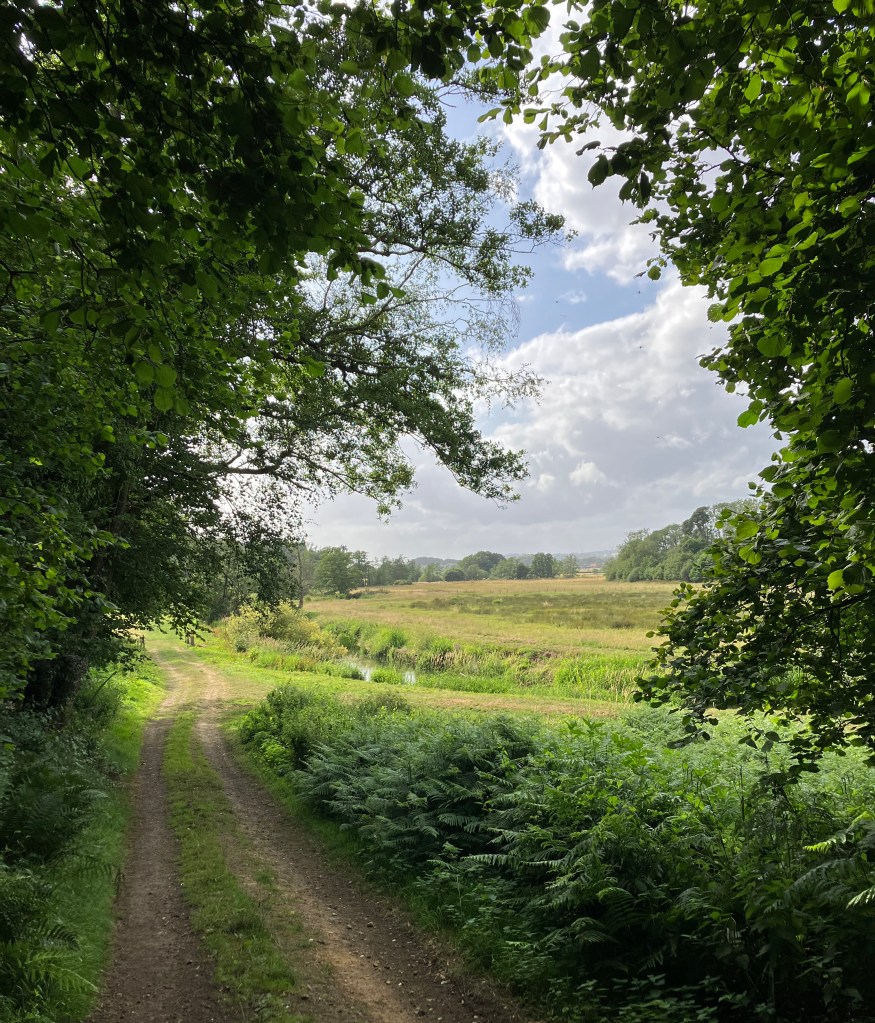
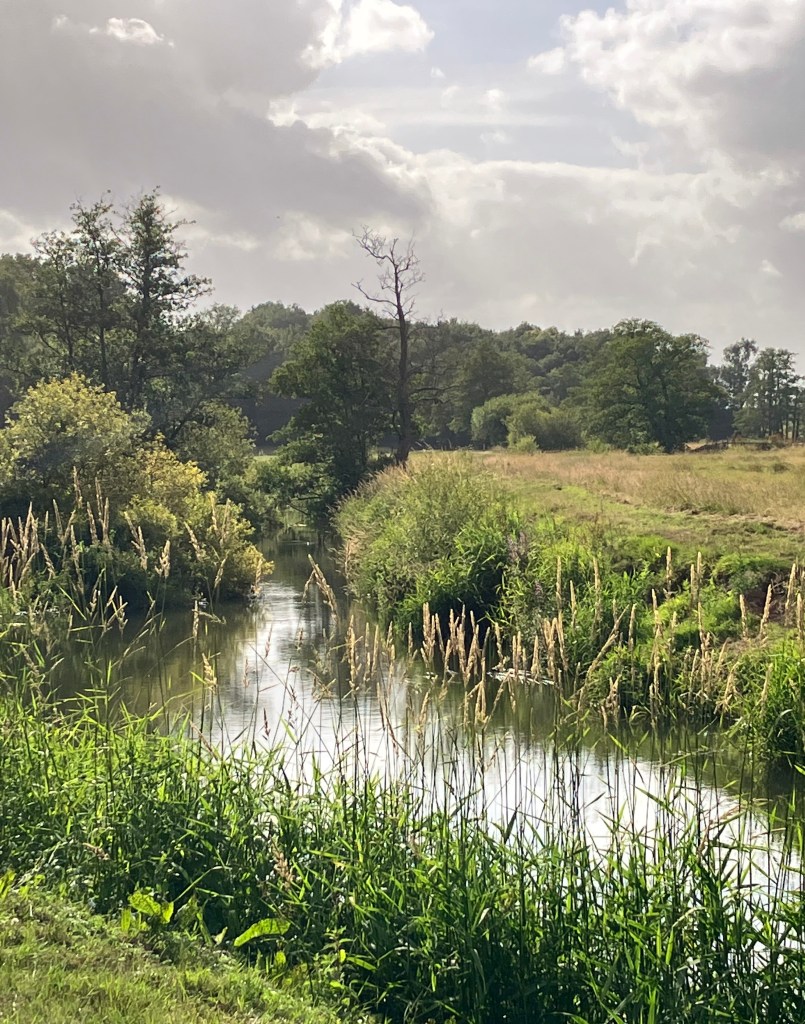
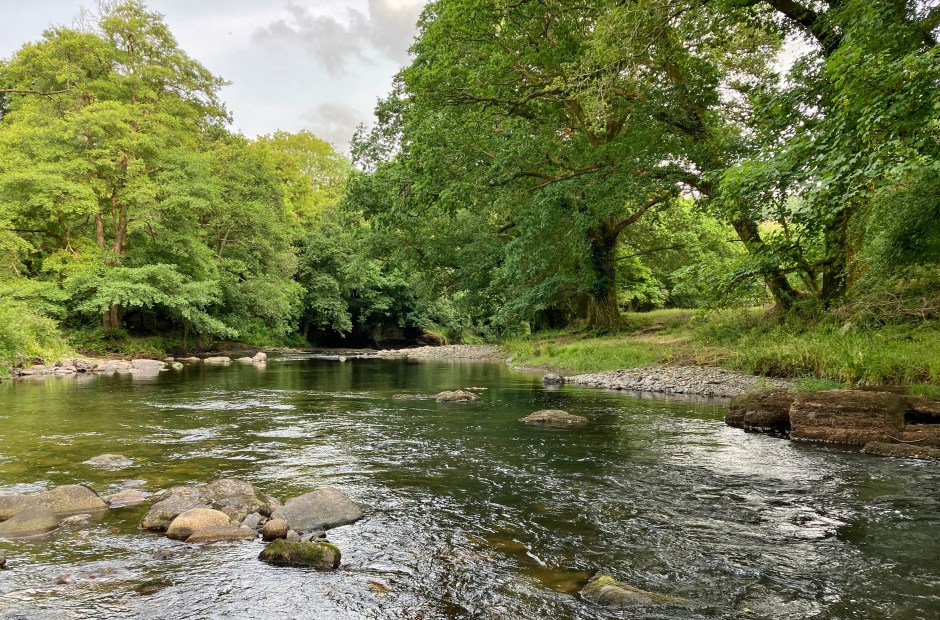
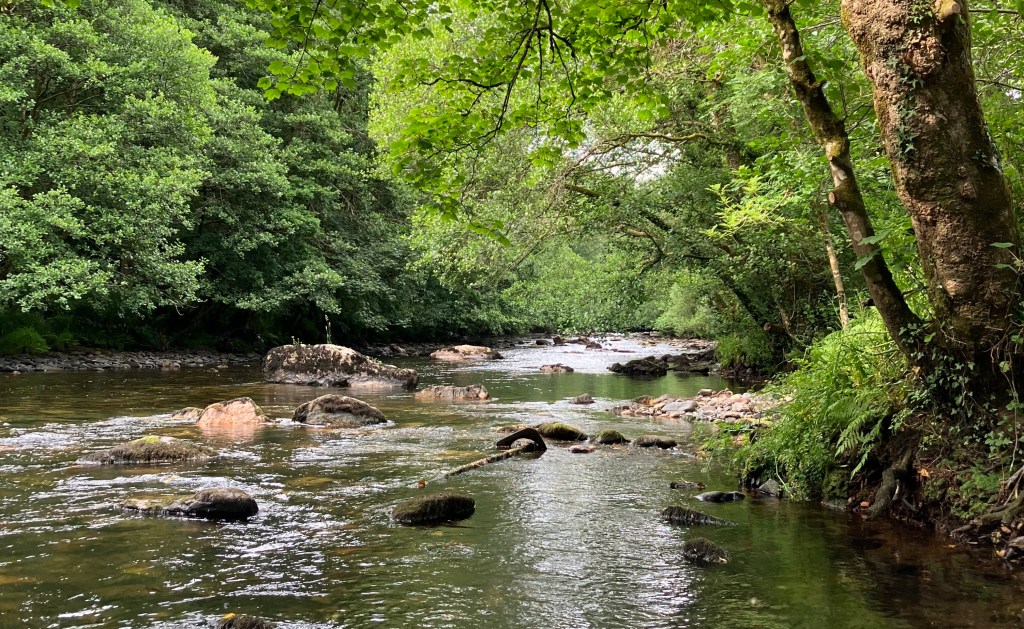
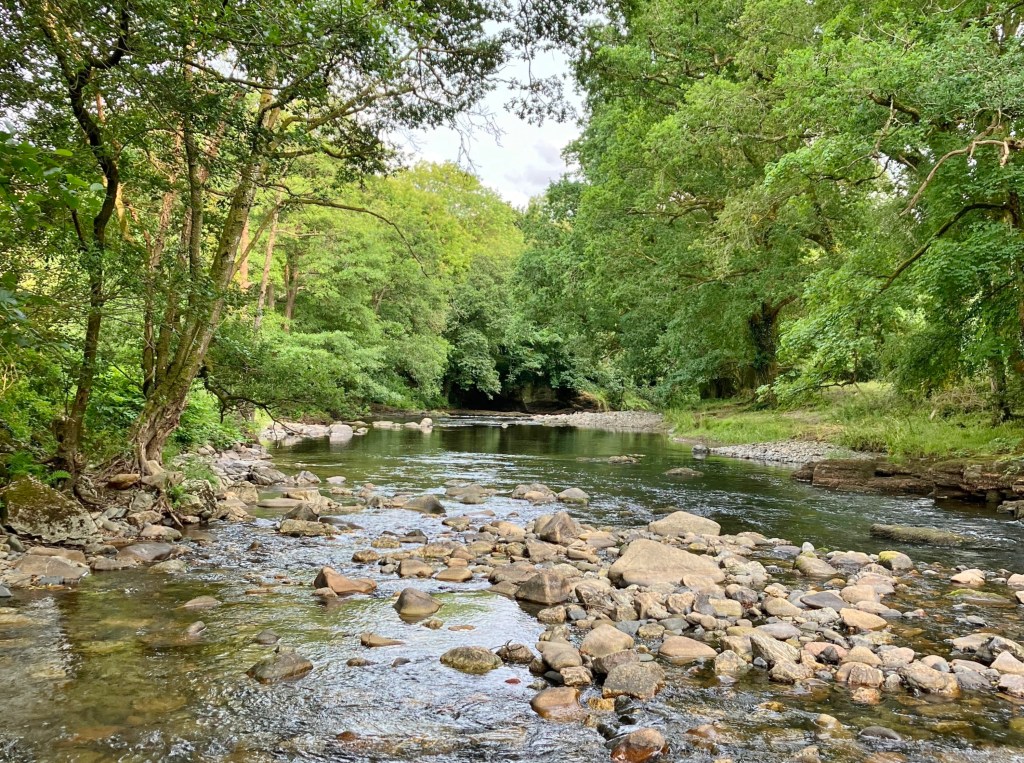
I arrived at the River Rother in the evening and was surprised to see that the water was a dirty grey colour. Road run-off from the heavy rain at lunch time had made its way downstream from Midhurst. I was tempted by the weir pool but there was little scope for an evenings fishing. Rotherbridge was unfishable so I changed my plans and drove upstream to Keepers Bridge. The shallower, faster water was not so coloured, I could see the streamer weed beneath the surface.

I had a few practice casts under the alder trees while I waited for a fish to rise. After twenty minutes I saw a rise and moved downstream, keeping well back from the river, using the marginal plants to break up my profile. I tried nymphs, a dry fly downstream and upstream to avoid drag but eventually lined the fish and put it down. Lots of mayfly hatched and made their way into the trees behind me. There were no birds and all of the duns made it to safety. Strangely, there were no mayfly spinners dancing.

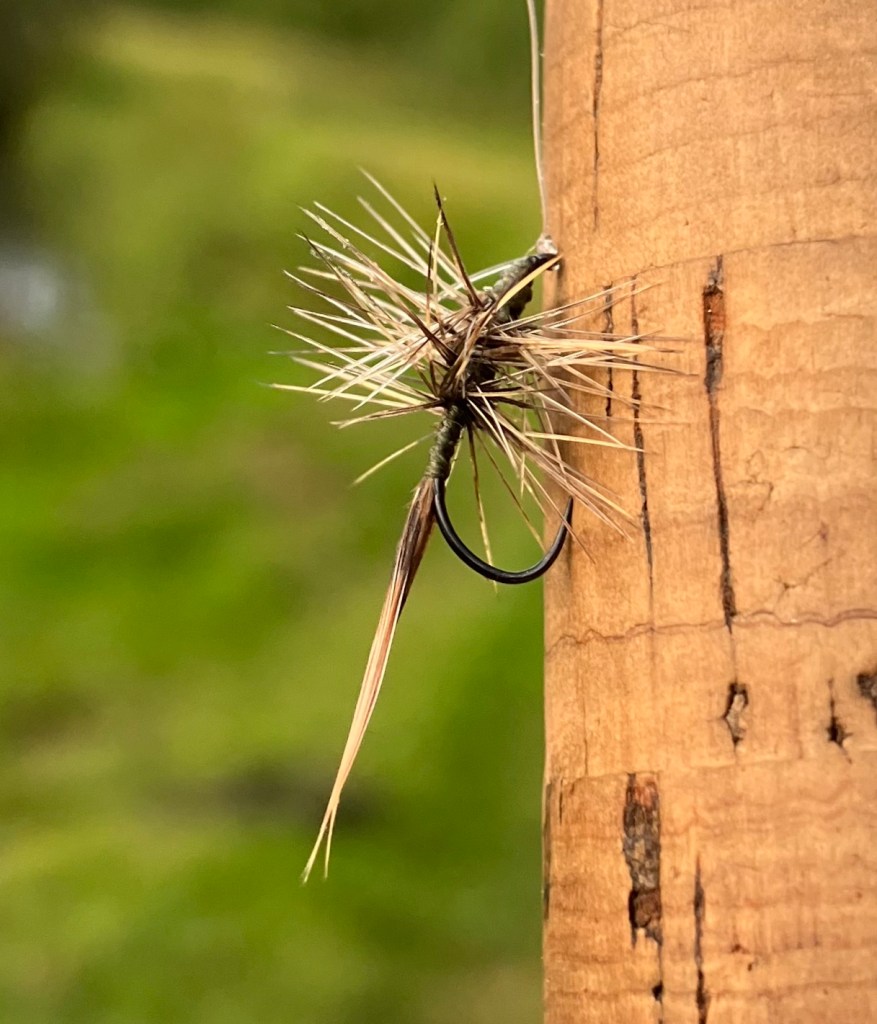
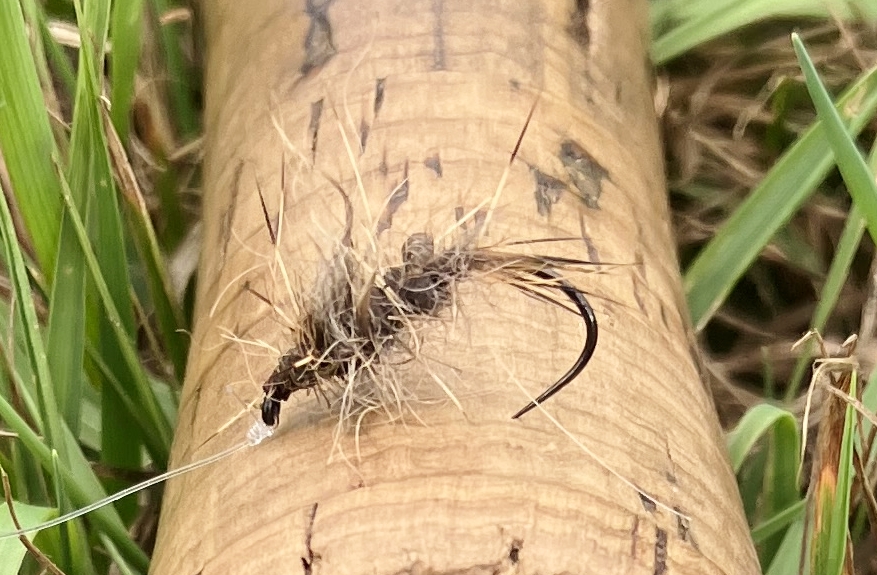
I rested the fish and went for a walk further downstream. When I returned I tried a parachute pheasant tail, which was ignored and a size 14 olive, which attracted a swirl. The fish saw the curly tippet. I rested the fish again. I renewed the tippet and chose a dry fly with a mayfly profile. A cast to 2 ‘o’ clock presented the fly nicely with the tippet upstream. The trout grabbed the fly and was solidly hooked as it dived. It was a good fish with a leopard skin patterned body. Two visits to the river, two takes, two fish hooked and two landed. That was better than my average catch rate. It had taken over two hours, including rests, to convince a spooky trout to accept my fly but stealth, presentation and a good imitation had eventually won the day.

Sunday

In the afternoon I watched the British Grand Prix which brought back memories of the Silverstone pit lane, the Hangar Straight and a big bill for a new set of trashed Pirelli P Zero tyres. I arrived at Coultershaw in the early evening and checked the river at Rotherbridge. As I looked upstream a trout rose just above the bridge in the centre of the river. I decided to concentrate on that glide.

I was very confident that if I repeated the approach I’d taken the day before, I would eventually catch the trout. It rose repeatedly, close to the far bank, below a large willow. I used a variety of dry flies but the fish would not respond. There was no reaction.

I walked upstream to the New Riffle and worked a nymph down and across the fast water. Halfway down the riffle a bow wave developed behind the fly, I felt a nip but failed to connect. Judging from the swirl it was a good fish. I walked slowly back to the bridge, listening for a rise. The fish was active again. In the fading light it was moving around the glide taking emerging flies. I think my first cast put the trout down. It had been an interesting evening. Three out of three was asking too much.

1-2 July Leconfield Estate

1 July – Little Bognor

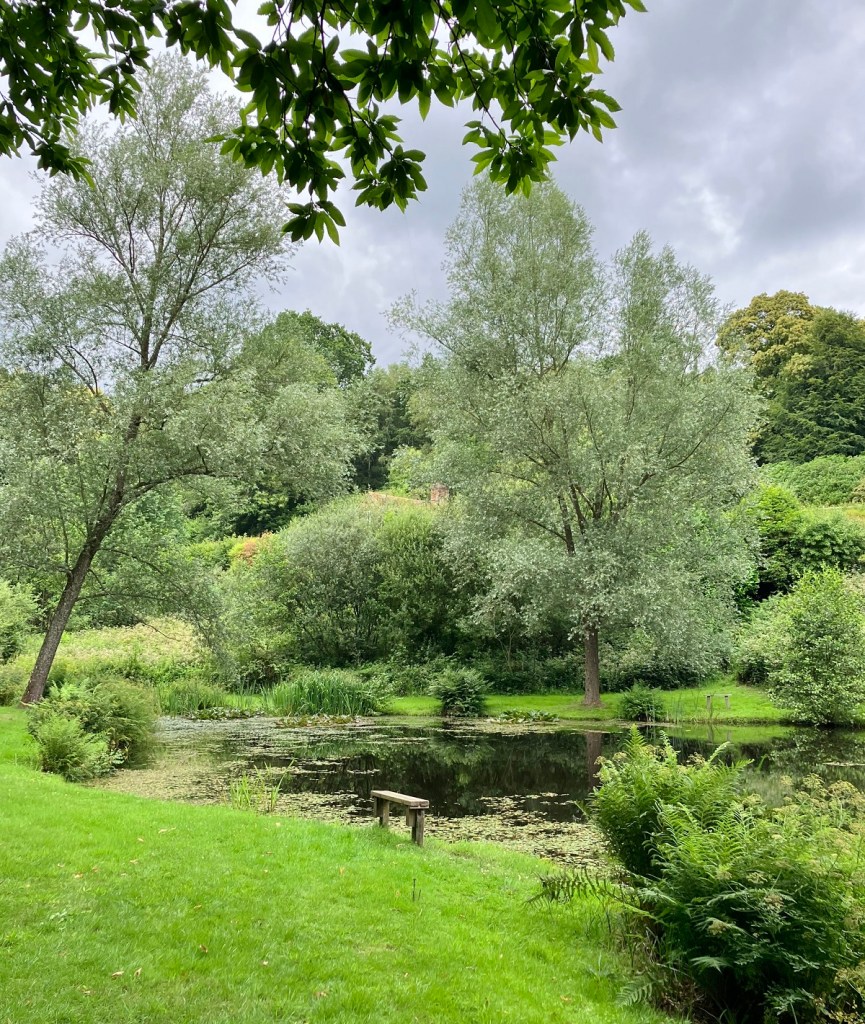
The surface of the lower lake, an old mill pond, was calm with very little debris from the overhanging trees. The trout were cruising just under the surface taking the occasional hatching midge. The scene was set, all I had to do was tempt a couple of fish to inhale my buzzer imitation.

The horizontal slot between the overhanging trees and the marginal ferns was very thin, only a couple of feet. I expected to regularly snag branches and fern fronds. That proved to be the case. Flicking a short line and long leader through the letter box was only successful about fifty percent of the time. The trout were passing me about a rod length out from the bank and it was essential not to disturb them with casting errors.

The trout in the margins refused my offering for thirty minutes but a fish cruising a little further out took the buzzer on the drop and screamed across the lake. The sound of the drag screeching and the fly line cutting through the surface made me forget about the hassles with the vegetation. It was a dark fish with pristine fins which swam away strongly.

A trout had been rising under the trees by the old stone steps, it was feeding confidently in the shade of the overhanging chestnut trees. I crawled along the bank and flicked the buzzer towards the fish with a bow-and-arrow cast. The fly landed short but a risky overhead cast positioned it perfectly. The trout took the fly without hesitation and headed for the opposite bank. It was released without handling. The rising fish had all departed and no amount of stealth would bring them back.

The top lake looked stunning, the willow trees straddling the feeder stream had grown and hidden the cottage on the hill. The lake was deserted, a buzzard leisurely left the branch of a giant oak tree and drifted away down the valley. The top of the lake, where the spring entered, was lined with rushes and Potamageton natans, my favourite water plant. Trout were rising near the weeds, picking off emerging midges. I cast the rather tatty buzzer close to the floating leaves and the leader slid away. I hooked the fish but it came adrift. A few minutes later I connected with another trout but it also shook the hook. Having trashed that part of the lake, I moved to the far corner under an oak tree. A very large trout followed my buzzer to the edge of the weeds but sheered away unconvinced by the fly which was falling apart.

I changed the fly and renewed the tippet. There is always a trout feeding beside the lily pads under the willow tree. It took the fresh buzzer within seconds of casting and was bullied away from danger into open water. Three fish from five takes was enough, I left the lakes and went to Rotherbridge for the club’s River Day. I was too tired to fish the evening rise on the river. I would return on Sunday. What a memorable day !

2 July – River Rother

We went to a fayre in the afternoon and saw the Red Arrows roar overhead at 500 feet. It was bright, hot and windy but I knew that, in the evening, the river would be in perfect condition. I was correct, the water had a slight tint and the water temperature was 14 degrees. I saw four mayfly hatch and the surface was covered with swarms of midges.

I waited on the first bend watching for signs of a feeding fish. After twenty minutes I got fed up with waiting and decided to prospect the pool under the alder tree with a nymph. I worked the water and kept an eye on the river downstream. A fish rose above the bridge near the far bank. I marked it’s position and tied on a parachute pheasant tail. The fly dragged and the fish stayed deep. After several changes of fly I rested the fish and crossed the bridge to avoid drag.

I tried a variety of nymphs down the main current and across towards the true left bank. The fish rose again under the right bank ! I recrossed the bridge and wandered upstream, exploring all the usual holding places but I could not concentrate. The rising fish near the bridge was a distraction. I returned to the trout and planned my campaign. I tied on a heavily leaded Red Tag, a fly rarely used by other members. The trout would not have seen such a thing and the fly would not skate in the fast water. I used the lower part of a bed of streamer weed to anchor the fly line midstream and worked the fly behind the weeds close to the bottom.

The take came as a surprise. It was violent. The trout immediately dived for the bankside bushes and I bent the rod to lever it away from the alder roots. It was a relief to net the fish.

That trout was a milestone, the first I have caught from the Rother this season. Most years I open my account on the river in early May. Less frequent visits to the Rother left me out of touch with the river’s moods. Now that I have found, outwitted and landed a trout, I feel that I am back in the zone and that more trout will find the back of the net.

26 June – River Tavy

The heatwave had ended, it was overcast and still. The river was calling me. I decided to explore the upper reaches of a Beat on the Tavy, a part of the river I had not fished before. It would be good to find new pools and riffles.

I chose the path leading upstream and wandered to the top of the Beat. The deep river valley was alive with the sound of moving water and the air was filled with flying insects, too many species to aid my choice of fly. Huge rocks diverted the current forming back eddies and glides. I should have explored that part of the Beat years ago.

The water was fast and deep, the trout were not rising. I decided to work a nymph around the rocks and down the glides. I immediately had a take and connected but the fish shook itself free. That was a good start, my confidence was high. The short casts unrolled nicely and I constantly mended the line to keep in touch with the fly. Moving downstream, carefully covering all the likely places, I failed to find another fish. The casts became erratic and I snagged a few trees. My confidence dwindled.

I saw a fish rise in the fast water above a deep run. It was the confident rise of a feeding trout. I botched the first cast and sent the parachute Adams skating over the fish. Frustrated, I lifted the line and backcast into an overhanging tree.

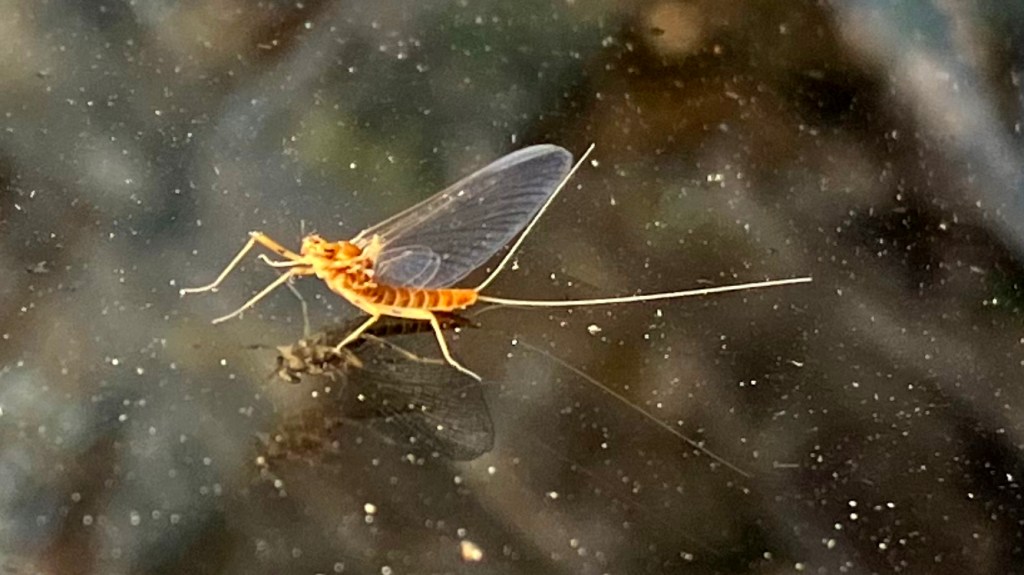
Pale watery female dun

I was torn between a dry fly or nymph. My instinct was to persevere with the nymph. I made my way slowly downstream, keeping low, trying not to kick the rocks.

I eventually reached the end of the path and decided to return to the cottage for a glass of wine. I should have fished late into the evening when the fading light would have encouraged the trout to rise. Next time.

19 June – River Walkham

The River Walkham flows through the village, it is my home river. I watch the trout in the pool below the ancient bridge most days. They are friends, not to be caught. They quickly grow fat on the constant stream of nymphs stirred up by the children swimming in the weir pool.

Heavy rain was forecast, it was time to walk beside the river before the water level rose. I wanted shelter from the sun, a relaxing walk and silence. The deep, wooded valley behind locked gates fitted the bill perfectly.

I wandered down the gently sloping path beneath mature oaks, stepping over wayward brambles and ferns. The tyre ruts were overgrown and there were no footprints or paw prints in the damp mud. The woodland hadn’t been disturbed for weeks.

I saw a trout rise in the pool just above the fish pass and managed to scare it away with a clumsy cast. The nymph caught on a rock. I calmed down and switched tactics. The water was too shallow for a nymph, a parachute midge on a 2lb tippet was a better option.

I hid behind a tree and waited for a trout to rise. A roll cast from the hand dropped the fly ahead of a fish which came off after a few seconds. That was progress. To my surprise the fish returned to it’s station and continued to rise ! It refused my fly and I moved upstream, hoping to catch it on my return journey.

I crept through the undergrowth and climbed down a rocky bank. Crouching beside the water was awkward but I managed to flick the fly across the river at the top of a glide. A trout grabbed the fly immediately and was safely released without handling. I’ve always had success in that pool.

On my return journey I cast to several rising fish but they melted away and reappeared further downstream. The fish in the pool above the fish pass was not impressed by my casting.

It had been a lovely evening, two hours slowly wandering through the woods with a rod. Back at the cottage I sat in the garden with a glass of wine until the sun dipped below the trees. A perfect day.

12 June – Abbey

The morning was very hot and humid. The gentle breeze, from the north west, barely stirred the tree tops. What an odd direction for a warm wind !

I wanted to fish a stretch of river with plenty of shade. I hadn’t visited the Abbey Beat for a while and felt that it deserved my attention. I hoped that after a hot sunny weekend, wild swimmers and dog walkers would stay away from the river.

Late in the afternoon as I walked down the track the woodland kept me cool but the horse flies ambushed me from the underside of the leaves. I had foreseen this. A long sleeved shirt and plenty of repellant kept them at bay.

The river looked perfect, clear and flowing well. The level was higher than I had imagined and partly filled my wellies as I paddled across a riffle to the true right hand bank.

I walked upstream and found a pool below a wide beach of multi-coloured granite stones. I crept forward and sat on a flat rock, flicking the nymph into the margins before working my side of the bubble line. As I watched the tip of the line, it slowed and dipped, a barely noticeable take. The trout came off near the bank which made me smile. Could I regard the little fish as ‘caught’ ? Probably not.

I moved downstream to fish a long pool with deep water along the far bank and overhanging trees, a perfect place for a trout. I had a take but the rattle on the rod tip failed to transform into a bend. As I walked downstream to exit the pool, the water came up to my thighs. I paused by a fallen tree to empty my boots and to dangle the nymph into a deep, rock strewn pool.

I squelched further downstream to a glide under trees and fished hard against the rock wall along the far bank. The nymph curled under the overhanging trees and was taken firmly. I connected and released the trout which swam away and settled on a sandy patch, completely invisible.

The water was chilly, the pools were a good depth and there was plenty of water for fish to run upstream. I will explore the Abbey Beat more often.