
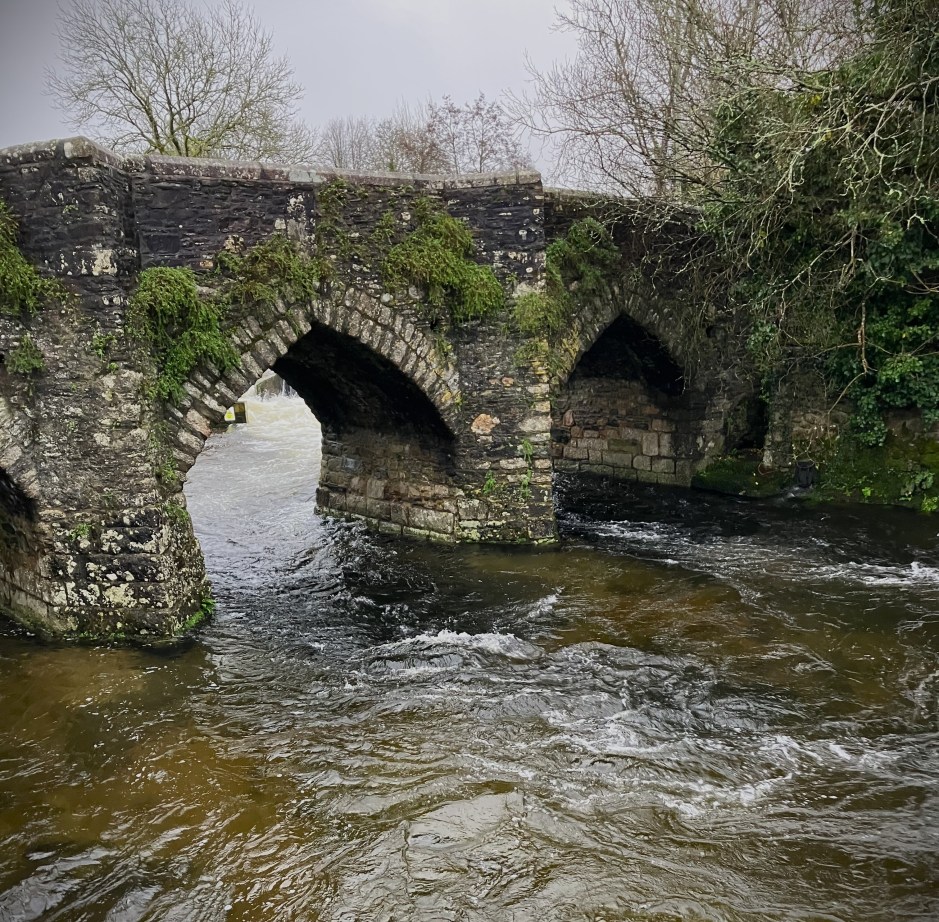

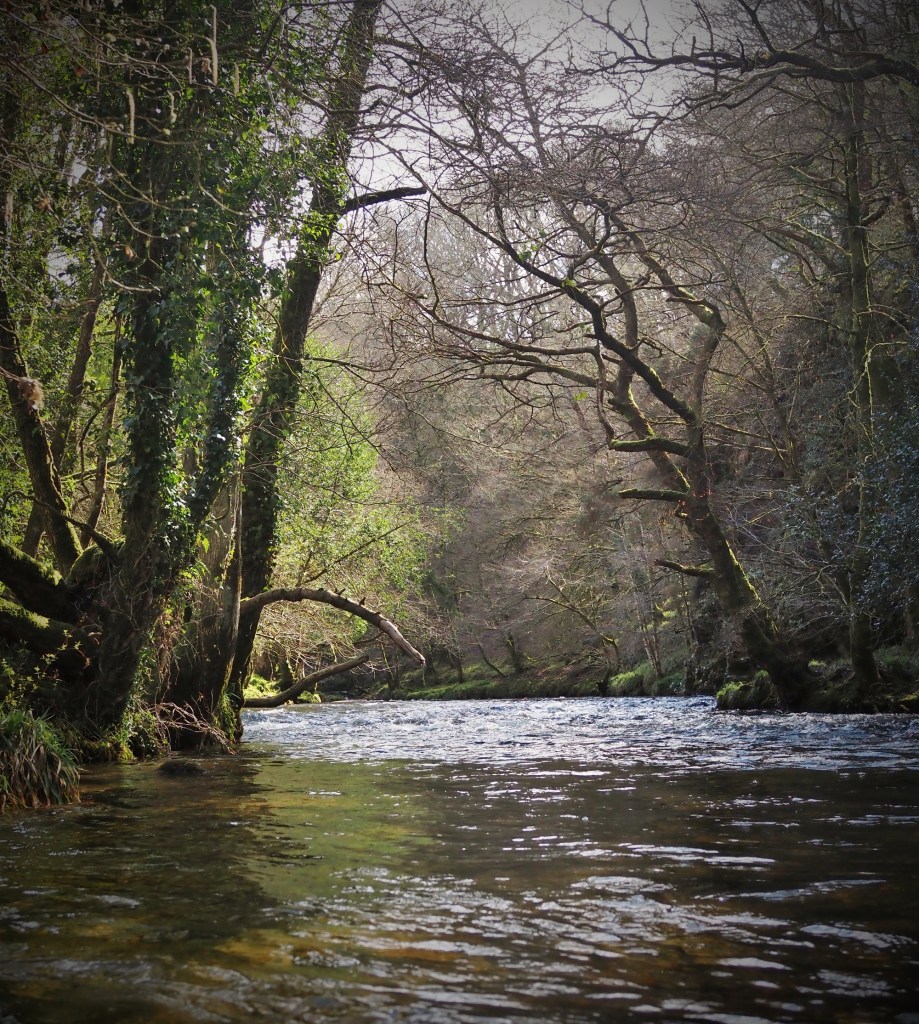
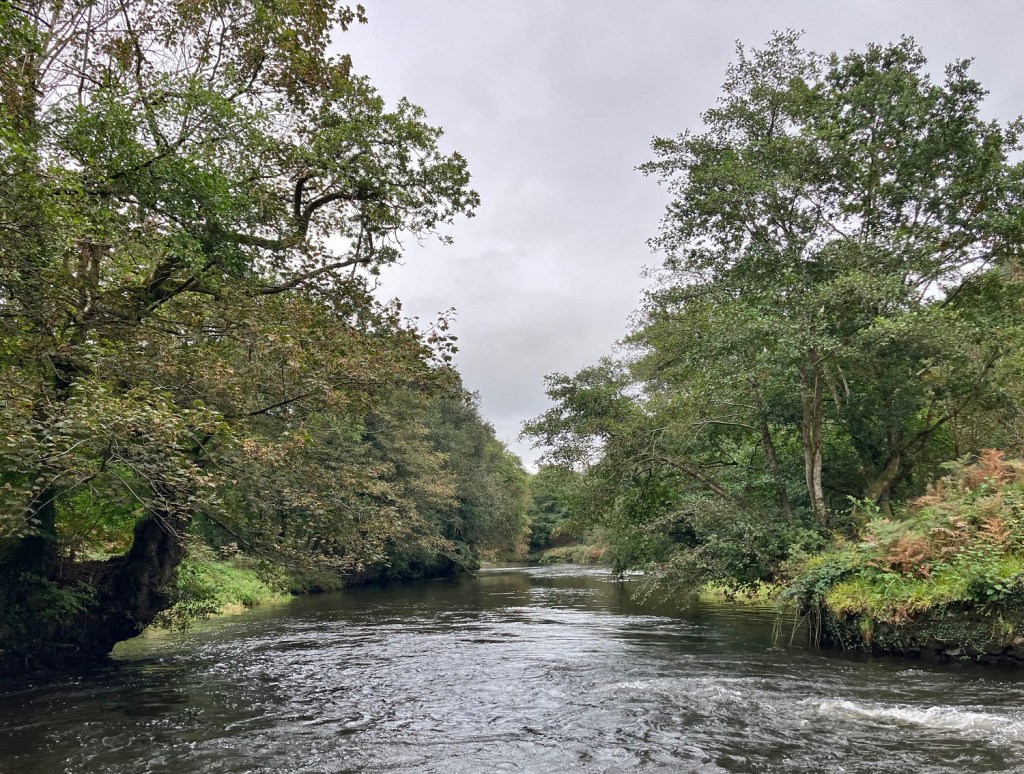
Its early January, the rain is running down the garden path, filling the gutters on its way to the river. A series of eight named Autumn storms have left Dartmoor saturated and the rivers on the western edge of the moor are in constant spate. The River Walkham thunders through the village, under the old bridge, sweeping away woody debris, moving stones and washing the bedrock clean. Every day I cross the bridge and pause, looking for signs of fish in the glides each side of the cutwaters. The water is a couple of feet above its normal level and running clear. The salmon have had plenty of opportunities to navigate the fish pass and make their way upstream.

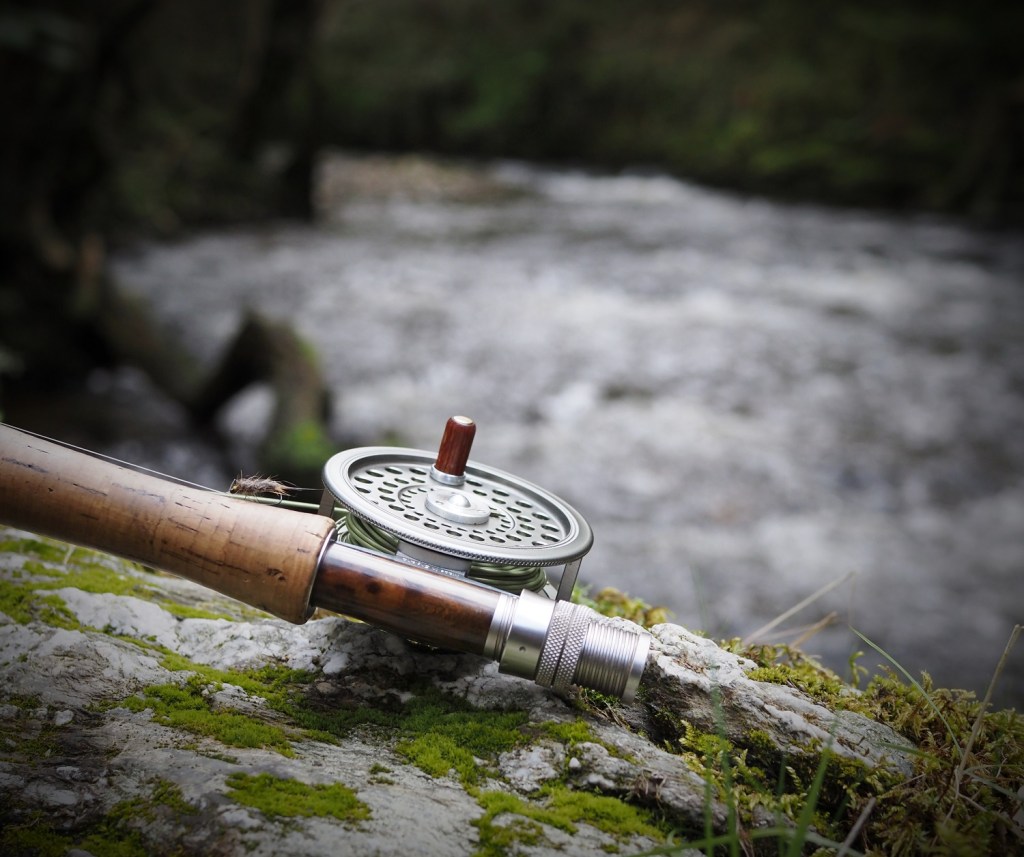
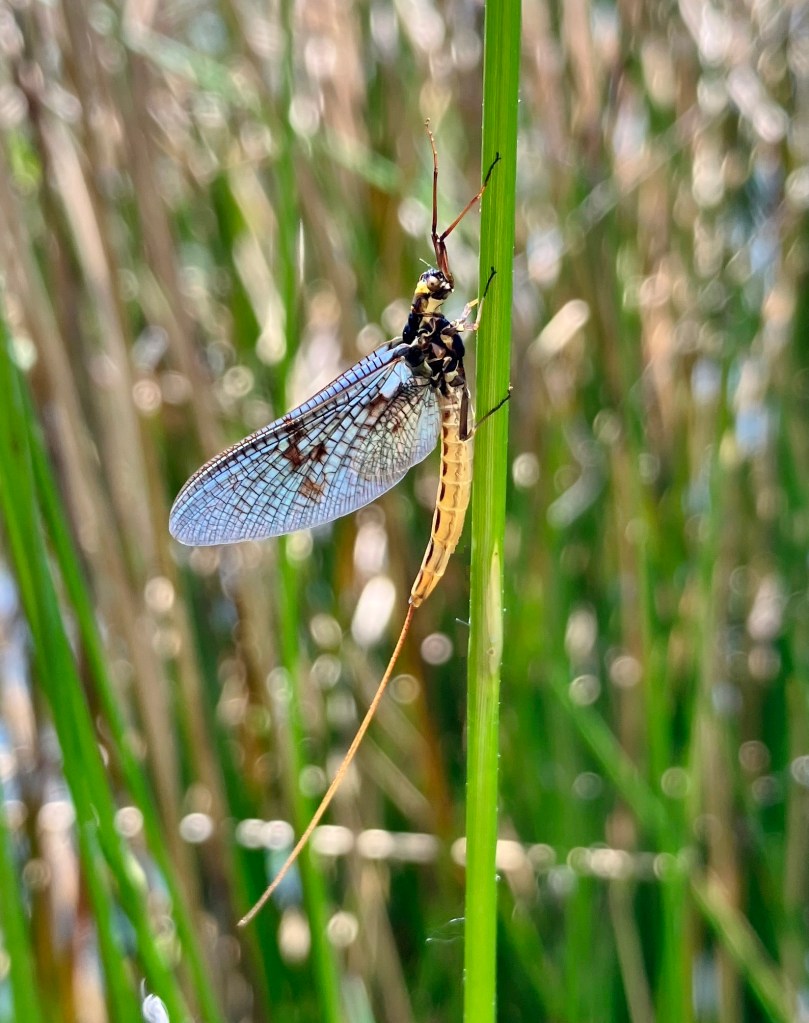
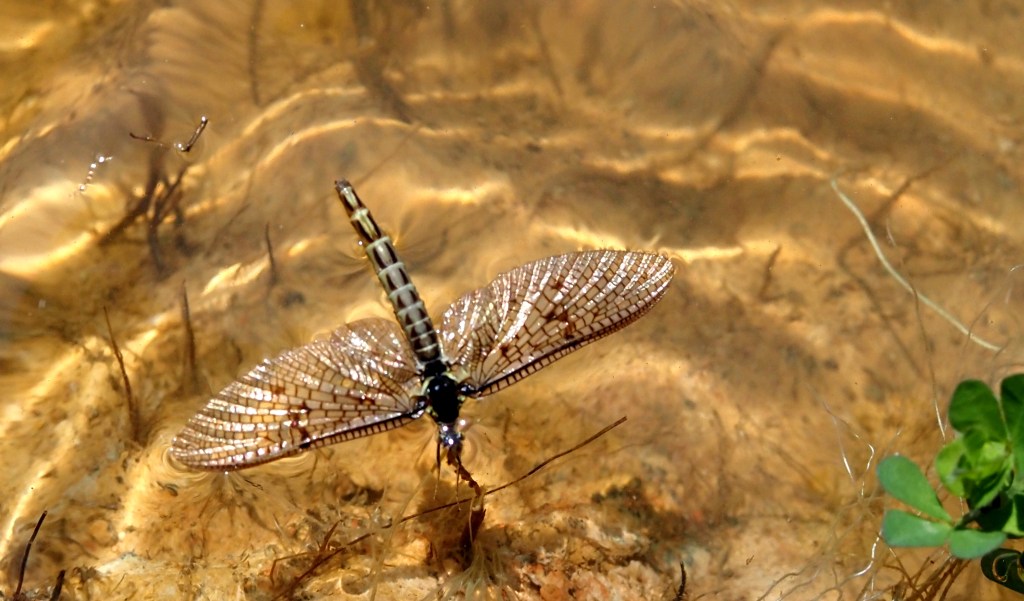
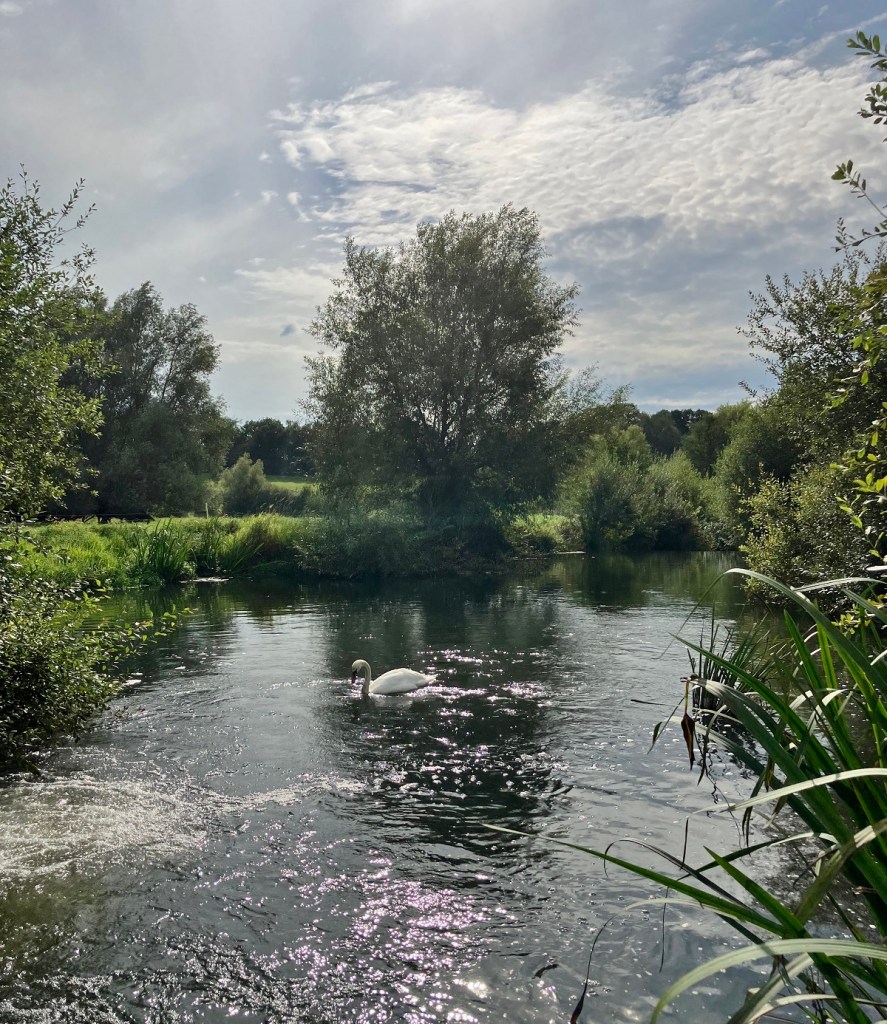
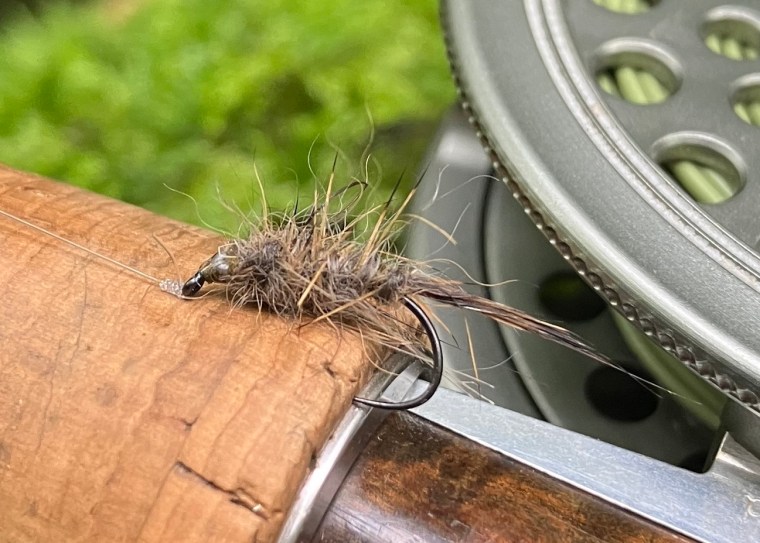
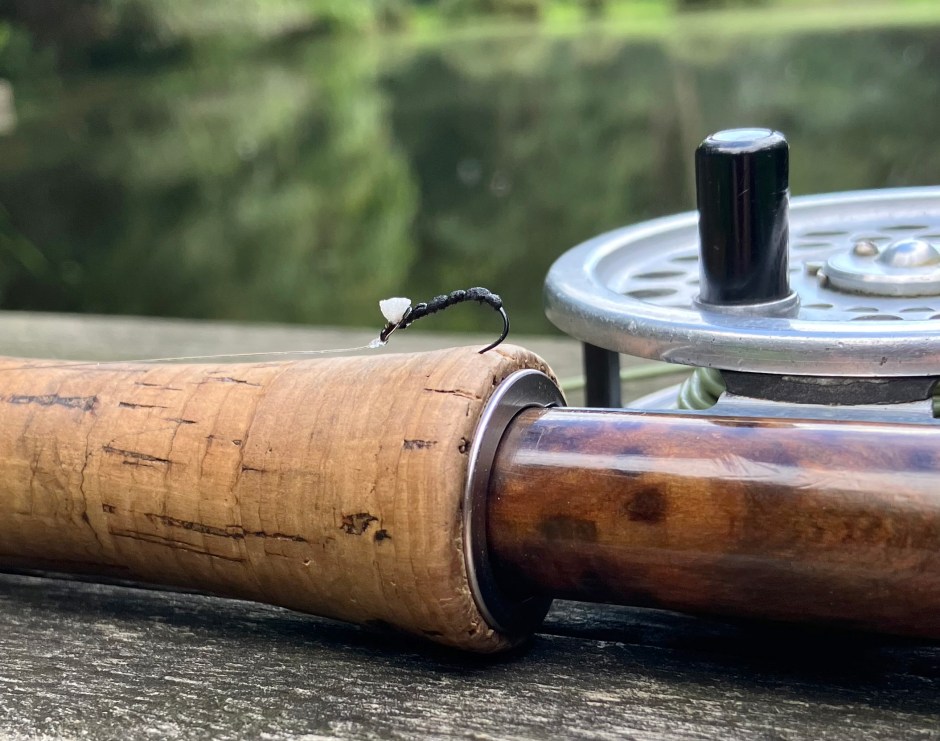
I have cleaned my fly lines and tied a few flies. The mayfly nymphs won’t see action until the summer. Each month last season I travelled to Sussex and spent about a week fishing the River Rother and the Leconfield lakes. I plan to do the same this year. I will also ensure that I fish Little Bognor on Elgar Day, Saturday 15 June.
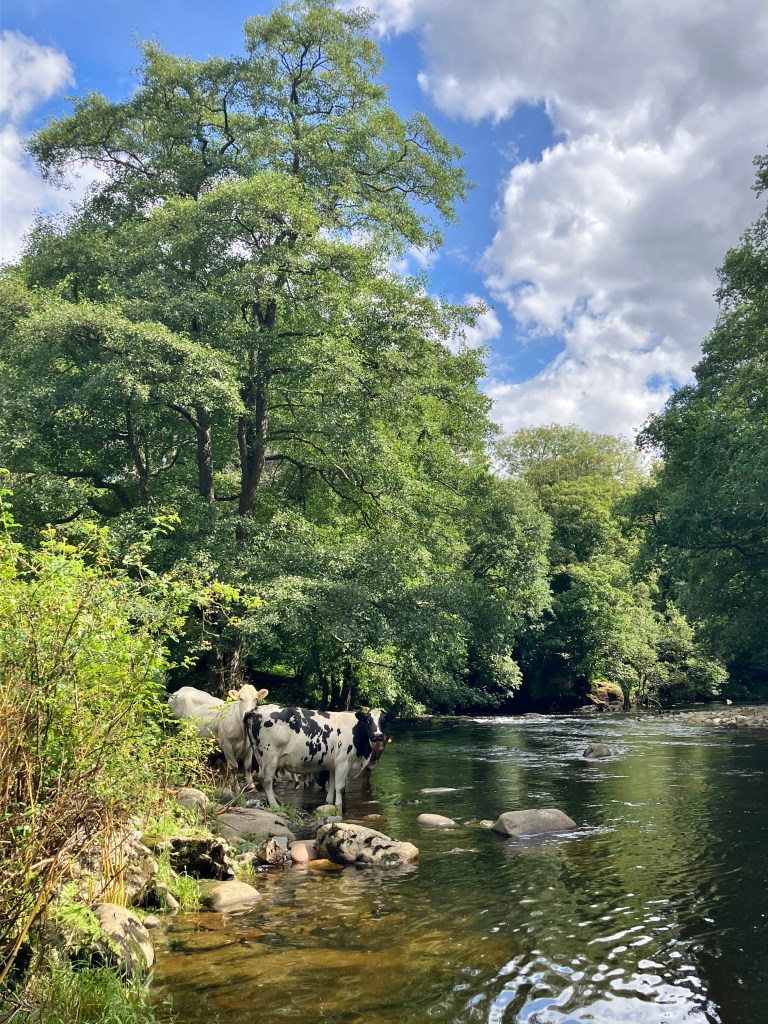
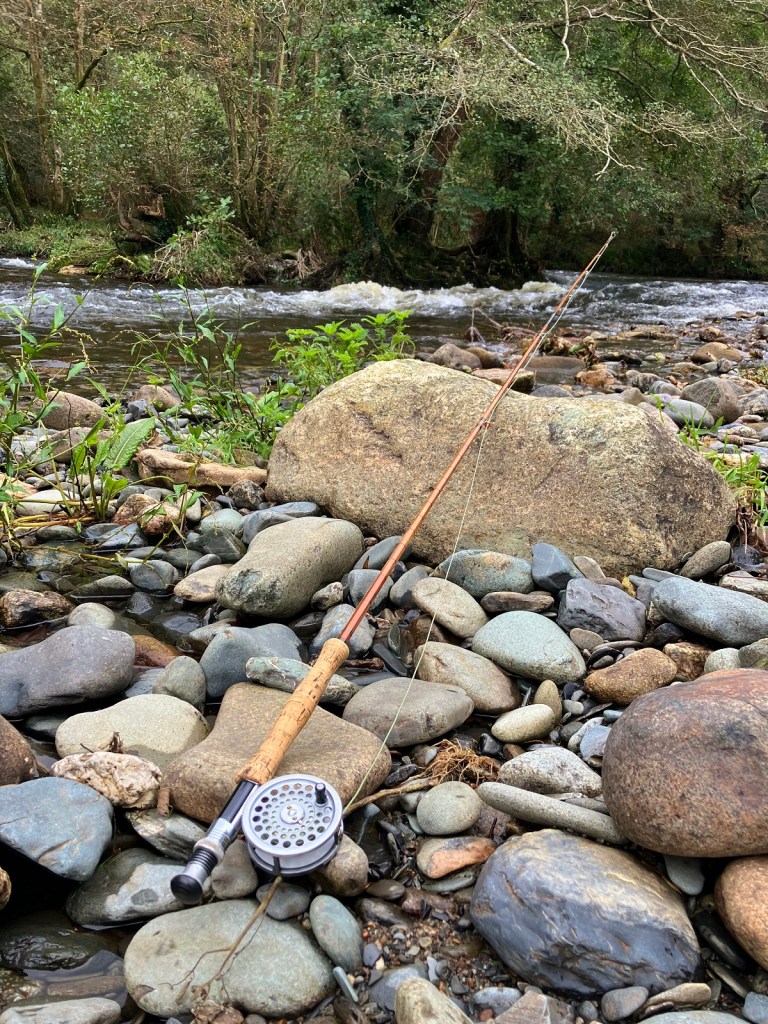
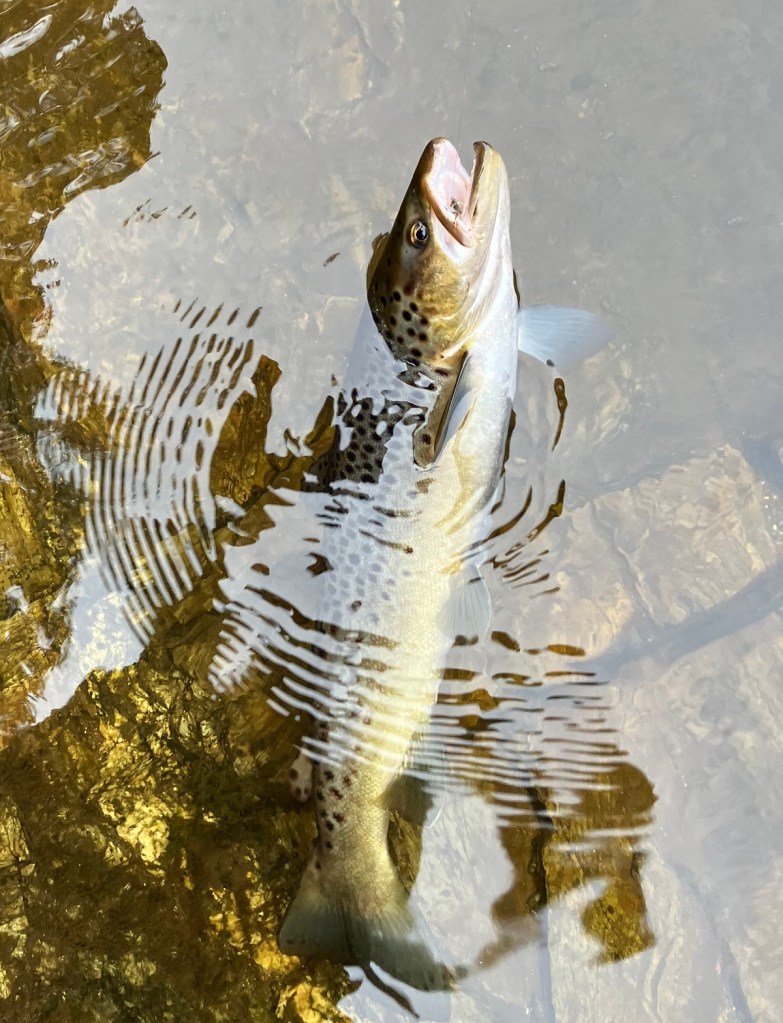
Last season I learnt a lot about my local Devon rivers. I found trout in places that I normally ignored; shallow glides and riffles. Searching the deep runs and pools with a weighted nymph was not always the right approach. I used both #3 and #4 floating lines on the rivers, the heavier line suited most of my rods. I’m surprised that it has taken me several years to understand that !

A few days ago I walked my favourite stretch of the River Plym, looking for signs of salmon or sea trout. The debris left by the winter spates lay scattered around the woods and the greenery on the floor of the valley had been combed into patterns recording the flow of the flood water around the base of the trees. I found a couple of hundred rounds of ammunition, mostly spent 7.62mm cases but some live, which I dropped off at the 42 Commando Guard House on the way home.

Burrator Nymphs
I didn’t fish Burrator last year because the water level remained high during the summer and prevented access to my favourite places, I will make more of an effort this year. Similarly I didn’t fish several of the upstream Tavy Beats, preferring to visit the more familiar lower Beats. The top Walkham Beat, in the centre of the high moor, was a daunting prospect. The very long walk over rough ground and lack of a phone signal might put it out of reach this year unless my fitness improves.
I have yet to plan my March or April “Fishing Adventure”. I don’t have a bucket list, everything has already been ticked off. I’m reluctant to revisit memorable places, fond memories are best kept, not compromised by returning.
It will be interesting to see if the pattern of warm, wet winters and hot dry summers continues.












 Sussex Trout Fishing ... and Devon