1 June – Springs

It would be a month before I could fish in Sussex again. I arrived at the lakes at 11:30am, in time for the noon mayfly hatch. I had the lakes to myself and I planned to fish into the evening. The cold north wind sent clouds racing across the South Downs and ruffled the surface of the water. The plan was simple, fish into the wind with a mayfly nymph. The conditions were similar to my last visit but the wind was stronger. Mayfly were hatching and in the absence of any birds, damsel flies were seizing them in mid air. I chose the Sage #3 rather than the Hardy #4 which was not logical but I prefer the action. I promised not to overload it !

At Great Springs the resident grass snake slithered off the bank into the undergrowth, it had detected me from twenty yards away. The trout occasionally swirled on the surface, selecting emerging mayfly from the tree debris being blown across the lake. My mayfly nymph drifted about a foot below the surface, dragged by the arc of the fly line. It was ignored. I had a sharp pluck at a leaded GRHE fished a little deeper but after ninety minutes without a take I moved to Little Springs.

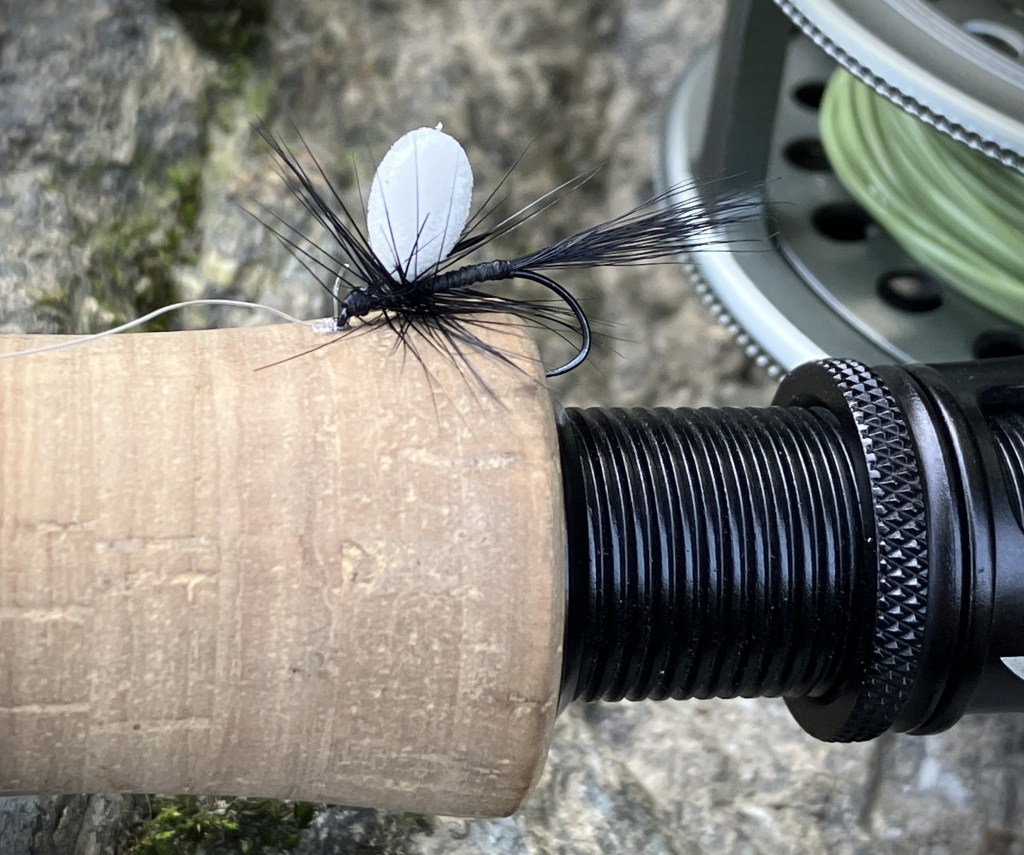
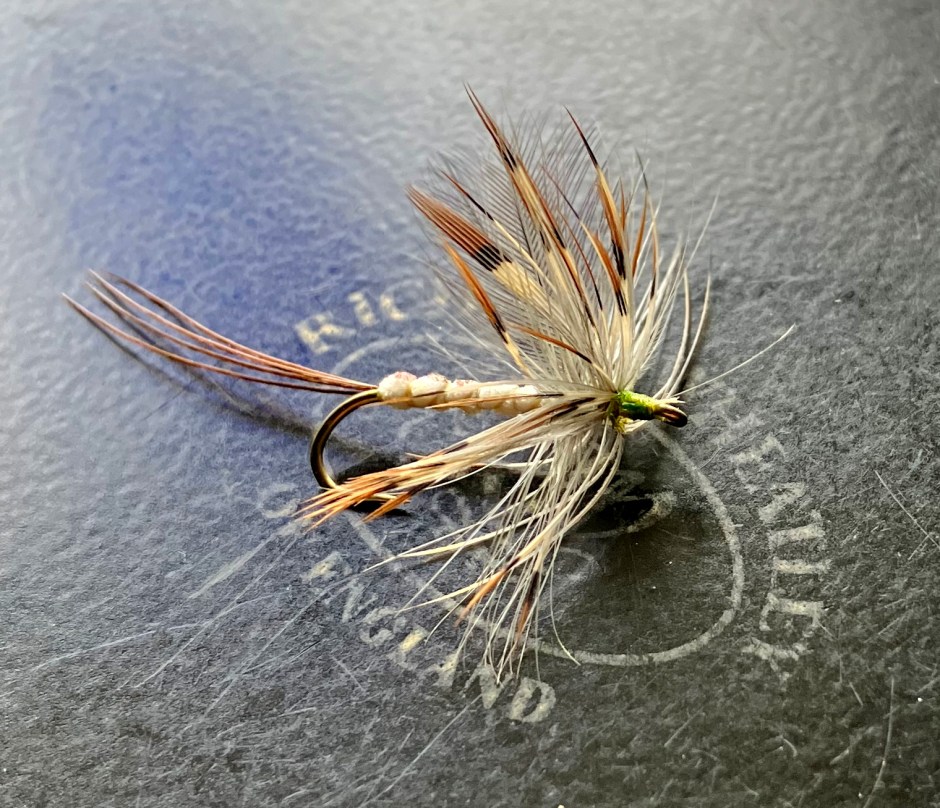
The smaller lake was more sheltered and the mature trees along both banks channelled the wind straight down the centre of the lake. The clouds thinned and the bright sunlight brought on a good hatch of mayfly. Fish began swirling at distance and two big trout patrolled the marginal weeds only a couple of rod lengths away. I started with a nymph but quickly changed to a dry fly. The first fish took an amber mayfly with a partridge hackle. The fly was bedraggled and would no longer float. I only had four French Partridge mayflies in my box. I caught fish on three before the hatch petered out.

Poppies along the headland at Stag Park

I had lunch on a seat beside the lake before returning to Great Springs. A trout took an amber mayfly nymph just under the surface and I decided to stop fishing, five trout was plenty. The original plan, to fish a nymph into the wind, had changed to static dry fly, I probably should have changed tactics sooner. The long rod had performed perfectly, all except two takes had resulted in trout landed.

Another member arrived as I was packing up and had a 3lb 8oz trout from Little Springs. Where was everybody ? It was a beautiful, sunny summers day, the fish were rising and the lakes had never looked better. Strange.

25 May – Bank Holiday

Saturday

After dropping family at Gatwick, I was impatient to get to the water. Crawley and Horsham had changed since I last negotiated the dual carriageways and roundabouts. It was a late start. The river level and colour looked challenging and after thirty minutes of watching the river, I decided that my time would be better spent at the lakes. With limited opportunities to fish at Leconfield, I was not prepared to wait for a possible evening rise. A few mayfly hatched beside an overhanging tree and were picked off by a chaffinch waiting in the lower branches.

At Little Bognor the water was calm and the surface debris was gradually shifting around the lake. Fish were rising everywhere sipping down buzzers, the choice of fly was obvious. I decided to use the Sage ESN 10′ 6″ #3 even though I was surrounded by tip breaking beech and holly trees.

A small fish rolled over close to the bank and attempted to seize my fly but I raised the rod too soon and it swam away unmolested. I resolved to slow down and treat the takes gently. After an hour spent flicking the buzzer to cruising fish without results, I decided to change to a dry fly. The parachute Adams was ignored, the fish spooked and moved along the bank under dense tree cover. I followed.

I changed to a parachute Pheasant Tail and crept to the stone steps on my hands and knees. I concentrated on the tippet but was distracted by a fish swirling further along the bank. As I looked away there was a big splash, I lifted the rod, a long golden flank flashed just under the surface and a big brownie departed for the centre of the lake. The fight was dogged, the fish stayed deep and tested the rod to its limits.

The fly had taken hold in the scissors and was easy to remove. I judged it’s length to be 23″ by the width of my landing net and it’s weight about 4lbs+. It was in good condition and had a very broad tail. The fish shot out of the landing net as soon as I dipped the rim, job done.

A few minutes late I lifted out of a smaller cruising fish. The rise stopped and I left the lakes at 7:00pm. A leisurely glass of wine and some cheese rounded off a very successful evening.

Sunday

Overnight rain raised the level of the river and I chose to fish at Springs. Bank Holiday Sunday afternoon, glorious weather; I expected to meet a few members. I was amazed to find that I had the lakes to myself. Perhaps everyone was watching Ferrari win at Monaco.

The gusty wind veered around from all points of the compass making casting tricky. I used the Hardy 10′ #4 which is better in windy conditions. Trout were leaping vertically, not feeding but trying to dislodge lice. I spent an hour fan casting around the deep water, trying to get a decent drift in the fluky surface ripples. When the wind dropped a few mayfly spinners were dancing and I spent a while taking photos rather than fishing !

I thought that the wind at the top lake would be stronger but from one direction. It was perfect; left to right and slightly towards me. Fish were swirling in the floating tree debris, testing the particles for food and sipping down nymphs. I put a size 10 mayfly nymph on a light tippet and let it drift around under the willow tree on my right. I had a take but the fish slipped the hook after a few seconds. I had another take in open water but lost the fish. I rested the trout and went hunting for mayfly.

The wind had drained me and I left pleased that I had contacted a couple of fish but tired. The hunt for mayfly had been more successful.

20 May – More Rain

Monday – River Plym

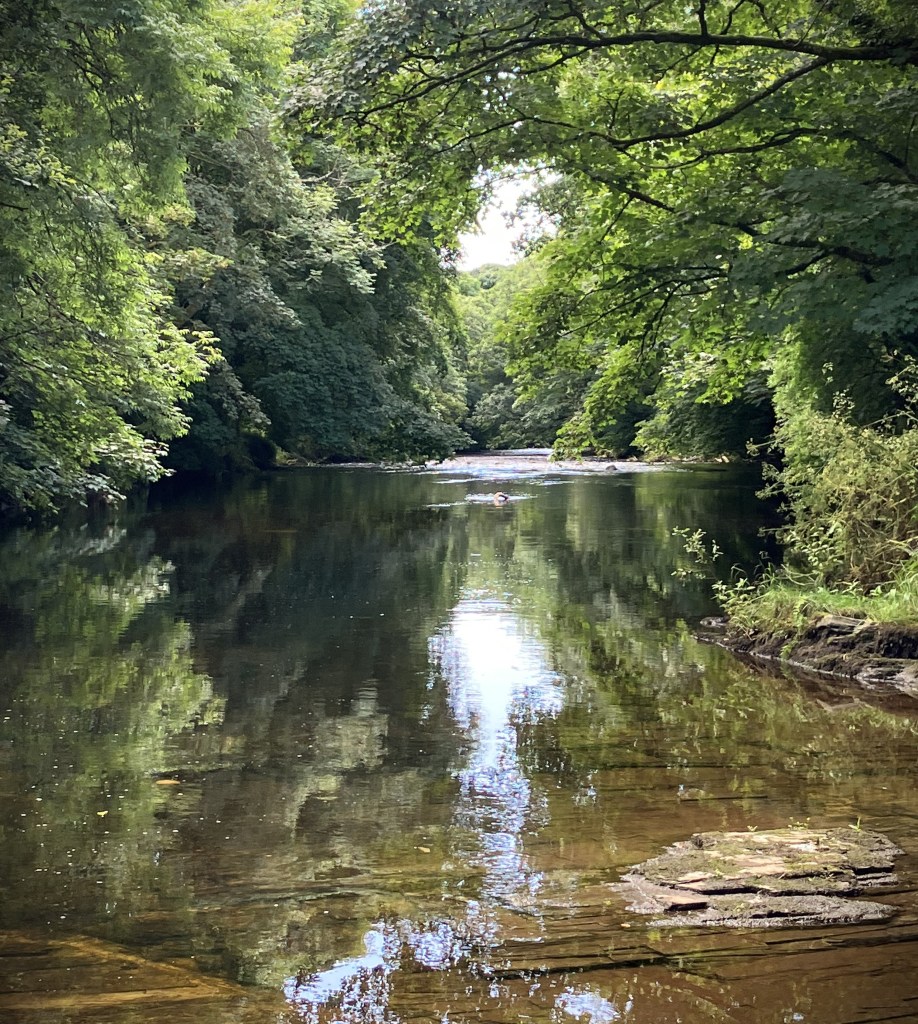
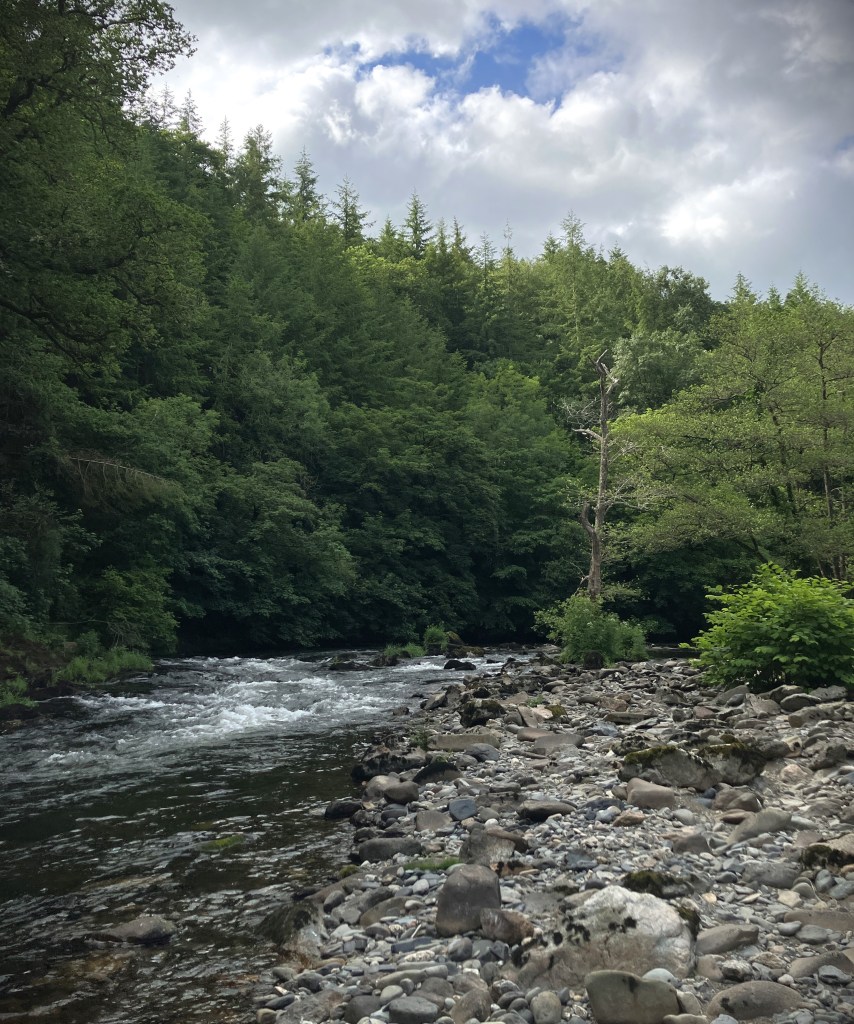
Heavy rain was forecast for midweek with a chilly north wind. Bizarre weather for late May. The morning was warm and humid with a gentle south-westerly breeze. I sat and pondered which Beat to fish. After too much pondering I decided that I would visit my favourite Beat on the River Plym. I might not catch anything but the scenery is beautiful.

I concentrated on the flat water immediately above the bridge. The intense sunlight occasionally penetrated the cloud cover and illuminated the deep water behind the large stones and the crevices in the bedrock. There was a lot to aim at. I fished hard, exploring the small pools with sandy bottoms and the darker water where woody debris had collected. The water was crystal clear and there were very few leaves tumbling downstream.

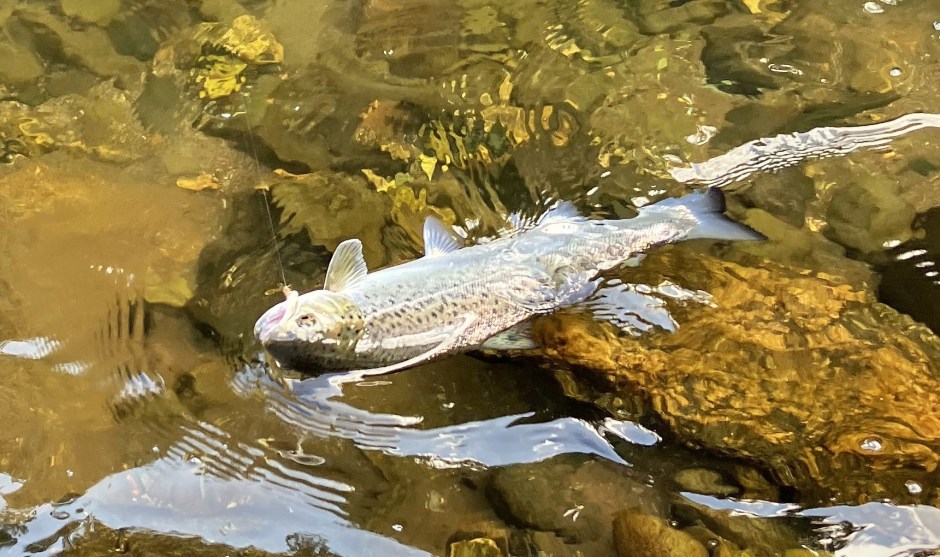
The Sage #3 ESN and the Rio line were a perfect match, it was a joy to flick the size 14 GRHE nymph upstream, looking at the tip of the line for any unnatural movement. The rod was designed for this sort of work. Some would call it Euro-nymphing. I don’t, it’s just fishing. I lengthened the line and covered more holding places before paddling upstream in the margins and repeating the process. After about an hour I was convinced that I had exhausted all possibilities and moved further up the river to a much bigger and deeper pool.

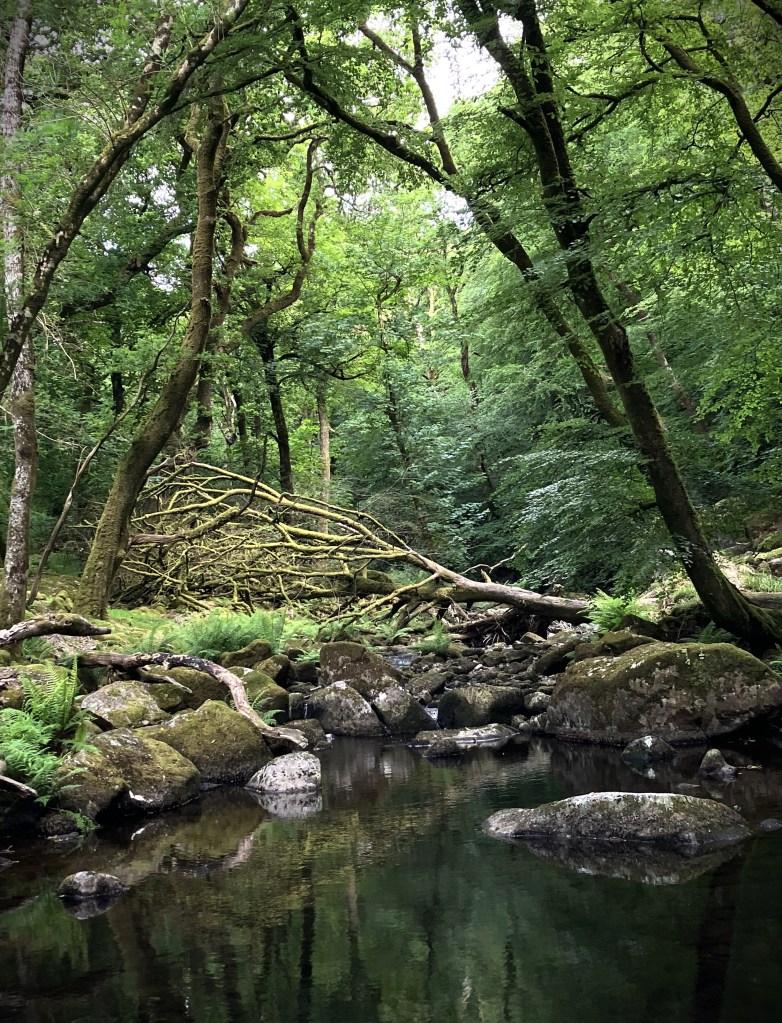
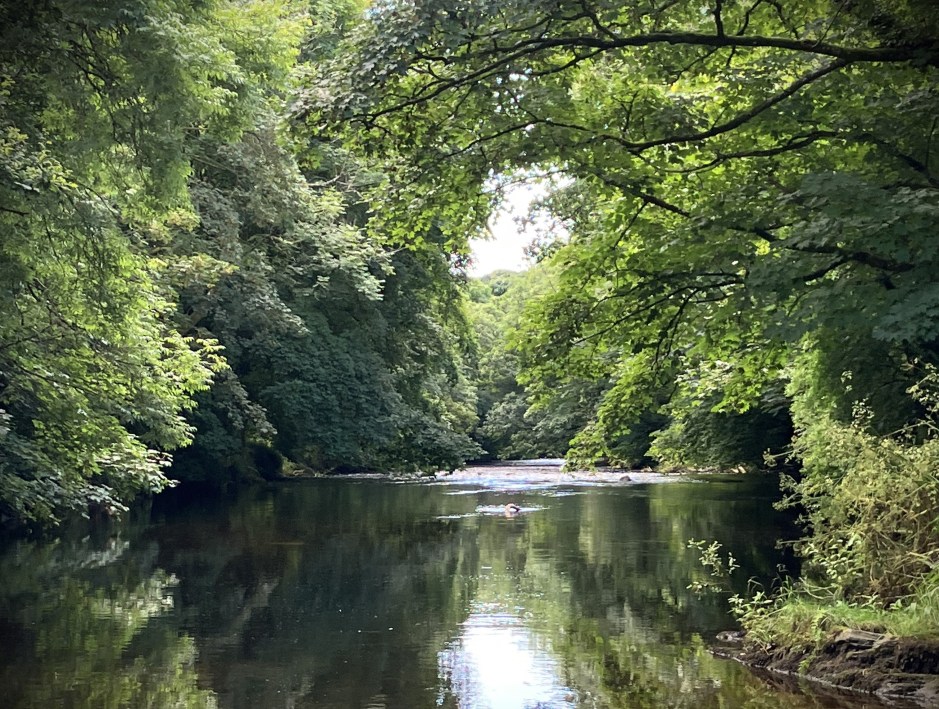
I slid down the huge slate outcrop on my backside, keeping low and using the trees behind me to break up my silhouette. I ran the nymph through the throat of the pool and let it swing around the eddy in the middle of the pool. By extending line and feeding slack into the current I was able to cover the far bank. I snagged the sunken tree about twenty yards away, confirmation that I had presented the fly close to cover. I walked upstream to a rocky beach and ran the nymph along the far bank. My knees took a beating on the granite stones.

I’d had no takes and didn’t see any fish rise but it had been a nice walk through the bluebell woods. Rain threatened as I reached home, thunderstorms and heavy rain are forecast for Tuesday’s visit to the River Tavy.

Tuesday – River Tavy

The heavy rain stopped just after 5:00pm. Homes in Tavistock were flooded while Plymouth bathed in bright sunshine. Unusually, the wind had dumped most of the rain on the northern part of the moor. The moorland streams and the runoff from the main roads, had overwhelmed blocked drains in the town.

On the Lower Beat I wandered both upstream and downstream, the water was rising and leaf debris filled the eddies. The spate peaked as I left the river which dropped overnight, close to it’s normal level. Hopefully, the spring tides and rain will encourage some fish up the rivers.

10 May – Three Days

8 May – River Tamar

The incessant rain had stopped and a week of high pressure had been forecast. There was no rain overnight, it was time to get the rods out. As soon as I saw the river below Greystone bridge I knew I was wasting my time, it was coloured and high. Not high enough to discourage me from walking to the top of the Beat. The descent to the first croy was too dangerous, water swirled around the bottom of ladder and flood debris had gathered on the rocks. The second croy looked good, I could paddle without fear of losing my footing. I went through the motions for an hour, knowing that I probably wouldn’t connect with anything. The water was quite cold. I enjoyed the walk across the fields.

9 May – River Tavy

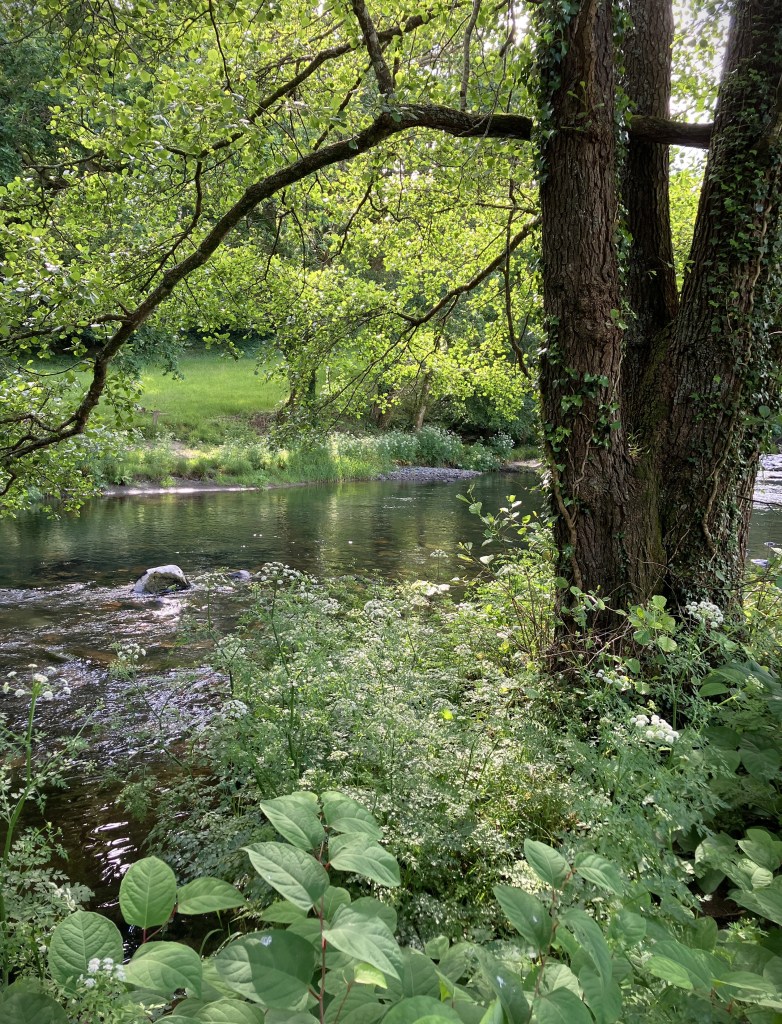
The clear blue sky allowed the sun to burn my hands. It was hot and humid. The air was full of olives and midges. I saw my first mayfly, a small specimen that made it to the tree canopy without being snapped up by a wagtail. I crept up to the top of the Beat and paused on a rock to get my breath back. Scrambling over rocks and around trees while keeping a low profile is tiring.

I used a Rio #4 on the Sage which was slightly overloaded at ten yards. I worked a GRHE size 12 through all the likely pools and riffles and moved steadily downstream. I fished ahead of a couple of unsupervised young children on body boards, a tragedy waiting to happen. It was great to be beside the river, I will return one evening next week when the sun is below the tree line.

10 May – River Tavy

It was very hot, I was glad of the upstream breeze and cold water. I hooked a fish in the first pool below the dead tree which was encouraging. I paddled around knee deep above likely looking riffles and shady flats. Extreme hay fever kicked in and I was forced to abandon the trip. I hadn’t suffered from hay fever for over fifty years. I could hardly see to drive out of the valley. Luckily, I met another member at the top of the track who gave me antihistamine tablets, how fortunate is that !

For three days I had been so eager to fish that I had put aside water and weather conditions. The level of the Tamar was too high, the bright sun could have been avoided if I had been patient and waited until the evening.

20 / 21 April – Leconfield

Saturday

Thin, grey, old men in Lycra wobbled along the main roads on expensive bicycles. Fat, grey, old men on very expensive Harley Davidsons added to the chaos. It was a glorious spring weekend and I should have kept to the country lanes. The chilly, north wind frightened people away from the lakes. There was nobody fishing when I arrived at 3:00pm which was a shame because the trout were rising everywhere.

I had a new rod and a new fishing hat to christen. The Sage #3 is very light in the hand and a delight to use at short range. I was curious about its ability to handle a 3lb rainbow. The lightweight tweed hat was sure to bring me luck and keep my head warm.

I sat on a paving slab beside the seat on the first point, keeping low and out of the wind. I flicked a few yards of line into the margins and watched it slide away as a cruising rainbow took the GRHE nymph. I lifted the rod just as the fish ejected the fly. A take first cast gave me confidence and I took my time exploring the water within easy casting range.

I had a series of very positive takes as the line drifted across the wind, left to right, Arthur Cove style but I pulled out of about five fish, two of which were well above average size. The long, stiff rod exaggerated the pressure on the size 14 nymph. I changed to a size 12 mayfly nymph and pulled out of a couple of fish.

I switched to margin fishing along the east bank where I had several takes and lost a couple of fish. Time for tea and cake. I moved downwind to the end of the lake where a lot of fish were cruising and taking buzzers just under the surface. I lost a couple but eventually landed one after pulling out of a big fish. The trout moved away into the centre of the lake, well out of casting range.

After another cup of tea I checked Great Springs and found lots of fish in the buzzer soup close to the dam wall. The wind blew flies, tree debris and flower petals across from the other side of the lake. The trout were hunting in pods. I flicked a size 14 GRHE a few yards and had loads of takes. I landed three trout and decided to call it a day. Four fish is enough.

It had been hard work. The wind was flukey and it took me too long to adjust to the 10′ 6″ rod. The hat was a great success, I hardly knew that I had it on !

Sunday

There was a convoy in Petworth. Fifty or more fat, grey old men and women on Harley Davidsons roared through the market town, shattering the peace on a beautiful afternoon. I was hungry and decided to stock up on meat pies and cake. I found myself close to the lakes rather than the Rother, the river was coloured and would wait another week.

When I arrived at Little Springs there were several people fishing and I decided to move further down the chain of lakes and fish at Luffs. The cold wind was blowing down the valley, channelled by the mature trees on both banks. The tactics were obvious, face the wind, fish from the dam end. I needed to push the line under the wind and chose the #4 Hardy and left my hat in the car.

I started in the corner of the dam close to a sparse bed of weeds. After one cast, an electric shock from my reel and a vibrating rod, warned me to get away from the low hanging National Grid power lines.

The trout were rising for buzzers, competing with each other for food and it was not long before I connected with the first of a series of good fish. I lost a few but the ratio of hooked to lost/landed was better than yesterday. The same size 14 GRHE nymph that I used on Saturday accounted for all the fish. I tried a black buzzer pattern but had no takes. That fly should be retired from my box and used as a template for my next tying session.

I re-learnt a lot during the weekend. There is a big difference between a 10′ 6″ #3 and a 10′ #4. They each have their uses. Fishing into the wind is hard work but it’s worth the effort. Another member fishing from the west bank at Little Springs had failed to catch anything. The GRHE nymph is a good imitation of a hatching buzzer.