7 August – Good Morning

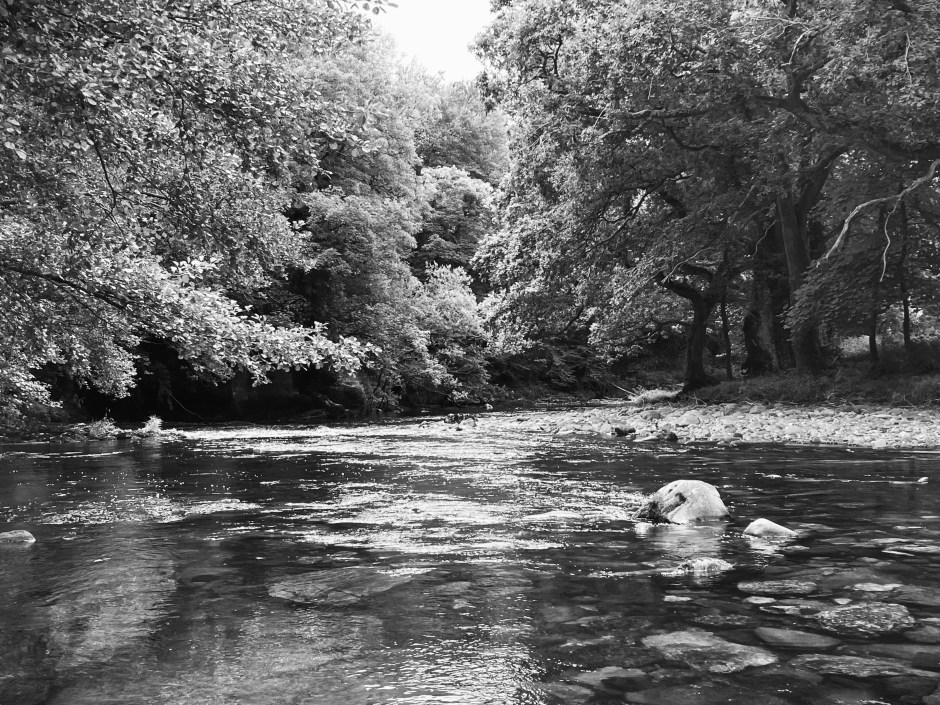
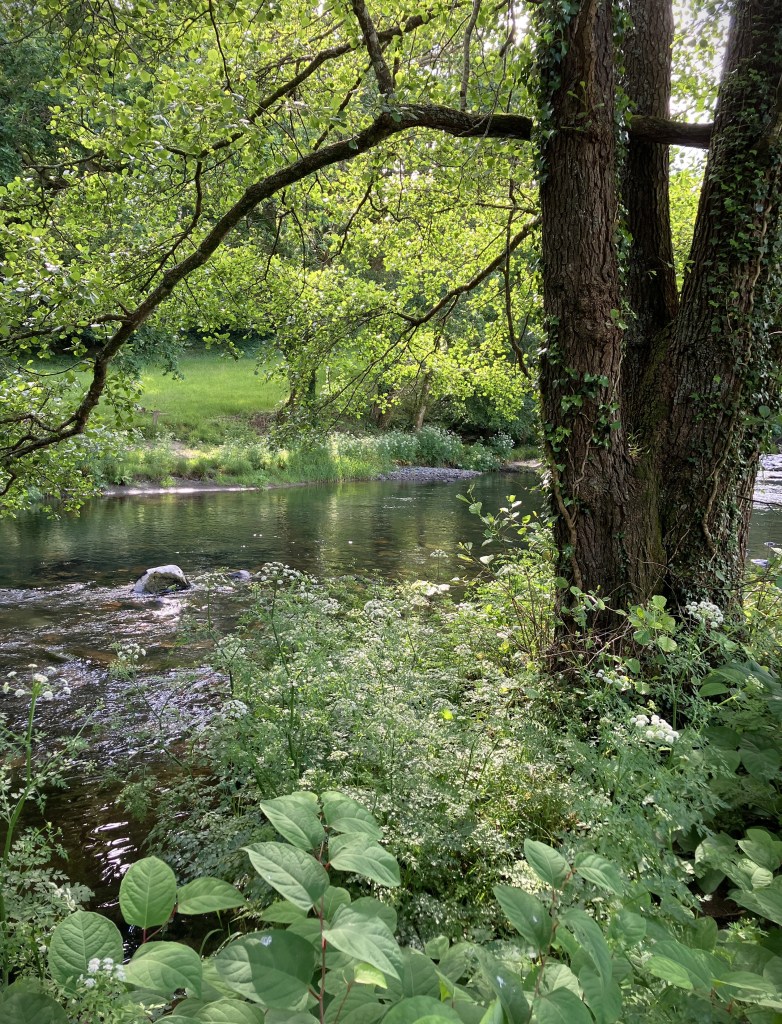
My day started at 6:30am which is a ridiculous time to have breakfast. A grey, overcast, dry warm morning was perfect for a few hours flicking a nymph about on the river. As I drove down the narrow lane brambles and ferns scraped and screeched along both sides of the Defender adding to the patina. I looked down through the trees at the river, fifty feet below the track, the water level was normal and a good flow pushed through the riffles.

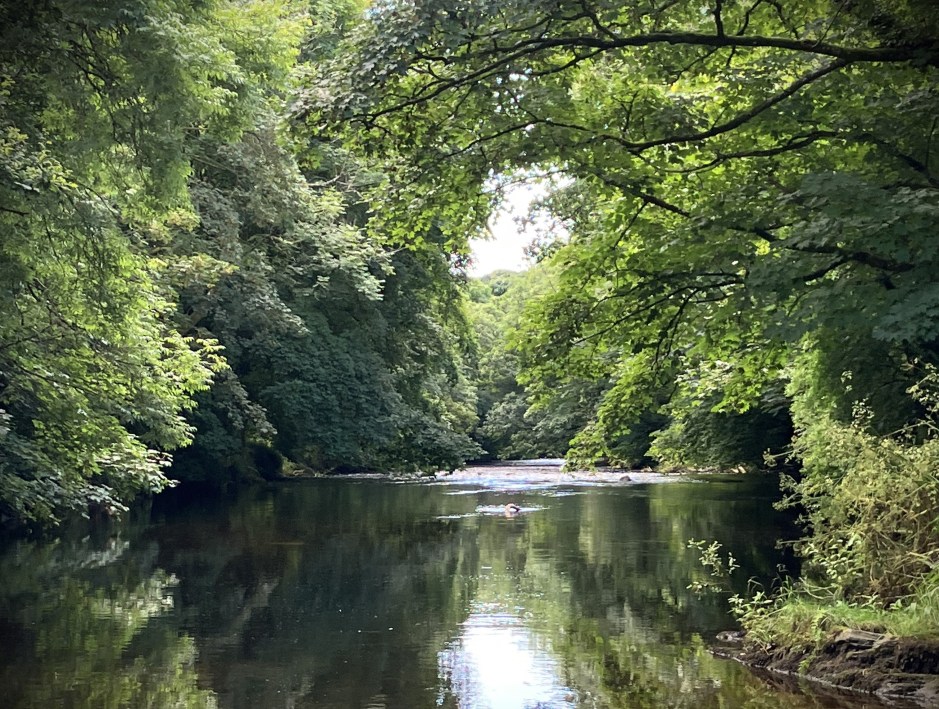
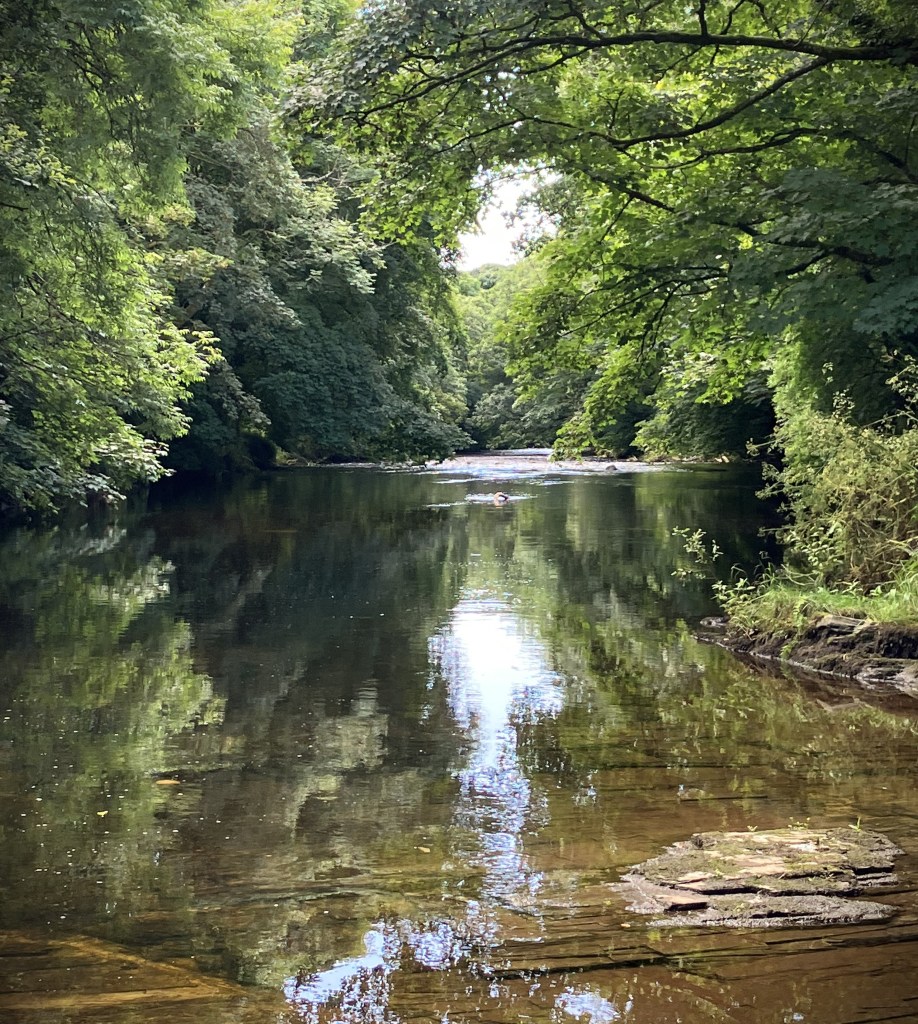
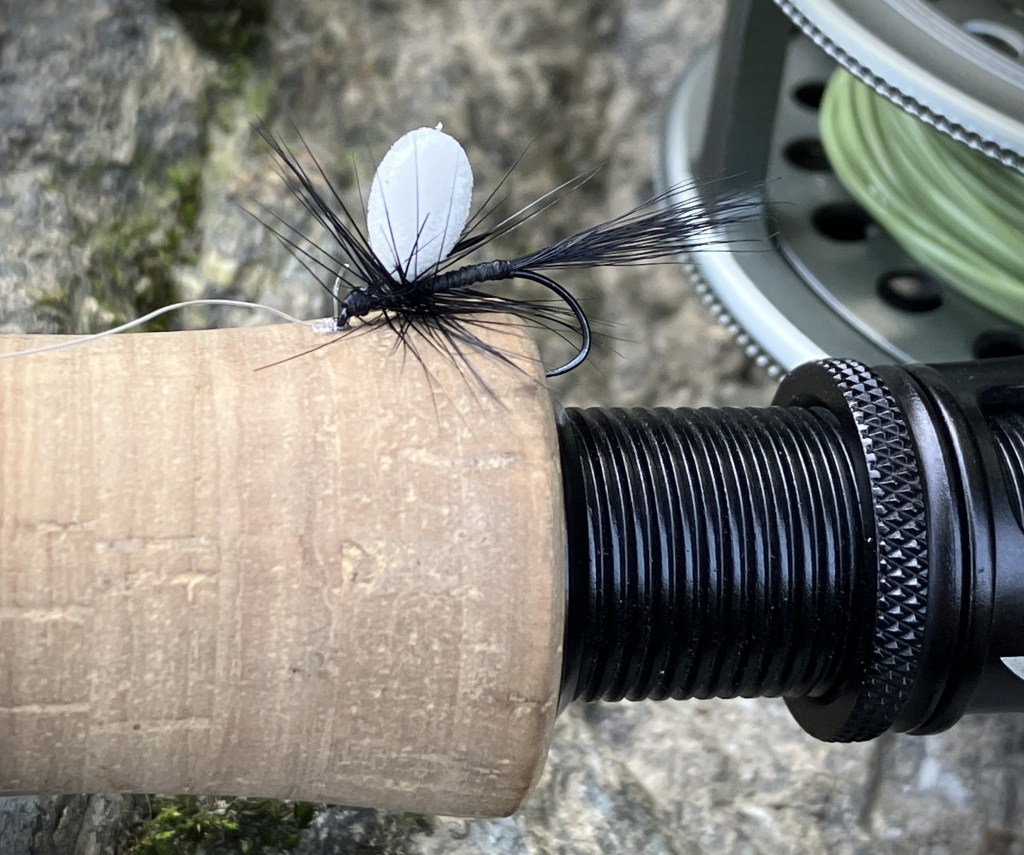
I normally start at the top of the beat but I had a hunch that the wide glide above the old weir would produce a fish. I started with a size 12 weighted GRHE nymph and covered a couple of rising trout. They ignored the fly. I drifted a black gnat over the rise but that was also ignored. I reverted to the nymph, the 12′ leader and tippet ensured that I didn’t line the fish. I’m never sure what trout think the GRHE is representing. It could be a stonefly nymph, a shrimp or a pinhead fry. I knew there were trout in the glide and persevered. The over dressed size 12 was changed for a sparsely dressed size 14 and a couple of casts later a nice fish took the fly just under the surface.

I crept along the path to a long pool near the top of the beat. The main current raced along the far bank. A back eddy between two overhanging sycamore trees was covered in white foam. A difficult cast and instant drag. I dropped the nymph into the eddy and immediately mended the line. A good trout took the fly and battled hard in the fast water, it took line off the reel. The slack water beside the beach on the near bank failed to produce another fish.

I wandered back along the footpath, uprooting many Himalayan Balsam plants, for lunch at the Defender. I had a sandwich and cookies before walking downstream to fish the run under a big oak tree. I was tired and easily distracted. I felt myself going through the motions, not concentrating. It was time to leave. Back at the cottage, the new roof was nearing completion. Rain was forecast for the following day.

Tavy Beats

I spent a Saturday morning uprooting Himalayan balsam. I saw lots of rising fish but I had deliberately left my gear at home. I was too tired to go back in the afternoon but planned to fish that part of the Beat a few days later. When I returned the river was high and a bit coloured. I had a nice walk in the woods listening to the bird song.

I also visited a Beat on the Tavy that I had never fished before. I knew that access to that part of the river was difficult and left the cottage intending to explore the Beat from top to bottom without the distraction of a rod. I left the Defender in a car park and allowed my instincts and the sound of rushing water, to guide me away from the urban environment towards the cool, tree-lined stretch of river. I was surprised to find a peaceful oasis only a few minutes walk from a retail park.

The access to the top part of the Beat was good but wading in the margins was the only way to explore the long riffles and glides further downstream. I had chosen wellies ! I walked to the end of the Beat across the fields, the bottom pool and run-in looked lovely. I must return with a rod.

Having walked two Beats on the Tavy with no chance of a fish, I decided to end the trout drought with a visit to my favourite Beat. The hottest day of the year, 32 degrees, was probably not a good day for trout but I felt confident that if I curbed my impatience and started late in the afternoon, all would be well.

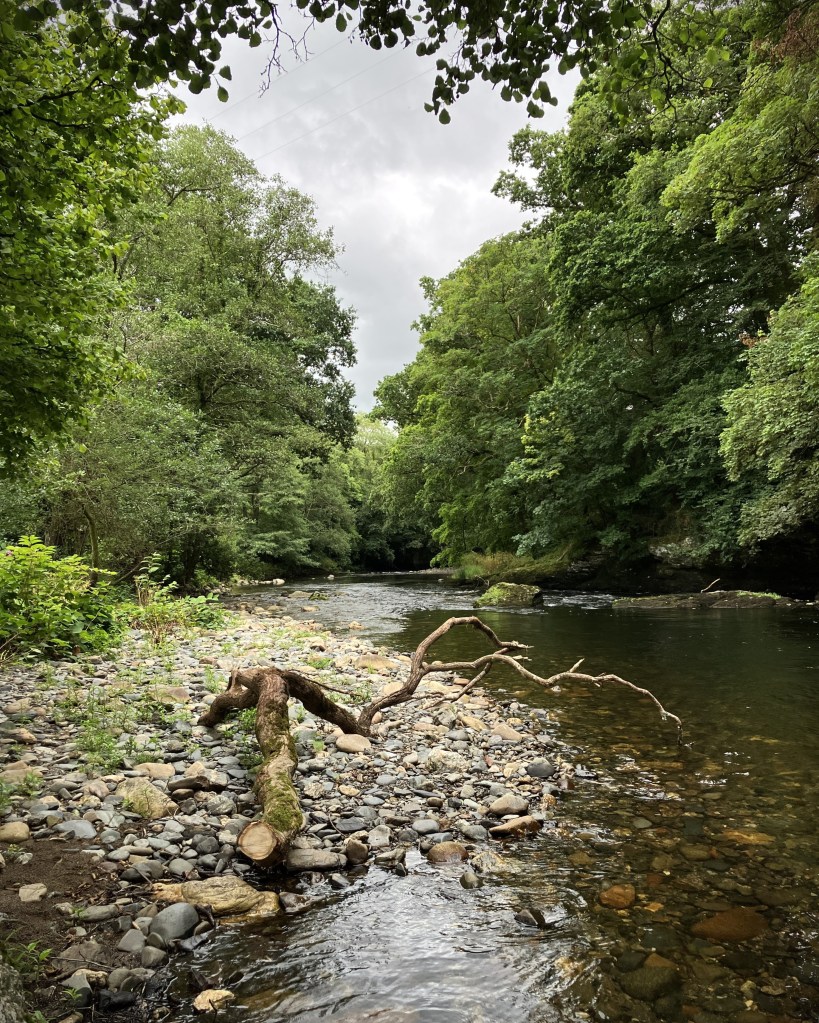
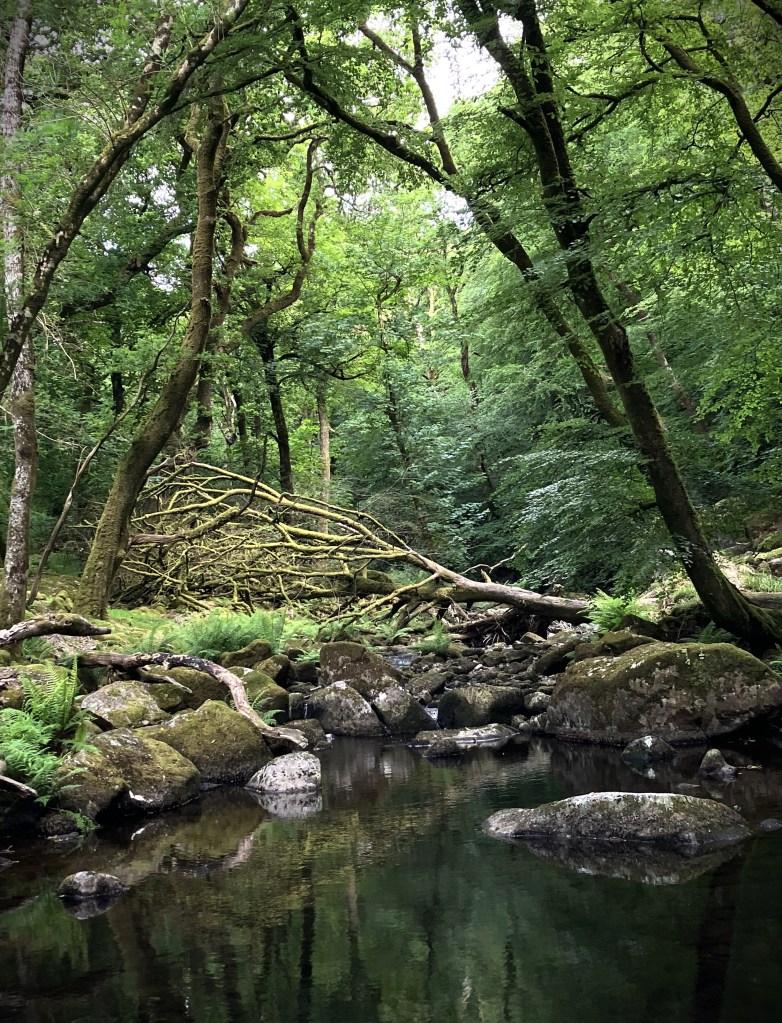
I slammed the back door of the Defender at 3:00pm and walked upstream to my usual place on the rocky beach below the reincarnated tree. The tall trees on the far side of the deep valley cast shadows right across the river. After a few casts at the top of the pool I had a knock on the rod, somebody was at home. Although I concentrated on presentation and worked the nymph around the large, submerged granite boulders, I was unable to convince a fish to take.

I wandered down the margins, covering the flat water below riffles and eventually hooked a fish which looked and behaved like a small sea trout. It threw the hook. I smiled. Hooking a fish was progress. I eventually caught a trout from the eddy behind a very large mid-stream rock.

The pool by the fishing hut produced nothing, my nymph was ignored. As I prepared to leave the pool I heard a fish rise upstream of me but the broken water hid the rise form. I saw a small fish rise in the slack and paused to watch the water. The small trout rose again further downstream and a good fish rolled over like a porpoise only a few yards away. I hurriedly tied on a black gnat. In my haste I tightened the knot badly and the tippet just above the hook was curly. I repeated the mistake and told myself to calm down. I retied the knot for the third time. I flicked the fly into the slack water and it was immediately taken by the small trout. The better trout went down.

I dabbled in the Major’s pool but the river bed must have changed a lot in the last fifty years. The bedrock was devoid of character. I walked slowly back to the Defender, pleased to have caught two and a half trout. I celebrated with fish and chips.

24 June – River Tavy

The new coarse fishing season started on 16 June and I spent three days trying to fool spooky carp on Dartmoor. The sun beat down but the wind on the moor kept me cool. Watching a carp circle the bait before gliding away with a look of disgust at such an obvious trap, was amusing but frustrating. Floating Oxo flavoured dog biscuits gave me the edge. I put a fearsome bend into the Mk IV and dragged a big carp from the edge of a lily bed. I must return with a fly rod.

Sitting beside a lake for several hours was in stark contrast to wandering along the banks of a freestone river. I had the urge to pick up a fly rod again. It was very hot and humid with no breeze. I waited until late in the afternoon before leaving home. The grasses and wild flowers brushed the wing mirrors on both sides of the Defender and the track down to the river gave the springs and shocks a good workout.

I met another member on the river bank, the first time in five seasons that I had encountered another angler. We agreed on opposite ends of the Beat and I walked upstream to the Dead Tree. To my delight the tree had sprouted new foliage, it was not dead, just resting.

I had a plan. I started higher up the Beat than usual and warmed up at a big wide pool below fast water. Having developed muscle memory, I wandered down to the long deep run along the far bank. Rather than fish the entire pool with a nymph, I planned to swap flies and search the fish-holding scour under the big rock.

Ammo box

For ten minutes I let the weighted GRHE nymph drift deep beside the rock but without a response. I repeated the process with a gaudy sea trout fly, mainly red and black over silver. Again, there was no response. Convinced that a fish hid under the rock, I rolled a heavy Jersey Herd around the base of the rock. Nothing. I gave the nymph another go before leaving the pool for the flat water downstream.

I paddled into the margins of a long bank-to-bank riffle and flicked the nymph into the slack behind a mid-stream rock. A spirited little brownie grabbed the fly and objected to being drawn up through broken water. I slipped the hook out and the trout departed, untouched, none the worse for its adventure.

I met the other member as I was leaving, he’d had a small trout from a midstream run. On the way home I was surprised to see that the pub was open and popped in for a pint and a scotch egg. The plan had failed but it had been a nice evening. Just one fish was better than a nil-nil draw.

10 – 12 June

10 June – River Tamar

Midsummer. A chilly north-west wind hurried the fluffy white clouds across a baby blue sky. I filled my jacket pockets with jelly babies and a small box of nymphs. As I wandered across the field to the big oak tree, a fat brown cormorant the size of a swan flew upstream. The bird glanced back over it’s wing and gave me a dirty look, I was happy to have unsettled it and saved a few trout.

Mayfly were hatching and in the absence of any birds, they fluttered into the trees along both banks. The increasing amount of run off in the Tamar suits these insects. I carefully climbed down the vertical ladder onto the first croy and surveyed the pool. Upstream the stony bottom was covered in green algae. The pool looked perfect with a good flow and a slightly green tint to the water. I worked a nymph around the seams and back eddies gradually lengthening the cast and expecting a solid thump on the rod. After exploring the pool for an hour, I climbed back up the ladder and walked upstream.

I repeated the process at the second croy and the result was the same, no takes. On the walk back across the fields back to the Defender, I concluded that there are very few fish in that stretch of the river. The shallow clear water is ideal for predatory birds and the guano on the branches of the dead trees overhanging the river is evidence of their success.

11 June – River Tavy

The north-west wind persisted but I was sheltered in the deep valley amongst the trees. I walked upstream to the pool where the dogs bark at me. Two very polite young lads joined me on the beach and we chatted about the river. The dogs charged across the field, barked for a while and then left me in peace having defended their territory. I caught a very silver fish in the tail of the pool. Possibly a smolt. I unhooked it in the water without touching it and it sped away.

I worked my way through head high Japanese Knotweed to the croy near the steps. The river flowed evenly at a good depth and I expected to catch a trout. At the end of a long drift I had a take and coaxed a small brownie towards me. It was a very colourful fish, definitely not a smolt. Two takes, two fish. The Sage ESN is earning it’s keep.

12 June – River Meavy

I couldn’t hear the river from the top of the hill and left the rod in the Defender, expecting low water levels. I scrambled down the hill through bracken, gorse and mature trees, taking care not to fall. The river was very low and there was hardly any flow.

I wandered upstream towards the weir. The water level was so low that I was able to walk across the top of the weir on dry stonework. I explored the true left bank downstream and then crossed back to rest on a flat rock. The level of the river rose about four inches and the water became very coloured. South West Water had released compensation water from Burrator, it looked like a summer spate. It’s a pity the flow cannot be maintained all year long.

6 June – River Tavy

6 June 2024, the eightieth anniversary of D-Day. I left the carbon fibre in the rod cupboard and chose a more appropriate rod. My Pezon et Michel was the 23rd rod made on 28 April 1940 at the factory in Amboise. France declared war against Germany on 3 September 1939 and was invaded on 10 May 1940, my rod was therefore made only a few days before the invasion. What were they thinking ?

I waited until early evening before descending the rocky track into the valley. It was humid and warm, olives were hatching and the wagtails were getting fat. I travelled light, just a few nymphs and a box of small dries.

I started at the throat of the pool below the dead tree and worked my way slowly downstream. I concentrated on reading the water, noting the sandy patches, the boulders and crevices in the bedrock. I drifted the weighted fly around a large rock midstream, beside a kink in the main current. A good fish slammed into the nymph and became airborne. I knew instantly that it was a sea trout. I expected it to slip the barbless hook and deprive me of a close encounter. The fight was long, the fast water magnifying the efforts of the fish. I tweaked the hook from the trout’s scissors and it shot away back into the deep water.

I found it hard to focus while working the other pools. I hooked a small trout but it came adrift after a few seconds. A small trout took an olive off the surface under the far bank, that was the only sign of a rise. While working the weighted GRHE I wondered if the trout took it for an olive nymph or a pinhead fry. The profile of the fly could be either.

The traditional method of catching west country sea trout is to fish at night. I don’t fish at night. I don’t fish for sea trout, they have enough problems. So far this season, most of the sea trout have been caught on nymphs during the afternoon.