Rother Valley

I wanted to see the winter floods along the valley. To see how high the water had risen and which trees had blown down. It was a cold, bright day with an evil North wind. A Big Coat day. The heater in the Land Rover was surprisingly effective and the drive to Petworth was quite comfortable. Except for the condensation dripping from the bare aluminium roof.
IMG_7347

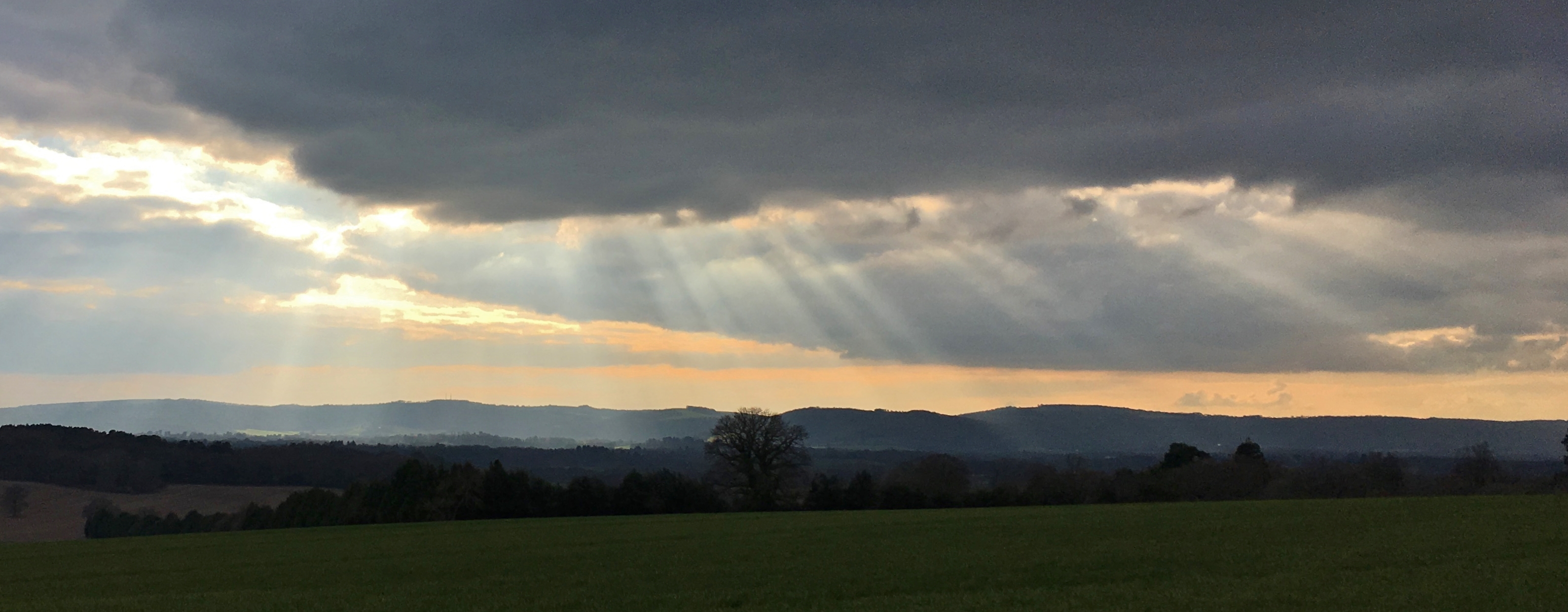
The view across the valley over my favourite gate at Riverhill was missing something. The clouds were impressive but the South Downs were obscured by a haze. I climbed back behind the wheel and for the umpteenth time, resolved to fit side steps. I explored the lane leading down to Fittleworth which revealed a spectacular view across the arable fields bordering the foot of the Downs. The clouds were moving fast and the suns rays raced across the fields. I stood in a sheltered corner for about an hour, warmed by the weak sunshine. I took over a hundred photos as the landscape changed from ‘bright green fields’ to ‘dark snow clouds’. It was only 2:30pm but felt like dusk.
IMG_7204a

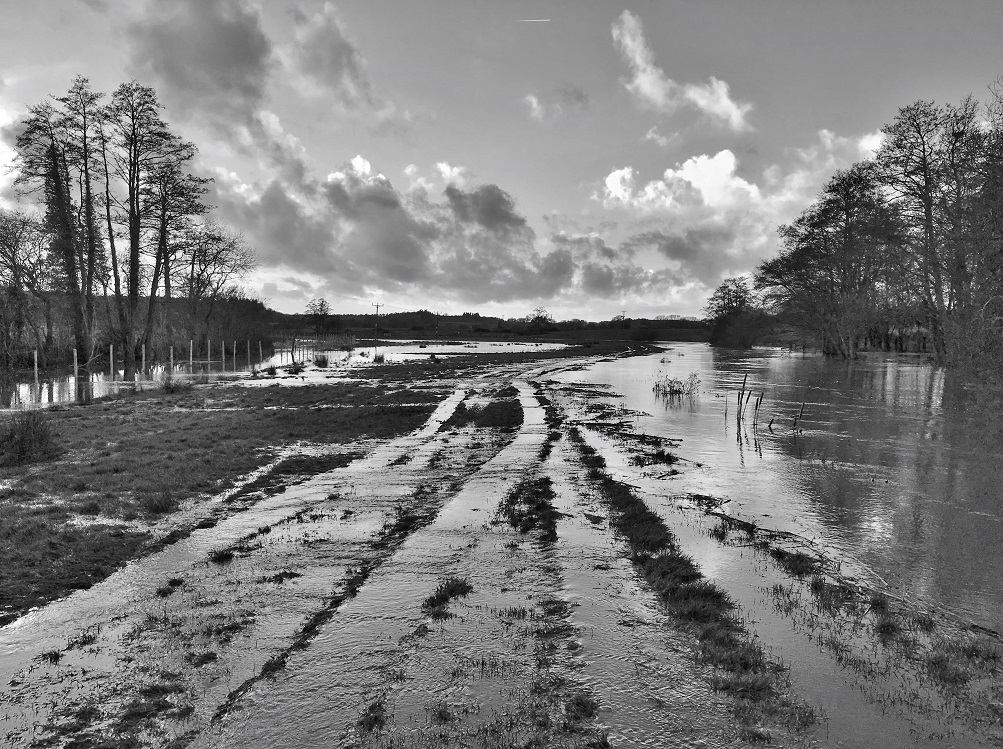
I drove to Coultershaw Bridge and was surprised at the river level, the fields around Kilsham were all flooded. I paddled in the water but it was too dangerous, hidden ditches and wheel ruts barred my way to the fish pass. I didn’t need Wellingtons full of icy water. Any late departing sea trout had an easy journey to the estuary.
IMG_7214small

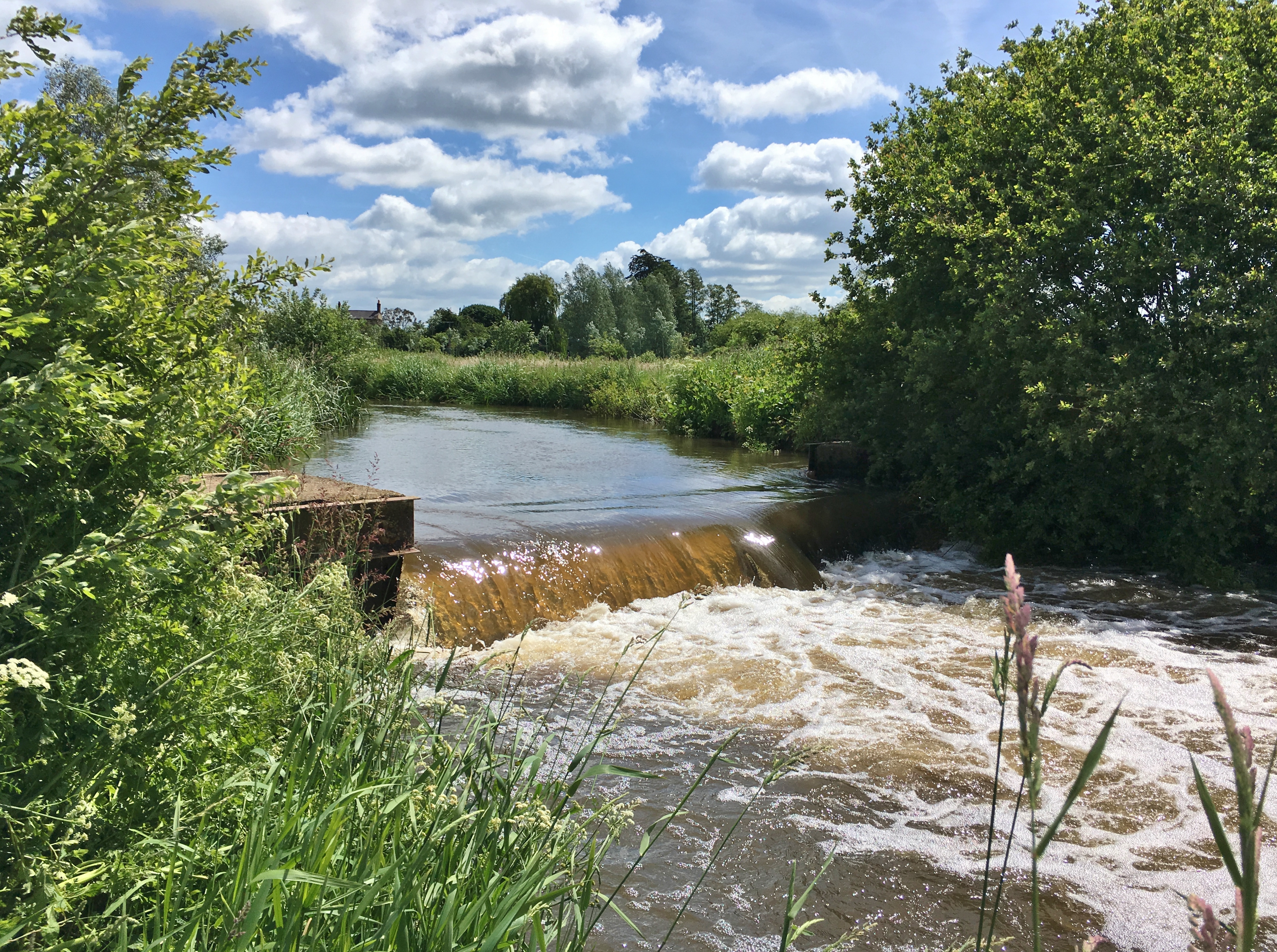
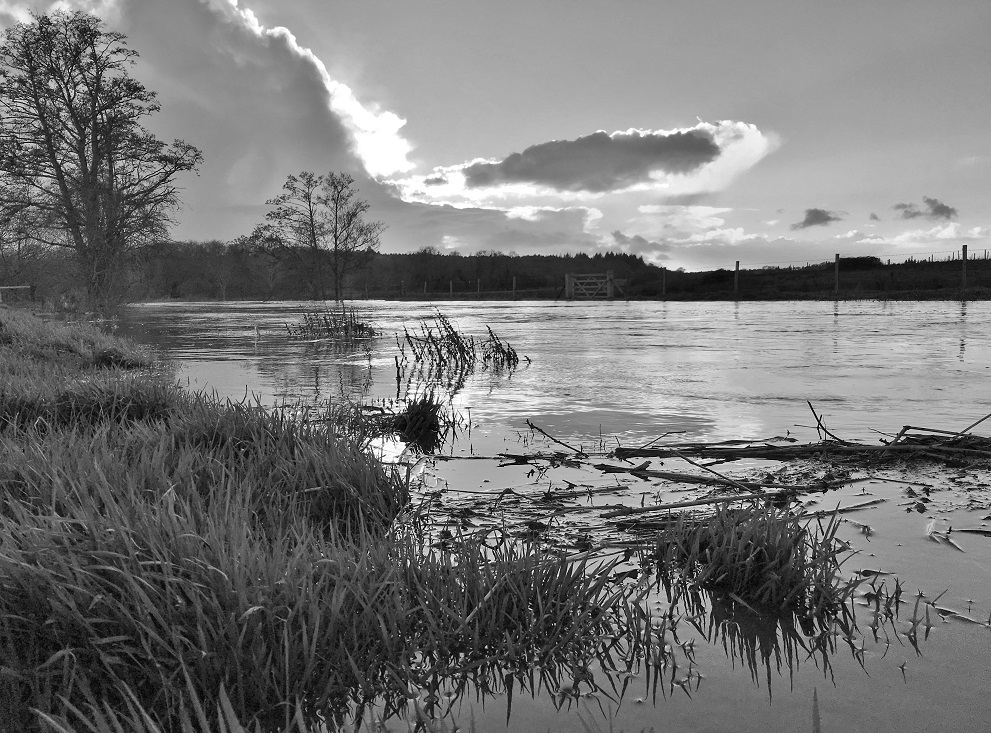
At Rotherbridge I looked upstream to the West, most of the landscape was under water. Several Alder trees were stacked alongside the river and the debris under the bushes had been washed away. I tried to imagine how the flood would reshape the sandy river bed. I wondered if the newly established Starwort would be ripped out.
IMG_7231asmall

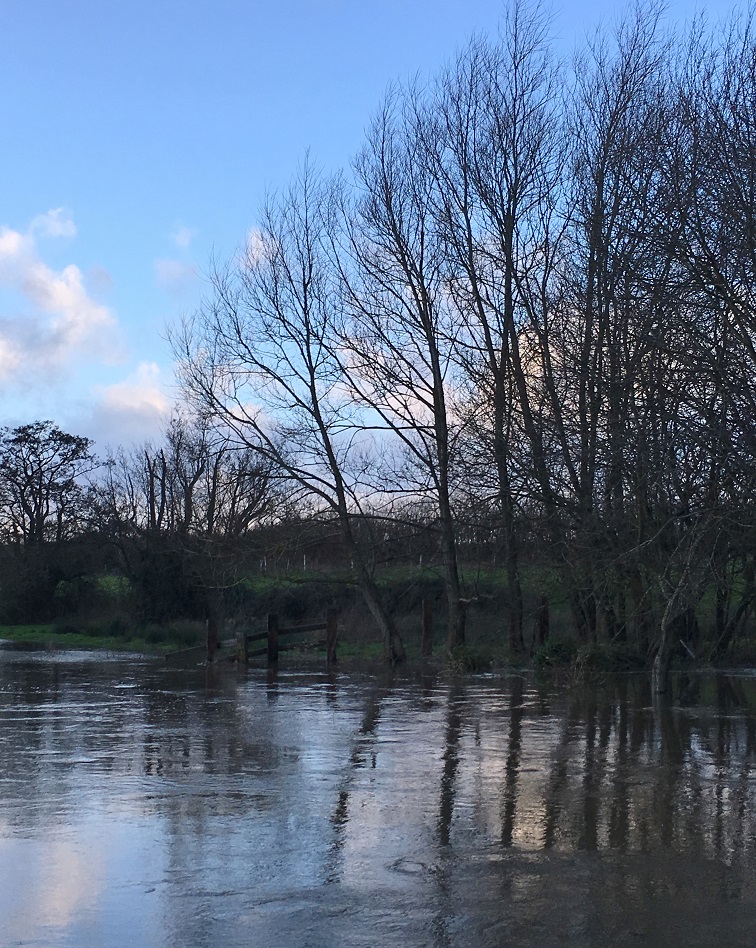
I walked slowly towards the New Riffle through the fast flowing water. There were no signs of fish or ducks. I watched the river being cleansed by the floodwater. Branches, plastic bottles and weeds were on their way to the sea.
IMG_7216small

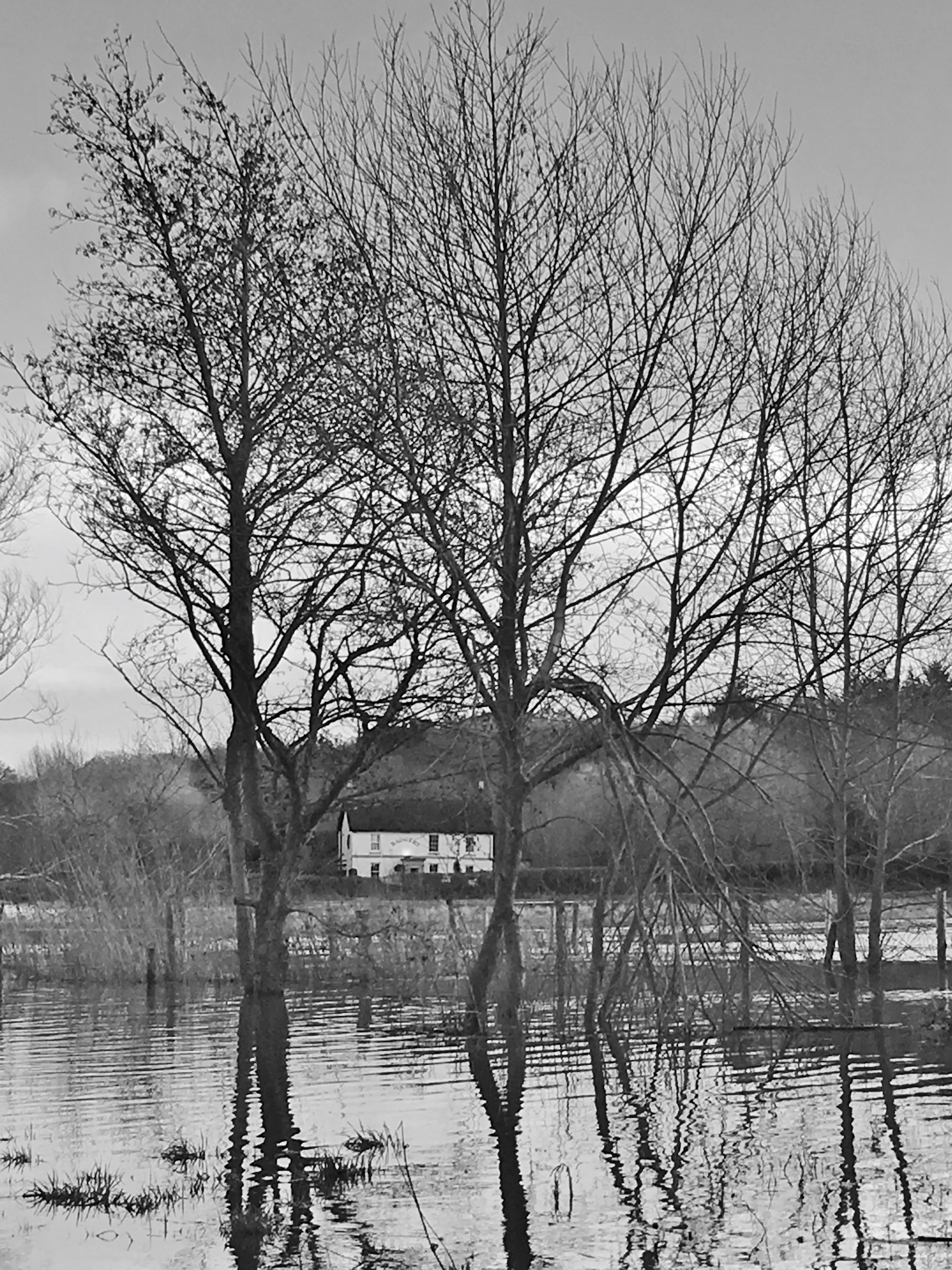
Rain or snow looked likely and the light was fading. I turned and splashed back to the bridge while I could still see where to tread. I stopped at The Badgers for a pint and to get warm before the journey home. It was reassuring to see the river, I will go again when the water level has dropped.

trout

2018 Plans

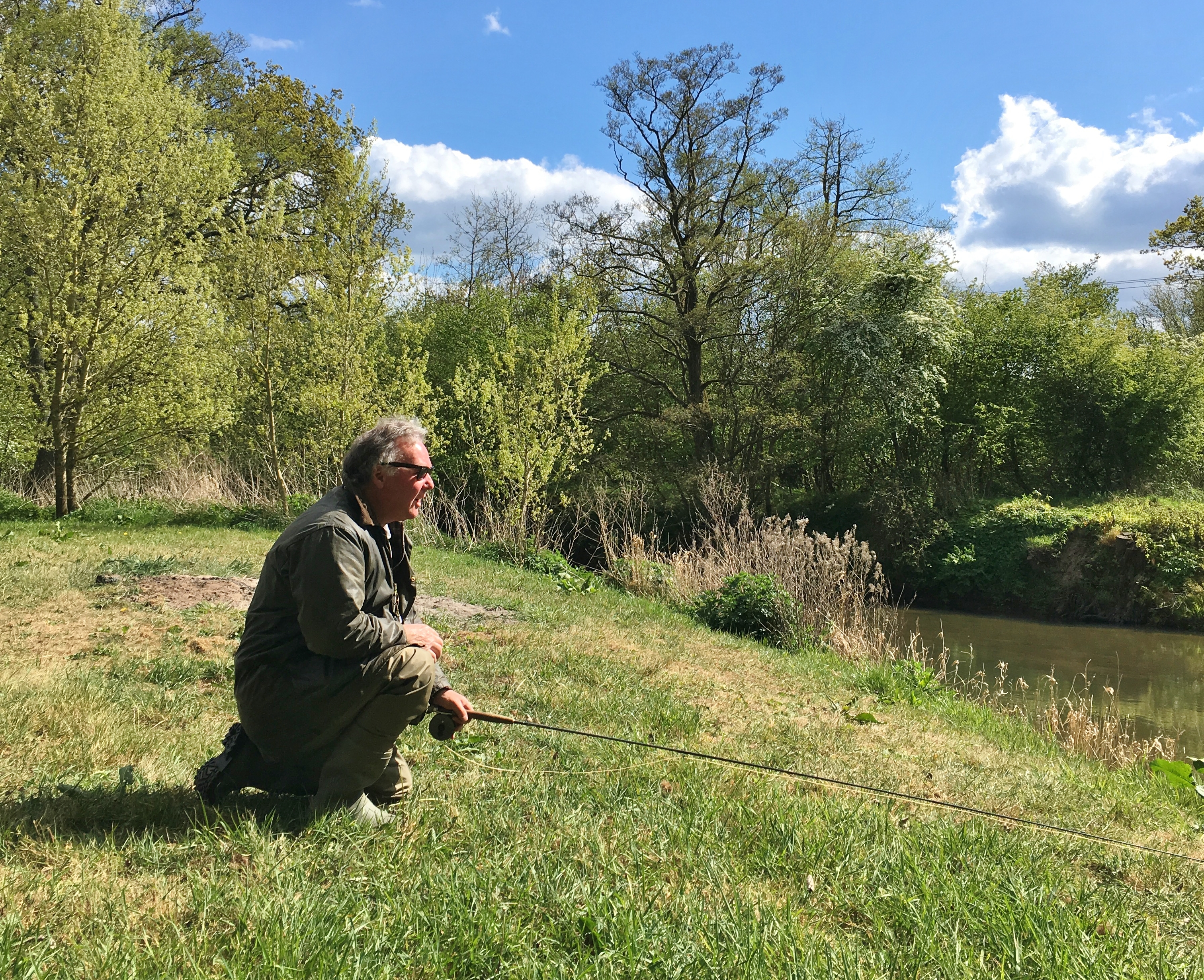
It’s good to have some plans or objectives for a new season. My right hand, wrist, arm and shoulder are worn out and painful. This caused me problems while fishing last year. Resting my arm over the winter has not improved matters. I will have to learn to cast with my left arm. I tried it briefly at the start of last season and it was not as difficult as I had imagined. Although tricky casts under bushes or around branches might be an issue. I look upon it as an opportunity to improve my casting style which has always been wayward.

hardyreel02

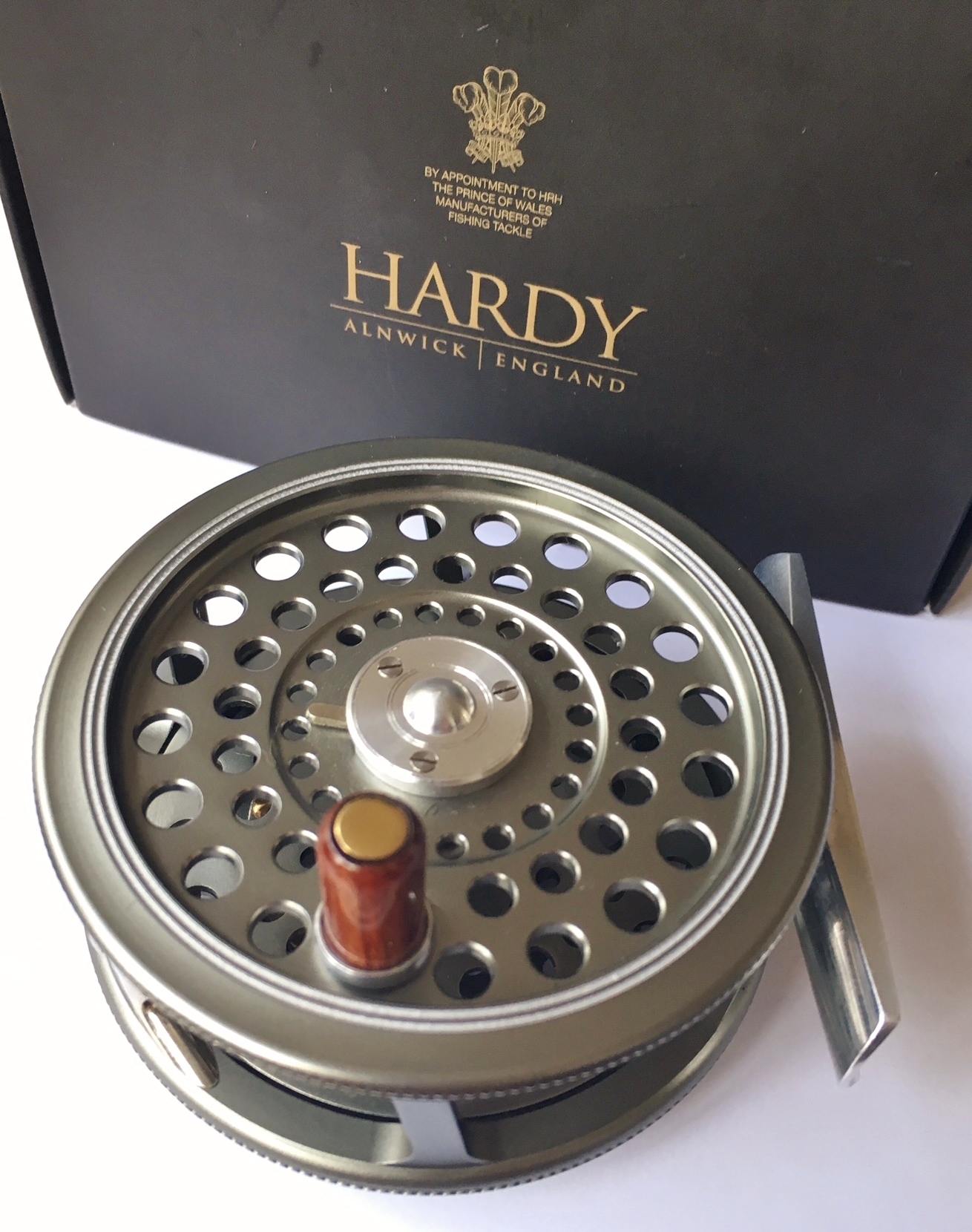
I treated myself to a late Christmas present, a Hardy Duchess reel. I examined the reel a year ago at Peter Cockwill’s shop, Albury Game Angling. Peter let me play with it for a while, there was no hard sell. I reluctantly gave it back to him and said that I would ‘think about it‘. Sadly, in a couple of days Peter is leaving his shop and moving to Hampshire. Happily, he was a having a closing down sale and he gave me a big discount on the reel. I have reversed both pawls so it doesn’t make a noise and I can’t wait to try it out.

I don’t know exactly how many fish I caught last year but it was probably too many. This season I will be more selective and target the bigger fish. When the river season opens in April I will explore the deep pools that usually hold the overwintered fish. This season there is a trial of catch and release at two of the club’s lakes. It will be interesting to see what impact the trial has on catch returns.

On one occasion last season I was forced to fish without a tapered leader. I tangled it around a tree and the fly line parted when I tried to pull it free. I bodged a leader from 6lb Fox Illusion fluorocarbon and subsequently avoided lining several spooky fish. I will continue using straight fluorocarbon this season, it will be particularly good for early season nymphing.

weightbackward

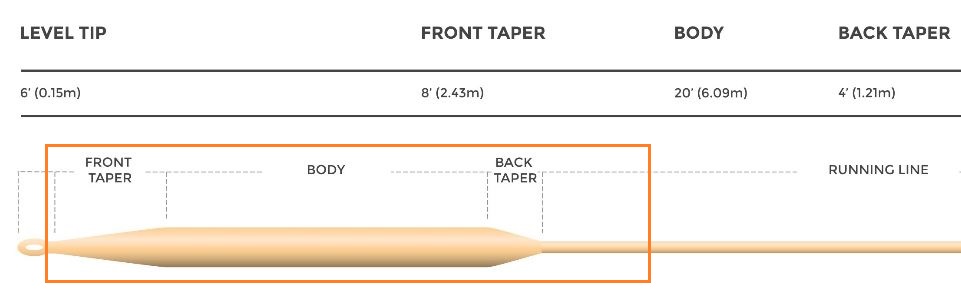
While rummaging around I found three old Cortland 444 WF lines in a drawer of my desk. I was about to throw them away but I wondered if the running line would be of any use. I had another Cortland line on my little Hardy Marquis. It was less than a year old and it hadn’t been used since July when I bought a Rio line. I took the reel into the garden and stripped all the line off it. The last ten yards looked like a pink spring and although I stretched the line, were obviously toast. I chopped off the coils and gave the remaining length an extreme stretch. Twenty yards extended by about a yard. The line looked OK. I stretched it again.

I looked at the line profile on the Cortland website and cut off most of the running line, leaving just ten feet. I fitted a closed cell foam arbour to the spool and reversed the line on the reel. I had a few casts on the lawn and it felt good. On my next trip I used the ‘Weight Backward’ line and I enjoyed it’s delicacy at short range. It felt remarkably like my Rio WF #3 but I preferred the peach colour.  It should be good on the river this season. There is no point in having thirty yards of line on a small river. I won’t throw away the other Cortland lines, they might be reincarnated.

trout

2017 Season

The lakes opened on 11 March. Spring was early, the wild flowers were out and the trees were in bud. The Winter had been mild and without severe floods. Everything pointed towards a productive start to the season.

I promised myself that I would not use a strike indicator when nymphing. It was an experiment to determine whether or not an indicator gave me an unfair advantage.

IMG_3338

The weather in March was warm, the South of England raced towards a long hot Summer. The sport at Great Springs was a bit slow but Little Springs fished well.

The season on the river started on 4 April. The weather throughout April was more like summer. The river was low and I had good sport with wild Trout and overwintered stock fish.

IMG_3829

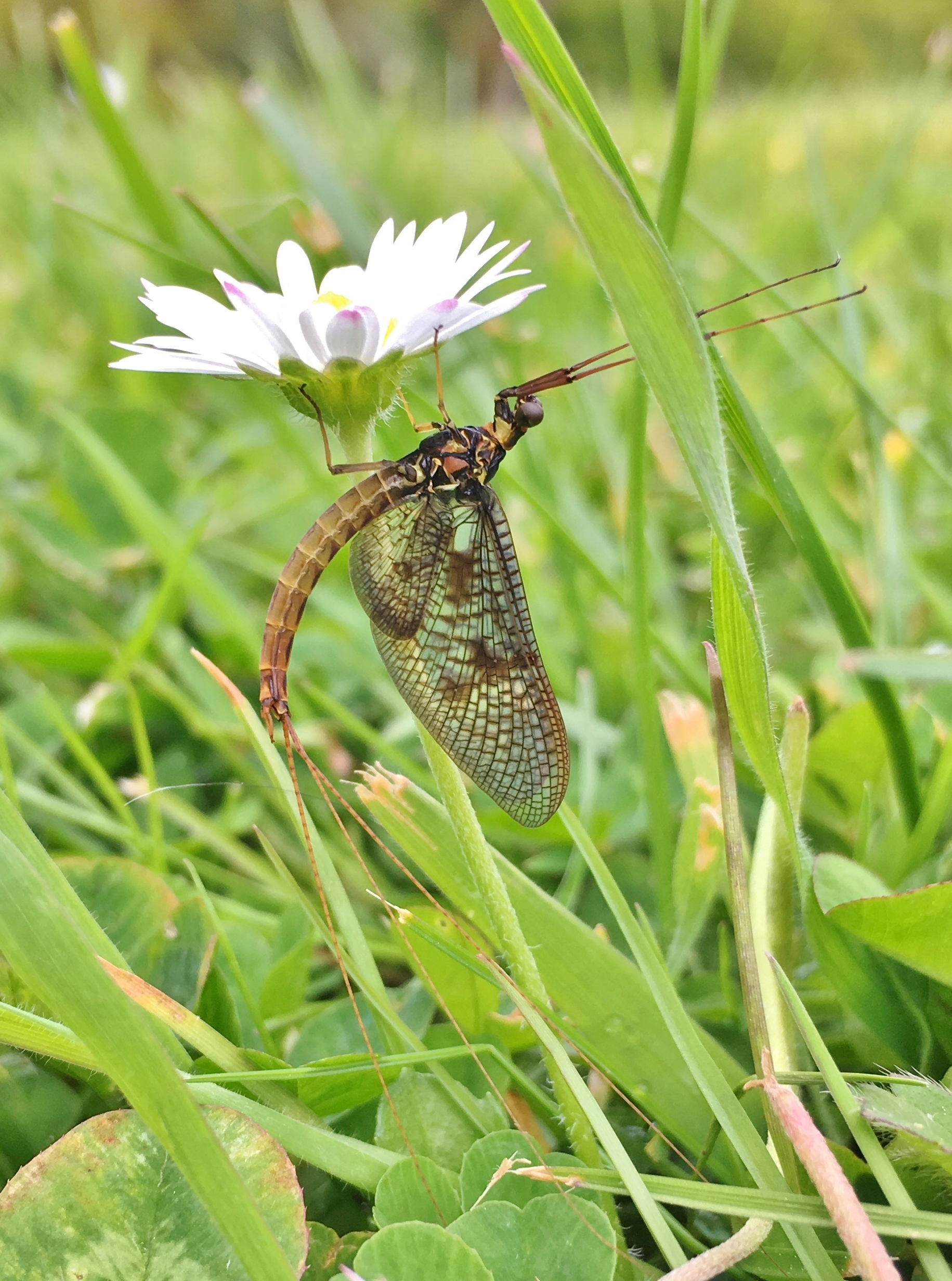
The Mayfly started hatching on 1 May which was very appropriate. There were not as many Mayfly as last year but there were very few birds about to eat them. There should be good hatches in 2018. As the months rolled by it became apparent that there was a marked decline in all species of flying insects throughout the country. Very worrying.

I caught my first ever Sea Trout on 1 May, by mistake. It was just a smolt but I was pleased to see the fish and release it carefully. I also caught a much bigger fish which was later identified as an overwintered Sea Trout, a kelt returning to the sea. Perhaps I will meet her again next season.

IMG_4159

We had quite a lot of rain during mid May which raised the water level in the river about two feet and put the fishing on hold. The last part of the month was very hot and dry. The water temperature rose to 21 degrees at Great Springs on 30 May and the Trout were not happy. The high water temperature and rapidly growing weed caused wild swings in pH and clogged two of the lakes.

June was very hot. By the middle of the month the river had returned to it’s normal level but then we had a heat wave. At the end of the month there were six consecutive days over 90 degrees. I had five days ‘keepering’ while Andrew was away on holiday, it was interesting to spend quality time by the river and lakes.

IMG_4987a

In July we went on holiday to Dorset and I returned with a new Rio fly line. Throughout the month the weather was crazy, with strong winds from every direction. It felt more like Autumn. The rain in June had encouraged the Sea Trout to run and after July’s first full moon, they were leaping about everywhere. Something to remember for next season. The first two weeks of August were very wet, the river was high and the harvest was ruined.

IMG_5723small

I fished Luffs during September while the river was high and I had a great time. I got to know the lake well and caught some big Trout. October brought extreme weather. The tail end of a hurricane,  red dust from the desert and quite a lot of rain. It was a productive month with a lot of takes converted into fish.

IMG_5777

The New Riffle appears to have had an immediate effect on the river. There is already a good population of shrimps and the well oxygenated water has been colonised by the chub and the wild Trout. There were lots of Sea Trout smolts below the riffle early in the summer and mature fish in the 4-5lb class later in the year.

IMG_6207bw

I fished the lakes during November and had a couple of fish. The water was clear and they were very shy.

Overall, I got to know the river better. I was able to locate the fish and turn most takes into hooked fish. I was consistent throughout the season.

I didn’t miss the strike indicator when nymphing, most of the takes were very positive. I also avoided the problem of trout rising for the blob of fluorescent putty ! I had a feeling that a couple of fish may have tweaked the nymph while I was fishing the river. Late in the season the fish are ultra-shy and I might have added a few to my tally if I’d used an indicator. The biggest change this season was probably my new Rio fly line, it improved my presentation tremendously.

A lot of restoration work is being done at Lower Figgs and Great Springs during the winter and I’m looking forwards to fishing there again next March.

trout


20 November – Luffs

The morning sky was grey but the south-westerly wind was warmish and the rain was hardly enough to warrant wind screen wipers. I visited Little Bognor and decided not to fish there. Most of the bottom lake was covered in a thick layer of golden leaves and the water was crystal clear. Both lakes had been fished over the weekend and quite a few good fish had been caught so I moved on. I drove to Great Springs and had lunch while watching for Trout. I didn’t see any.

IMG_6261

I went to Luffs which looked inviting. The surface was clear of leaves and the wind rippled the surface which would help with presentation. I used the Rio fly line as there were some good fish in the lake and my modified Cortland line would be too short if a Trout went on a long run.

I started on the south bank, searching the shallows thoroughly with a size 14 weighted black spider. A Trout swirled close to the bank on my left and I flicked the fly just past the ripples. Several careful casts failed to produce a take. Strange, I was sure the fish had seen the fly. I covered all of the water, gradually extending the line towards the centre of the lake and letting the fly sink deep. Nothing.

I moved down the bank and repeated the process. The result was the same. I walked around the end of the lake to the deep water down the centre channel. A couple of Trout were feeding in the middle of the lake, way out of casting range. I tried a slightly bigger fly but that didn’t help. The water was very clear and this late in the season the Trout had seen a lot of flies. I admitted defeat after an hour and headed home. Perhaps I should have fished at Little Springs.

trout

13 November – Little Bognor

The day started with a cold, dry north wind and a baby blue sky. Only seven degrees Centigrade, it was definitely a big coat day. On the drive to Petworth the sky clouded over but when I arrived the influence of the sea and the South Downs had cleared away most of the clouds. It was a bright Autumn day again.

I could only fish at Springs or Little Bognor, the other lakes were closed. I visited Little Bognor and looked in the feeder stream for the Trout I had annoyed during my last visit. It was still there, occasionally swirling in the shallow water. I would return later, the fish would be more likely to take a fly at dusk.

IMG_6757

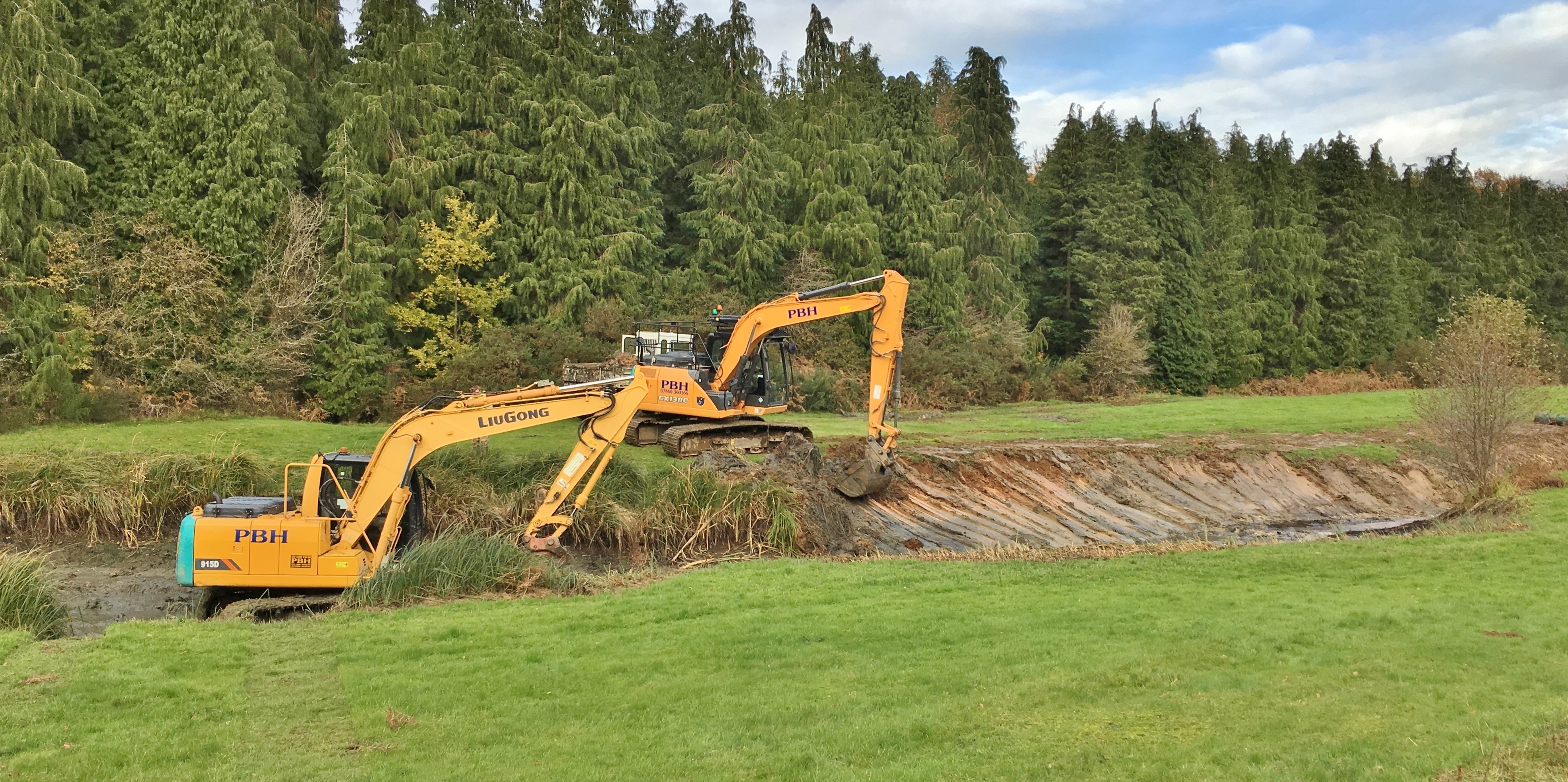
I drove to Lower Figgs to see what progress had been made on restoring the lake. Two monster diggers were gulping silt and clay, removing the weed beds and sculpting the banks. It looked very impressive.

IMG_6735a

As I drove along the Estate road the sheep were relaxing on the tarmac. On top of the hill the track temperature was a lot higher than seven degrees. I had coffee and chocolate biscuits at Great Springs. Both lakes looked lifeless and the cold wind channeled straight down the valley. It was too cold to fish there. I returned to the shelter of Little Bognor and set up my rod with a Cortland line I had customised. I had devised a ‘long tip nymphing special’ from the back end of a Weight Forward line incorporating a bit of running line. Just like my Rio line but a nice peach colour. It was a ‘Weight Backward’. I used a ten foot leader, a three foot tippet and a small black spider with a crimson hackle. I stood well back from the waters edge and covered all the margins and the inlet stream without a response. A fish swirled on my right but it ignored the fly. I swapped the fly for a size 14 GRHE and it ignored that as well. The  4lb bs tippet was probably a bit heavy but I decided to keep it because the lake held some big brownies and it would be a shame to lose a good fish.

IMG_6705

Trout were moving along the south bank so I crept round the lake and watched. They were cruising along the marginal band of floating leaves taking something small. I stood at the back of the grassy slope and cast so that only the leader dropped into the water, the fly line rested on the leaves. Several Trout were patrolling and I was confident that I would catch one.

As I stood watching and waiting for a fish to rise I could feel the frost creeping along my shoulders. The top of my head was getting cold. A fish rose infront of me and I dropped the fly into the ripples. I waited a few seconds and lifted the rod. The Trout swirled at the fly but did not take. Dusk arrived early in the woods. As I got colder the pain in my right hand and arm was a distraction. I drove away with the Land Rover’s heater on full. It didn’t work. The sunset was spectacular but by the time I reached my favourite gateway at Riverhill, the sun had just disappeared below the hills. I should have left ten minutes earlier.

My Weight Backward line was a revelation. I had given it a couple of extreme stretches to remove the memory and the cold water made it stiff but it was excellent at short range. It will be interesting to see how it compares with the Rio on the river next season.

trout