Last Chance

Saturday – Great Springs

The weekend was probably my last chance to fish in Sussex until next season. The previous week had been mild for mid October but the morning was chilly and the lawn was silvery with dew. The south westerly wind brought torrential rain on the drive to Petworth and I considered turning back. However, the bright sky over the Downs convinced me that a break in the weather would give me a few hours beside the lakes. The rain was forecast to return at 2:00pm. No pressure.

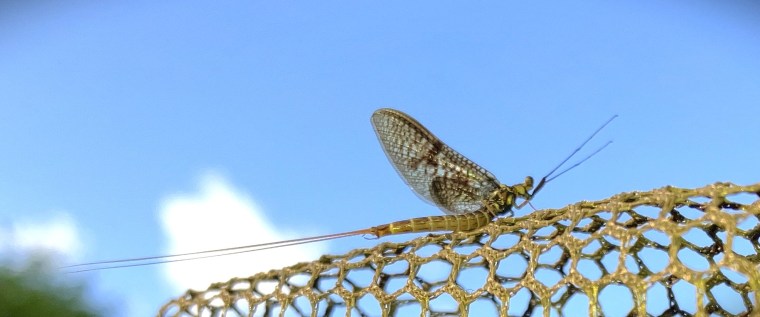
At Great Springs the trout were rising for buzzers and a good fish took my imitation second cast, it was about two and a half pounds and swam away from the landing net strongly, back to the cold deep water near the bank. I expected to catch several more trout but the disturbance had put all the fish down and the surface of the lake remained flat calm for several hours. It was good to see swallows skimming the water, something I’d not seen all year.

Later, as the rain clouds swept across the Downs, a trout surged towards my fly making a wake. I slowly lifted the rod to induce a take and connected with a solid fish which was identical in colouring and weight to my first. I drove to Luffs but as I was about to cast, heavy rain started to fall and I left the rising fish for the following day.

Sunday – Little Bognor

The weather forecast predicted a sunny day with a breeze. It was no surprise to find a still, dull overcast morning. I deleted the Met Office app from my phone. I watched the water at Great Springs while I had a cup of tea, nothing moved. There were fish moving at Luffs but they were well out of casting range and I drove to Little Bognor.

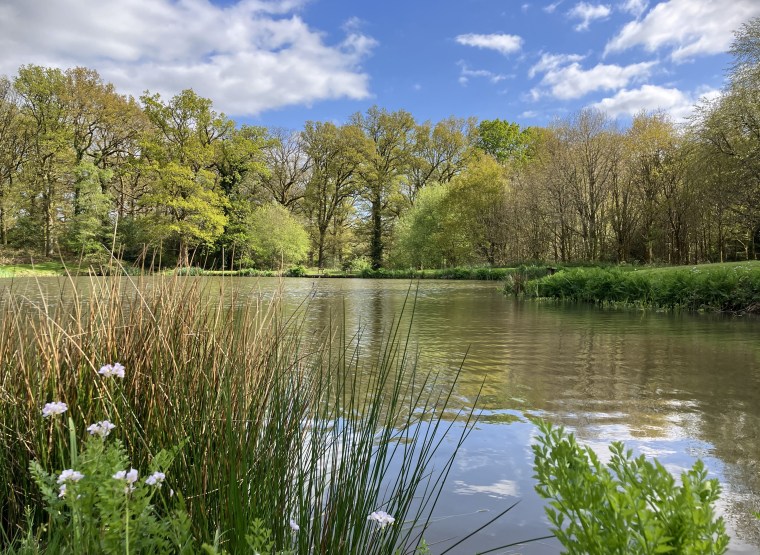
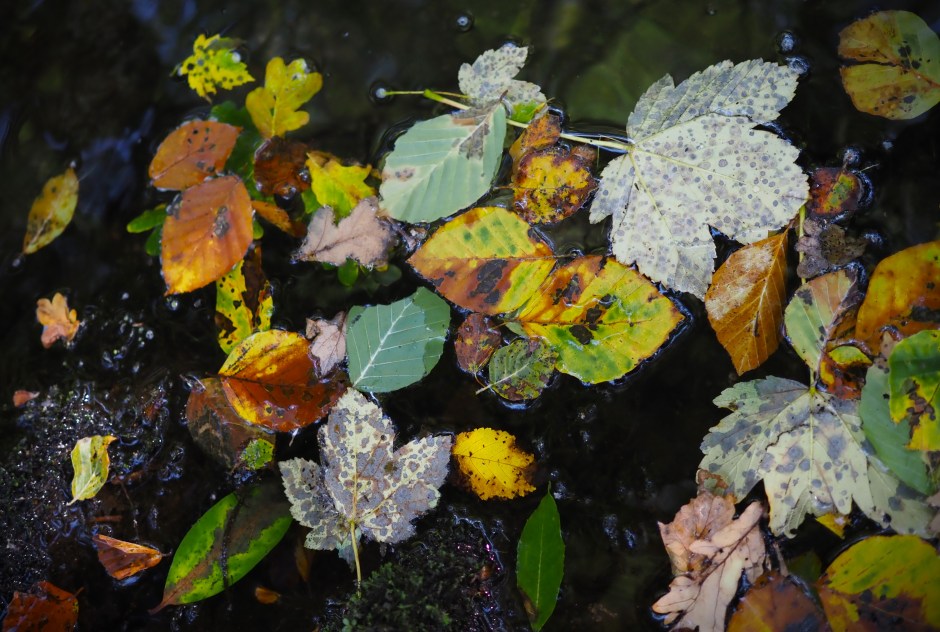
Little Bognor was deserted and a few fish were moving. The lake was calm and the surface had a scattering of autumn leaves. I dropped a black spider ahead of a fish cruising slowly past in open water. It saw the fly and veered away. A trout rose very close to the bank, next to a fallen branch. I took a risk and flicked the fly close to the twigs, then twitched the leader. I hooked the fish and held it until it had splashed itself away from the snag. The autumn colours along the flank of the brown trout matched the colours of the beech mast and leaves. I dragged the branch out of the water, it was a lot bigger than I thought.

Extracting the trout and the branch, had driven the fish away, towards the stone steps, below Rex Vicat-Coles long dead chestnut tree. As usual a fish was cruising inside the curtain of overhanging branches. Another risky cast landed the fly just inside the tree canopy and after a couple of tweaks, the leader rose from its curve and I lifted into another trout. A brace in ten minutes ! I crept along the stone path and watched a fish from behind a wall of ferns. I extended about ten yards of line along the short mown grass and waited for the trout to come within range. The tippet landed awkwardly across a floating leaf. I repeated the process a few times until the fish saw the fly and grabbed it. It came unstuck after a few seconds. As I walked around the lake I saw another fish feeding near the outflow but decided that two and a half fish was enough for one afternoon. It’s always good to end the day on a high note.

. . . _ . . .

30 September – More Rain

The last day of the Devon brown trout season. I had made plans to fish the Tavy on the last day, to catch another monster trout on the lower beat. Four days earlier I had walked beside the River Plym. I could tell from the peaty water flowing under the bridge in the village that the Plym would not be fishable and took my camera instead of a rod. No pressure.

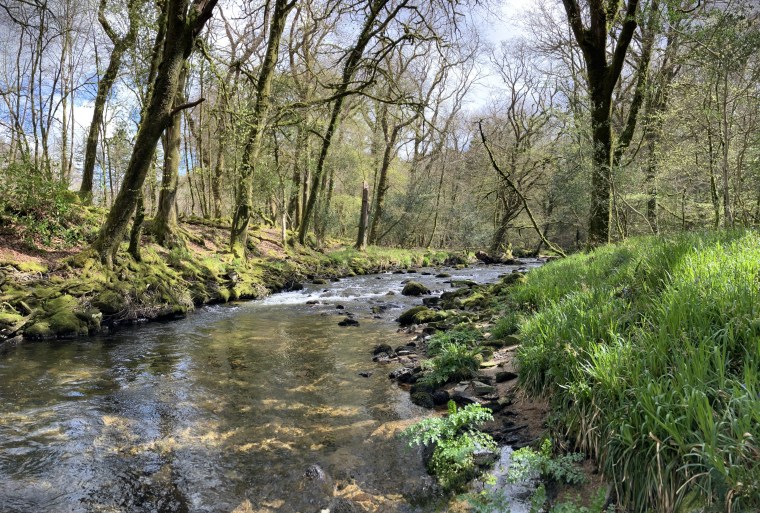
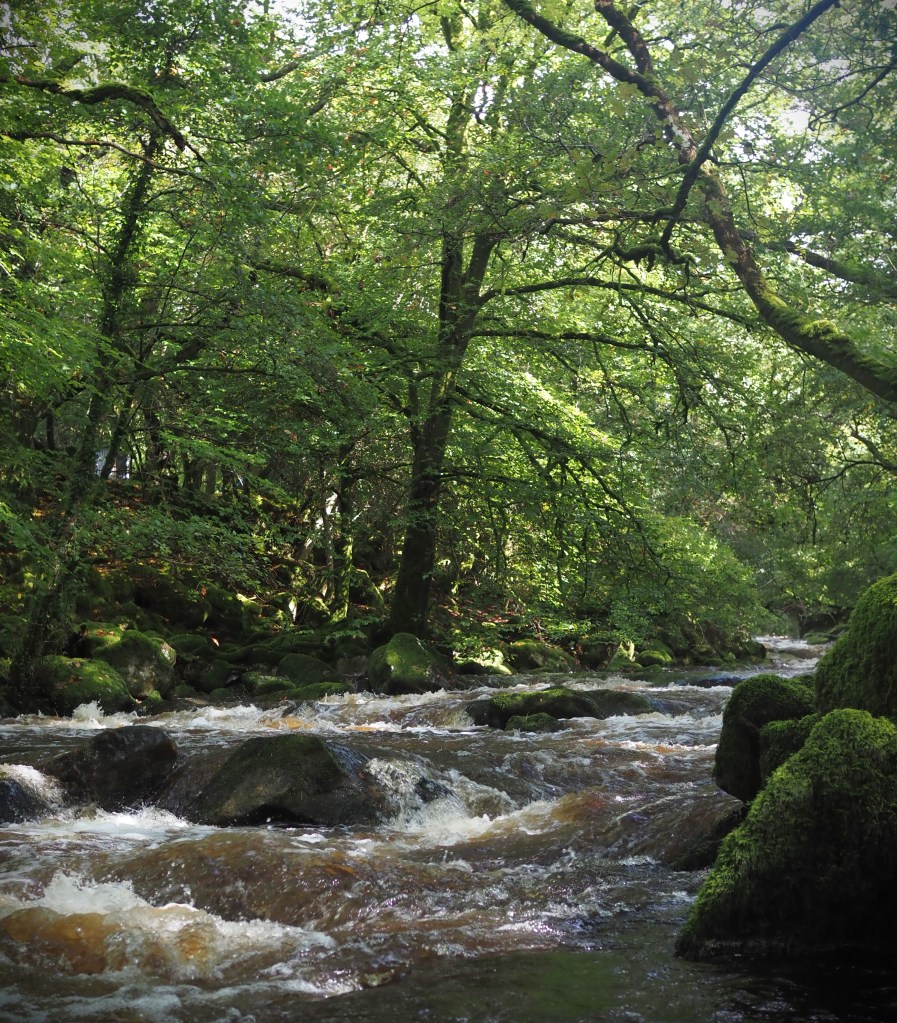
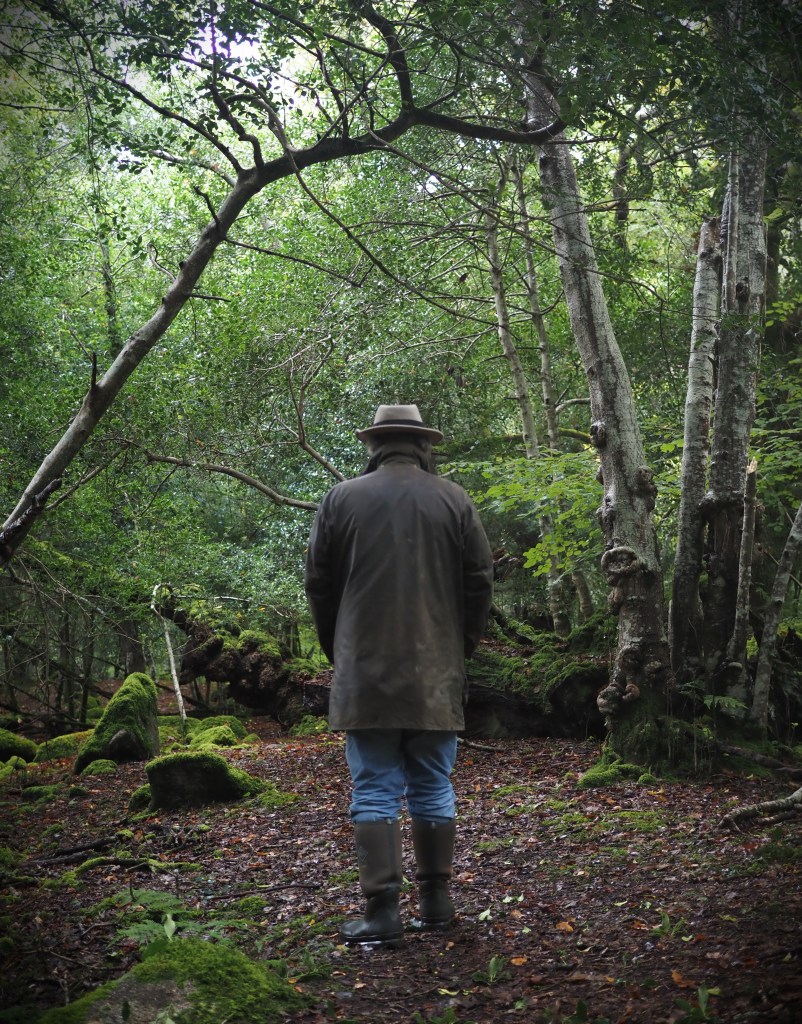
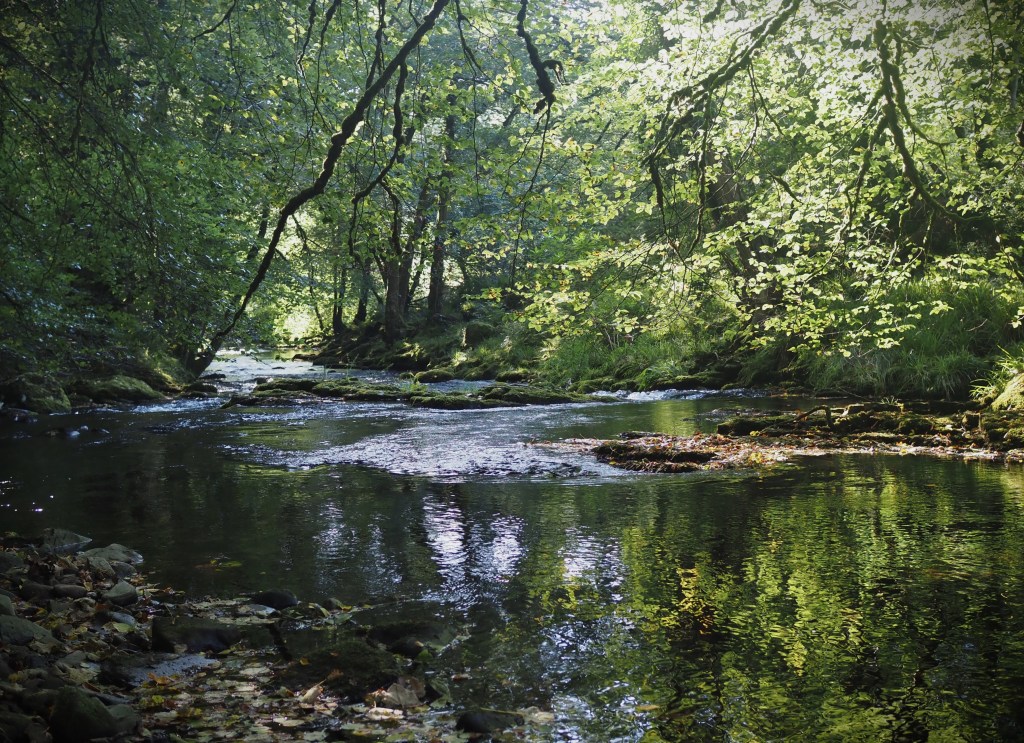
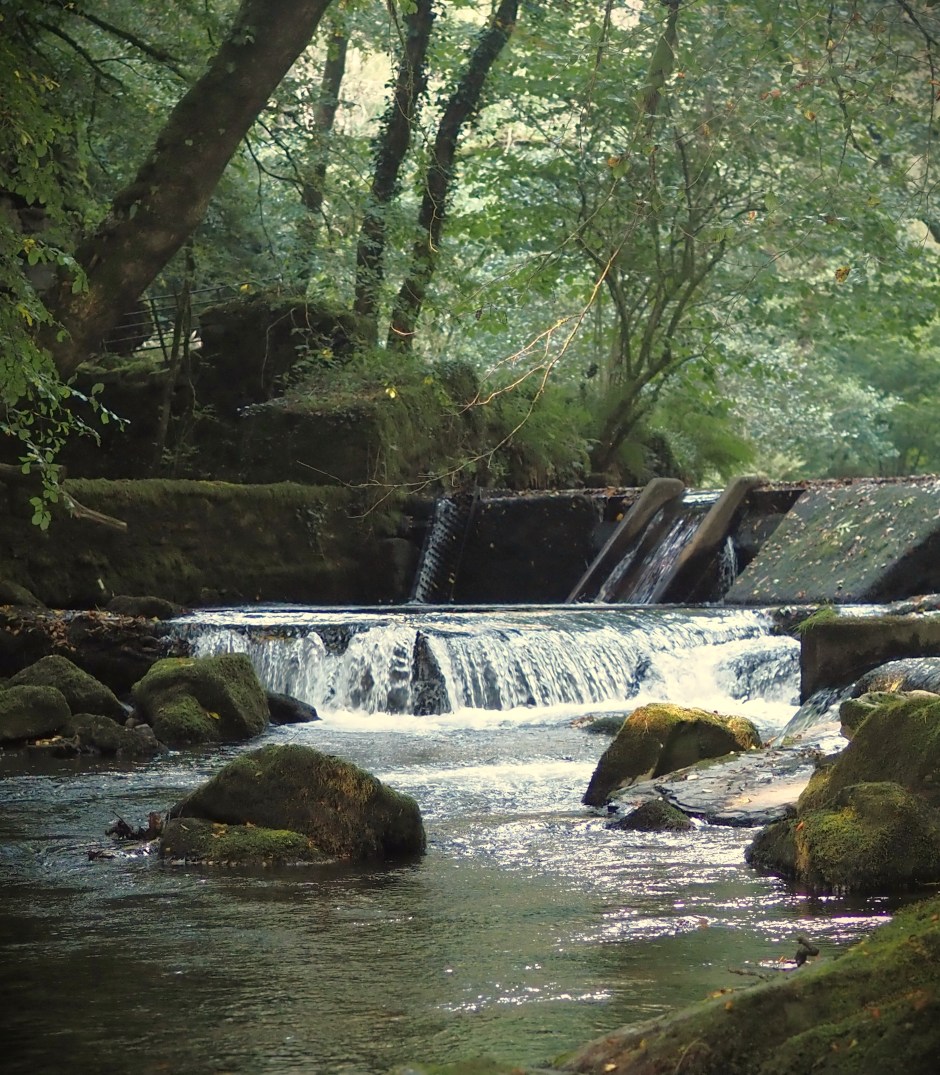
The weak sunshine occasionally broke through the overcast sky and lit up the white water racing down the valley towards Plymouth Sound. The woodland was quiet, the soggy leaves and moss deadened my footsteps as I wandered downstream, pausing to look back at the river and compose a shot.

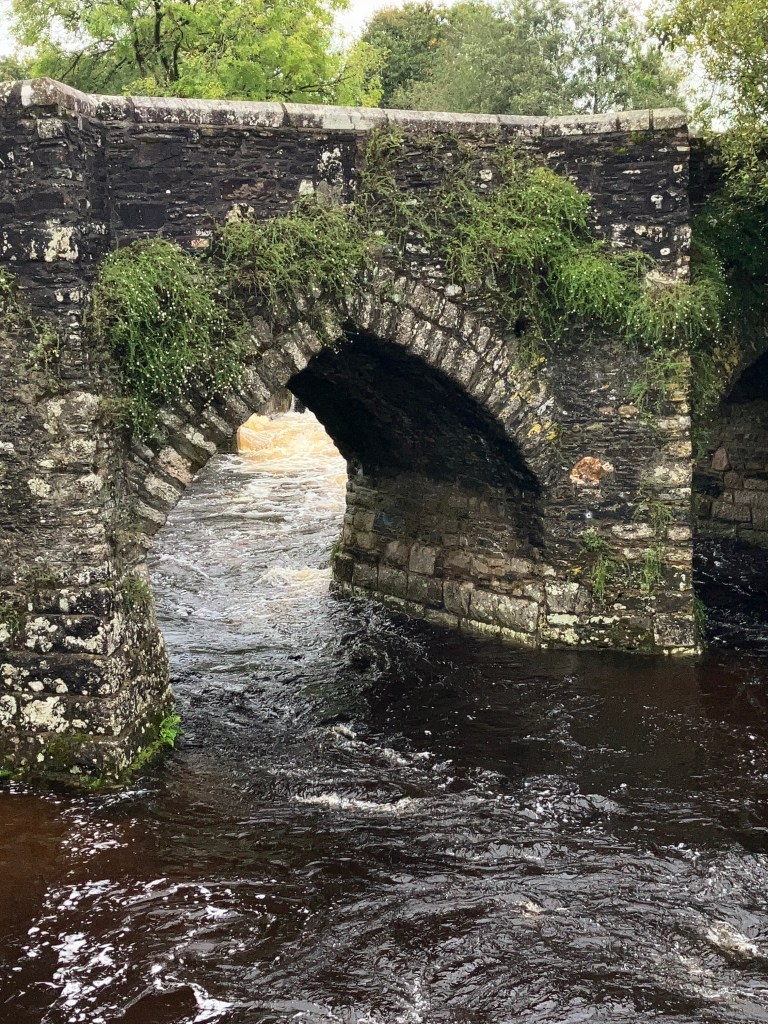
Gale force winds and heavy rain overnight ruined my plans for the last day of the season. I could hear the water thundering under the old bridge long before I saw the foam and heavily peat stained spate. Water had risen to engulf the flood defences and had left a line of leaves and debris across the grass, marking the high water mark. The river was dropping but not quickly enough.

The spate would bring silver tourists up the river but I had no interest in bothering fish that are teetering on the brink of extinction from the Devon rivers. Salmon had been seen in the Bridge Pool and I saw a couple of groups of sea trout above the fish pass ten days ago. On home ground, it seemed rude to interrupt their journey upstream to the spawning grounds high on the moor.

It’s been an odd season. We seemed to have a spate every week throughout the summer. There was plenty of water but not many trout. The handful of small trout dashing around below the bridge, taking midges in the evening, had disappeared, probably washed downstream.

It’s time to tie a few flies, restore an old rod and to explore Burrator which remains open until late into the autumn. I might also visit the Tamar to see if the grayling have evaded the cormorants.

. . . _ . . .

19 September – River Walkham

I realised last week that the trout season in Devon would end in a few days. I needed to fit in several trips to the rivers. The weather was windy, warm and bright, I wanted somewhere with plenty of shade. Deep in the valley, the River Walkham beckoned. The beat is left wild, unspoilt. Moreover, access is behind locked gates, keeping walkers and spaniels away from the river.

I walked down the gently sloping track, stopping occasionally to listen and look around the woodland. The white noise from the wind in the tree tops was pierced by buzzards mewing while looking for lunch.

I wandered further down the track looking for a familiar tree and an easy path through the bracken and fallen trees. I slid down the bank and found the bridge over the leat, high above the river. The river looked perfect, slightly above normal level with only a few leaves spinning in the current.

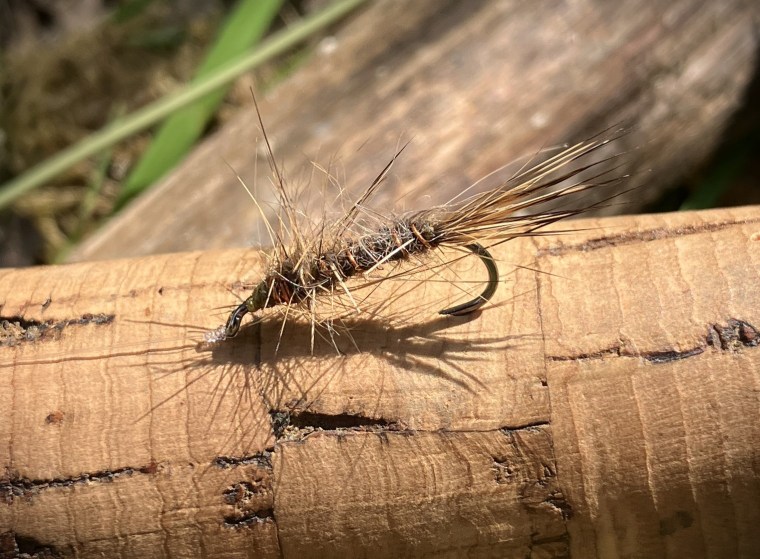
I sat on a mossy log and threaded the fly line through the rod rings. I flicked the GRHE nymph upstream and worked it through the flat water and around the boulders. I stumbled occasionally, watching the leader while feeling for a secure foothold was tricky. I worked my way upstream until a rock wall blocked my progress. The deep pool beside the cliff probably held trout but they showed no interest in my fly.

I turned downstream and drifted the nymph through the deep water on the outside of several bends. Nothing. A twenty yard long, slow moving pool also failed to produce a fish.

I retraced my steps back to the path and walked to the bottom of the valley. Above the weir and fish pass, the open water was ruffled by a stiff breeze providing good cover. I dropped the nymph over the edge of a rock wall where I had seen a good fish on a previous visit. Nothing. As I walked upstream looking for signs of fish, the wind dropped and the flat calm left me exposed to the spooky fish.

I paced myself as I walked uphill for half mile back to the Defender. Although I hadn’t caught anything, I had enjoyed the scenery. I had a beef stew and a couple of glasses of red wine in the pub to end the day.

I boosted my confidence the next day. I took the old Mk IV and Mitchell 300 to the lake on the moor and caught a beautiful 10lb common carp off the surface.

. . . _ . . .

Back in Devon

Prolonged rain filled the river at Petworth, according to the gauge it was up thirty two inches. It was unfishable. I visited Little Bognor, it was still raining. I failed to connect with the three trout that took my dry fly. I filled my head with fishing plans on the long journey back to Devon.

Dartmoor was green, even on the high moor. Frequent showers had kept the rivers up and there were reports of sea trout and a few salmon. I had breakfast early and chose the Sage #3 from the rod cupboard. My favourite beat on the Tavy awaited. The early morning sun was intense in a baby blue sky and as I looked south, downstream, I regretted leaving my hat at home.

There were hundreds of pheasant poults roaming around on the track down into the valley and I left the Defender on flat ground above the river to avoid disturbing them. The top of the beat looked good and I sat there for a while getting used to the rhythm of the rod.

The river was a couple of inches higher than normal but there were no leaves or twigs to snag. The shoot had mown the bracken, Himalayan balsam and Japanese Knotweed to the ground along the true left bank removing the cover and spreading the invasive species.

I focused on the usual holding places but there was no response from the trout. I retraced my steps and had a cup of tea with bacon rolls in the cottage, a perfect end to the morning.

. . . _ . . .

Late August

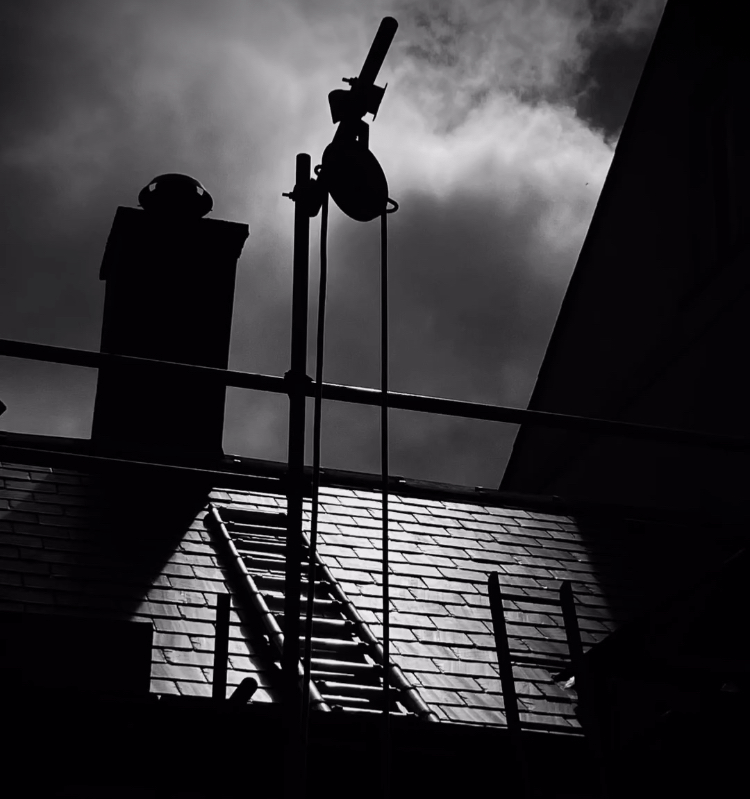
The end of another month. The close season loomed. I hadn’t been fishing for over three weeks. I had been imprisoned in the cottage while the roof was replaced. Scaffold poles, offcuts of batten and chips of slate had been taken away, peace had returned to the garden. Fishing plans were made over an evening glass of shiraz. A visit to a Devon river, an adventure at a secret lake and a long delayed trip to Sussex were crammed into a few short days. Tackle was sorted and checked. A cake was purchased. Nothing was overlooked.

A Devon River

The Defender protested at having been ignored for three weeks but eventually spluttered into life. An Italian tune-up along the main road cleaned the engine out. The river Tavy was slightly above normal summer level and had a pale amber tint courtesy of the recent showers. Sycamore leaves covered the path and Himalayan balsam seed pods exploded as I pushed past. It was very humid and the air was still. Ideal conditions.

The early morning mist turned to drizzle, then rain. I ignored the rain until my jacket was soaked before sheltering under a large oak tree. The long, wide glide mid-beat usually produces a take or two, sometimes a trout. Despite the perfect conditions and my best efforts, there was no response. I walked past the fast water and settled into the drainage ditch where I landed last seasons monster. The river was clear and I could see the faults in the bedrock where the trout hide. The back cast was tricky but I avoided the trees either side of me and drifted the nymph through the deeper water in midstream. I visited the still water above the weir but it looked barren. After a few token casts into the slack water below the rapids, I lost the nymph on a rock and called it a day. I was fishless, wet, hot and tired but I had enjoyed myself.

A Very Secret Lake

Weeks ago, while discussing the merits of split cane rods and Mitchell reels over a pint, I had passed the traditional angling test and was invited for a day’s fishing at a very special place. I had been sworn to secrecy. Guests are not invited back if they reveal the whereabouts of this little gem buried deep in a beech wood. I first read about the lake over thirty years ago, I read the spooky mysteries and classic angling tales many times. I had never contemplated fishing the lake, particularly as I didn’t know its location.

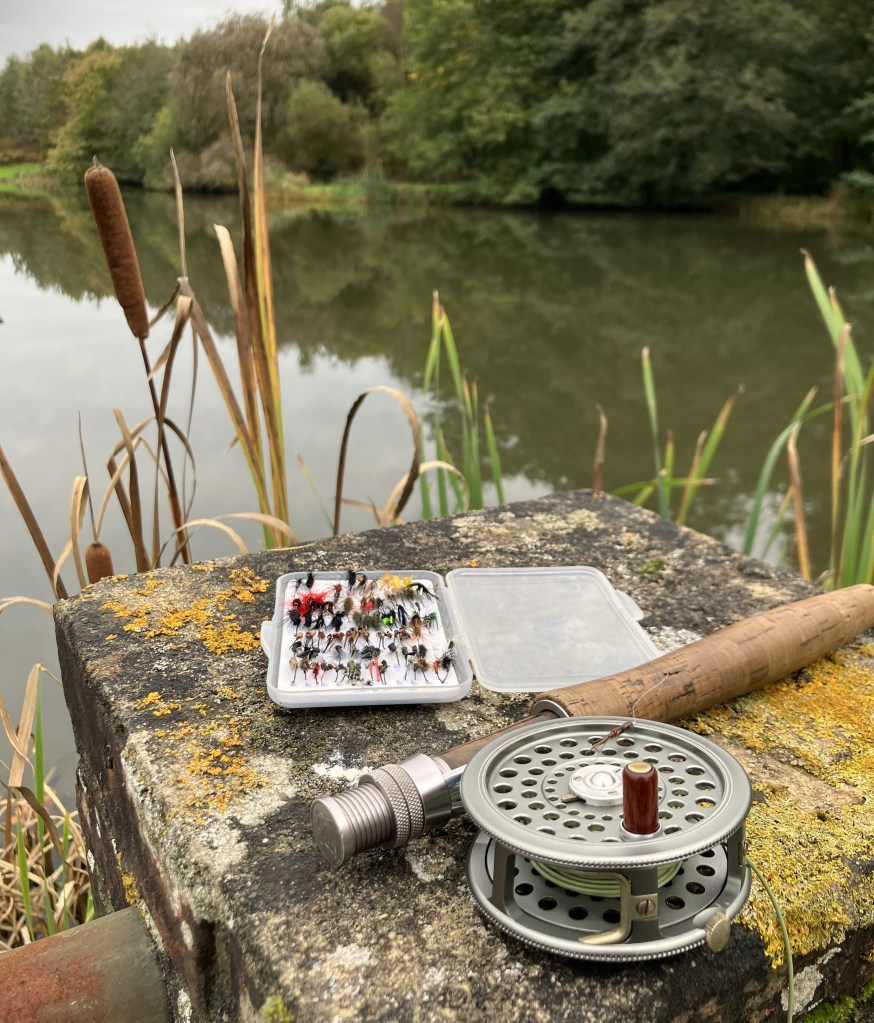
The tackle was prepared days in advance, I spooled new line onto the Hardy Altex. My first view of the woods reminded me of the magic trees at Fittleworth, ancient paths covered with crunchy beech mast and the musty smell of peat. I settled into a sheltered gap in the trees on the eastern side of the lake knowing that the late afternoon sun would see the fish drifting my way. The pristine woodland and the lake, unmolested by work parties, was unique. Few truly unspoilt places remain. I caught nothing until the fish arrived for afternoon tea. Four fish were fooled into taking and two landed. Unmarked, wild fish that rarely see a landing net. I had maintained my concentration for nearly twelve hours and left the lake exhausted but full of memories.

A Sussex River

I couldn’t remember my last visit to the Western Rother, I was out of touch with it’s moods and lacked confidence. The week of blanks recorded in the signing-in book didn’t help. It was very windy with no sign of rain. The grass had been mown short and was dry. I strung up the Hardy #4, the lithe Sage didn’t have the power to drag big brownies out of the weeds. The rod felt stiff and it took me a while to adjust but the muscle memory soon returned and the casts became more accurate.

There were no flies hatching and a deep sunk nymph was my only option. I concentrated on the shade beneath the overhanging alder trees and along the sides of the dense streamer weeds. I walked slowly downstream methodically prospecting all the likely fish holding places without any response from the trout. I paused above an alder where flood debris had gathered around the roots, diverting the current towards me. My first cast was good and as I started to lift the fly off the water I noticed a slight boil, a mere wave of a pectoral fin. I quickly cast above the lie and within seconds there was a violent take and a big trout dashed off downstream.

The fish headed towards the near bank and I bent into it before it reached the bushes. The trout felt securely hooked. The Sage #3 would not have had the backbone to hold the fish. Good decision. It was a nice clean fish, about two pounds, which deserved to have it’s portrait taken. It bolted out of the landing net none the worse for having seen me. It was the only trout caught on that beat for a week. My confidence had been boosted, it had been a very rewarding afternoon.

Little Bognor

The old estate lake, a stone lined mill pond, reminded me of the beech wood I had wandered through earlier in the week. The beech mast crunched underfoot and the mature trees kept the wind and sun off the water. A very relaxing place at which to introduce a young man to brown trout.

We had a plan. Stealth and good presentation would produce a trout or two. A small, black, neoprene buzzer was the fly of choice on a 3lb tippet. We crept along the bank and ambushed the trout in the margins as they drifted past about two feet below the surface. The first fish was hooked in the scissors and put up a spirited fight. We carefully nursed the fish in the landing net and it swam away confidently.

The second trout took a dry black gnat with a white neoprene wing and dashed along the bank tangling the line in the overhanging branches. After teasing it free, the battle continued in open water and the fish, about 2lbs, was released in the shallows. We left the lake and celebrated at a service station with warm sausage rolls and fizzy drinks. It seemed an appropriate way for a young man to mark his success.

I had crammed a lot of fishing into a few days. The varied scenery and fishing methods had maintained my concentration and boosted my hopes for the rest of the season.

. . . _ . . .