9 June – Silk

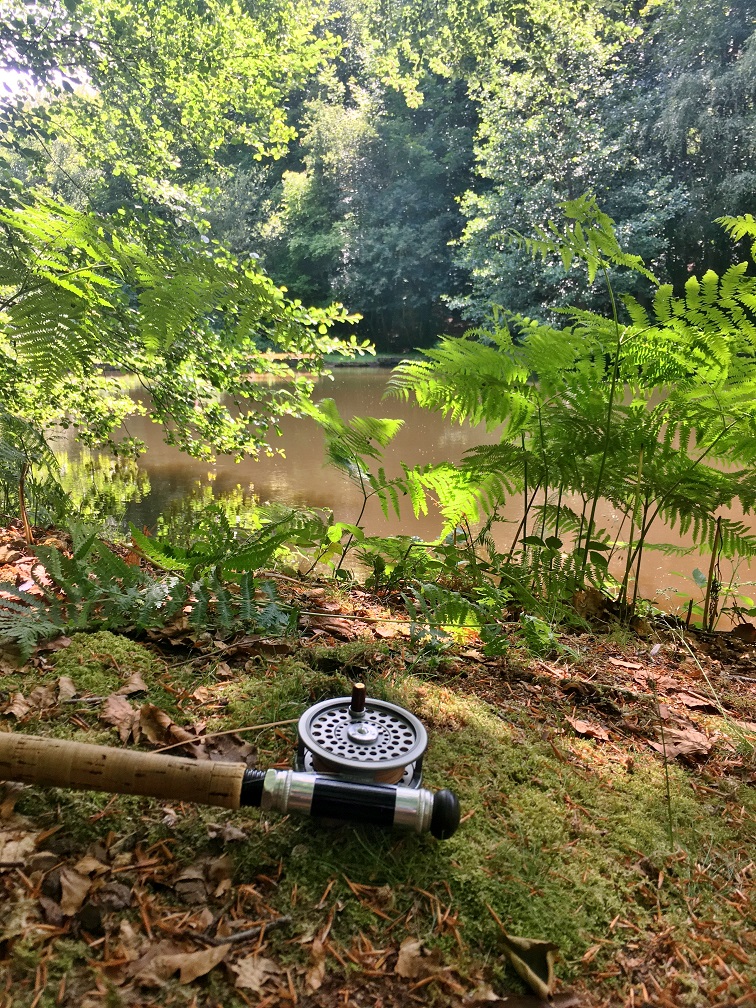
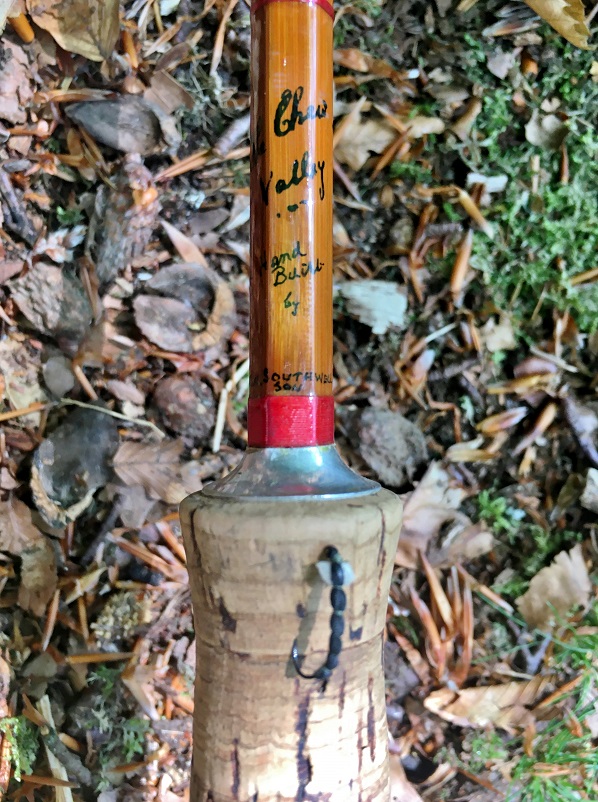
The day dragged. Endless chores distracted me from the most important task, preparing for an evening at the river. My new silk line required attention before its next adventure. It had become waterlogged after a few hours during my last trip. I’d taken the line off the reel and left it to dry for several days. I wiped it sparingly with Red Mucilin. I knew the 40 year old tin of gunk would have a use one day. The line was polished, not sticky, but it felt odd. Rough to the touch unlike modern plastic lines.

I left home late in the afternoon and had to resort to arm signals for turning much to the amusement of modern motorists. One of the Defender’s relays  had retired. I parked on the slope at Keepers Bridge and checked that the headlights were still working as I planned to stay until dusk.

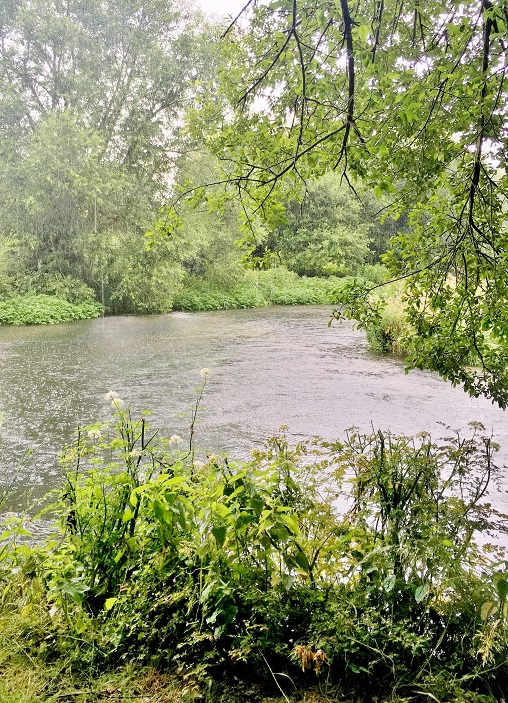
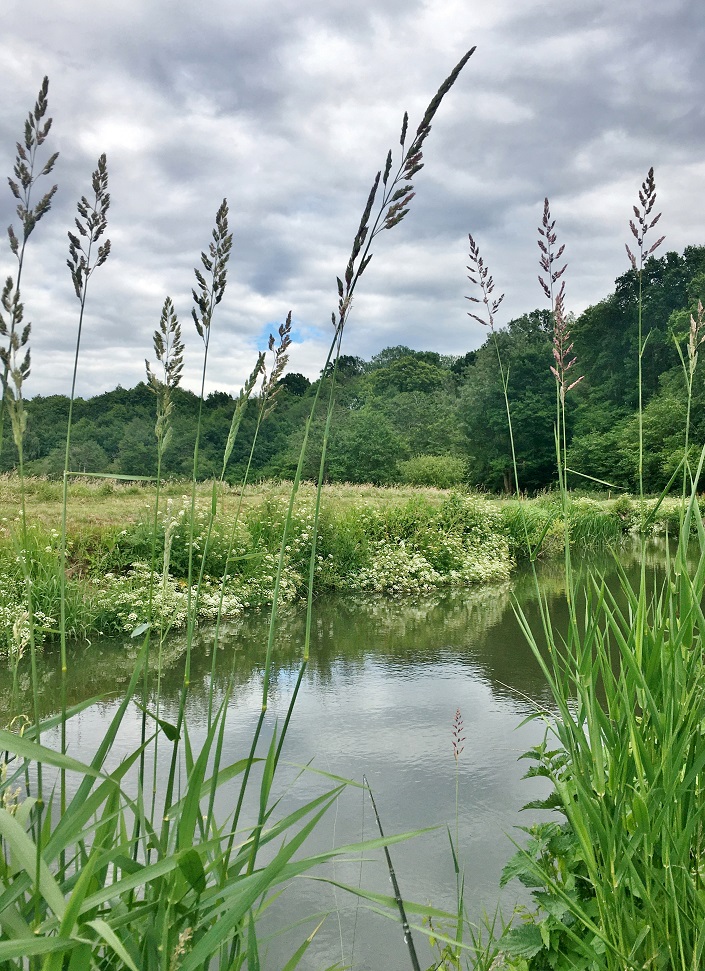
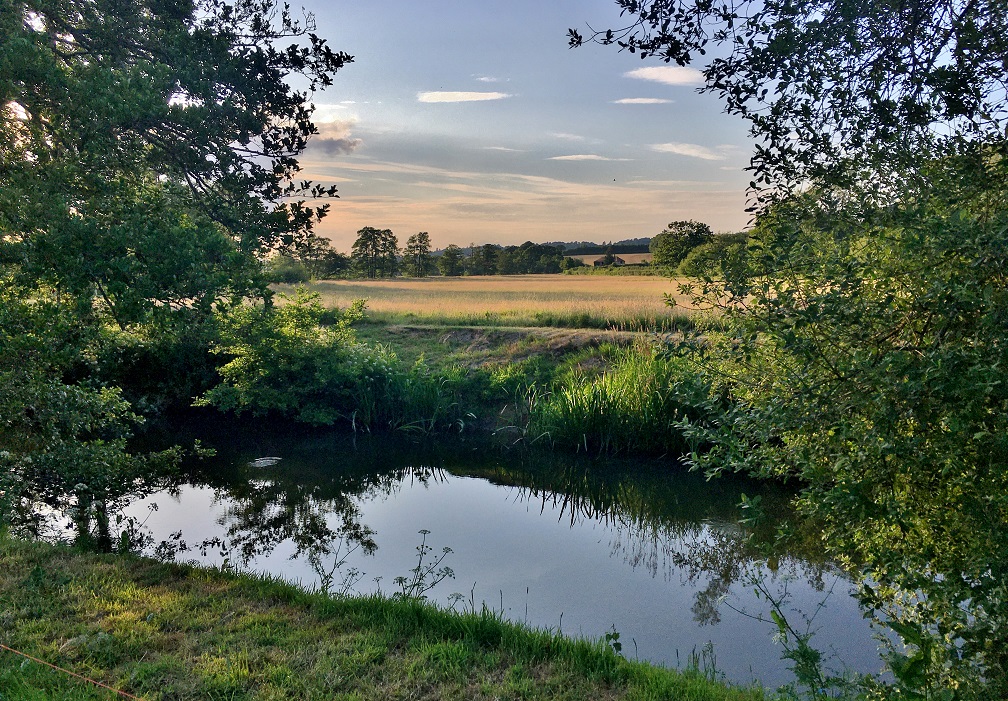
The river looked lovely. The water level was up a few inches and the green tint just failed to hide the fronds of streamer weed. Swirling eddies carried midges and small sedge flies under the trees. I was drawn to the deep water below the first Alder, it looked perfect. I fished a heavily weighted Black Spider down and across and after a few casts the line drew tight and a fish thumped deep under the weeds near the bank. The fish stayed deep and fought sluggishly, then became airborne several times. The silk line transmitted the thumps and somersaults directly to the rod unlike stretchy plastic. The fish was about 2lbs and had old scars from a Cormorant which had healed. I released it from the landing net back into the weeds. I was surprised to have caught a fish so soon after arriving. While gathering my thoughts I saw a head and tail rise downstream, just above the Willow bush. I presented a Walkers Sedge carefully, occasionally resting the fish. I persevered but after thirty minutes I had the feeing that the Trout had checked out my fly and rejected it.

IMG_8117small

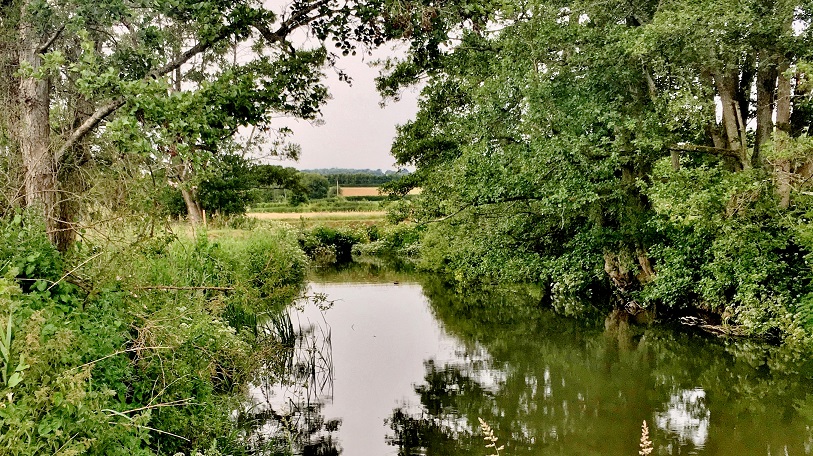
I walked upstream to the Gaps, confident that I would find a fish. While I was admiring the view across the fields towards Perryfields Barn, a fish rose several times in the usual place under the trees. It moved further upstream each time it rose. I tried to cast under the branches with a little flick to curl the line but only succeeded in crashing the rod into the trees and getting tangled. I could have reached that fish with a modern line, the silk tip was not heavy enough. I moved upstream to the next gap. The new growth on the Alders had narrowed the casting slot. I chose a trajectory and fired a cast almost to the far bank wiggling the line as it landed. There was no drag, a good fish turned over on the fly and was hooked. The hook pinged out just as I was reaching for the landing net.

IMG_8113small

I sat and watched the pool above the Old Riffle. Another member presented a dry fly to several fish but without success. We passed each other and I walked directly to the Cow Drink where I had an appointment with the resident Trout. I had made a mess of things at our last meeting and I resolved to do better this time. The fish rose several times and I launched a positive cast to position the fly under the tree. The cast was too positive. It was too long and I lined the Trout which didn’t rise again. Nevermind, I’ll meet him again next week.

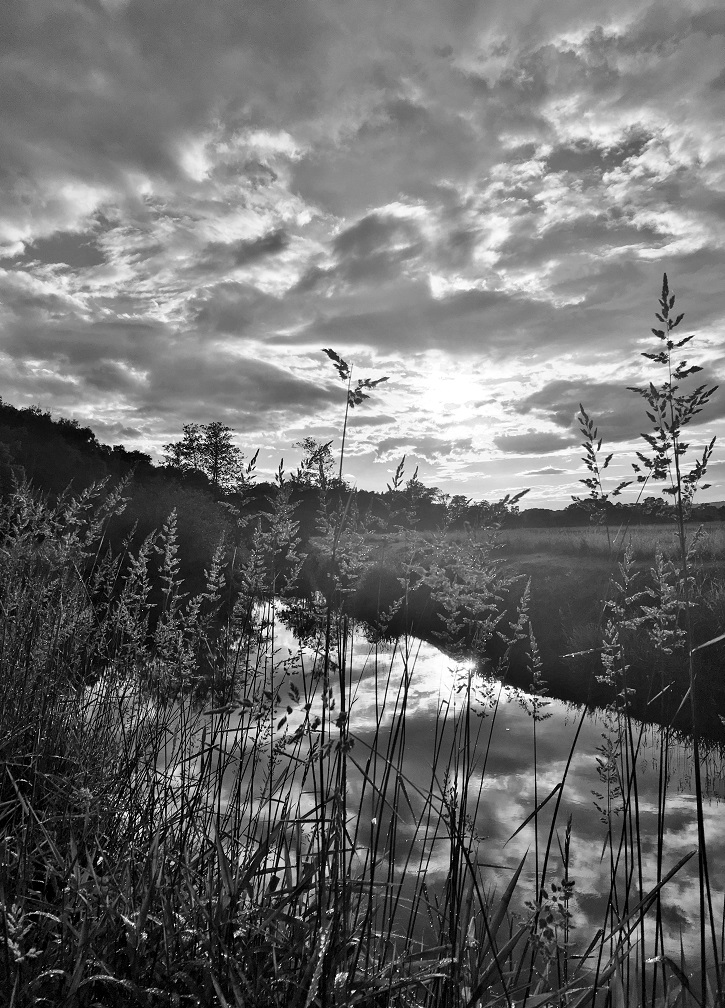
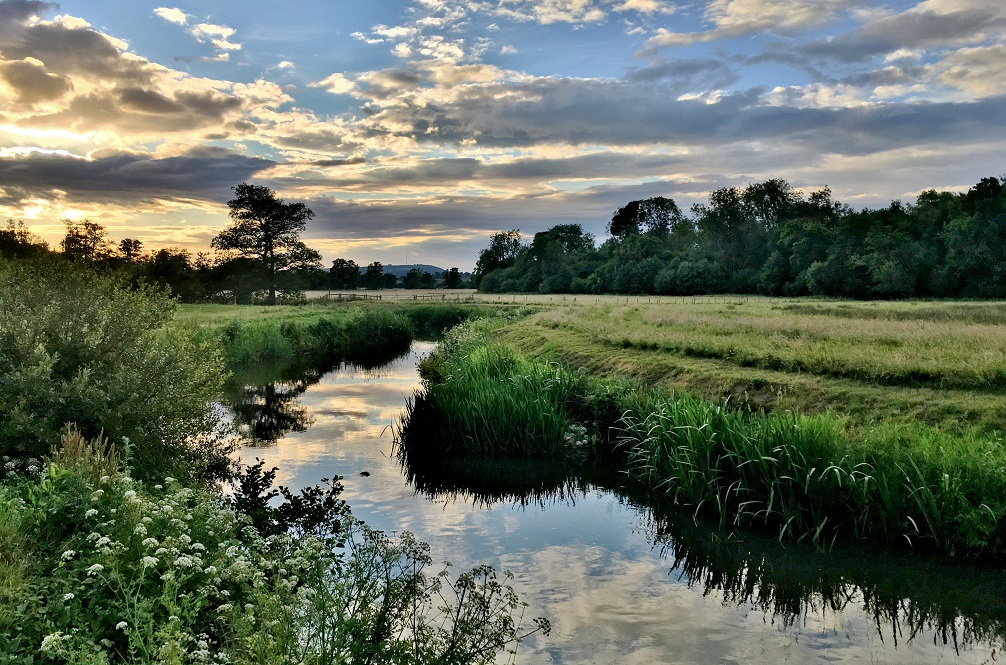
During my walk back to Keepers Bridge I stopped frequently to gaze at the sunset. The sun was sinking towards the horizon over Midhurst. The subtle pastels and the delicate cloudscape formed a perfect backdrop to the water meadows where a mist was starting to rise. While I waited for the sun to touch the tree line a fish rose in the eddy at the end of the Sandy Pool.  I crept back to the pool and hid behind the rushes. A perfect drag free drift resulted in a rise. The hooked fish screamed off towards the log at the end of the pool. The line whistling through the rings blended with the scream of the ratchet and I immediately thought ‘sea trout’. I put pressure on the rim of the reel and bent the rod into a hoop. I extracted the fish from the streamer weed, it was a feisty wild fish about 1lb. If it had reached the snag and escaped, I would have guessed it to be much bigger.

IMG_8163small

On the way back I saw a badger cub, no bigger than a rabbit, ambling along the track. He looked quite cute and had probably come from the set beside the old railway line.

The silk line has advantages over plastic. I can cast accurately and present a fly perfectly but I am not convinced about the front taper. It is too light, I may have to cut it back. I have found the perfect line drier, the bed posts are six feet apart.

trout


4 June – River Itchen

My last trip to the Itchen had been a steep learning curve and hard work. Since then the ultra fussy Trout would have seen a lot of leaders and flies. The persistent Mediterranean weather was unhelpful, the fish would probably be hiding in the weeds and in the deep runs under the trees.

It was a long journey and I spent most of the motorway miles planning the day ahead. I knew the route, the gate padlock combination and I had fished the Beat twice before. I had carefully sorted my dry flies and wouldn’t have to spend ages poking through boxes looking for inspiration, the patterns were all organised.

Impatience got the better of me and I left the house earlier than I had planned but getting lost in the suburbs of Southampton compensated for that and I arrived at 10:00am. I had a farm shop sausage roll for breakfast and then a short walk to check out the river. It looked good.

IMG_8076small

The air temperature was 18 degrees and the north wind required a thin jacket. Harry Plunket Greene complained of the mainly downstream wind in the Hampshire valleys but it would help put a nice bend in the leader. The heavy overcast was excellent, perfect fishing conditions. There were a few Mayfly hatching and more swans than swallows which ensured that the duns made it to the trees.

I had a new silk line to play with. It felt strange and as I began casting on the fishless shallows at the bottom of the Beat, it sounded strange. The high pitched grating conjured  up visions of sawn rod rings. I found it delightful to use, very accurate with a gentle landing. I was in two minds, messing about with a new line on a special day seemed silly but the line deserved a proper workout.

It was going to be a long day and the plan was to break twice, first for lunch and then for afternoon tea. Three fishing sessions on a familiar Beat in perfect weather, what could go wrong ?

IMG_4185small

I walked very slowly upstream, pausing to observe each each weed bed and deep run. Several surface dimples failed to produce a take and I only saw one small fish on the gravel. After three hours I reached the seat below the Willow bush and as usual, there was a fish finning under the trees near the far bank. Another fish revealed itself a little lower down. At last, two good fish to target. As I started to cast both fish became agitated and had clearly seen me. One departed upstream but with frequent rests, I managed to get a rise from the remaining fish to a Walkers Sedge. The Trout nosed at the fly, followed it downstream then, with a sneer, casually turned away.

A fish rose above the Willow bush, under the far bank, it looked like the fish I had unsettled earlier. I offered a selection of beautiful imitations but the only movement was away from my flies. I tried a Mayfly with a Teal wing, the fish rose without hesitation and gulped the fly down. It was on for a few seconds. Time for lunch. The silk line had become saturated and developed a heavy sag on the cast so I changed to my usual Rio Chalkstream Special.

IMG_8091small

I had another yummy sausage roll and orange juice, no beer or Red Bull. After a rest in the car I returned to the seat by the Willow. There were no fish. The swans were neck-down eating the weed and I wondered if the fish followed them around, feeding on the dislodged nymphs and shrimps. On the bend by the Hawthorn tree a group of about six big Trout hung in the current. I watched them for a long time, cast to the biggest and was surprised when I connected. Everything went solid and I assumed that I was snagged. I put a good bend in the rod and the hook pinged out. I had been patient and observant but the execution was amateurish. I needed another rest.

I consoled myself with a farm shop apple pie and chocolate biscuits. I resolved to maintain my concentration and to work harder. When I returned to the Hawthorn tree the cattle on the opposite bank were charging about and driving the swans off the bank, back into the water. The scene looked like a John Constable painting, the bend in the river reminiscent of ‘The Hay Wain’ without the horse and cart. I stood beside the tree, using the trunk to keep off the skyline. I waited until the cattle had moved away and the colour had settled out of the water before presenting the fly upstream, close under the bank. Success. A fish about two pounds put up a strong fight and eventually dashed away from the landing net.

IMG_8080small

Flushed with success I walked along the bank under the trees while scanning the shallows for fish. I stopped on the bend next to the big Willow tree but quickly became surrounded by honey bees from a nest in the split trunk. From slightly downstream, I watched for a rise in the deep run where I had caught so many fish last September. On the first cast another good fish grabbed the fly and charged down into the weedy shallows. It put up a good fight in the strong current and was difficult to net. I explored the stretch of river above the burnt tree but despite a few small rises, I couldn’t get another take. I was suddenly exhausted and returned to the car. The journey home was Red Bull assisted.

The jury is out, deciding the fate of my new silk line. I used it for about four hours before it became water logged. If I cut it in half and treat it with Red Mucilin, the combination of two short lines would last all day.

trout


29 May – Perryfields

Although the sky was cloudless and the sun intense, the cool easterly breeze kept the humidity down and the temperature was bearable. I had lots of cool drinks and a new bag of toffees, the scene was set for an evening on the river. I parked the Defender on the slope under the trees at Keepers Bridge to assist with a bump start should the electrickery fail. Again.

The ground was rock hard. Only 2mm of rain had fallen in May, a record low for the South East of England. The grass in the water meadows was sparse and failed to hide a small deer grazing between clumps of rushes. The Sussex cattle had not been turned out and I had both banks to explore without distraction.  I paused at the end of the farm track and watched two members in the distance downstream of the bridge. Their presence reinforced my decision to fish upstream towards Perryfields on the south bank and return to the bridge on the opposite bank. A full circuit.

The grass along the edge of the river had been mown to the roots and there was little cover for stalking wary trout. The early evening sun cast long shadows forcing me to back away from the river into the field amongst the sheep. I moved slowly, scanning the water and listening for a rising fish. I waited at all the usual places, willing a trout to swirl at an emerging Mayfly. I stopped at the Old Riffle which had been altered by the winter floods, nothing moved. Sheep skylined behind me and wouldn’t move on, stupid creatures.

IMG_7957

Further upstream I heard the familiar sound of a rising fish, under an impenetrable wall of Alder trees. I knew that I could cover the trout from the opposite bank and marked it down for the return journey. I remembered the shallow run at Perryfields and the monster I had seen in the streamer weeds below the bridge. My optimism was earthed by a three young people picnicking. It seemed a shame to disrupt their enjoyment of a Pimms beside the river in the the soft evening light and I moved further down the north bank towards the Four Alders. I was confident of a take but after casting into the tree behind me, tangling the line in the Cow Parsley and generally mucking things up, I moved on.

IMG_7977small

The Cow Drink always holds a fish, the water is not deep but there are lots of tree roots and the soft muddy bottom is ideal for Mayfly nymphs to forage. As I approached the pool a fish rose in the usual place,  below the overhanging branches in midstream. It’s a tricky cast but I knew the angles and the distance from previous encounters. The fish rose again and I got down in the mud and sand, shuffling forwards on my ripstop cotton backside, ignoring the dirt. It would wash off. I chose a small detached body Mayfly spinner with iron-blue wings. A delicate pattern for a choosy wild fish. I was excited because I could picture the rise, the frantic fight and a wild fish in the landing net. The cast was good, the fly drifted perfectly with no drag but nothing happened. I let the fly swing into the side, lifted and cast again, slightly further, towards the far bank. Nothing. The next cast produced an explosive take which I missed. I don’t believe it. Unbee-lieeeve-able !

I rested the fish and lost the fly on the next cast which resulted in an extended rest. I thought the disturbed trout might have taken refuge in the tree roots and drifted a fly under the far bank a few times then switched to my side. The fish swirled under the fly but departed, not to be fooled again that evening.

It was a long walk back. I had worked hard but failed to convert the only opportunity. I’ll try again next week, the fish will still be there.

trout

25 May – Keepers Bridge

The roasting hot weather kept me off the river until 5:00pm. I checked Rotherbridge but it looked lifeless. When I arrived at Keepers Bridge there were already three cars parked in the shade and I was tempted to fish the top beats. I wandered down through the woods and watched the river. I saw a couple of fish rise and that made up my mind, there was no point in fishing elsewhere.

The Mayfly hatched sporadically and most of the duns made it to the trees. The rises were not consistent. A fish would rise a couple of times and then disappear. There were a few female spinners depositing eggs, rising and dipping to the surface on a slow journey upstream.

IMG_7938small

I sat on the grass and peeped over the marginal fringe of weeds where I had seen a fish rise. I waited for twenty minutes but it didn’t show. I heard a splash and saw a good fish rise just below the bridge in the shade of the rushes close to the far bank. I moved downstream and waited for the fish to rise again but the surface remained unbroken.

After about thirty minutes the fish took a Mayfly dun in the shadow of the bridge. I flicked a detached body imitation slightly upstream of the swirl. Several gentle casts later it slashed at the fly and I lifted into a good Trout. I kept it out of the the tree roots but when it was ready for the landing net, I discovered that the telescopic extension would not lock in place. I climbed down under the bridge to water level and netted a very annoyed looking fish which departed with a determined flick of its tail. It was my first fish from the river this season. I modified the landing net handle under my right wellie so that it would not extend.

IMG_7086

I found a fish in the pool by the broken gate, recently mended, and adopted a sit-and-wait approach. I covered a rise but there was no response. The angle of the sun and the coloured water made it difficult to see if the fly had been rejected. I found several other fish in the pools upstream but none of the fish could be tempted.

The Barn Owl was hunting in the water meadows and a young Buzzard drifted low overhead from the woods behind me. I was tempted to wait another hour to see the sunset but I was too tired and dehydrated. I had also eaten all my toffees. It had been an interesting evening and I was relieved to have caught my first 2020 Trout from the Rother.

trout

21 May – River Itchen

I had been dreaming about the Itchen for six months. My last visit in 2019 was a one-off but it had been such a revelation that I had immediately taken a Rod for the 2020 season.

Nothing could be left to chance, my gear was cleaned and sorted. Repeatedly. A route map had been downloaded and a picnic hamper prepared. I set off with enough clutter for a family holiday. I had a full tank of diesel and plenty of toffees. A gentle south-westerly and clouds had been forecast, everything looked set for a memorable day. My expectations were high. A quiet day, beside gin clear water, a couple of nice  Trout and a relaxing lunch.

IMG_7871small

I arrived about 10:00am by which time the clouds had burnt off and the cool start to the day had turned into a baking hot morning with a breeze from the Sahara. I walked the beat, keeping out of sight, using the bushes and trees to hide from the spooky fish. The lack of clouds and con trails allowed the sun to penetrate down to the gravel, revealing monster fish, most of which were chub. I watched a six pounder on a patch of gravel occasionally pick up a shrimp or rise to intercept a passing nymph.

The water was fast and there was a lot of surface debris from the Willow trees. The fluffy seeds floated downstream amongst the froth from the riffles. It would be difficult for a fish to lock on to a dry fly.

This was not a day for messing around. I set up my rod and loaded my pockets with essential toffees. Intense concentration would be the order of the day with occasional breaks for food and drink. I spent an hour trying to tempt Mr. Chub from his patch of gravel, side casting from under a tree. Each time I managed to get the presentation right the fish melted away into deeper water.

I eventually found a feeding trout and presented a selection of tasty morsels. It rose, quickly checked out the series of flies and rejected them all. After each rejection I browsed my fly box for inspiration thereby giving the fish time to relax. A dark brown detached body Mayfly spinner eventually deceived the trout which dashed off downstream at an alarming speed and dived into a weedbed. Much laughter and tugging resulted in the capture of my first fish of the day. It was a wild trout about 1lb. I was surprised at how hard it had fought and wondered how I would control a trout four times the size.

IMG_7876small

The bodywork of the car was too hot to touch so I stood in it’s shade while having lunch. Quiche, warm sausage-and-bacon roll and ice cold orange juice refueled me and put me in a positive mood. It was too hot for wine or beer, I would have fallen asleep. Lunch over, I wandered around the beat searching for trout but the sun was high and they were all hiding under the weeds. I bothered a group of chub in a whirlpool on a bend. They all ignored my flies while continuing to intercept nymphs. I had a short siesta and moved upstream for the evening rise.

As I knelt under a Hawthorn taking photos of a resting Mayfly spinner, a good fish rose several times just upstream of a Willow bush. A passing swan put the fish down but my patience was rewarded when, fifteen minutes later, it resumed feeding. I flicked out what I thought was a good imitation of a spinner, the fish exploded through the surface like a missile and thrashed about before seeking deeper water under the Willow. I bullied the trout and kept it away from the tree roots. It was a pristine two pounder. I released the fish and compared my imitation to my photogenic friend on the Hawthorn leaf. I was embarrassed by my imitation which was an amateurish bodge compared to the delicate, symmetrical beauty of the real thing.

IMG_7561

I moved upstream on the opposite bank and saw a rise under the far margin. A well presented Quality Street sedge fooled the trout, a small wild fish. A couple of minutes later a Walkers Sedge accounted for another two pounder. I struggled to draw the fish upstream against the current and had to walk down to net it. As the light dimmed the fish switched on and I covered a few fish each of which went down. I rested them but when they came back on the feed the outcome was the same. Either poor casting or the wrong fly was to blame. Probably both.

I’d had a great day. I need to improve my casting, devise more realistic fly patterns and consider using stronger tippets.

trout