23 June – Rivers Walkham and Tavy

The River Walkham

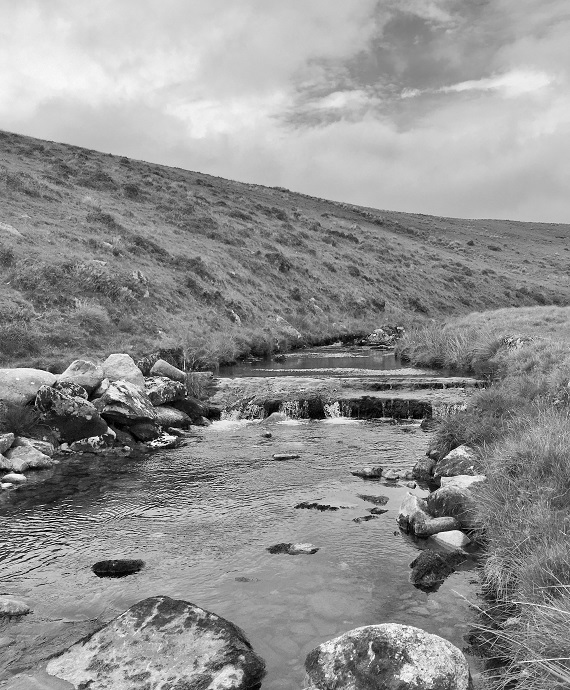
My intuition told me to fish the River Walkham, the river level had dropped and the water was crystal clear. From the garden I’d watched Trout taking Olives in the soft evening light, zooming around over the bedrock and rising to intercept the flies with a little splash. Grey Wagtails were flitting from rock to rock, wagging and picking off the larger insects.

IMG_8568small

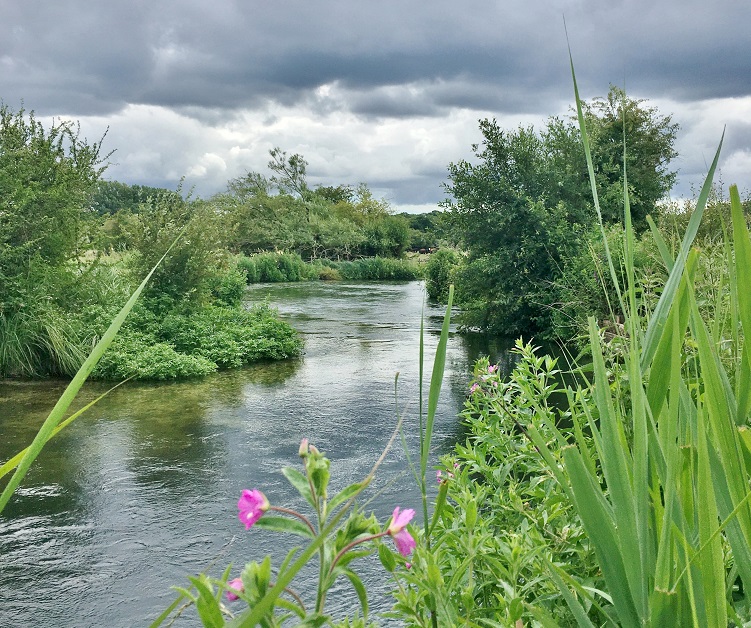
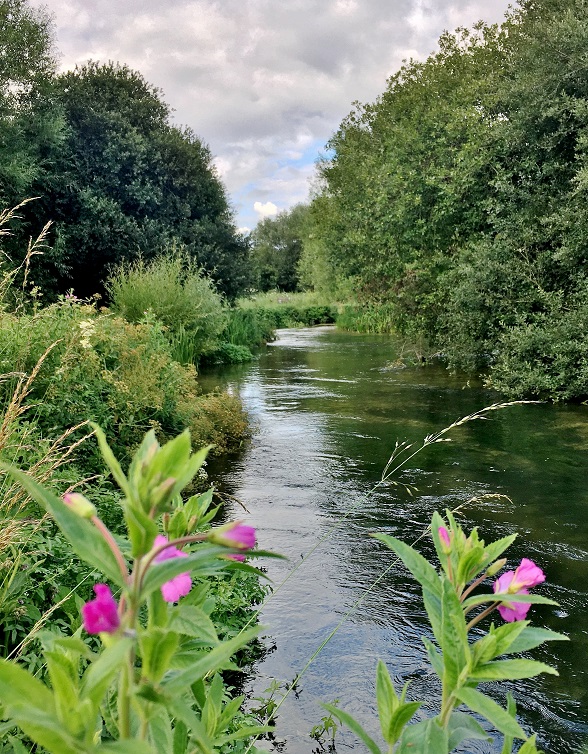
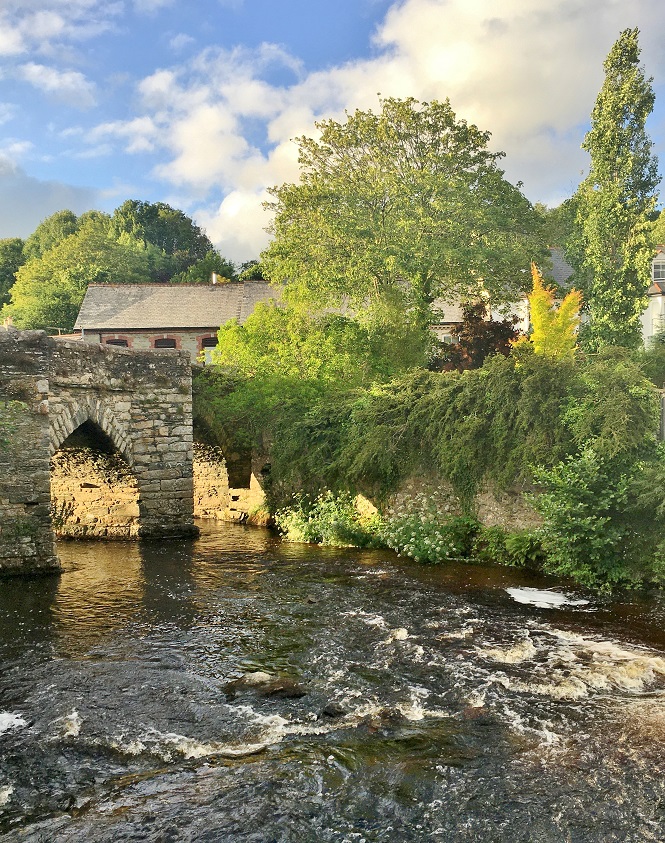
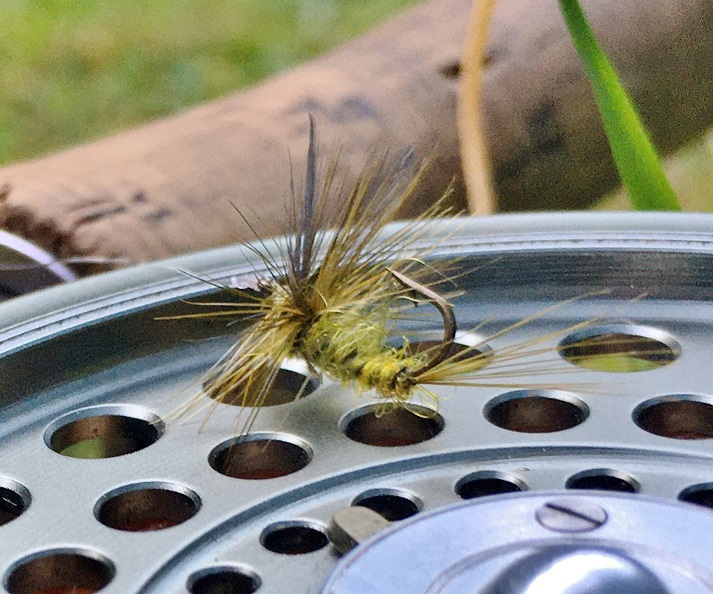
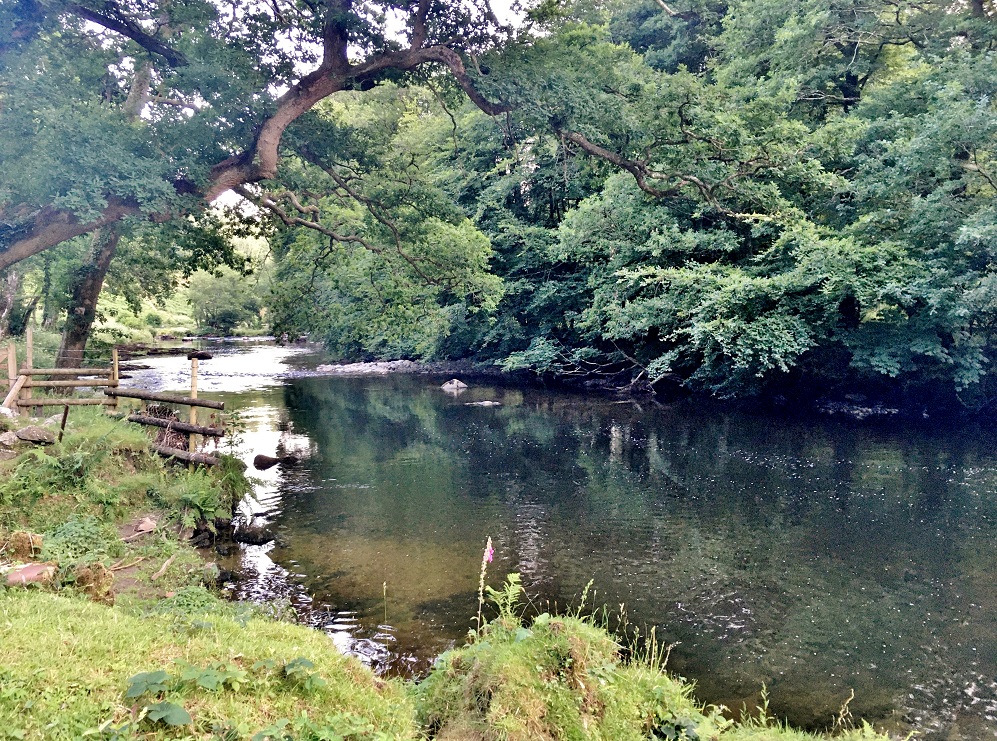
The river at Grenofen looked spectacular, it was reminiscent of a BB water colour. However, I felt out of place amongst the dog walkers, boys on rope swings, inflatable boats, picnickers and swimmers. To my surprise the fish were rising and were obviously used to the commotion. I sat on a flat rock and watched a fish rise a few times at the tail of a small pool. It took the Iron Blue and dashed around in the fast water.

After I had released it a black spaniel launched itself into the pool, that was too much. I considered whacking it with my rod tip but it’s young owner appeared and I decided to leave the river. Trout were rising but I’d had enough. I made a mental note not to fish there until late, preferably when it’s raining.

The River Tavy

IMG_8581small

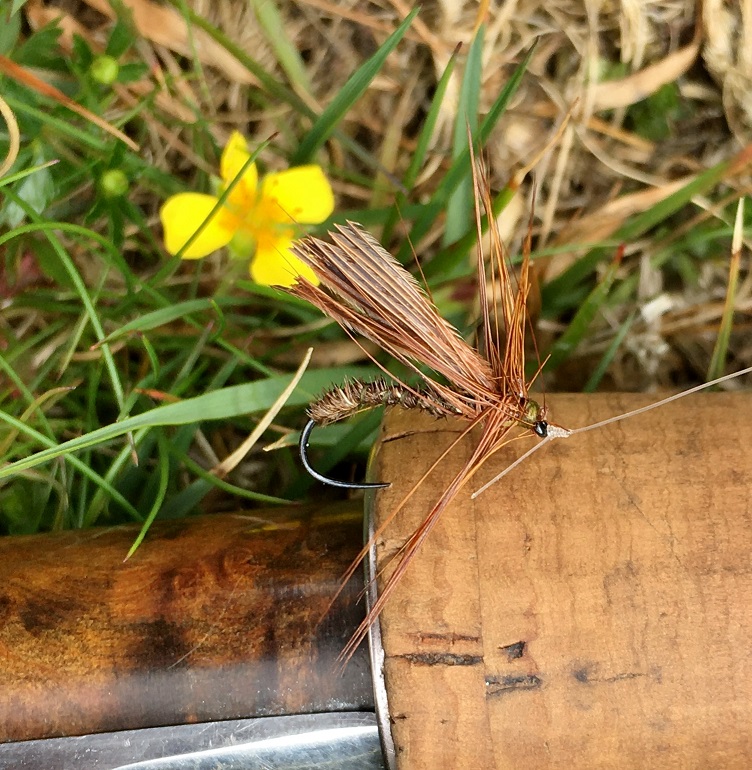
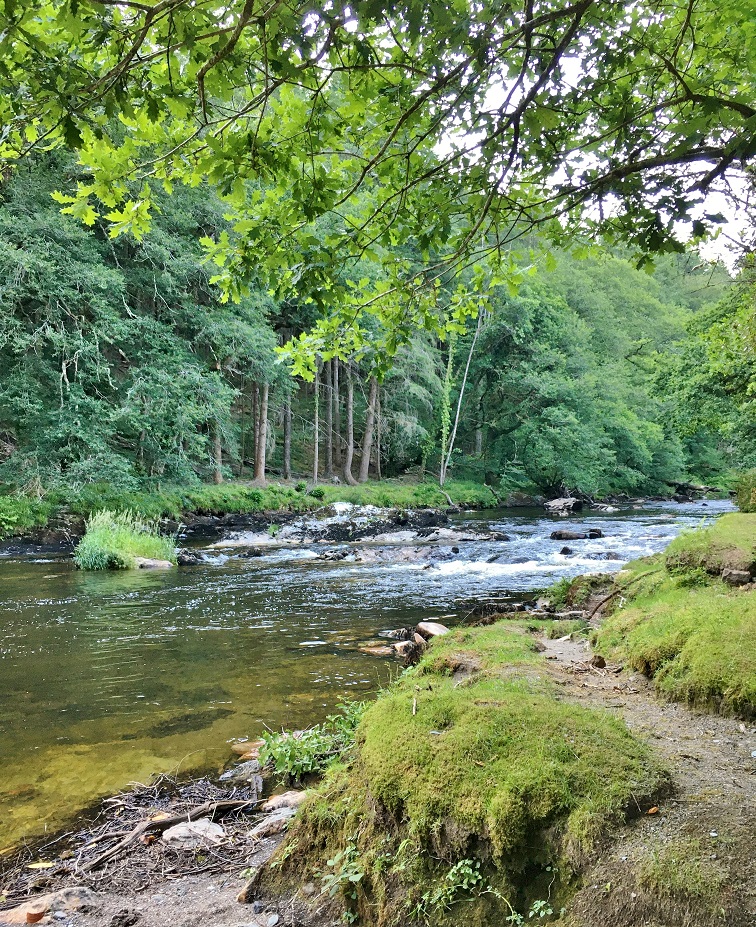
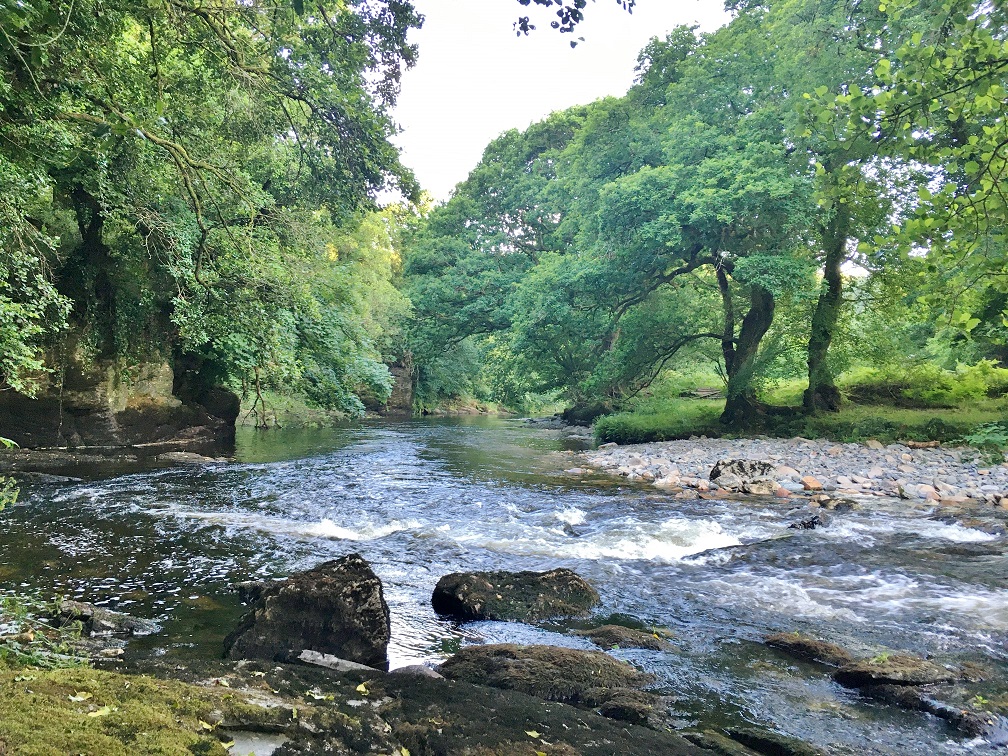
I drove to the Lower Beat on the Tavy, there were no spaniels in sight. It was a long steep descent into the river valley. Fish were rising all over the long wide pool beside the towering rock wall. I crouched on a small croy and flicked an Iron Blue into the seam at the edge of the main current.  A fish rose but I missed it and that sequence of events continued for an hour as I moved further down the pool.

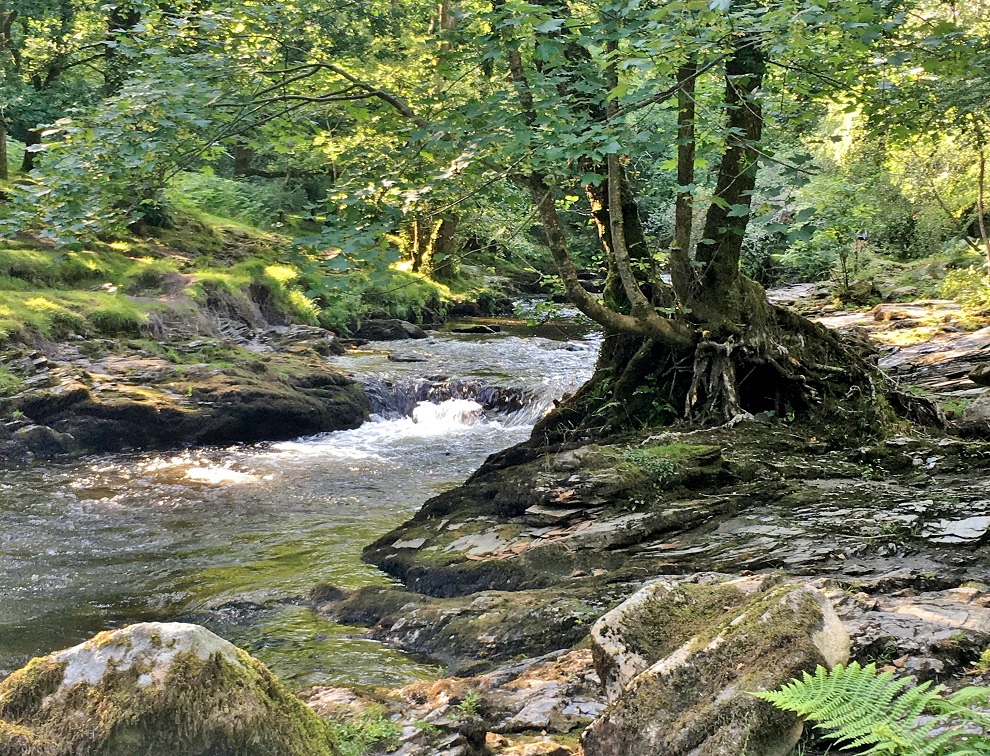
I walked up the Beat and was content to sit and watch the water as it raced through narrows, scoured the base of the rock outcrops and dashed off towards the old water mill. On the return I heard a nightingale and stopped to listen. The peace of the valley was in stark contrast to the earlier bedlam, it was a relaxing end to a long, hot and exhausting day.

trout


22 June – River Tavy

I arrived at the wettest place in England, even wetter than Manchester, to see a raging torrent thundering under the ancient bridge. The water was the colour of London Pride and even the foam had a brown tint. Moorland rivers rise and fall quickly and by the next day it was fishable. I watched the pool above the bridge and was amazed to see a fresh run salmon attempt to leap the sheer face of the weir having ignored the fish pass on the opposite bank. It was a good fish and I returned to the bridge several times but there were no more leapers, only a giant eel squirming under a sunken log. That evening the local pub telephoned to ask if we would like a take-away pizza and draught beer, the ultimate in customer service. Olives were hatching at 8:30pm on the longest day, a surprising evening rise for an acid moorland river.

IMG_8395small

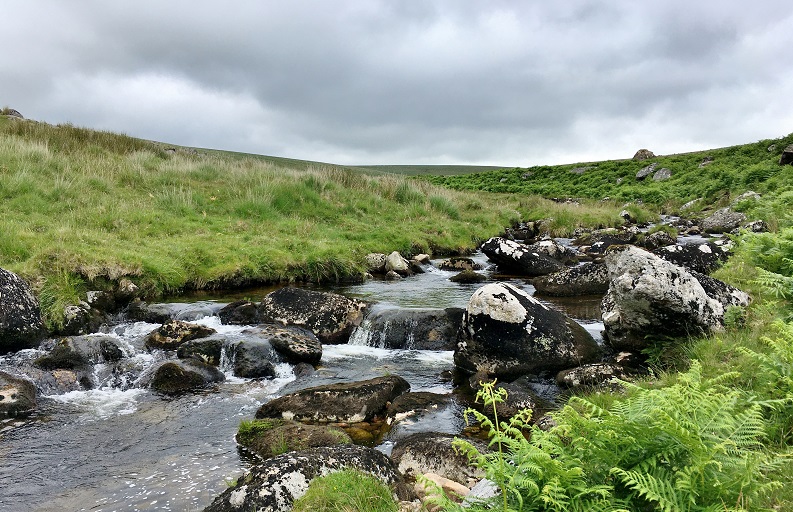
I had an OS map and had visited the Beat in March but I managed to turn a fifteen minute journey into an hour touring the narrow Devon lanes. The track down into the steep sided river valley was rocky and I was relieved not to have grounded on the granite boulders. It was early evening and I planned to explore the Beat for an hour or two. I took the wrong path and got lost in the forest where I discovered several mine shafts and the remains of two lost souls.

IMG_8455small

By the time I’d returned to the car, had a drink and a snack, the sun was below the tree line and the wind had eased. I flicked a nymph about and experimented with several dry flies. I was caught off guard when a fish took the dry fly, the stunning scenery had distracted me. I walked slowly to the top of the Beat scanning the deep pools for movement. Olives and sedges were hatching and several small fish were rising. A few bigger fish snatched flies, leaving swirls not dimples, the splash echoing around the pools.

IMG_8557small

I sat on the arsenic laden spoil from the mine and cast a small parachute Iron Blue to a rising fish. It took the fly, was hooked but fell off. It was progress. I moved down a few yards and targeted another Trout. It fought well above its weight. It was a fat fish with colours so bright they were unreal. The fish was the first I had caught from a Dartmoor river in 45 years.

IMG_8562small

I rose several more fish but my timing was out. As I rested by a large pool, admiring the cliff face opposite and the gaping mine shaft, a chrome silver Sea Trout exploded through the surface, hung in the air, then crashed back into the pool. It was taunting me. I had already decided to leave before dark, the steep rocky ascent out of the valley was on my mind. I celebrated my Dartmoor Trout with a Cornish pastie and a glass of Yalumba ‘The Cigar‘ my favourite red wine.


trout


The Road Westwards

In 1961 Dennis Watkins-Pitchford, using the pseudonym ‘BB’, wrote “The White Road Westwards” and I am lucky enough to have a lovely first edition. The book tells of his journey, 60 years ago in May-July 1960, to Lands’ End.

In late May he stayed briefly in the Savernake Forest and then, on 3 June, continued his journey via Selborne, Dorchester, Taunton, Ivybridge and Liskeard, regularly stopping overnight along the route to Lands’ End. He returned via the North Cornwall and Devon coast. BB used ‘Winston’ his tilt Series II Landrover and his new white ‘Willerby Heron’ caravan. BB was a naturalist and countryman, he despised the trippers in their “vulgar, chromium-plated motor coaches“. The book was one of a series about the wildlife and scenery that he encountered on his journeys around the UK. My journey would start further east and would not reach Lands’ End. My destination was Dartmoor and I would focus on fishing.

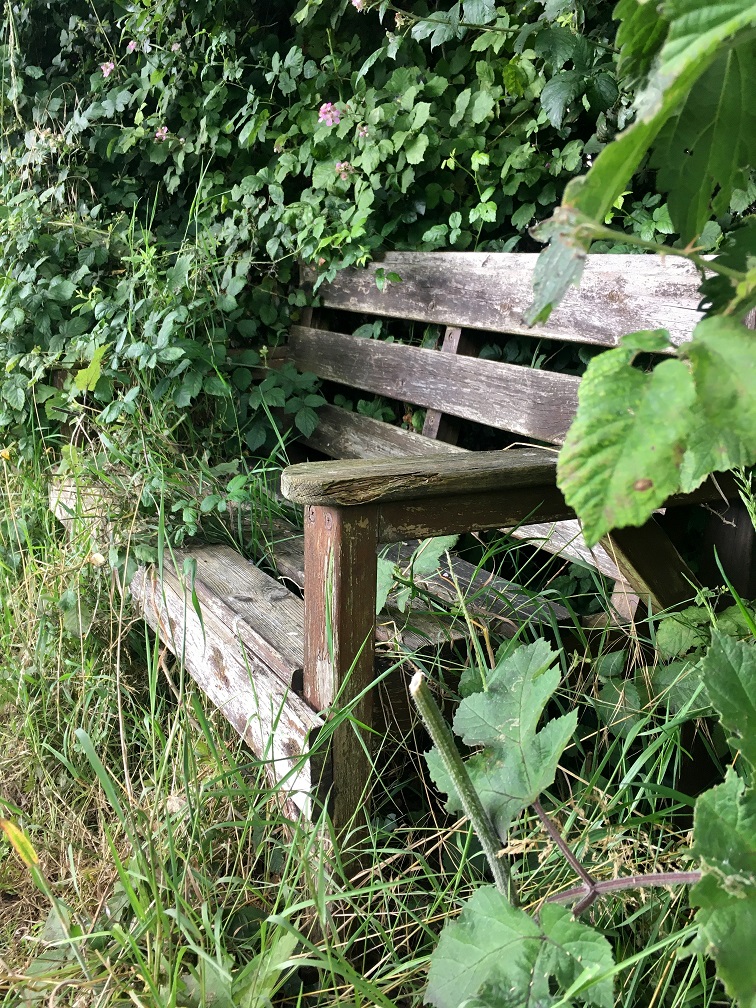
I considered taking the Defender but decided that it would be enough of an adventure without dodgy electrics and worrying noises. I loaded up the boring, reliable motorway cruiser with tackle and headed west. I took BB’s book with me.

IMG_8312small

River Itchen – 18 June

I made a short detour at the start of my journey to stock up with sausage rolls and cake from the farm shop, all neatly wrapped in brown paper. No plastic. I would need the calories on such a long day. The road westwards was black and wet not chalky. The fields of the South Downs, where I played as a child, had not changed much since BB’s holiday.

A warning of thunderstorms had accompanied the usual non-committal weather forecast but I had taken no heed. I thought a shower-proof Barbour jacket would suffice. I arrived at lunchtime and admired the silky green river beside the track as I drove to the top Beat. The trees and bushes had been washed clean by overnight rain and a big Willow had been toppled by the gale force winds earlier in the week. The weed cut had been completed and the cuttings swept away. There was no debris on the surface of the water and a lot of the Ranunculus in the carrier had gone. Everything looked perfect.

IMG_8311small

I felt obliged to use the silk line, it deserved a fair trial. As I was setting up my rod a Trout rose in the fast water just above the bridge. I walked up the true right bank to the little corrugated iron hut, searching for fish. The swirling pool at the top of the Beat looked good and a fish drifted towards cover at the top of the carrier. It didn’t respond to my fly other than to hide under a bush. I returned to the start of the Beat and peered into the first pool. Several large fish were cruising in the deep water below a midstream riffle, revealing themselves when they passed over a patch of chalk. I fished hard for an hour, when the thunder and heavy rain started I ignored it. A shower-proof Barbour was insufficient and I quickly became soaked. My lucky fishing hat became heavier as the rain collected in the crown. I retreated underneath a tree and waited, bright red umbrella in hand, for the rain to stop. It lasted an hour and when I finally emerged the long grass soaked me to the waist.

IMG_8310small

I sat in the car, had lunch and felt restored. Wet but restored. There’s nothing worse than putting on a cold wet jacket but like a wetsuit, it soon warmed up. I crept along the open left bank, peering over the marginal cover, looking for targets. I found a couple of good Trout under my bank in an eddy below a bank of chalk. The faster water passed over their heads and they occasionally shifted position to intercept food as it fell. Each time I changed the fly I expected a thump on the rod but the fish sidled away, sometimes taking a loop downstream, to return a few minutes later.

IMG_8315bwsmall

Thunder clouds gathered, the water coloured a little and light rain fell. I’d steamed myself almost dry and I wanted to avoid another soaking. Moreover, the raindrops on the surface of the water meant I could no longer see the fish. I left earlier than planned to continue the journey westwards. The track had deep puddles but the chalky splashes were washed off by the biblical storms that persisted through Dorchester and Bridport until I reached Tavistock. BB never seemed to get wet.

trout


15 June – Elgar Day 2020

IMG_9558asmall

During the last summer of WWI Sir Edward Elgar could hear the heavy guns in northern France from his cottage at Little Bognor. A few days before his fishing trip on 15 June 1918, the German advance along the Matz River and subsequent counter attack at Compiegne, had resulted in 65,000 deaths. The War had a direct effect on Elgar’s music. His last major work, the cello concerto, was a lament for a lost world, it had an underlying tone of sadness and sorrow. I meant to listen to the piece on the way to Petworth but the rattling Defender shook a fuse loose.

On 15 June 2018, the centenary of Elgar’s first visit to the lake at Little Bognor with a fishing rod, I had reconstructed his day. A hundred years earlier he had caught three Trout but I had struggled to catch a single fish. On 15 June 2019 I had caught two Trout. Surely, this year I would catch three. As in previous years I planned to fish the bottom lake, the top lake had not been built in 1918. Early maps show only a stream running through a field and the old millpond that is now the bottom lake. I arrived in the middle of the afternoon and was pleased to see several fish rising for midges.

IMG_8289small

I thought it fitting to use a cane rod and a silk line, not that Sir Edward would have bothered with such niceties. He probably used a float and worms. I strung up Southwell II, “The Chew Valley” with the troublesome silk line and resolved to change the line if it was a handicap.

I took my usual seat on the mossy hump behind the ferns and waited for the fish to show. I didn’t have long to wait, after ten minutes the tippet slipped away and the first fish was hooked. I played it gently, leading it towards the shallows and netting it after a bit of a scrap. It was a great relief not to lose the first fish. It was not long before I lead the second fish into the shallows but the hook pinged out just as I drew the Trout towards the landing net. I didn’t panic, there was plenty of time.

I employed a minor tactic. Hanging the buzzer from a branch of the overhanging tree. Was that cheating ? It took nerve to aim my cast at the branch but all was well. A good fish confidently took the fly and charged off under the trees towards Fittleworth. I couldn’t give line quickly enough and again the fish was lost. After a short interlude a cruising fish took the buzzer and despite several spirited runs, found the back of the net. Two out of four is my historical average.

IMG_8293small

The Trout were becoming wary and retreated under the tree canopy further along the bank. I followed and lay down by the old steps. I admired Rex Vicat Cole’s long dead Spanish Chestnut towering over me and managed to tangle the landing net in several bits of tree debris. Fish were circling under the trees and a fish took the buzzer within seconds. It screeched off across the lake and I was sure that it would come unstuck. Despite my antics the fish joined the entangled branches in my net. Hurrah ! I had duplicated Sir Edwards achievement 102 years earlier. After a break I returned to the mossy bank under the Beech trees and waited for another take. The tippet moved twice but I missed both fish. When I did connect the fish made a long run under the trees and avoided capture. That was enough. I drove home happy and celebrated with several glasses of Port. I’m sure Sir Edward would have approved.

trout

13 June – Rain

I woke at 6:00am, not a good start to a long day. I had four fishing adventures to plan and gardening to do before the forecast evening rain arrived. It was mid afternoon when the Defender scrunched to a halt on the gravel at Little Bognor. I walked up to the top lake and stood in silence as a young blonde Buzzard drifted from the woods behind me, across the lake and into an old Chestnut tree on the far bank. It looked at me for a few minutes, decided I wasn’t a threat, lazily launched itself from the dead branch and continued down the valley in search of a meal. The light was changing from overcast to intense yellow every few minutes and several Trout were sipping down buzzers in the gentle ripple. The scenery was stunning.

I checked the Fish Pass and was relieved to see that, although the level was slightly up, the water was not too coloured. The rain had arrived at just the right time to encourage the sea trout up the river. I started fishing at Keepers Bridge late in the afternoon, there was a light breeze and weird cloud formations over Petworth. The ground was rock hard, most of the rain had soaked into the fields and the river had held a steady level for the last three days. I decided to fish with a nymph and chose my Rio line but took along a small box of dry flies just in case.

IMG_8205small

I saved the first few pools for later in the evening and started in the deep run below the Sandy Pool. I found it hard to concentrate. I was day dreaming about the pools higher up the Beat and had no confidence that I would find a fish in the run. I moved to the top of the Sandy Pool and worked hard, exploring the main current and the eddies under the near bank. After thirty minutes a fish swirled and rolled over as it took a lone sedge from the middle of the pool. I worked the black and silver fly down and across and was rewarded with a peck then a tug. I changed to a black and red fly and a few minutes later the fish took but was gone in a couple of seconds.

The rain arrived and for twenty minutes, I sheltered next to the trunk of a large Alder tree below the Old Riffle. I gathered my thoughts and ate a few toffees. I was sure that the fish in the pool above the riffle which I had seen on a previous visit, would still be there. When the rain eased I tried under the trees at the top of the pool with a black and silver fly but had no response. Sixth sense told me that although they had shown no signs, the fish had seen the fly and rejected my offering. I moved down towards the riffle and a fish swirled but turned away from the fly. I swapped to a black and red fly and immediately made contact with a good fish that went airborne and fought hard all the way up the pool to where I could use the landing net. Job done, the pressure was off.

IMG_8217small

I wandered back to the pools I had skipped earlier. The Trout that lived just above the Willow Bush had occasionally checked out my carefully presented Mayflies and sedges but more often than not, had simply ignored them. I dropped the black and silver fly into the most likely square yard of water and true to form, there was a golden flash and swirl as the fish turned away. I rested the fish and tried a new pattern resembling a weighted black dry fly which bought instant success. The fish was in fin-perfect condition and I quickly released it from the landing net.

IMG_8259bwsmall

I walked upstream and down looking for rising fish but although there were millions of midges hatching, nothing gave away its location. The air was warm and damp and the grass was wet so I found a warm sandy patch, sat and waited for a sign. My aching back and shoulders were a sign that I should go home.

IMG_8280small

I had enjoyed the soft feel of the Rio line and the silent presentation that it enabled. I was glad not to hear the metallic hissing sound of the silk line sliding through the rod rings. I planned my next fishing trip on the journey home and finished the day with a glass of Port.

trout