7 May – Luffs

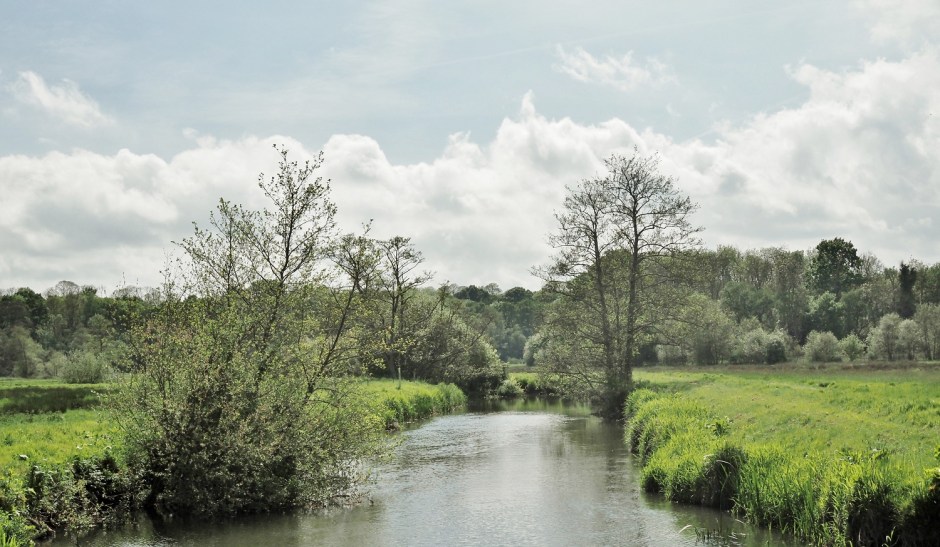
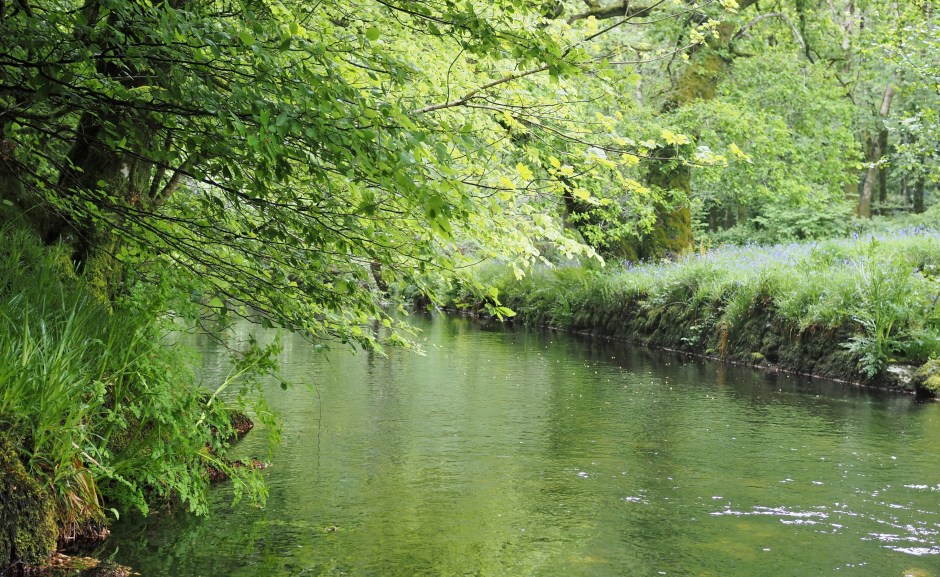
Saturday, warm and humid with a gentle breeze. Not the best day of the week to go fishing but I ignored the hoards of pensioner Lycramaniacs cluttering up the roads and drove south to the privacy of the Estate where the trout were waiting. The Rother valley landscape looked spectacular, the clouds billowed up over the South Downs and threatened rain.

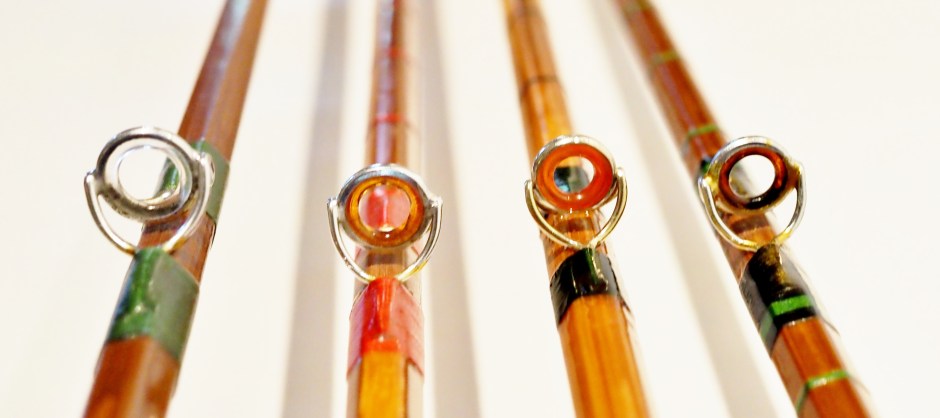
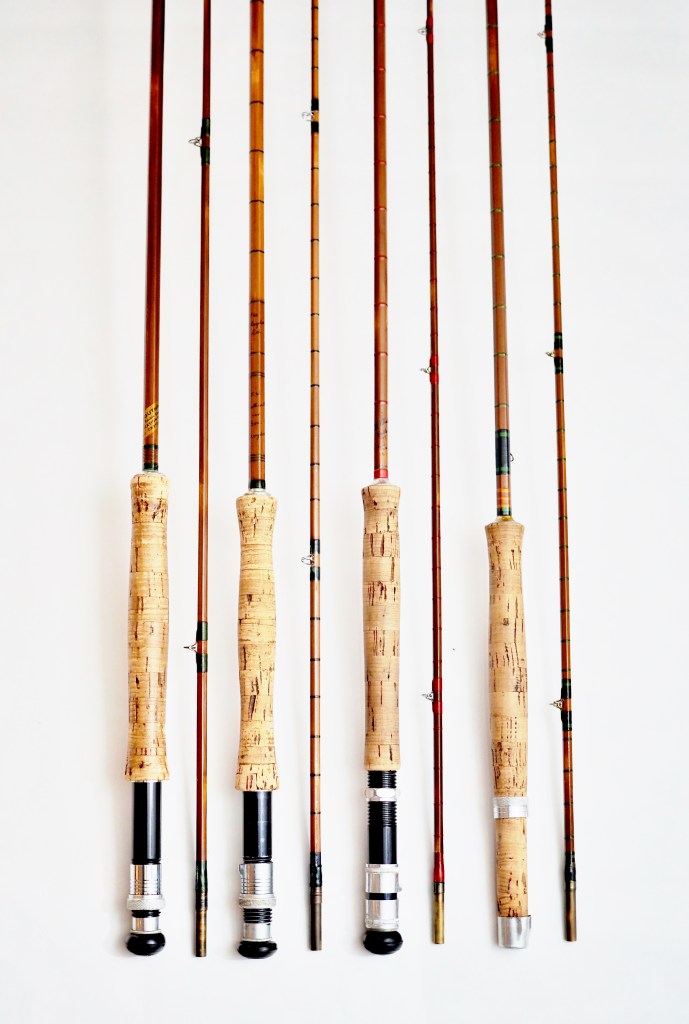
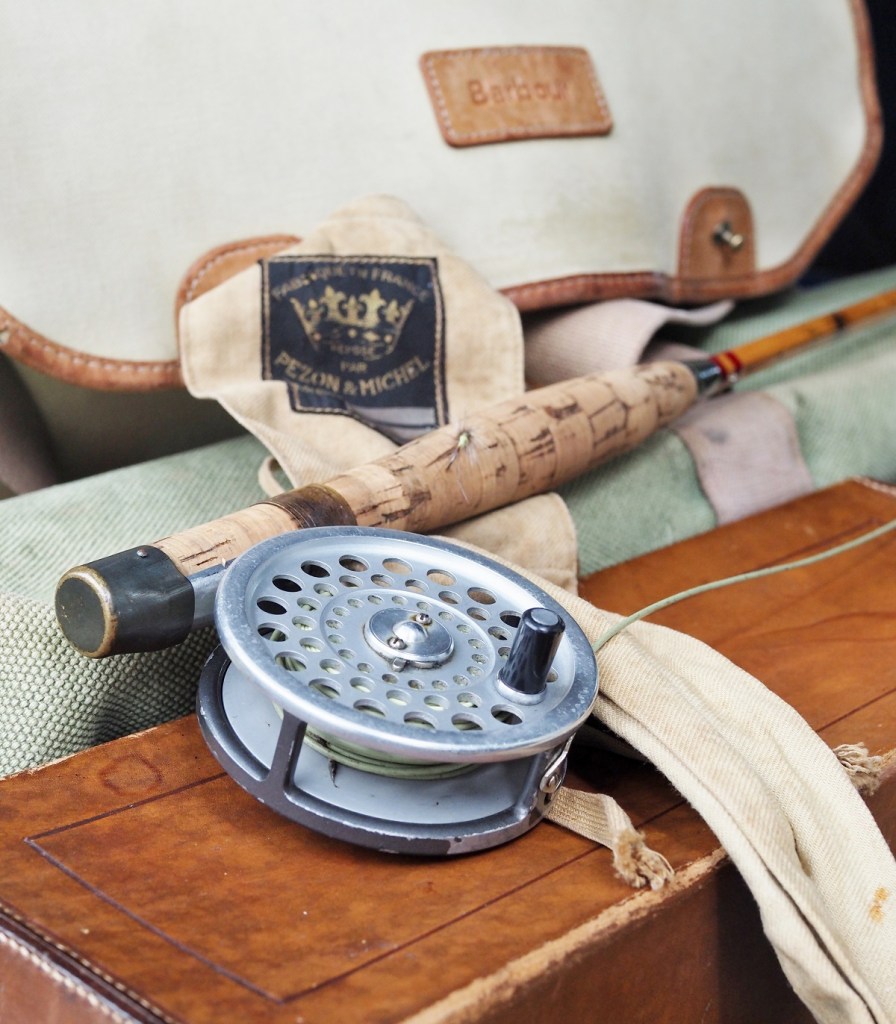
Pezon et Michell, 1939

I had two vintage split cane rods with me and I decided to use the Pezon et Michel, the Bob Southwell stayed on the bench as substitute. My fascination with the lightly restored French rod centered around the time it was made. The rod was built at Amboise in late summer 1939 just before France declared war on Germany following the invasion of Poland. What on earth were the French thinking about ?

Hackle mayfly

Luffs is a mystery, the fish are spooky and despite the rich flora and fauna, the trout are unpredictable and feed sporadically. I sat on the grass in the corner of the lake and flicked a mayfly at a cruising fish which promptly disappeared. I repeated the process with a selection of my best imitations, all of which were rejected. The fish moved away and of course, I followed. I should have waited. The fish returned, downwind, to a corner of the lake where the surface film trapped thousands of flies among the dust and tree debris.

I dropped the quill and badger hackle mayfly pattern infront of a trout which bow-waved towards the fly and grabbed it confidently. Trout 1 was soon released from the landing net. Trout 2 took the same pattern but was much bigger and surged up the lake towing most of my fly line. Trout 3 also liked the imitation. Most of the long, one-sided battle was fought far off in deep water and I expected a 6lb-er. It was foul hooked in the dorsal fin and slid into the net sideways.

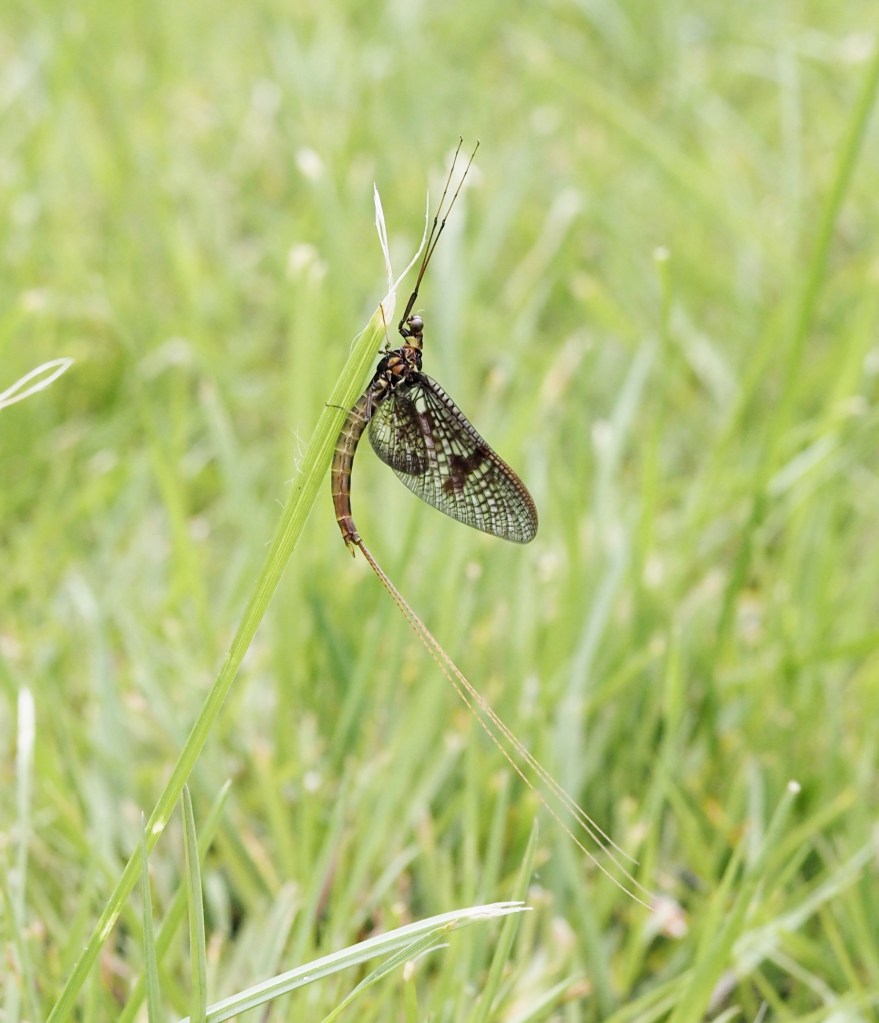
Ephemera danica, male spinner resting

I stopped for tea and sat watching the mayfly spinners. When the breeze strengthened they dropped to the ground and rested, fluttering back into the air when the wind eased. I stretched out on the mown grass and looked up, the male and female spinners were pairing.

Male and female spinners pairing

I found a lot of male spinners in the short grass but no females. Presumably they had returned to the water to deposit their eggs leaving the smaller males to expire.

Resting or dead ?

5 May – Mayfly

I was excited, looking forward to a day chasing rainbows and mayfly. The mayfly first appeared at the lakes in late April, the earliest I can remember. I left the house at 11:00am, there was no point in rushing to the water as the main hatch wouldn’t start until lunchtime. How civilised.

It was a bright sunny morning with little cloud cover and the drive south seemed to take longer than usual. I hadn’t fished the main lakes for ages and was impatient to see the glorious landscape of the south downs from the high ground at Stag Park. The uniform matt olive colour of the fields, the neatly trimmed headlands and the lambs, numbered with spray paint, looked a bit too tidy. The cover crops had been ploughed in and the tops of the hedges flayed into perfectly shaped squares. Vintage Britains’ model farm tractors, cows and calves completed the picture. Unreal

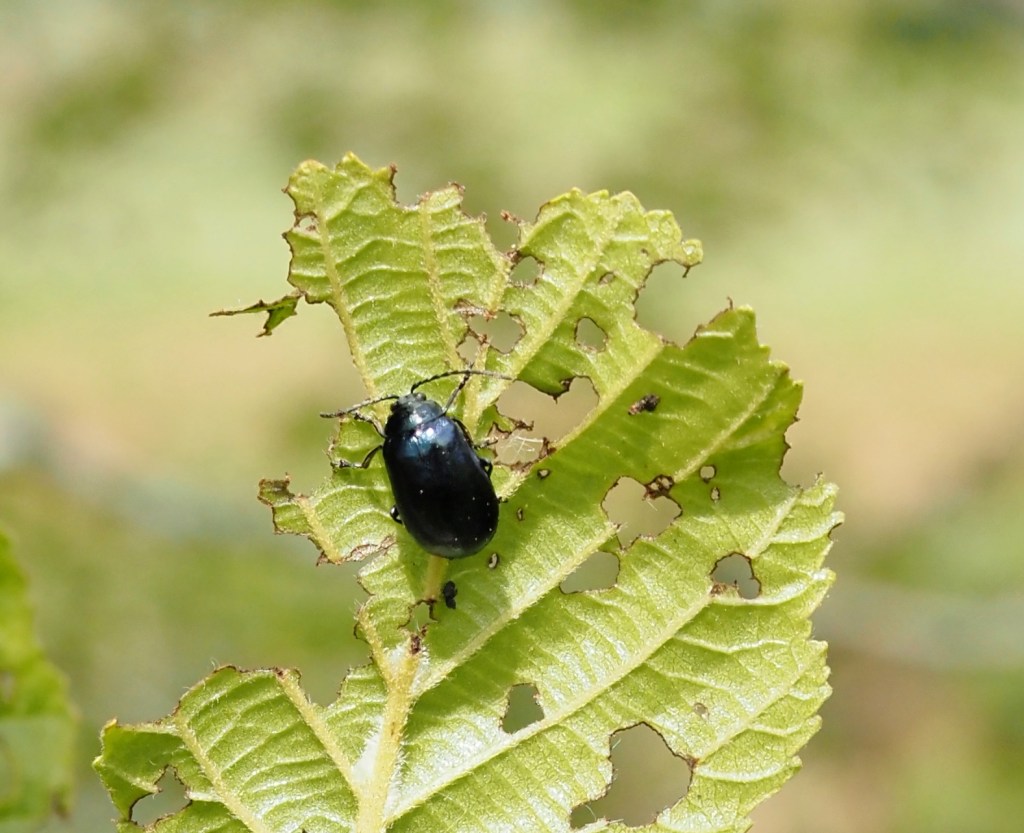
The lakes looked beautiful, trout were rising and the water was transparent. I walked slowly around the lower lake turning over the low hanging leaves of the oaks and limes, looking for evidence of mayfly. Nothing. Alder flies filled the air and a bewildering selection of terrestrial beetles decorated the marginal rushes. My circuit of the lake was interrupted by a solitary mayfly dun popping up out of the lake margin and zooming high into a tree, there were no birds to intercept it. The hatch was underway.

I had a cup of tea and chatted for too long. Southwell Two, ‘The Chew Valley’ seemed to suit the situation. Carbon fibre would have been out of place in the vintage time warp. I chose my long serving Hardy Marquis and Rio WF #4 which matched the rod perfectly. I loaded my pockets with fly boxes and started at the top of the lake. A pod of fish were cruising around under the low hanging alder branches, actively seeking out nymphs about a foot under the surface. A long shank pheasant tail nymph with a partridge hackle was seized second cast and battle commenced. I held the old rod low and prepared the long handled landing net to avoid any strain on the tip section. I bullied the fish and it came off ! A very amateurish start to proceedings. Most of the trout had fled into the corner of the lake on my left.

Bob Southwell, The Chew Valley circa 1960

I waited until a feeding fish cruised past and dropped a small dry mayfly in exactly the right position. The trout rose confidently and gulped in the fly. I made no mistakes and a few minutes later, released the fish from the landing net. I retired to the hut and brewed a cup of tea. There was no rush, I wanted to prolong the experience, my self imposed four fish limit looked like a formality.

Ephemera danica, male spinner

Tea and biscuits enabled the hatch to develop and soon the trout were slashing at the emerging duns and zooming around sub-surface mopping up the nymphs as they wiggled towards daylight. The Southwell gave me an edge. The slow action stopped me from casting frantically at passing fish and the compound taper gave the fly line a bit of a kick as the cast unfurled gaining a couple of extra yards. It was a joy to use.

From the corner of the lake, beneath the oak tree, I flicked a dry mayfly towards a trout which didn’t hesitate. It was a good fish and took most of my fly line into the centre of the lake. I nursed it in the landing net for five minutes and watched it dash away. Several other fish inspected my mayfly but were unconvinced. I swapped to a pattern made with a feather stalk and a badger hackle which was immediately grabbed.

With three in the net I went for a walk with the camera, planning to add another fish to my tally in the early evening. I concentrated on a column of spinners, rising and falling above the open ground between the two lakes. I found a couple of suitable subjects and took their portraits by which time the hatch had petered out.

I shall return in a few days.

3 May – Bluebells

The dreary bank holiday rain had petered out overnight and the morning was overcast. The grey sky and high humidity were perfect for fishing. I checked the height of the River Walkham, it had risen less than an inch, Dartmoor had absorbed most of the rain. Land Rover electrickery prevented me from going off road, the battery had drained. Again.

River Plym, Bickleigh

I decided to fish the River Plym, flies would be hatching and no spaniels are allowed in the woods. The flats just above the bridge looked inviting and I spent a while exploring the deep channels and pots with a nymph. No response. There never is but its a good place to warm up. One day I’ll get a fish there.

Olives hatched and midges swirled just above the surface, there was plenty of food for the trout. I walked up to Commando Pool and sat watching the fish rise along the bubble lane. First cast with a GRHE nymph there was a rattle on the rod tip which I missed. I tied on a small dry olive and presented it carefully. The fish ignored it and moved down the pool. I moved down the pool and the fish disappeared.

I found fish rising in most pools and tried small, unweighted spiders, dry olives and GRHE nymphs but nothing took. I think that a lot of the rises were smolts ‘smolting’ on their way downstream.

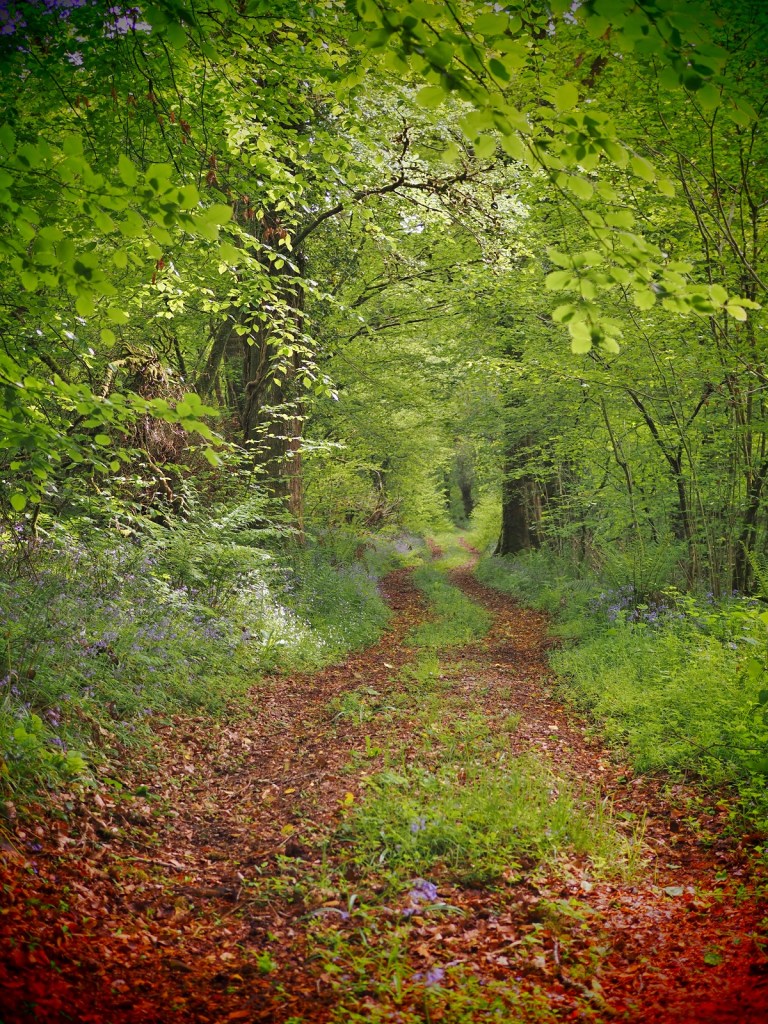
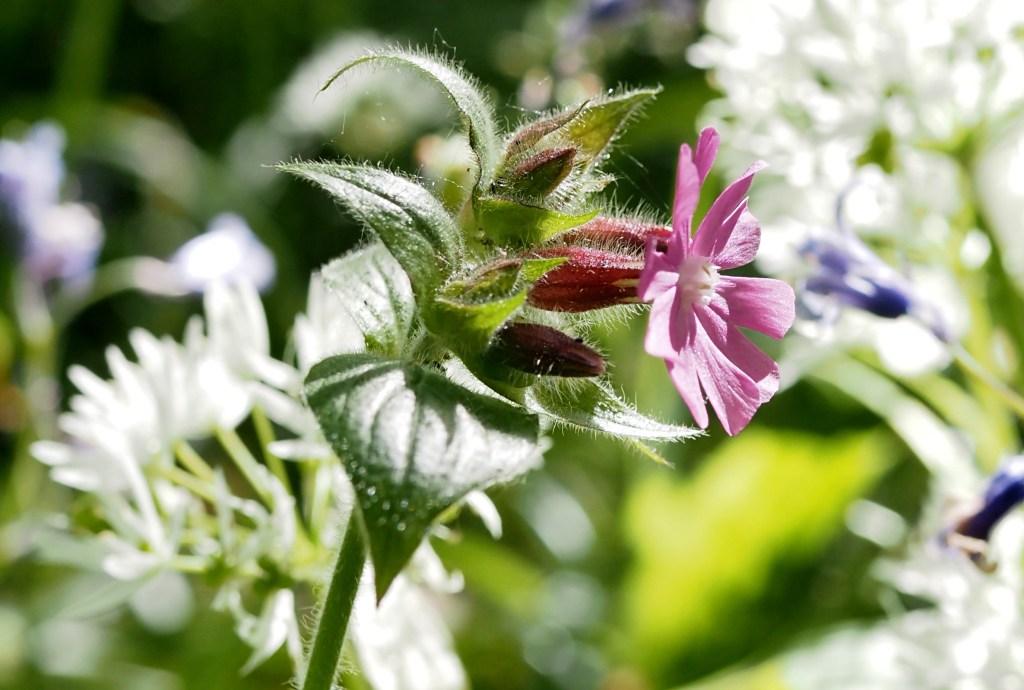
The bluebells were at their peak and I spent most of my time looking for photo opportunities. The scent of the bluebells mingled with the wild garlic and the musty smell of the river. It will be a few days before I can fish the Dartmoor rivers again, it’s mayfly time in Sussex.

25 April – River Tavy

Last week had been set aside for day trips to the beach, carp fishing and visits to the moor. The weather had been kind but I was exhausted by the merry making. The good weather persisted and by Monday morning I was keen to visit my favourite Beat on my favourite river, the Tavy. I chose Southwell I from the rod cupboard, it would slow me down and ensure a relaxing afternoon.

The Defender rattled and banged down the rocky path, the state of which seemed to have deteriorated since my last visit a month ago. I watched the river as I set up my rod. Olives were hatching and the surface of the water, in the slacks and eddies, was covered with clouds of midges. I thought I saw a mayfly but it was probably a large olive. Anglers describe olives as, large, dark, blue winged etc. which I find unhelpful. Larger than what ? Darker than an ordinary olive ? How confusing. The weather was warm and overcast and an upstream breeze helped with presentation. I sat on the rocky river bank, back from the waters edge and flicked the nymph into the head of the top pool. The rod gave a little kick as it unwound and presented the fly perfectly. Fishing the pool down and across, exploring the crevices and pots, took about half an hour and I was surprised not to get a take. The fish were not rising despite a constant procession of duns floating downstream.

Top of the Beat

I moved down the river, fishing the pools and riffles methodically, until I reached the Defender when I took a break for a drink and slab of fruit cake. The hatch continued and I studied the river carefully, looking for any sign of a rise in the broken water. Nothing.

Low water

I fished the long run under the near bank and the wide flats, trying different sizes of nymph and different weights, but arrived at the fishing hut without troubling any trout. As I sat at the head of the pool choosing a fly, a fish rose in the bubble line about 20 yards downstream. It rose several times in the same place and I decided not to approach the fish as there was no cover and the water was crystal clear. I tied a size 12 brown nymph on the long tippet and cast into the main flow. The line swept downstream and the trout readily took the fly. It was a beautiful little fish which made the entire trip a success. I packed up my rod and went for a walk.

I returned to top of the Beat and sat on a patch of coarse sand watching the water. A fish rose in the shallows where the midges were buzzing just above the surface. It was a splashy rise and I thought it might have been tree debris. The sun broke through the overcast and the little fish rose continually. I crawled to the rivers edge and peered into the water. There were no buzzers or nymphs to be seen. I turned over a few stones but they were bare. How odd. Next time I must experiment with a dry fly.

5 April – Sussex

My modelling career took another step forwards with a photo shoot on location in deepest Sussex. The exact location was a secret to foil the paparazzi. We met at the bridge and wound our way along the narrow country lanes to the river. It was quiet except for a tractor, bigger than Mr. Clarkson’s Lamborghini, workmen from the EA arguing about some river monitoring wizardry and a fleet of multi-coloured transit vans.

Clouds, mainly grey, flew along the shallow valley on the warm westerly wind. The breeze and overcast were perfect for fishing but the light was flat and boring for photography. We walked to the riffle that we had identified as a good location during our last visit and set up our respective gear. I had a pocketful of stuff. The cameras and lenses required luggage.

Cascading alder trees

The plan was simple, I would fish down and across towards the distant long-lens. I would catch a monster trout for posterity. The cloud cover started to break up as I worked my way slowly down the riffle and the occasional patches of blue sky were welcome. Alder and grannom settled on my jacket but the fish were not rising. After a few minutes I had a splashy take but it took me by surprise and my reaction was amateurish. I rested the water and chose another fly pattern. The GRHE never fails to deliver a trout. I worked my way down to the middle of the riffle where the river is deeper and had a tentative take but I failed to connect. I suspect it was the same small wild fish that had dropped downstream.

Magic trees

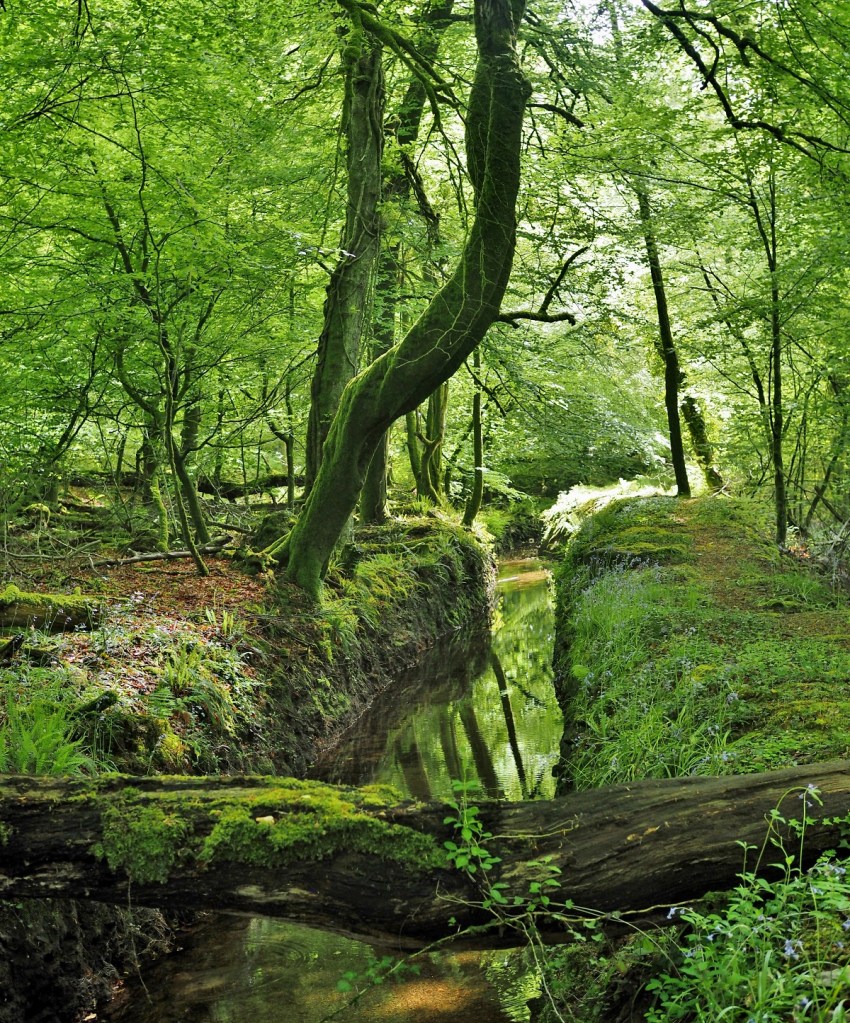
Further upstream, much casting and posing failed to get a reaction and we embarked upon Plan B. I had foolishly guaranteed to catch a fish from the secret lake in the woods. The beech trees along the sides of the deep narrow valley kept the wind off the water, most of which was calm. The wind was roaring through the treetops well above our heads. The slight ripple along the east bank coaxed debris across the lake and under the overhanging bushes to my left. The trout were not rising but I was confident that I would keep my promise. The scene was set and the long handled landing net was waiting close to hand.

After a few exploratory casts in the margins, I flicked the black neoprene buzzer further out and let the fly line arc round. The gentle tug on the line made an old man very happy. I was relieved but cautioned against any celebrations until the fish was in the net. Much electronic clicking accompanied the splashes. It was about two pounds and dashed away from the net after having its portrait taken. The disturbance put the fish down and despite exploring the margins further along the bank, I couldn’t make it a brace. We walked to the other lake where the trout were occasionally rising for emerging buzzers. The heavy fly line and strong tippet were not ideal and we departed without troubling the fish further.

It had been an interesting trip. I concentrated on fishing and the camera had not been a distraction. I had started in Devon mode and messed up the early contacts but the Sussex muscle memory had come good in the end.

PS. A couple of days later, after collecting my diaries from Otter Bookbinding in Midhurst, I returned to the river but the blustery 50mph wind chased me away without wetting a line. Much concentration failed to extract a trout from the lakes in the wood.