10 June – River Tamar

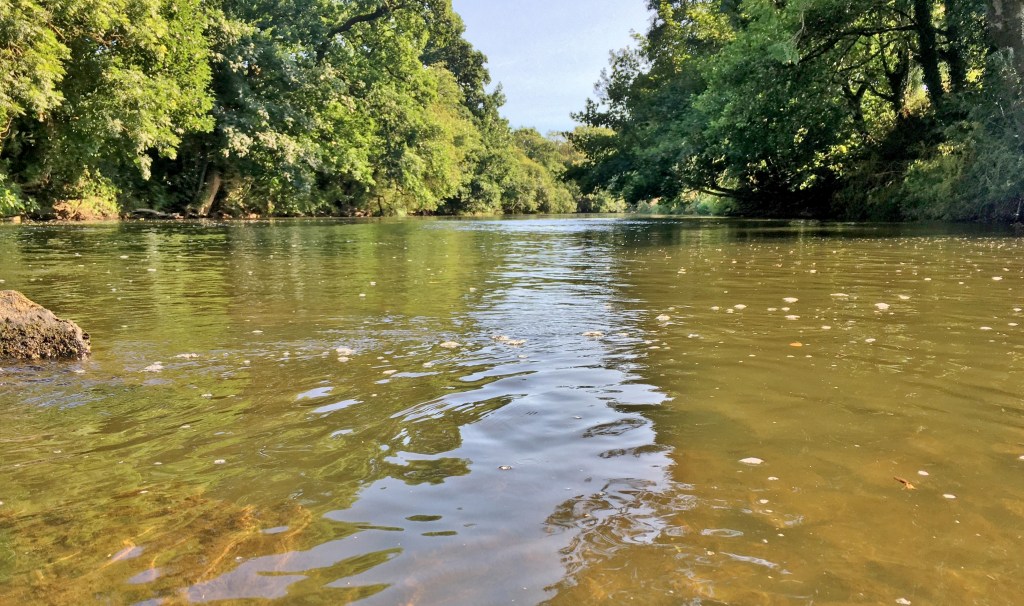
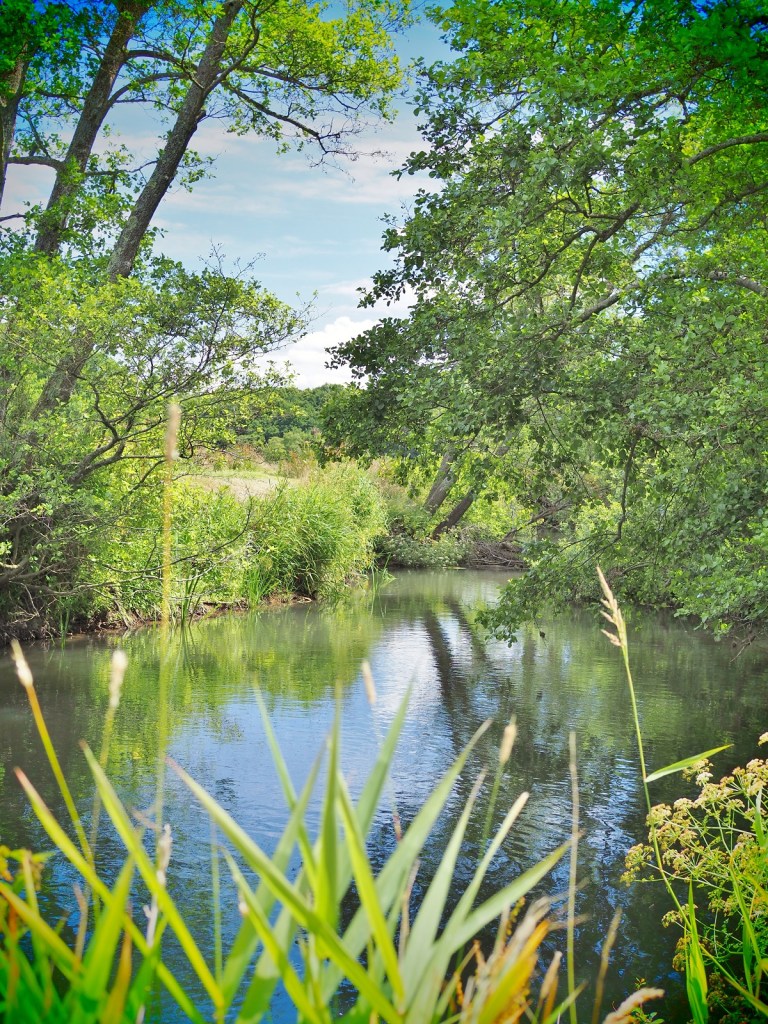
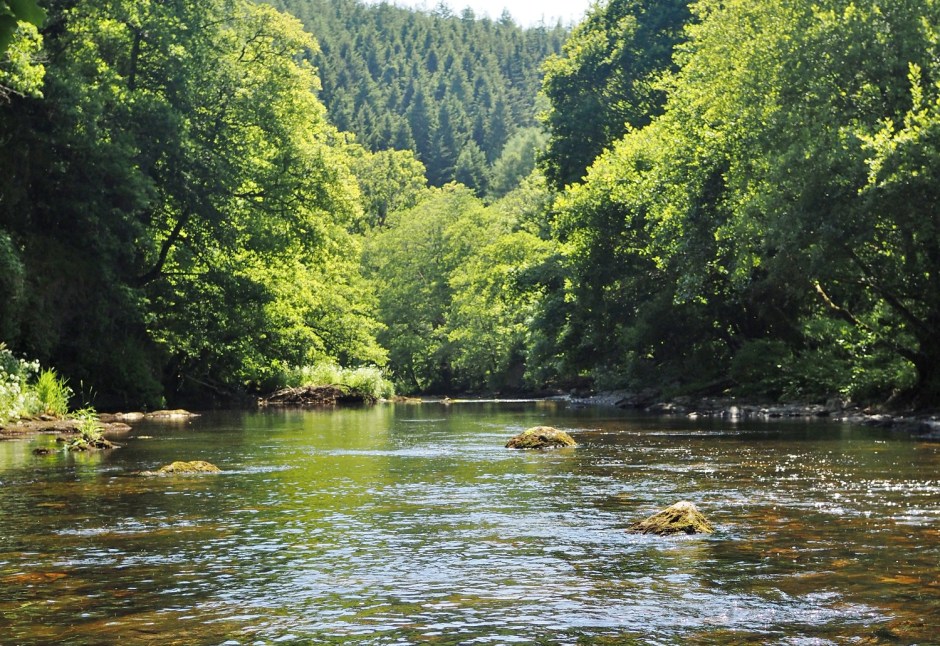
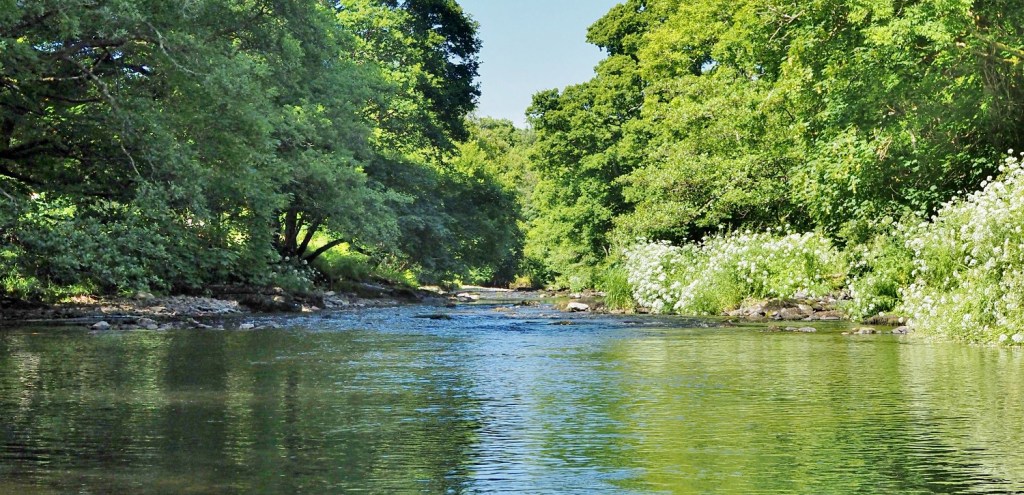
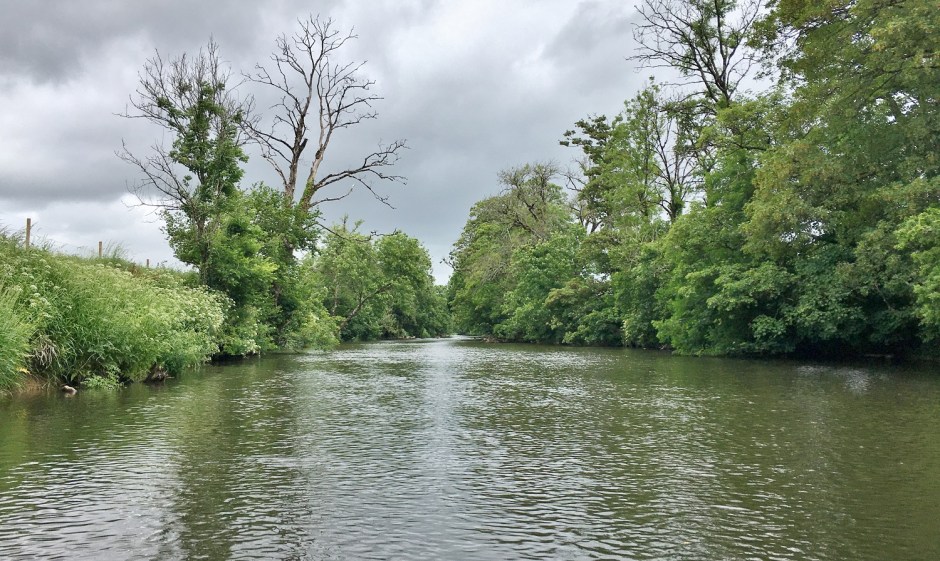
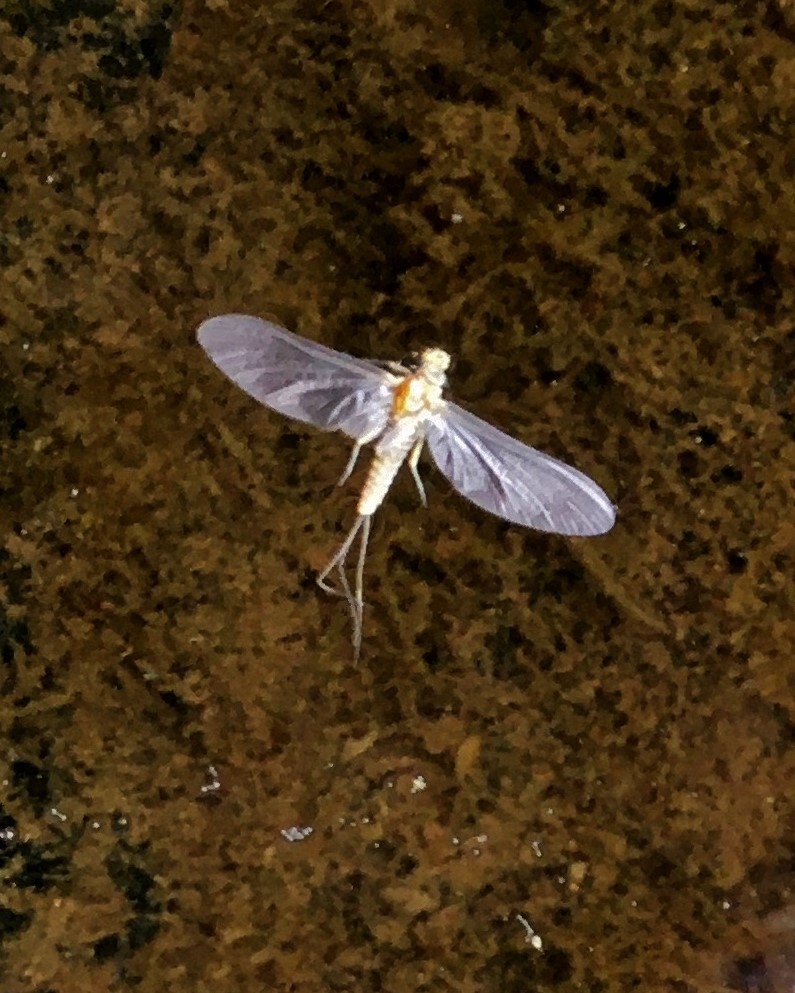
I’d heard on the grapevine that the fish were rising on the Tamar and that the recent rain had freshened up the river. I arrived at lunchtime, filled my pockets with a good selection of toffees and flies and walked across the fields keeping well away from the bull. The river had a brown tint but I could see the rocks scattered about in midstream, nothing was rising. I walked slowly to the top of the Beat, pausing for a few minutes at each gap in the trees. Mayfly were hatching and Blue Winged Olives were coming off in good numbers.

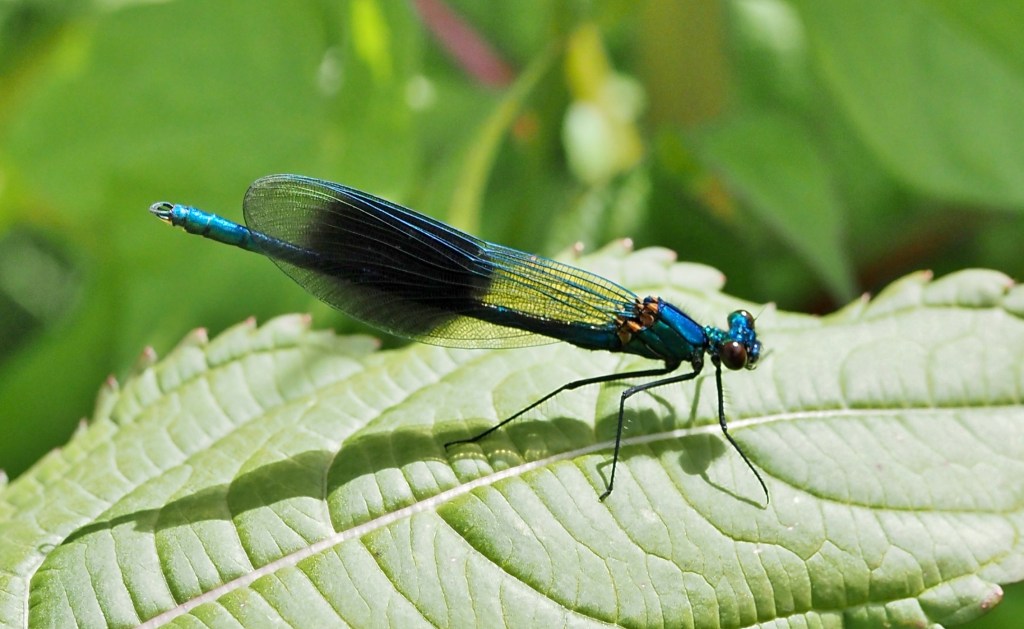
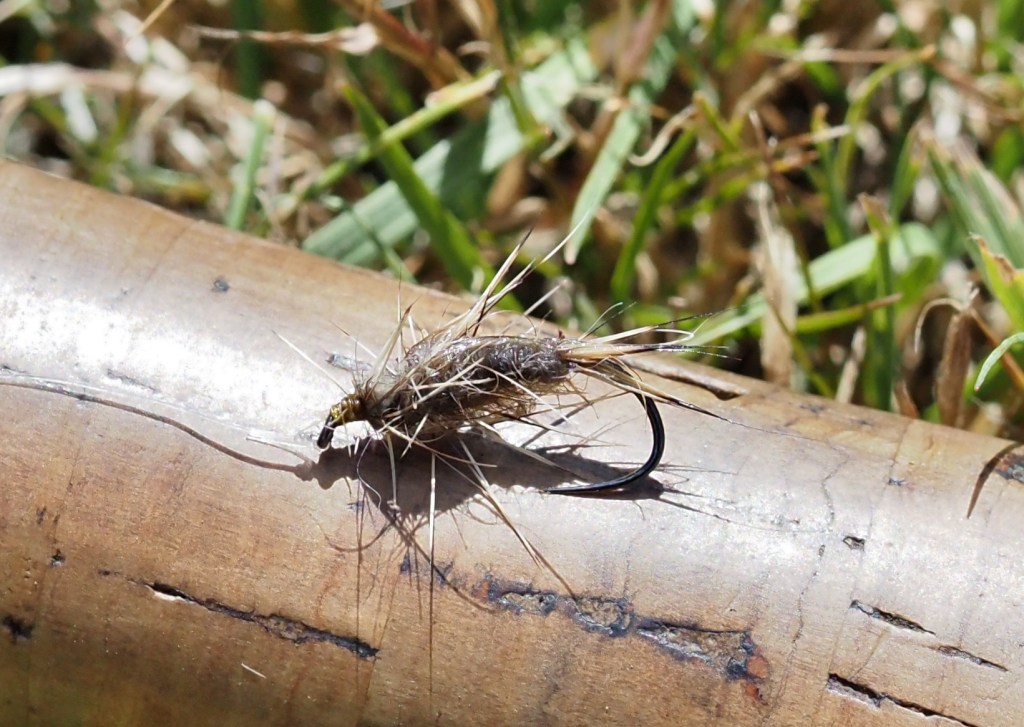
Blue Winged Olive

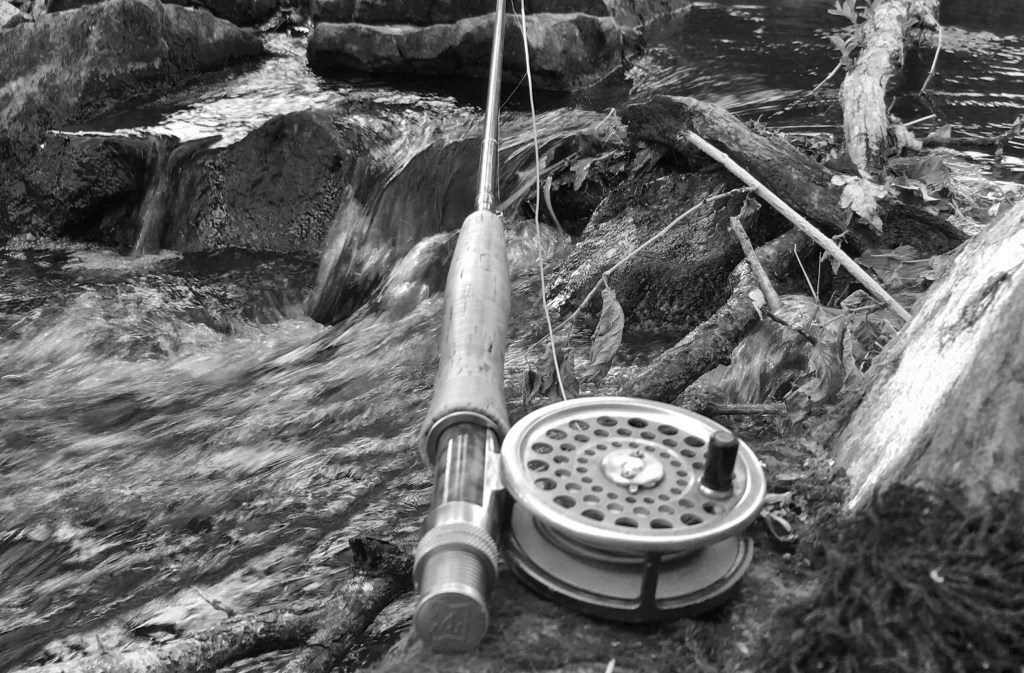
I fished the slow glides, rolling a nymph under the trees. I bumped a small fish which gave me confidence. I moved downstream until I reached the Ladder of Death and descended about 10 feet onto a rocky outcrop above a riffle. The glide above the riffle was shallow but the pool was deep and stretched for about a hundred yards, lots of water to explore. Sitting on a flat rock near midstream and casting from beneath an overhanging ash tree was challenging. While untangling the rod tip from a branch the line grew tight and I lifted into a fish. It felt like a good trout but to my surprise, it morphed into a graying. It was about 1lb, not a monster but a very welcome visitor to the bank.

I released the fish and decided to continue fishing that pool in the hope that a shoal of grayling lived there. I moved further along the line of rocks creating the riffle and found a comfy seat facing downstream. The casts flowed and I got into a rhythm. I heard a fish rise behind me in the glide. I flicked the nymph above the rise but the fish had moved on. A few minutes later there was a splashy rise on the lip of the riffle. I put the nymph about five yards upstream and just as the fly line started to drag into the fast water, a fish seized the fly and dashed downstream through the rocks and into the pool. I was convinced it was a trout but a much better graying eventually came to hand.

Fish began to rise in the glide, I saw several dimples within casting range. They were sipping down BWOs trapped in the surface film. I covered a few fish without response. I dropped the nymph about ten yards above the rocks, towards the far bank. Again, as the line started to drag, a fish grabbed the fly. There was no doubt about it’s identity, the brownie jumped repeatedly before heading through a gap in the rocks and releasing itself. It was a good fish, over 1lb, but I was not too miffed.

The wind strengthened and black clouds gathered along the horizon. I’d had a challenging but enjoyable couple of hours. The bull had followed the herd to an adjacent field, all was well in the world.

8 June – River Walkham

A gentle breeze, showers and sunny spells were perfect conditions for a walk in the woods. With a rod. The privacy of the River Walkham middle reaches would ensure solitude and unspoilt countryside. I parked the Defender and locked the gate behind me. A barrier to those who would drop litter and throw rocks in the best pools.

I found a rising trout under the near bank. It rose continually while I set up my rod. That’s probably why I missed the first ring. The fish had moved upstream a little by the time I had sorted out the rod and selected a fly. I hid behind a tree trunk and presented a small badger-hackled pattern which was ignored, as were several other dry flies. I tied on a tiny partridge hackled nymph and had a take first cast. Too slow. I was in ‘Sussex-mayfly-slowly-lift’ mode.

I walked upstream and found a few fish rising under a tree branch. Each time the breeze shook the bough, debris dropped into the water and the fish rose. Perhaps they were vegetarian. I tied on a midge and flicked it downstream, the fish moved away. I followed but the fish retreated even further and eventually stopped rising.

I walked down the Beat, through the beech wood and fished the fast, rocky water with a weighted nymph. I didn’t see any fish but the pristine, ancient woodland bordering the river was uplifting. A storm drowned the garden shortly after I arrived home. Perfect.

27 May – Beat A

The top Beat is a jungle, very few members fish there. The river is shallow and in places, quite swift. The fallen trees, high banks and bushes demand accurate casting. A 10′ rod and telescopic landing net handle are essential.

I arrived at the top of the old railway track and stood watching the river for a few minutes. The watery sunshine enabled me to see the sunken branches and streamer weed. There were no flies hatching and consequently, no fish rising. I walked past the big pool and settled down on the grass to watch a stretch below a tunnel of alder trees.

The upstream breeze enabled me to flick a nymph under the trees and work it back towards me alongside the streamer weed. After several casts, just as I was lifting off, a small wild trout grabbed the fly but I lifted it out of it’s mouth ! It was good to have contact with a fish so early in my walk.

The sun broke through the overcast and almost immediately, mayfly started hatching. The air was full of duns fluttering upwards into the security of the tree tops. For the first time this season I saw swallows swooping over the river, snatching wayward flies unable to cope with the breeze.

Female dun

I walked slowly upstream, pausing at every opening in the vegetation, waiting for a trout to reveal itself. A big fish splashed at the duns floating past a partially submerged branch. I had a dead overhanging tree on my left, a tall bush to my right and a limited drift. The first mayfly imitation was ignored completely but the fish continued to rise. The second imitation brought the trout up but after an inspection, it swirled away. I was surprised, I had expected a confident take. The fish had obviously seen better.

I swapped the fly for a white, neoprene bodied mayfly with a generous hackle. It landed perfectly, the trout rose and gulped it down. I made the connection but the fish leapt out of the water and threw the hook. A long distance release. Shame, it was a very nice trout about three pounds.

The sun became more intense and the mayfly continued to hatch. I walked upstream, pausing at the gaps in the trees to watch the sandy patches where, in previous seasons, I had caught a trout. I turned back before I reached the very top of the Beat, I was tired and the sun was draining what little energy I had left.

I saw a trout rising in an impossible lie, the overhanging bushes left no room for an overhead cast. A bow and arrow cast was the only solution. My 10′ rod and 10′ leader were two feet short. I edged forward onto the very lip of the high bank and stretched my arm as far as possible. I avoided hooking my finger as the line pinged out, the fly dropped in exactly the right place and was immediately seized. I held the fish tight and encouraged it downstream where I could clamber down a tree trunk to the waters edge. It was about two pounds and dashed away from the landing net, a little embarrassed at it’s capture.

An early meal at the Black Horse in Byworth was a fitting end to a memorable day.

23 May – Keepers Bridge

The warm, humid and overcast weather was perfect for the mayfly and therefore fishing on the Rother. The mayfly hatch at the lakes appeared to have ended. The warm breeze from the south west would be downstream at Keepers Bridge and a slight ripple would help the emerging mayfly escape the surface tension.

Prototype mayfly

I parked under the trees and walked down the slope, the river looked beautiful and was deserted. I stood on the outside of the first bend looking upstream towards the willow bush and downstream to beyond the bridge. I could see about two hundred yards of river, lined with alder trees and overhanging bushes.

I was confident that I would see a few fish rise and I didn’t have long to wait. A trout splashed at a mayfly just upstream of the bridge. A couple of minutes later another trout rose closer to me. A good fish rose continually among the debris hanging from a tree branch. I recalled a fish that rose there on 10 May and wondered if it would be a repeat capture. I stood watching the river for about an hour and satisfied that I had marked sufficient targets, returned to the car to get my rod and net.

I acted as ghillie for a couple of hours, pointing out rising fish and giving tips on presentation. We walked downstream, watching the water and only casting to rising fish. A tractor the size of a small house arrived to mow the grass and we switched our attention to the upstream pools. Several fish were rising along the Sandy Pool. I cast to a rising fish which promptly rose again, a yard above my mayfly ! I lifted off and flicked the fly further upstream. A few seconds later it was gulped down and a strong fish about 2lbs eventually slid into the landing net.

We tempted another trout from under the far bank at the top of the pool. An accurate cast was essential as there were large numbers of duns floating down the bubble line and the fish didn’t have to move far to find a tasty mayfly snack.

The resident trout under the tree branch had recovered from the tractor earthquake and was rising every minute to intercept duns funneled into midstream by the willow bush and flood debris. There was a gap in the alder branches less than a yard wide and the drift was only a couple of feet. Throwing caution to the wind, I kept the rod from deviating off its arc and set the mayfly down perfectly. Several times. Without hooking the tree. I rested the fish for a few minutes while I dried the fly, it took on the next cast. I bent the Hardy into a loop, dragged the fish out of danger and played it under the near bank. It was my friend from two weeks ago, easily identified by a slightly deformed jaw.

The prototype mayfly had been a success, it floated on the organza wings much longer than a conventional pattern and didn’t twist the tippet during the cast. I must tie some more.

19 May – River Tavy

The Tavy had dropped a little and looked perfect, the trout would be hungry after the mini-spate. I decided to spend more time watching the water and less time prospecting. Sitting on a warm patch of coarse sand beside the top pool was relaxing. The occasional mayfly hatched from the shallows, Blue Winged Olives drifted past and the dense clouds of midges hung over the water when the breeze permitted.

There was no sign of trout, in the broken water it was difficult to be specific about any surface movement. The pool was deep and rocky, four to five feet of water rushed around submerged boulders the size of dustbins. The crevices held trout but they were not rising. A long leader and a weighted GRHE nymph was the answer. I had a tap on the rod first cast, along the bankside drop-off and a gentle pull on the line second cast. Slightly further down the pool in slack water, a trout grabbed the nymph and went airborne. It looked like a sea trout smolt which I released without touching the fish. I wished it well. A good start to the day. As I stood up to walk downstream a fish rose only a rod length from me. I sat down and drifted a dry fly over the fish but there was no response.

I remembered a day last season when the trout were on the shallows intercepting emergers and adults in the faster water. I sat on a rock and watched a glide in midstream which ended under trees along the far bank. A small fish rose out of range downstream. A good fish rose opposite me only ten yards away. I dropped a parachute GRHE above the rise and the rod hooped over. The fish took line downstream and then upstream. It fought like a 2lb-er but it shrunk as I drew it nearer. It was my best fish from the Dartmoor rivers, about 1lb and fin perfect.

I sat on the short grass beside a pool and watched the river. Fingerling trout were darting around in the warm, shallow water. A big shadow passed across me and I looked up to see a buzzard drifting down the tree line along the far bank. The hot sun and dehydration got to me and I left the river. The Defender carried me out of the valley despite the state of the track which had washed out during the recent rain. The steep slope, pot holes and rock outcrops tested it to the limit.