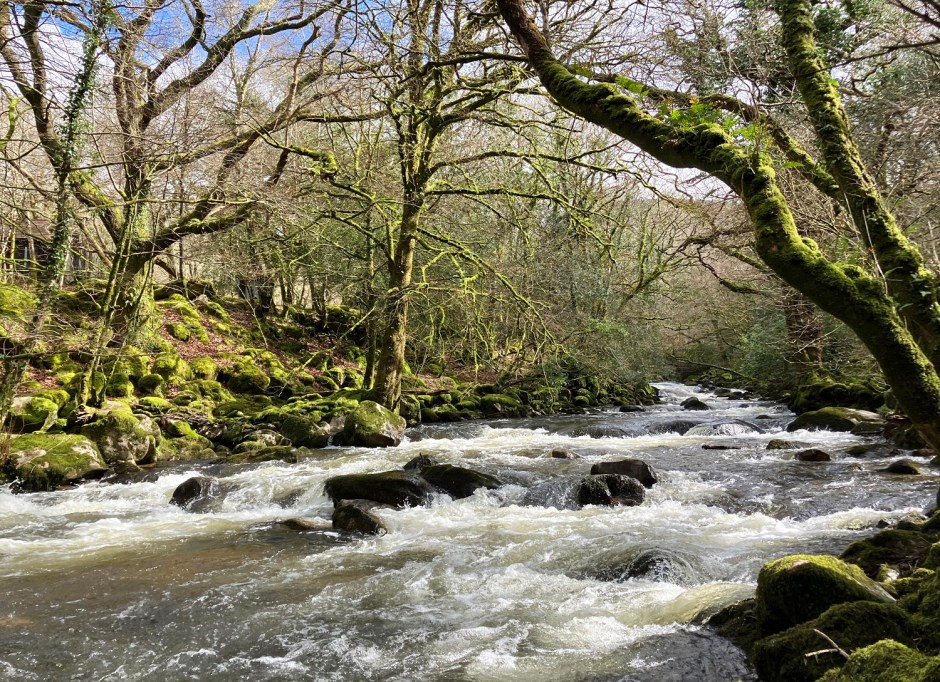
6 April – River Plym

I was inspired by advice about tactics and tackle tips on swollen streams. Short leader, big flies and fire the casts low. I was happy with the latter because that’s my normal casting style. Thoughts on a short leader and big flies made me nervous.

As I drove over the bridge the height of the water thundering through the arches knocked my confidence a bit but at least it wasn’t raining. The car park was rammed with mini buses, climbing instructors and teenagers. No spaniels.

I fished the slack formed by the bridge cutwater. A heavy GRHE nymph worked well. Short line, cast, lift, repeat. I lost the nymph in a tree and moved downstream. Having lost the tippet, I attached the replacement fly direct to the leader making the business end shorter and stronger. The fast, white water would hide the heavier line.

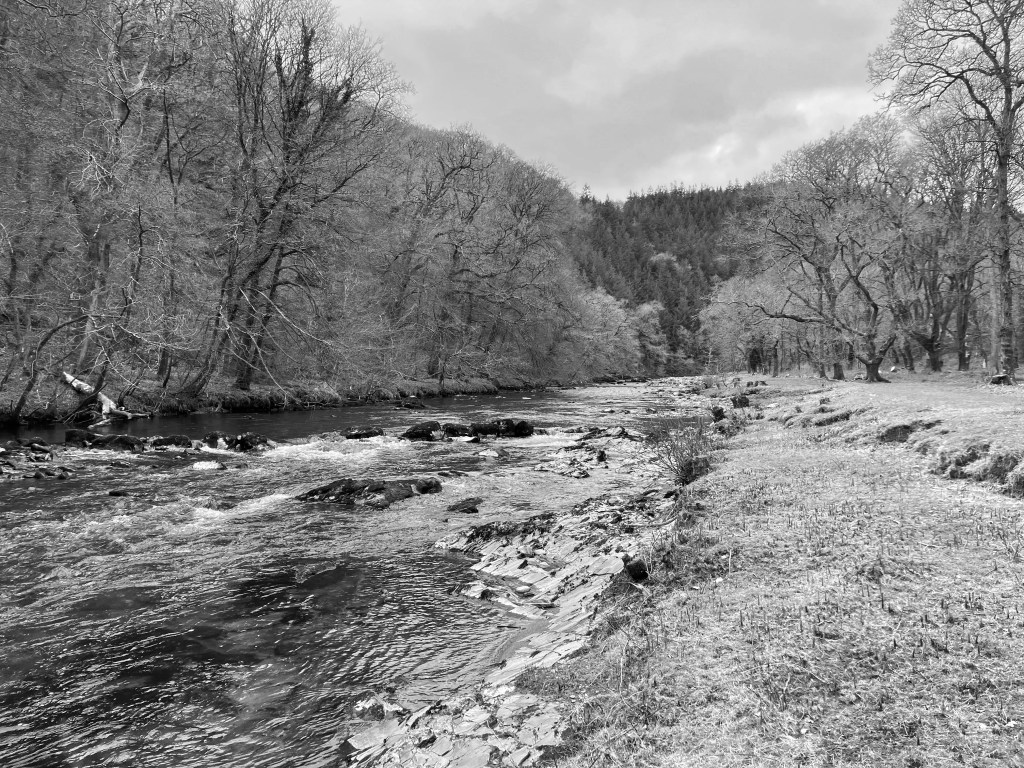
The private woodland was quiet, the fallen oak and beech leaves deadened the sounds. I fished every back eddy, bankside slack and flat water. Some small pools has been created by the high water where I would normally crouch down to cast. The water was crystal clear and I hid behind trees and boulders to avoid throwing shadows, the morning sun was low and behind me.

I sat on the old seat which had survived the winter spates, it can’t last another winter. The fallen oak tree which normally bars my way, had been washed aside and lay, stripped of its boughs, close to the rock face.
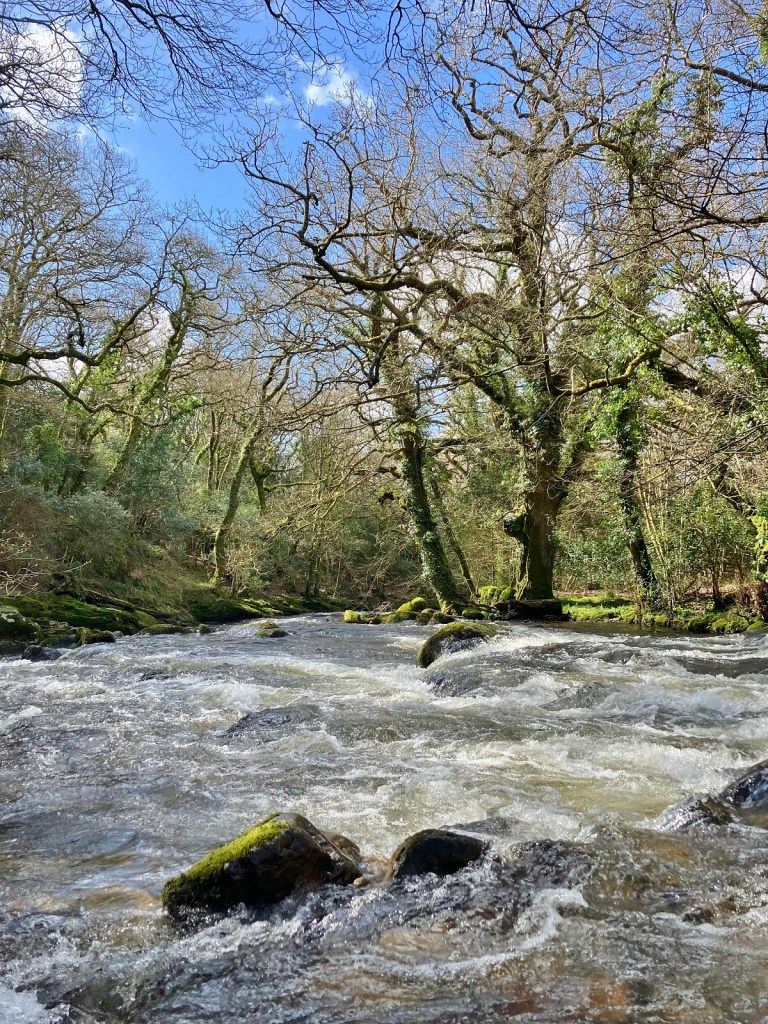
I walked back through the woods watching the river. A woodcock flew across the river and disappeared. A kingfisher whizzed upstream with a single ‘peep’, it flew too fast for my eyes to adjust, it was just a blur.

It had been an interesting morning. My confidence gradually evaporated as each pool failed to yield a trout despite my best efforts and concentration. The season is nearly a month old and I have yet to catch a trout !

3 April – River Tavy

Spring had arrived in Devon. The morning was dull but warm with a south easterly wind. I wanted a peaceful few hours beside the water without kids or spaniels. I opted for a stretch of the Tavy reserved for members. The plan was to travel light, walk the entire Beat and winkle out a couple of trout.

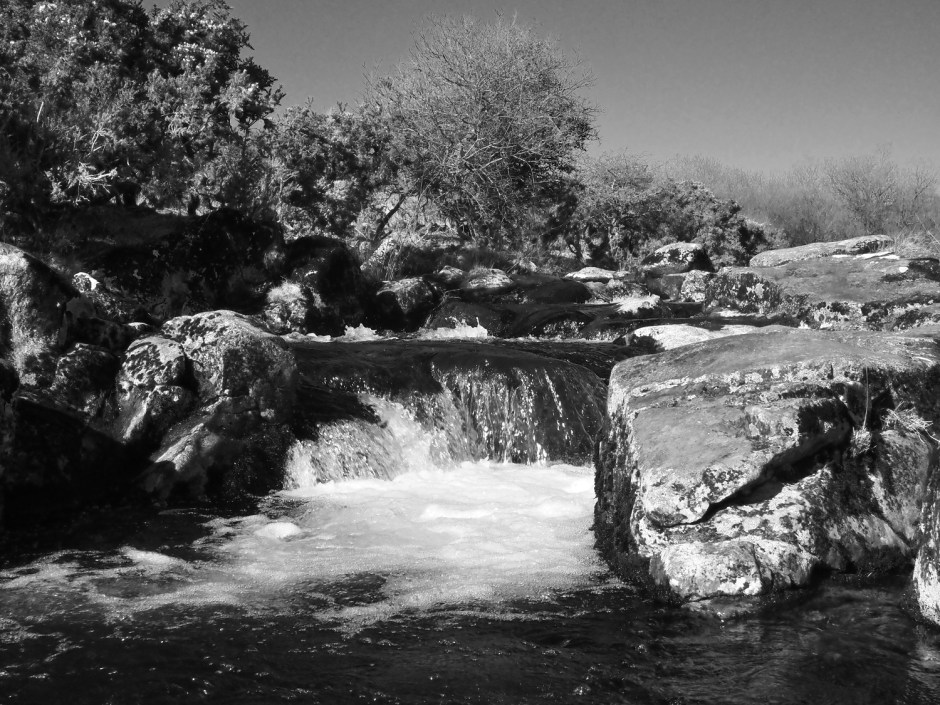
The overcast burnt off leaving clean air, fluffy white clouds and a bright blue sky. The water was clear with a slight green tint, it raced through the riffles and channels in the rock.

Olives hatched and drifted upwards but there was no sign of rising trout. If a trout had risen to intercept a fly it would probably have gone unseen in the turbulent water. The choice of fly was obvious, a heavily weighted nymph.

I started by covering a deep channel in midstream, constantly mending the line to allow the fly to get down deep. Each drift lasted about ten seconds before the fly dragged over the lip of a riffle. It was hard work. I moved down a few yards and allowed the fly to trundle round in a back eddy.

A few wagtails moved along the river picking off Olives but there was little to distract me until a couple of youngsters and a dog appeared beside the river well upstream of me. End of term games on a sandy beach beside a torrent of cold water and a dog off the lead. What could possibly go wrong ? As I moved further downstream I wondered what I would do if a dog or child floated past.

I explored the eddies under the bank and drifted the nymph through the deep flat water, there was no response. I eventually reached the deep pool near the end of the Beat but there was too much water for nymphing, it was like an industrial washing machine. I sat and watched the water for a while and then wandered back to the Defender.

I had a soggy foot and a muddy backside. I was tired and dehydrated but content with my efforts. The weather had been glorious and it was good to be back on the river making a genuine attempt to catch a trout rather than messing about.

I have yet to catch my first trout of the season.

27 March – River Plym

The rain followed me back to Devon. The first dry, warm day lead to a scramble for tackle and a lightweight coat. I was in such a hurry to leave home that I reversed the Defender into the partially open garage door. Again.

The River Walkham was above normal Spring level and the water was clear. I headed for the Plym which is usually peaceful and easy walking. Upstream of the bridge, in the first pool, I could see the deep runs and boulders. There were no signs of trout but my expectations were low, the water was cold and they would not be looking for food.

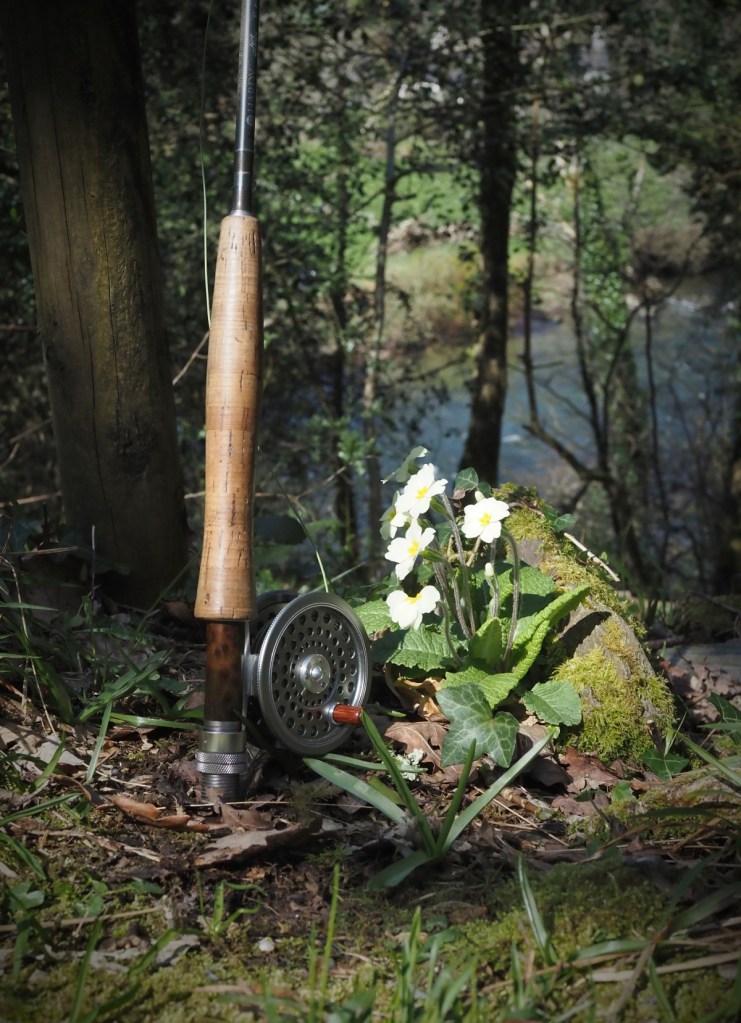
The warm southerly breeze failed to stir the daffodils and the Grannom had no difficulty fluttering around the sparse woodland. A few Olives drifted into the air and disappeared. I stretched the first few yards of the fly line and chose a heavily weighted GRHE nymph. Fishing the riffle upstream was hard work, the speed of the water made it difficult to keep in contact with the fly.

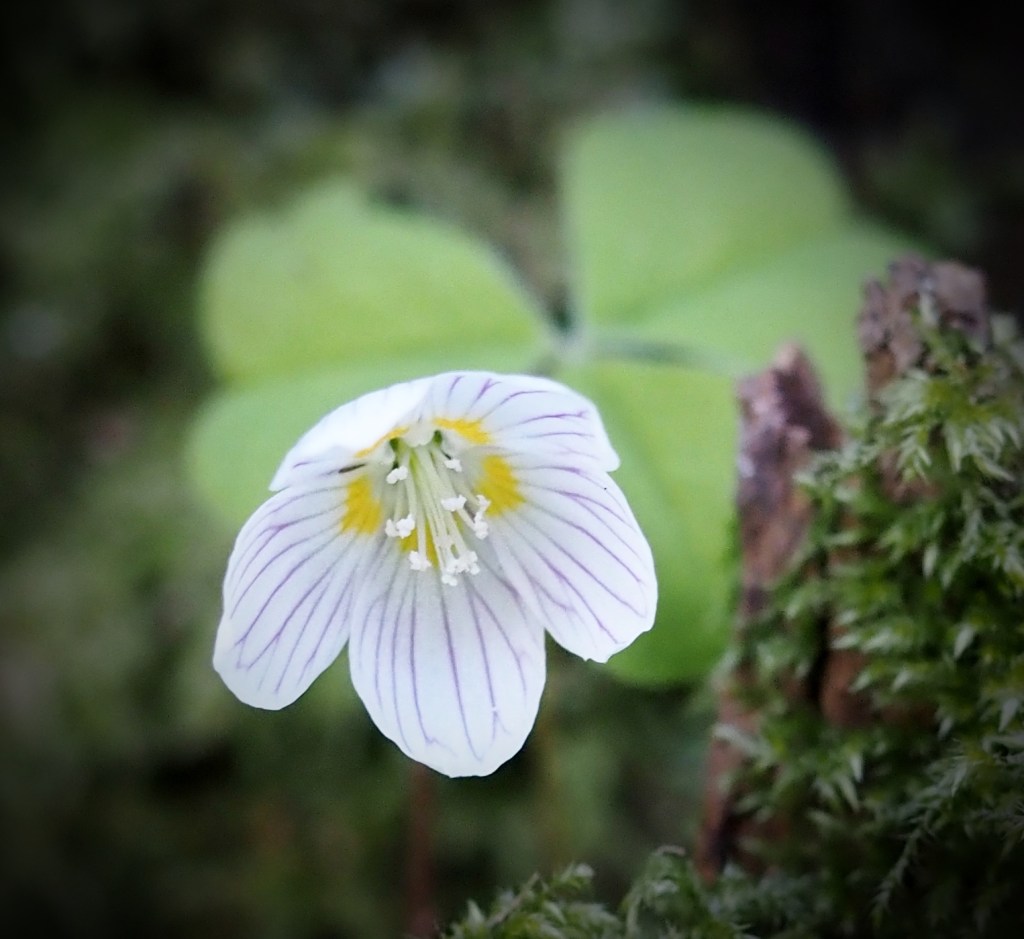
Wood Sorrel

I walked upstream to the next pool. The wild garlic and bluebell shoots squeaked underfoot, it was impossible to avoid treading on the plants. I fished the pool down and across until I was satisfied that I had covered all the likely fish holding places.

As I moved further upstream I saw a person creeping around next to the river. I hid behind a tree trunk and watched. They looked like a poacher and I decided to confront them. It was a lady with a spaniel. I nodded to her as I walked past. I decided to abandon the rest of the Beat which had been trashed by stick throwing and dog swimming. I would return mid-week, in the rain, when peace and quiet descends on the river bank. It rained all night and for most of the following day.

Sussex Opening Day

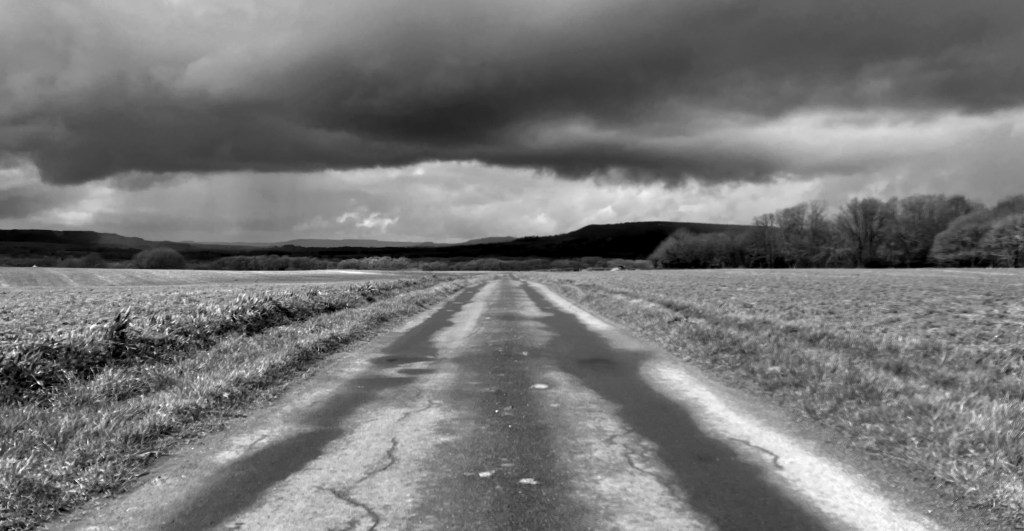
Heavy overnight rain was forecast to continue into the afternoon. The traffic on the drive south soon petered out and it was good to be back on quiet country roads through the Sussex countryside. The view towards the South Downs at Stag Park was spectacular and I stopped for a few minutes to watch the dark clouds well up over high ground.

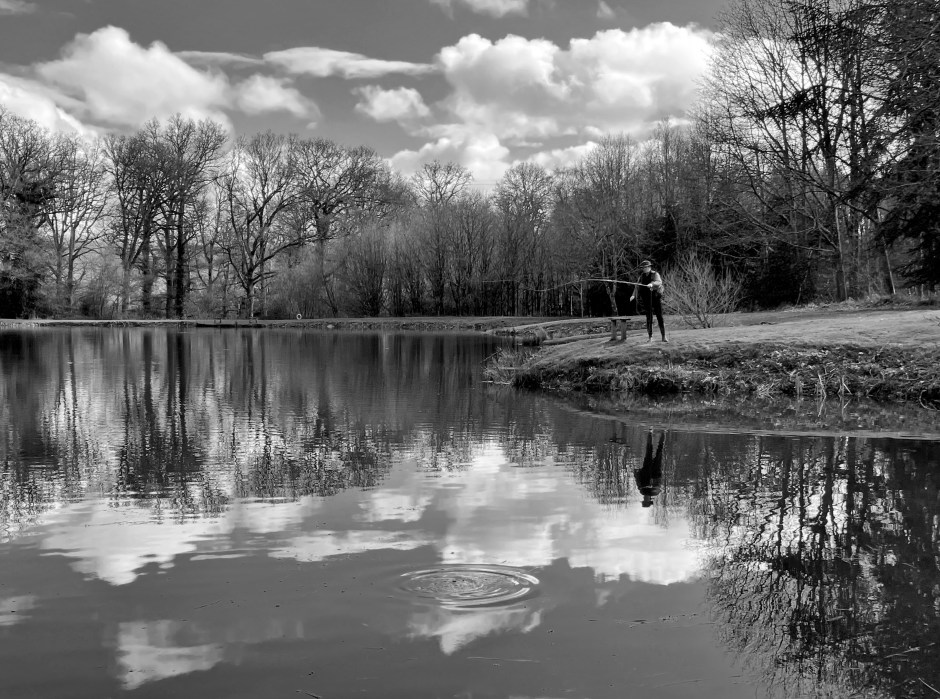
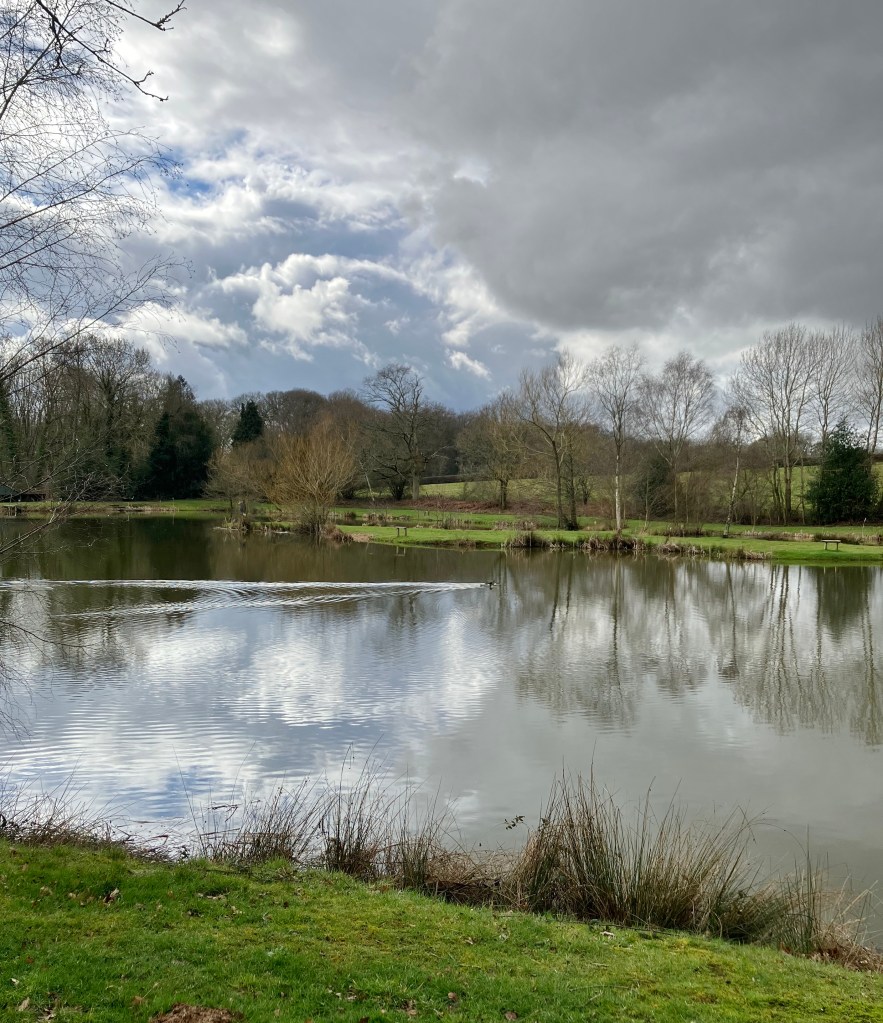
I walked around the lakes watching the coots distribute broken weed stems liberally across the surface. The westerly breeze hardly ruffled the surface and the air was warm. Trout were moving but as I returned to the hut for a cup of tea, heavy rain settled in and it was ninety minutes before I set up my rod.

The new Robjent Special coiled around everything and I regretted not taking the time to comb out the twists and stretch the line. The coiled spring contracted and gradually drew the fly towards me. I persevered on auto-retrieve until I got fed up with the tangles and invested ten minutes untwisting and stretching the line.

I assumed that catching a couple of fish was a formality and didn’t bother to change flies, a size 14 weighted GRHE never fails. After an hour without a take I realised that I would have to up my game. The clouds disappeared and bright sunlight put the fish down. I moved to deeper water and let the fly sink a little deeper.

I had a couple of tweaks on the line which felt like submerged weed. That woke me up and I paid more attention to the tip of the fly line. The breeze picked up allowing the line to drift into a gradual curve which resulted in a solid take. The loose line slid out through the rod rings and a nice trout became airborne. The fish raced back towards me and came off in the weeds.

A shoal of fish were splashing about in the coloured water around the inflow pipe but I preferred to sit in the sun and take a few photos.

It had been an odd afternoon. I enjoyed wandering around with the rod, expecting a fierce take at any moment but I was not disappointed to leave without netting a trout. The season is long and in a couple of days I return to the spate rivers on Dartmoor.

2023 Plans

The strategy is to fish wet weekdays on Dartmoor and glorious, sunny weekends on the Rother. Rain in Devon is welcome, the spates encourage the sea trout and salmon to run the rivers along the western edge of Dartmoor. Rain in Sussex runs off the farmland and brings the fishing to an abrupt muddy end.

My season in Sussex opens on 18 March and I am looking forward to exploring the lakes and river. The heavy rain last November filled the floodplains and will have undercut the banks and toppled trees. The new fish holding areas will need to be discovered.

A new fly line has been loaded onto the Hardy Duchess, new leaders have been purchased and a few essential GRHE nymphs have been tied. I am ready.

February Fill Dyke in Devon has been very dry, only 2mm of rain fell. The high moor is drying out quickly. The bright sunny days and the strong north easterly wind have dried the grass and it is quite firm underfoot. The rocks are starting to warm up and we are slowly sliding into a long hot spring and summer. The rivers and brooks are full but the water levels are dropping. We need a lot of rain in March.

I have found some new Beats on the River Tavy and there are still places to explore on the River Meavy. I will spend more time on Burrator in the early season and return to Siblyback when the beetles are hatching. If the weather is too hot for trout, I will turn to carp-on-the-fly.

My 2022 diary has been formatted and printed, it will soon be with the bookbinders.

The Defender has been sorted during the close season and no longer sulks. It is reliable and I don’t have to worry about getting out of the valleys up the steep rocky tracks.