13 and 14 May – Mayflies and Buzzers

13 May – Little Springs

A cool north wind gently rippled the surface of the lake and blew the leaf debris from the Alder trees towards the dam. A few fish rose in the centre of the lake and mayfly were hatching sporadically. Everything looked good. As I set up my rod I made sure that no rings were missed and that my tippet was in good order, it was no time for amateurish mistakes.

Alder flies were everywhere and there were a few drowned spinners in the margins. I chose to start with a nymph in the margins but soon swapped to a dry fly.

I walked around the lake, stopping at the likely looking places, expecting a rise at any second. By lunch time I had exhausted the selection of flies and myself. It was time for cherry cake and tea in the hut.

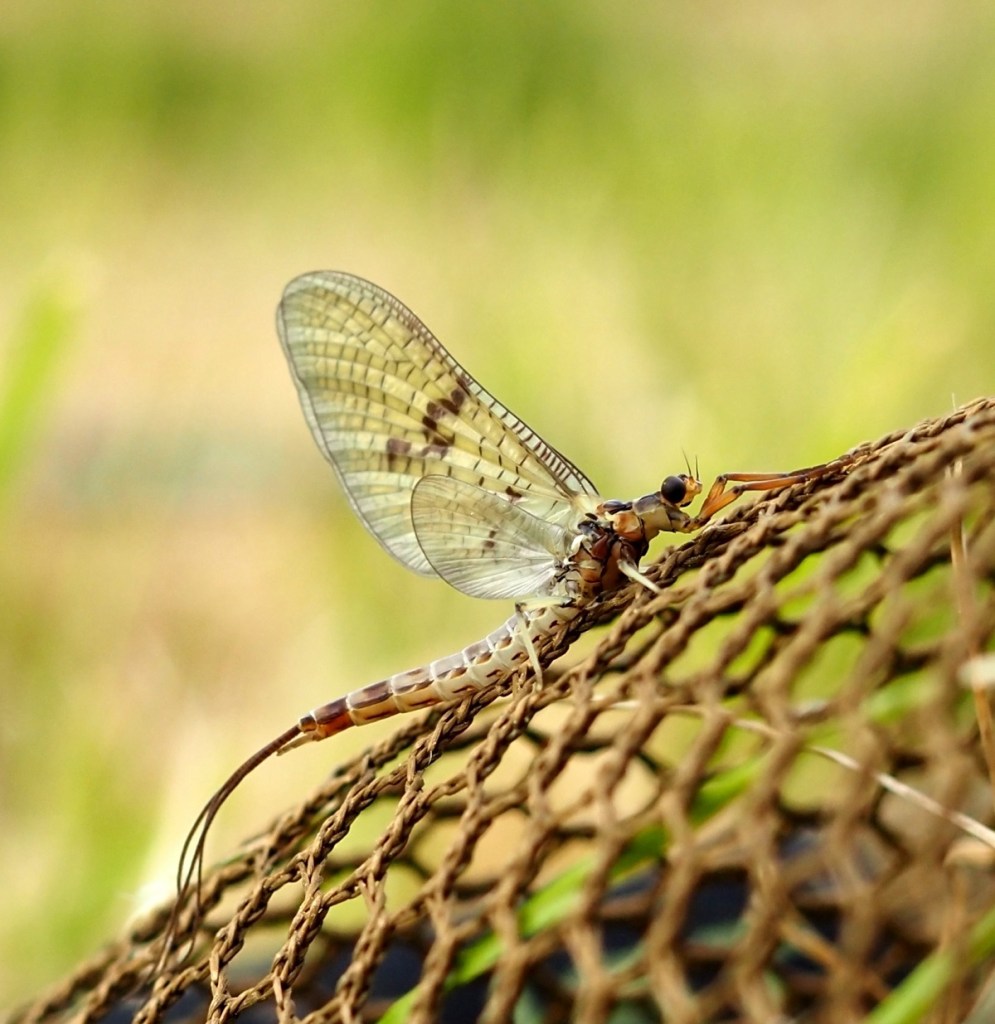
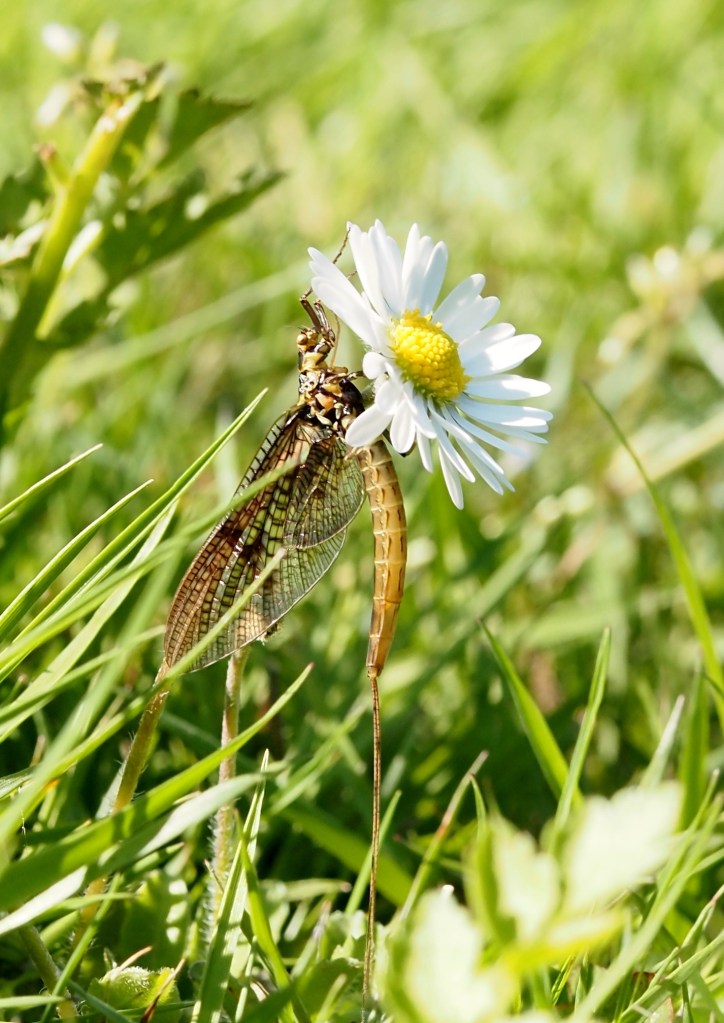
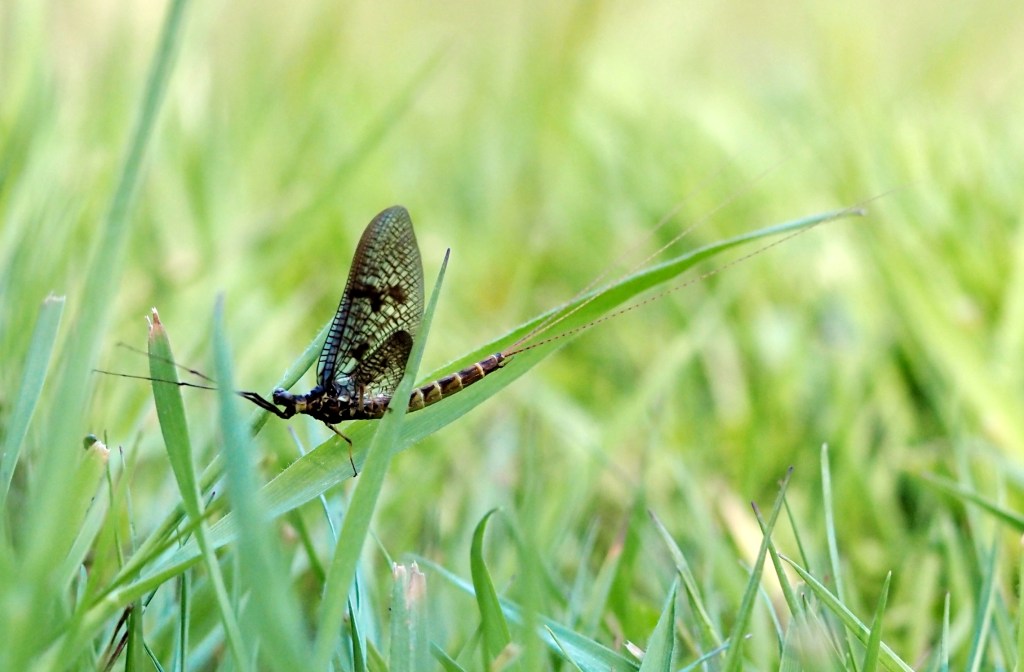
I returned to the lake and spent an hour chasing mayfly in the grass and spent flies on the surface of the water near the bank. If I kept still, the columns of spinners rising and falling, didn’t seem to mind my intrusion.

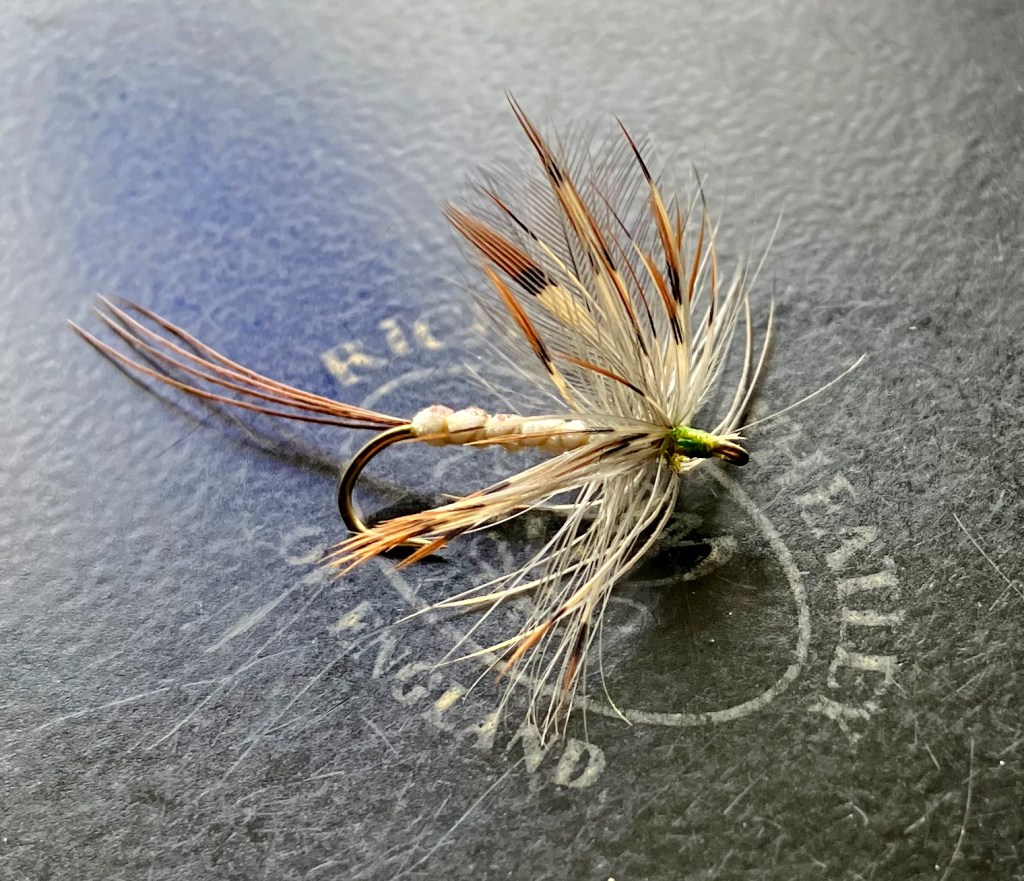
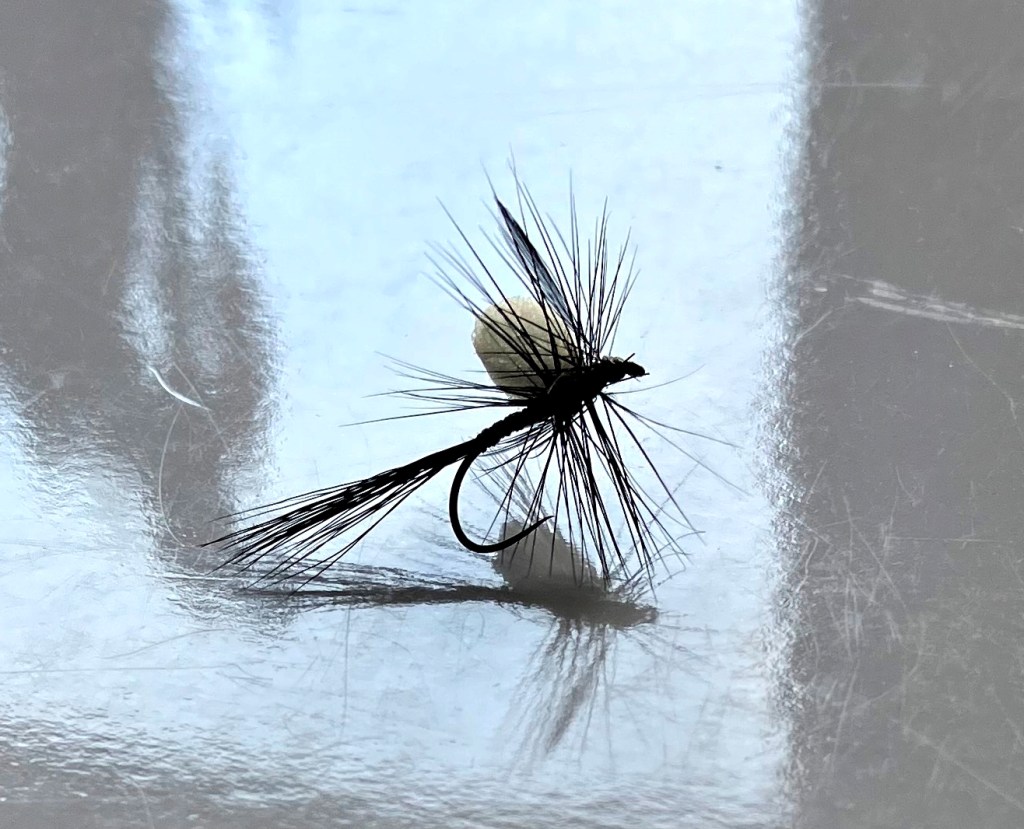
From a high vantage point I saw a cruising fish, dropped the French Partridge Mayfly just ahead of the trout and lifted gently as it rolled over and gulped down the fly. It was a good fish, about 2lb 8oz and unmarked. I revived it in the net and watched as it slipped away, back into the cool water. Job done. I spent another hour wandering around hunting for insects in the grass before a leisurely drive home. It had been hard work but very enjoyable.

14 May – Little Bognor and Luffs

I had a plan. Catch a few brown trout at Little Bognor in the afternoon and a big rainbow from Luffs in the evening.

It was a late start, partly because most of Sussex seemed to be queuing for the bottled water being distributed from giant articulated lorries in a car park at Billingshurst. Southern Water had failed again !

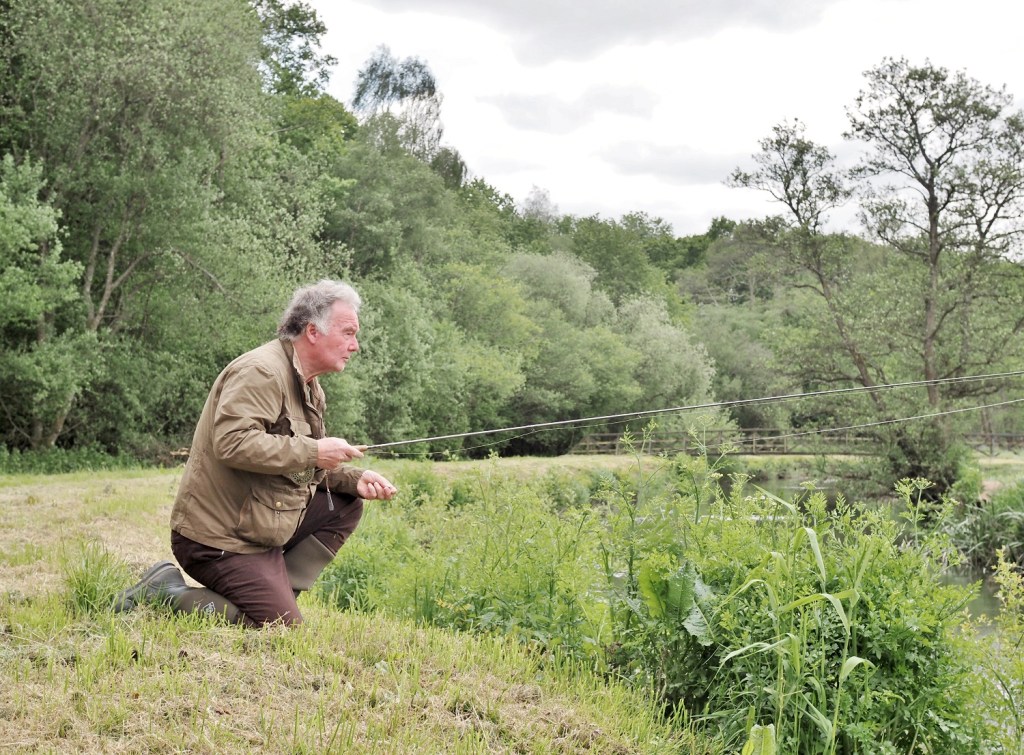
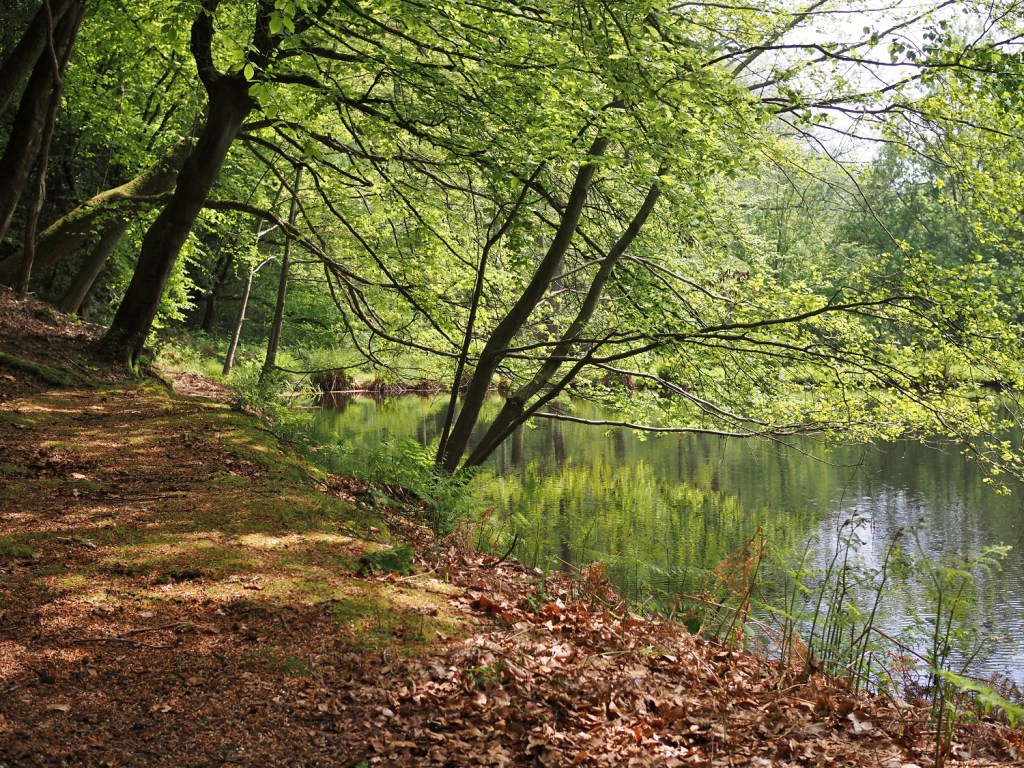
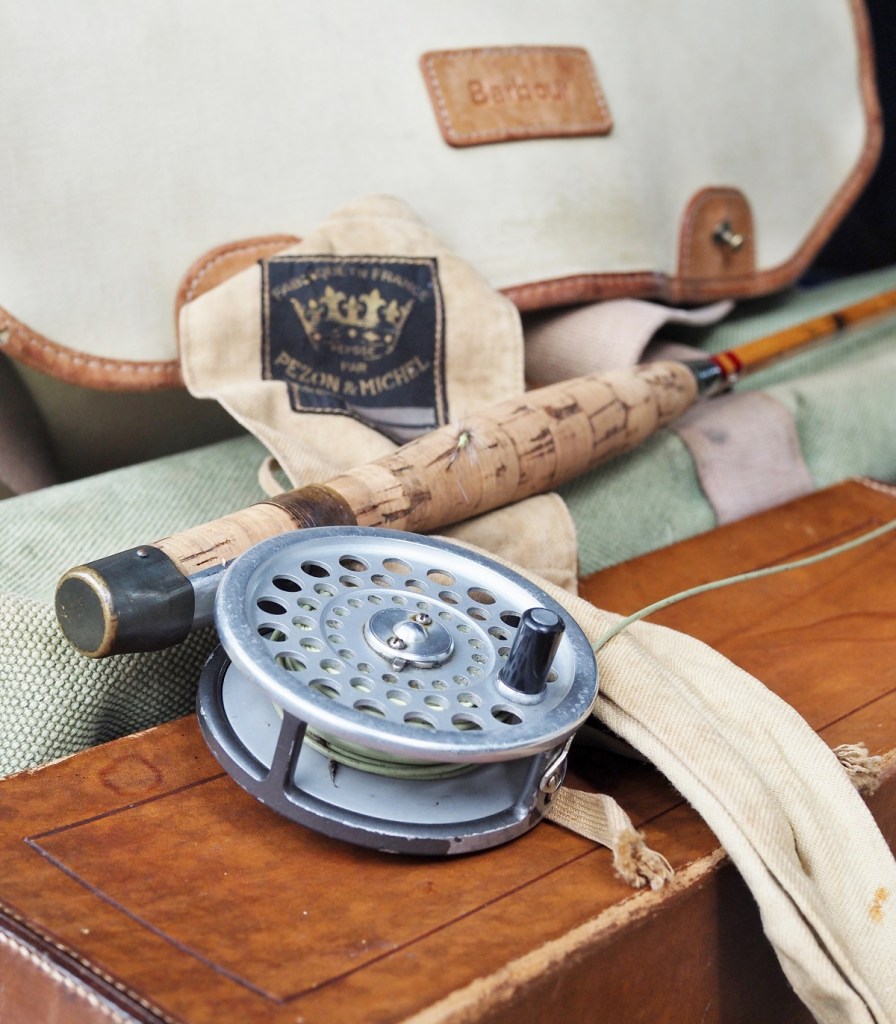
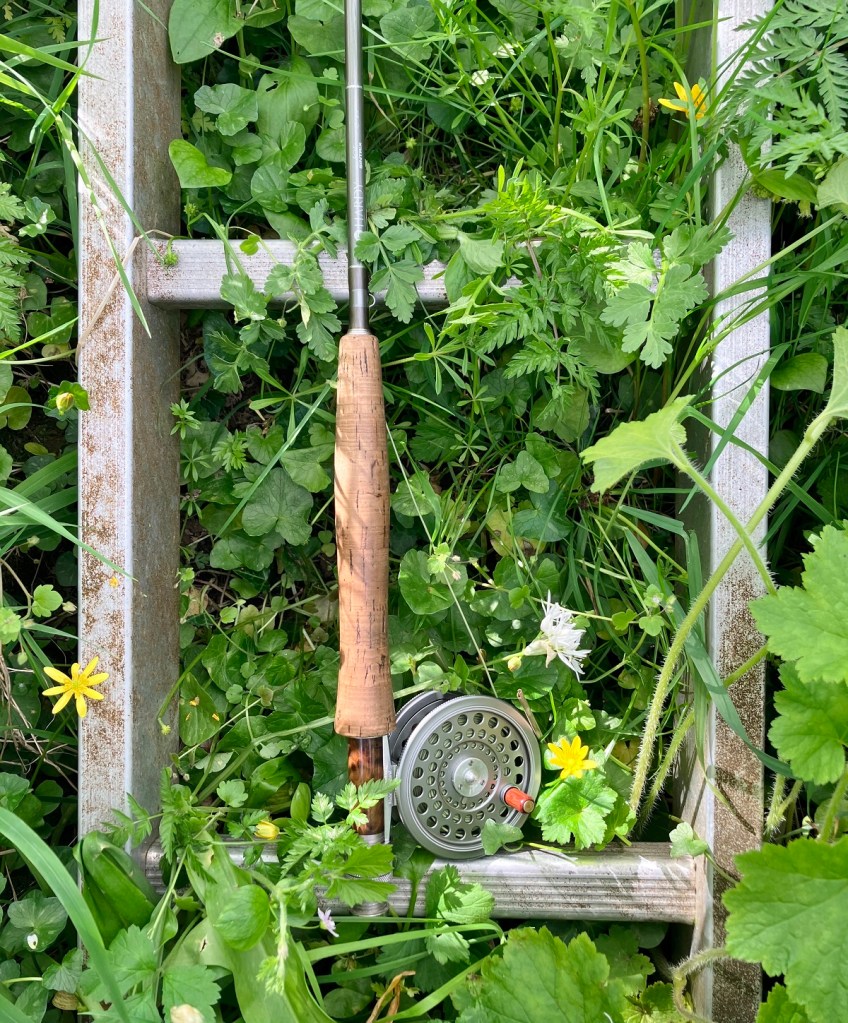
After a detour, I arrived at Little Bognor to find my special place under the beech and chestnut trees. There is no need to cast far and I set up the Pezon et Michel. The rod suits margin fishing as the load in the tip produces a nice action with only a few yards of fly line extended.

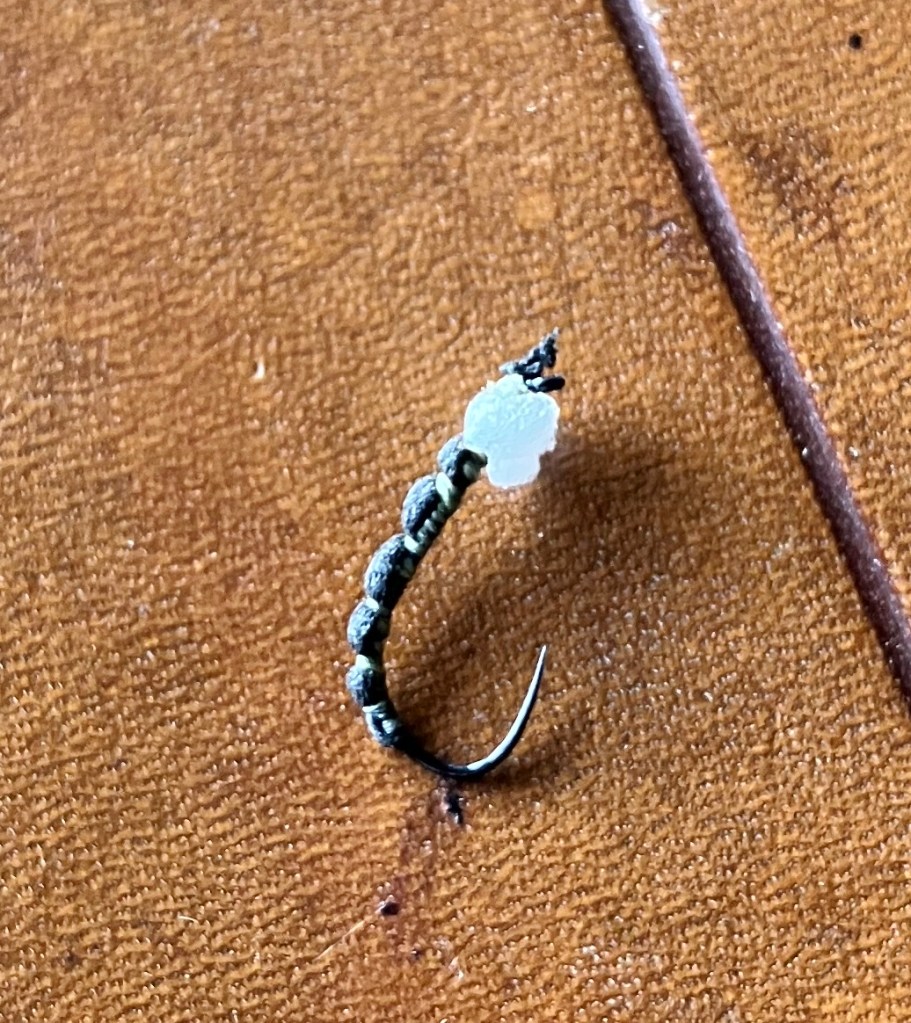
I crept along the bank keeping low and well back from the water. Several good trout were cruising the margins in plain sight. I sat on the moss and flicked the fly out a couple of rod lengths. I watched the buzzer sinking and before it had dropped out of sight, a trout cruised up to it, opened its mouth and turned away. I lifted gently and allowed the fly line to peel of the reel, keeping a check on the rim. The fish found the back of the net and was released further along the bank.

A few casts later I saw a shadow move past, I lifted the rod to induce a take and saw another good fish roll, deep down. It took nearly all the fly line in its first run across the lake. I landed the trout, released it and returned to my comfy seat on the mound of moss.

After the third trout things quietened down. The fish had moved further under the trees to my left and were feeding on midges and alder flies. I crawled along to the steps and roll cast the buzzer into the margins from my hand. A trick that works well under tree cover. A small trout took the fly under the trailing leaves about ten feet from me. It wriggled off the hook and the group of fish went down. Time for a change of scene.

I had lunch at Little Springs, a nice sandwich, tea and biscuits, before setting up my rod at Luffs. The wind had swung round to the west and it was warmer than yesterday, 19 degrees. Fish were rising everywhere but I had information that the main groups of trout were in the corner of the dam and also at the north end of the lake cruising the weed beds.

I had the lake to myself. It was a warm May afternoon, a weekend and the mayfly were rising. It doesn’t get any better. Where were people, perhaps they were watching football ?

I started just up from the dam on the south side and had a good rainbow first cast on a mayfly. I’d cast to a rising fish which had taken the fly confidently. I fished every clearing up to the shallows where a group of fish were harassing the tadpoles in the marginal weed. I soon got fed up with the head wind and tangles in the Potamageton natans.

I fished a Black Gnat from the dam wall and lost two good fish at the net. They fought well and pinged off as I pressured them towards the landing net. I was not disappointed as it avoided unhooking them !

I scared a few other good fish by lifting too soon. My casting deteriorated as I became hot and tired. It was time to go. I drove back through lovely Sussex countryside, via Kirdford and Loxwood, avoiding the queues for water.

It had been a very successful weekend, everything had gone to plan. Next weekend is the club picnic and the river should finally be fishable.

Leconfield Weekend

6 May

I had been looking forward to the Coronation weekend. The fish would be rising for mayfly and the lakes would be deserted. The drive south to Petworth was relaxing, the overnight rain had rinsed the countryside and there was very little traffic. The South Downs were obscured by rain clouds but I was determined not to let the wet weather interfere with my plans.

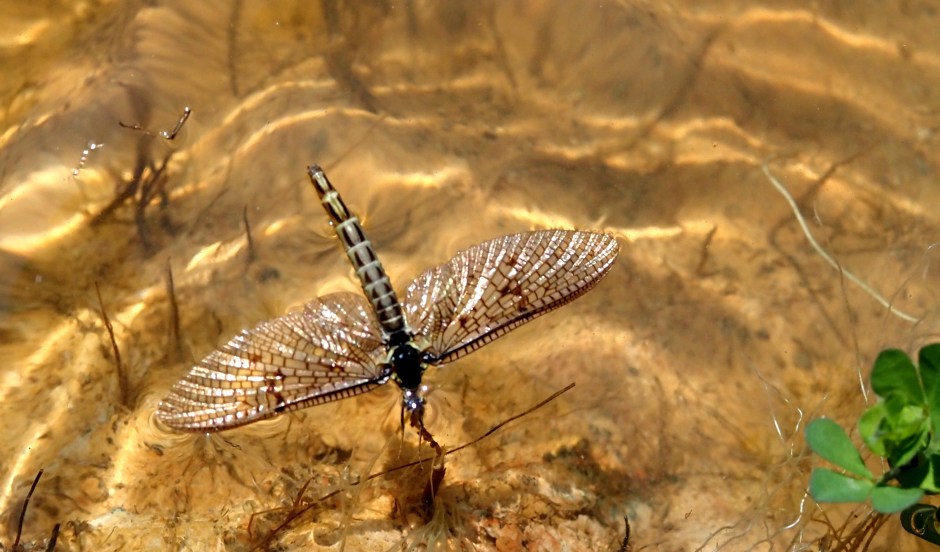
Mayfly were hatching in the margins and small birds sheltered in the trees surrounding the lakes waiting for the tasty morsels to appear. Not many of the mayfly survived for more than a few seconds. My plan was simple. Ignore the rain, catch a couple of trout using a dry fly and have a leisurely lunch. There was no Plan B.

I stood well back from the waters edge and flicked a series of mayflies to rising fish. The trout were surprisingly close to the bank, cruising beside the marginal weeds, looking for emerging nymphs. I retreated to the hut for a cup of tea and to examine my fly box for a realistic nymph imitation. My hands were cold and wet which made changing flies a bit of a challenge.

For twenty minutes I stood in the rain, casting at shadows and rising fish. A couple of trout swirled behind the nymph. I eventually hooked a good fish but it shook itself free after a brief struggle. Heavy rain forced me to retreat to the hut for another cup of tea. As I looked down at my fly box the water fell from the puddle in the crown of my hat. My jacket sleeves stuck to my arms and my hands were blue. More tea.

When I returned to the lake the fish were rising everywhere, some taking flies, others checking the windblown tree debris. The southwesterly wind funneled the mayfly, petals and trout into a bay on my left. I had a couple of good takes, which I missed, before hooking and landing a hard fighting rainbow. I celebrated with another visit to the hut.

The rain continued to soak through my jacket, saturating my shirt and trousers. I had plans for the following day which did not include hypothermia or pneumonia. On the way home I set hot air to blast from the dashboard. The weather forecast for the following day was good. I probably wouldn’t have the lakes to myself but at least I would be dry.

7 May

I retrieved my jacket from the airing cupboard and set off for Petworth. The roads were crowded. Weekend-only-supercars streamed north towards London, Ferrari and McLaren drivers frustrated by elderly lycra-maniacs wobbling about between pot holes.

There were several cars at the lakes but the early birds left soon after I had tackled up. The weather was perfect, a light breeze from the north, warm and overcast.

The trout were rising all over the lake and it was easier to see cruising fish without the constant rain dimpling the surface. I started with a mayfly nymph and adopted the same tactics as yesterday. Keep well back and cast to cruising or rising fish in the margins. The bright overcast gradually gave way to blue skies and weak sunshine but that did not put the fish off, they continued to take emerging nymphs. The tell-tale rolling swirl of the trout as the nymph was picked off just below the surface. Not the aggressive splashy rise of a fish rising for the adult fly.

I dropped the nymph in the vortex left by a trout on my right, it took without hesitation and I managed to land it despite some amateurish juggling with the net. The un-weighted long shank nymph was a reasonable imitation of an emerging mayfly, it hung vertically just below the surface like the natural insect. I waited for another cruising fish to pass and landed the nymph perfectly in it’s path. Trout number two was released from the landing net without being touched and swam off strongly.

I adjourned to the hut for a cup of tea and a chat. On returning to the water’s edge I chose to use the Pezon et Michel. It deserved an outing and the unhurried manner of it’s flexing suited the occasion. It would force me to present a nymph with delicacy and grace, it would not be hurried into rapid fire.

The mayfly hatch had been enhanced by alder and hawthorn flies but the trout were locked onto emerging mayfly nymphs. I dropped the nymph ahead of a good fish which surged towards the fly and grabbed it. It came off as I reached for the landing net. Nevermind, it’s the take that counts.

The sunlight intensified and in the dust free atmosphere, burnt down on the feeding trout. They retired to deeper water and the rise petered out. It had been two days of contrasting weather that seemed to have little impact on the trout. They fed well during both days of the Coronation weekend.

The Rother had been bank high and coloured since the start of the season. With rain forecast for most of next week, it would be at least two weeks before I could explore my favourite pools. Next time, big brownies at Little Bognor.

2 May – River Tamar

All morning I battled with three tech companies’ help desks, a completely inappropriate term, over software complex enough to baffle NASA scientists. By lunch time I’d lost the will to live. There was only one solution, go fishing.

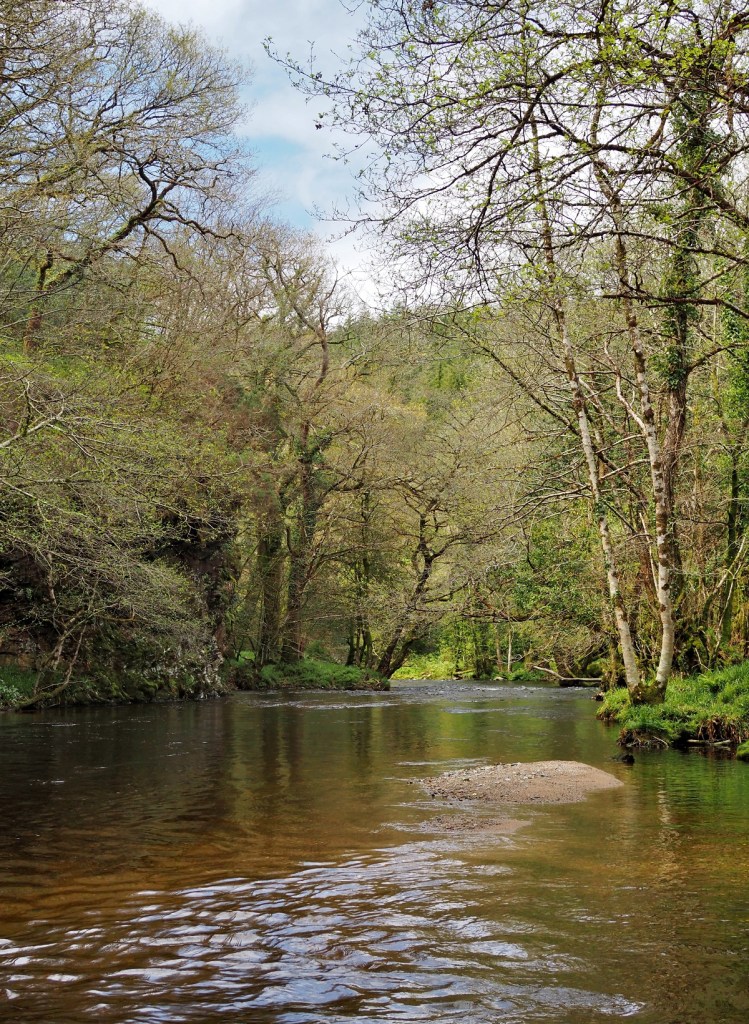
The Defender rattled and smoked a bit. It cheered me up, old engineering beats high tech every time. I chose to cross the border into Cornwall. The drive towards the Tamar Valley in bright sunshine, past woodland carpeted with bluebells, made me smile. It was a gorgeous Spring day and I was looking forwards to a relaxing walk along the river. The fields were lush, the grass calf high, liberally dotted with flowers. The cows and their new offspring were grazing in the adjacent field. The river level was slightly up and the water had a green-brown tint. The scene was set for a perfect afternoon.

As I walked upstream to the first of the salmon croys, I saw a mayfly rise from the shallows and flutter upstream. The first I had seen since last May. It was a good sign which boosted my confidence. A dead tree, washed away by the recent spates, had anchored itself to the bottom of the ladder and my access to the pool was blocked. Nevermind. I walked to the top of the Beat and climbed down the Ladder of Death onto the rocks. The masonry had been rearranged during the winter and I found a comfortable seat on a large rock with a slightly dished top. Perfect.

I flicked the Red Tag into the back eddy only ten yards away, preparing to cast across the riffle. It was immediately seized by a trout which battled beyond its size in the faster water. I was more surprised than the fish which was in perfect condition and swam away upstream into the glide. My first trout of the season.

I covered the rest of the riffle and the bubble line, far down the pool but only had a tentative nip which was probably a grayling. I saw a rise upstream but ignored it. It was way out of range, near the far bank, across fast water. Another rise about ten yards upstream, close to my bank, signalled the start of a feeding spree. The fish were taking Hawthorn flies but during a frantic hour of casting and changing flies, they rejected my offerings and eventually went down when the upstream wind eased.

I waited, sitting on the rock, resting the fish but the rise was over. My way back to the Defender was blocked by a large group of cows and their calves drinking in the stream. I confidently shooed them back into their field until I saw an evil looking bull in their midst. I retraced my steps and waited patiently until they had watered and wandered off.

That small wild trout and the feeding spree, signalled the start of the performance, my previous trips had been dress rehearsals. Next weekend I hope to be chasing mayflies and big brownies.

28 April – River Plym

The first May Bank Holiday would bring hordes of walkers, cyclists and campers. I decided to take advantage of a brief lull in the rain and visit the river. A peaceful walk beside a Dartmoor river with a fly rod would balance the onslaught of Lycra maniacs, disposable barbeques and litter.

The warm north west wind and sparse cloud cover prompted a hatch of olives and I kept an eye on the water as I threaded the fly line through the rod rings. I started with a few upstream casts on a broad riffle with several deep channels in the bed rock. Just to get in the zone and straighten the fly line. After retrieving my fly from a hazel tree, I moved upstream to the first big pool.

The water had a peaty tint and a nice flow, the level was slightly above normal. I explored the sandy margins of a back eddy with an extra heavy GRHE nymph expecting a take at any second. I extended the cast and ran the fly down the bubble line and then through the depths of the fast water along the far bank. Nothing.

I had imagined the woodland covered with bluebells and wild garlic. I found a solitary patch of garlic. The bluebells were sparse, held back by the shade of the trees and cold weather during April. They would be at their best in a couple of weeks.

I walked slowly upstream, scanning the depths for any movement. I paused on a shingle beach and cast upstream, allowing the nymph to trundle down through a small pool next to the sheer rock face along the opposite bank. I saw a dipper and heard a kingfisher but the trout were absent.

I reached the middle of the Beat where in previous seasons, I had seen both fish and mayflies. I sat behind cover and concentrated on covering the entire pool and run out. There were no footprints or paw prints in the sand, similarly no trout were at home.

I walked back downstream and reworked the big pool. I lost concentration and had to rescue my favourite nymph from a tree. Time to go. It had been a lovely, relaxing walk without the distractions of the real world.

7 April – River Tavy

Good Friday, sunny and in the middle of the school holidays. Nevertheless, I couldn’t keep away from the river. The river looked perfect and I expected to catch.

The top of the Beat, above the dead tree, failed to produce a trout but I was content to sit in the sun and watch the river. Olives were hatching everywhere and a crow hassled a buzzard above the tree tops.

The middle of the Beat was occupied by several families sitting on the short grass with a picnic. The young children were perfectly behaved until I started to explore a long pool. Then the rock throwing started.

I unlocked the gate at the lower part of the Beat and looked for the bronze plaque on the Major’s rock. As usual, I couldn’t find the memorial. There were no intruders. The pool was wide, deep and flowing evenly but it also failed to produce a take. I was hot and tired, it was time to retrace my steps.

The drive out of the valley was interesting, The Defender rattled and banged it’s way up the rocky track and delivered me safely back on tarmac. A wonderful morning beside the river.