26 June – River Tavy

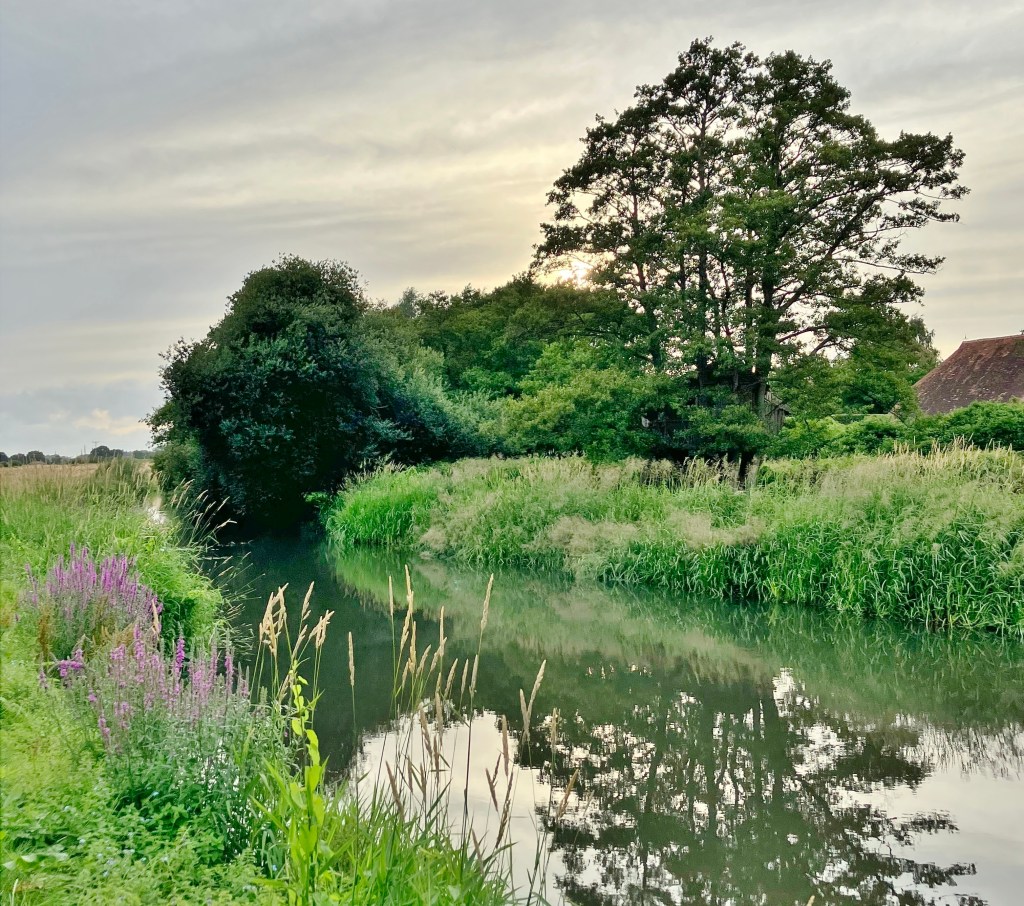
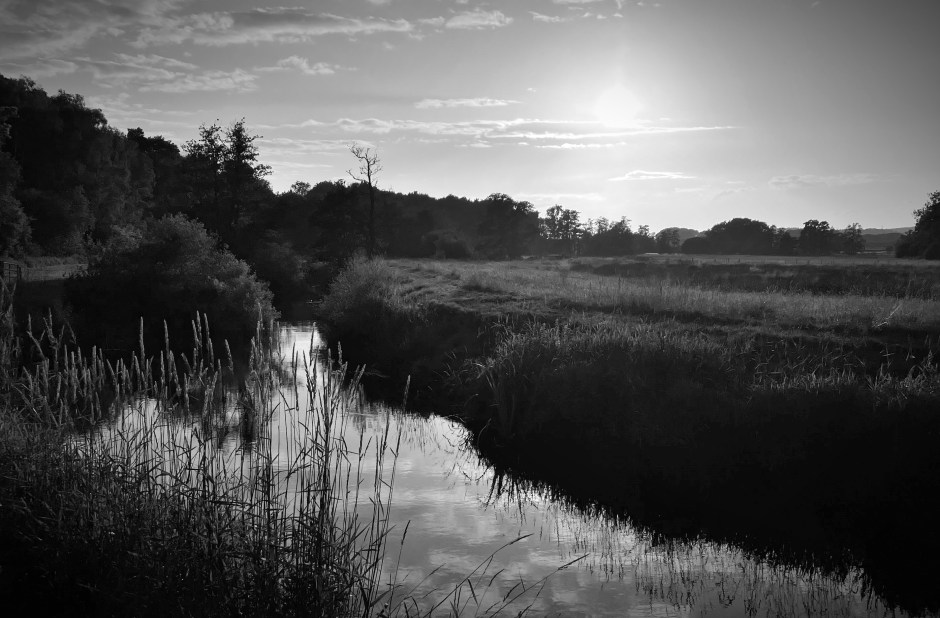
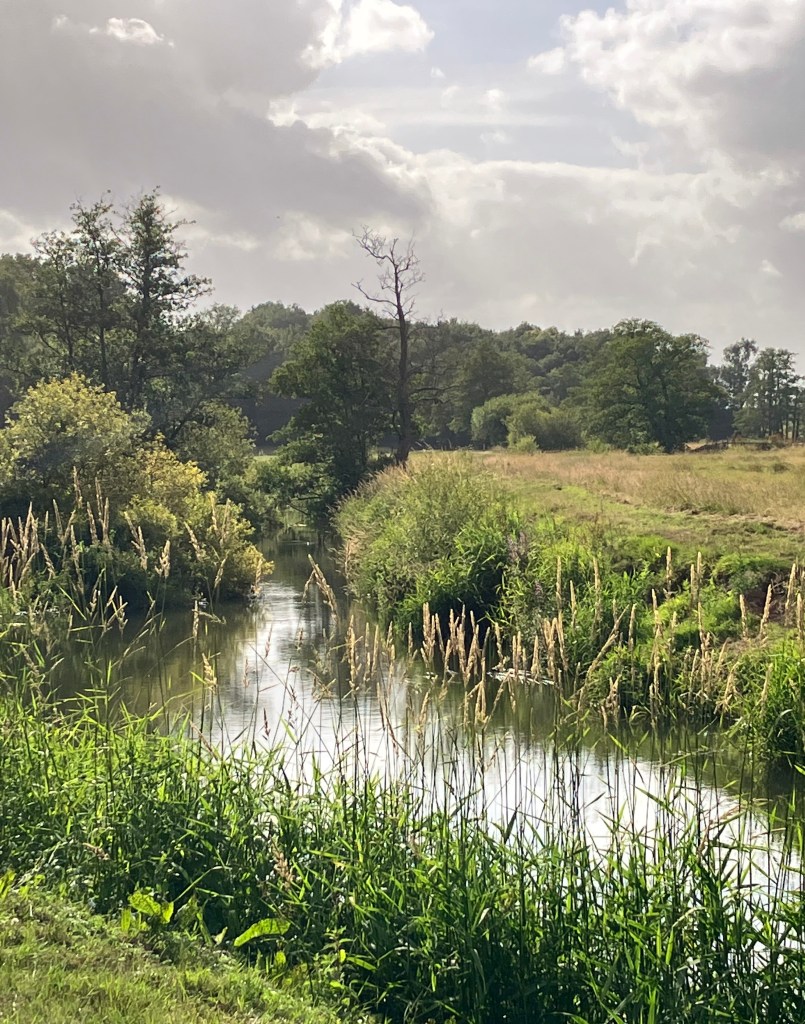
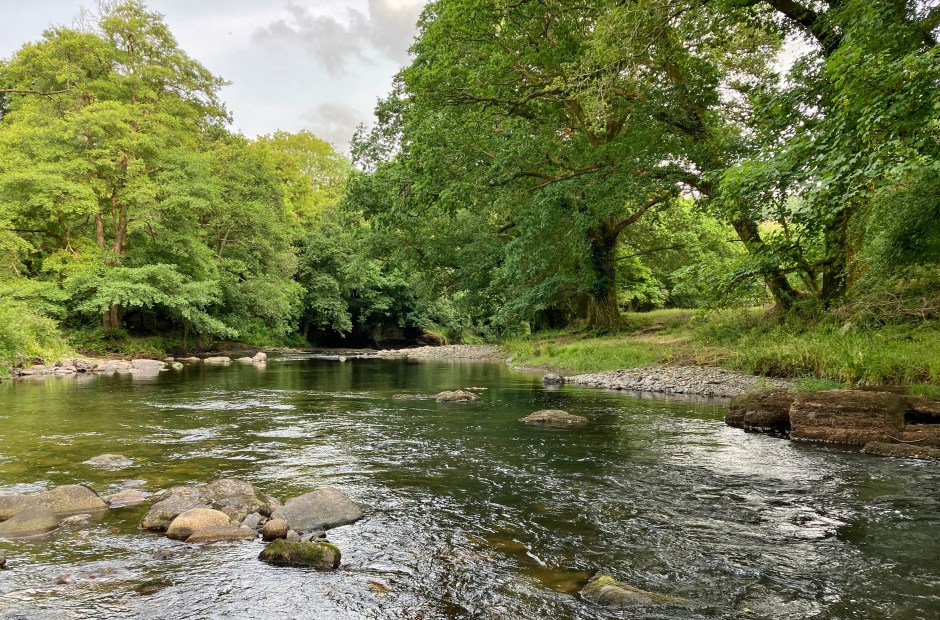
The heatwave had ended, it was overcast and still. The river was calling me. I decided to explore the upper reaches of a Beat on the Tavy, a part of the river I had not fished before. It would be good to find new pools and riffles.

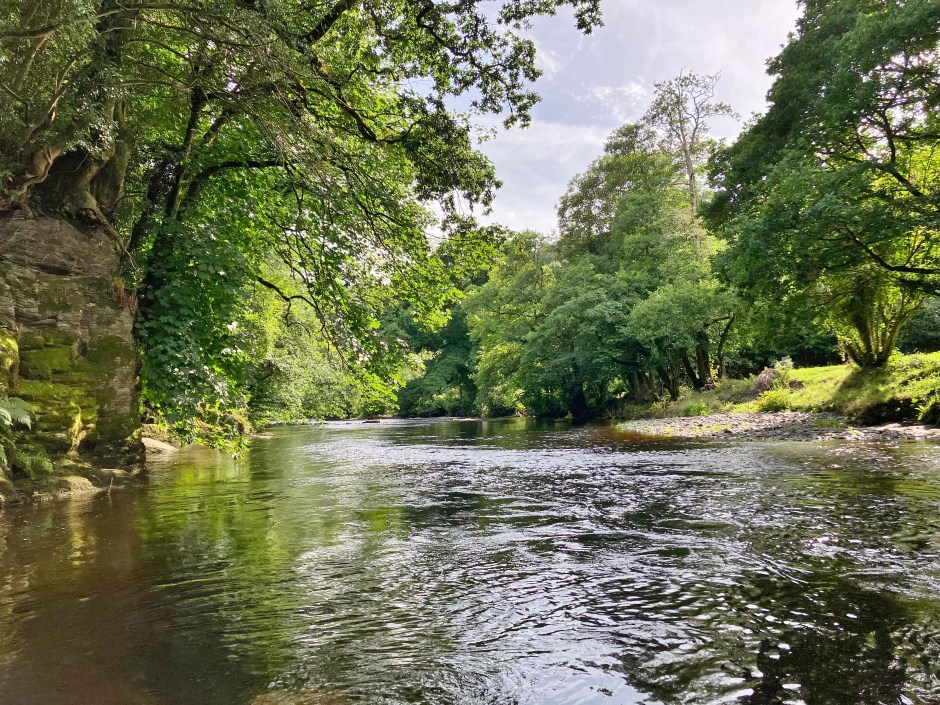
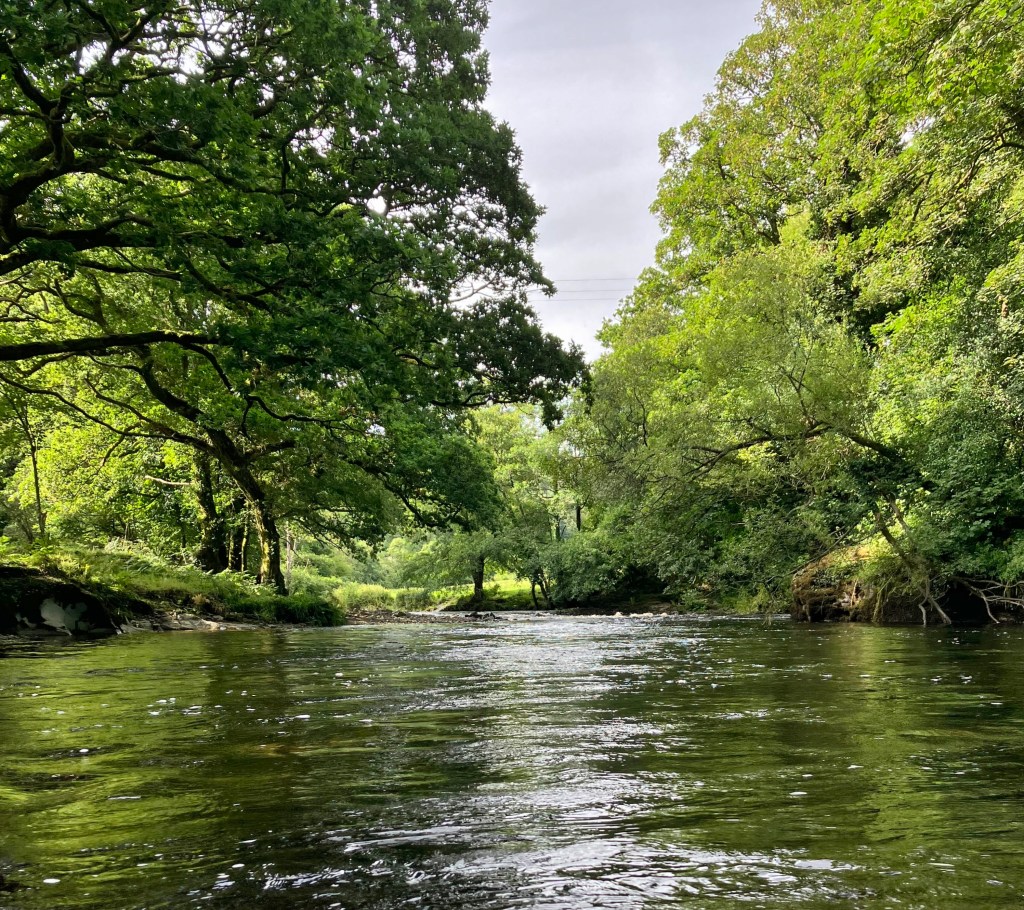
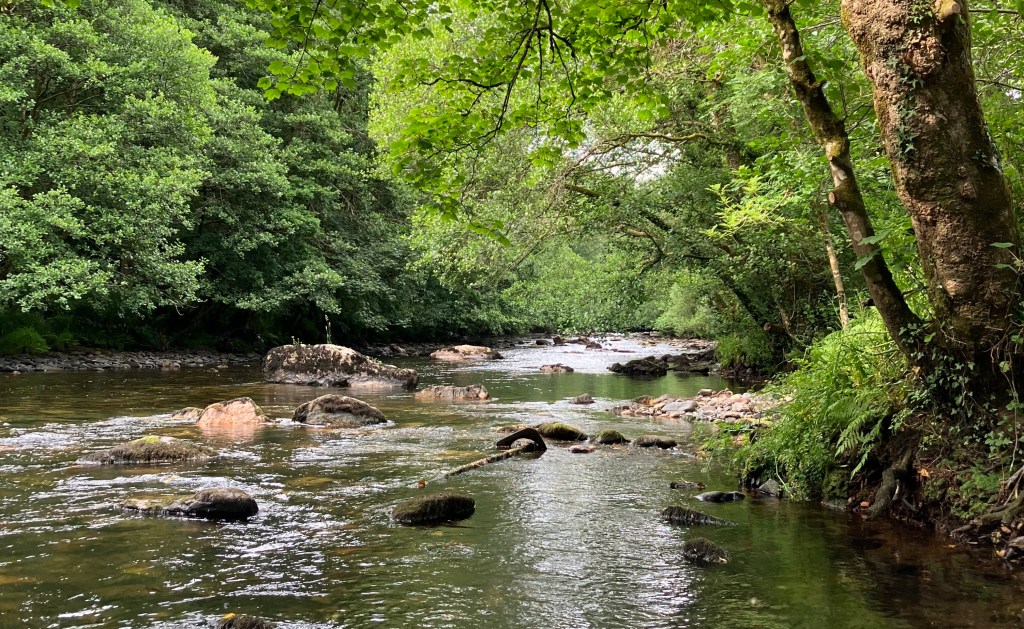
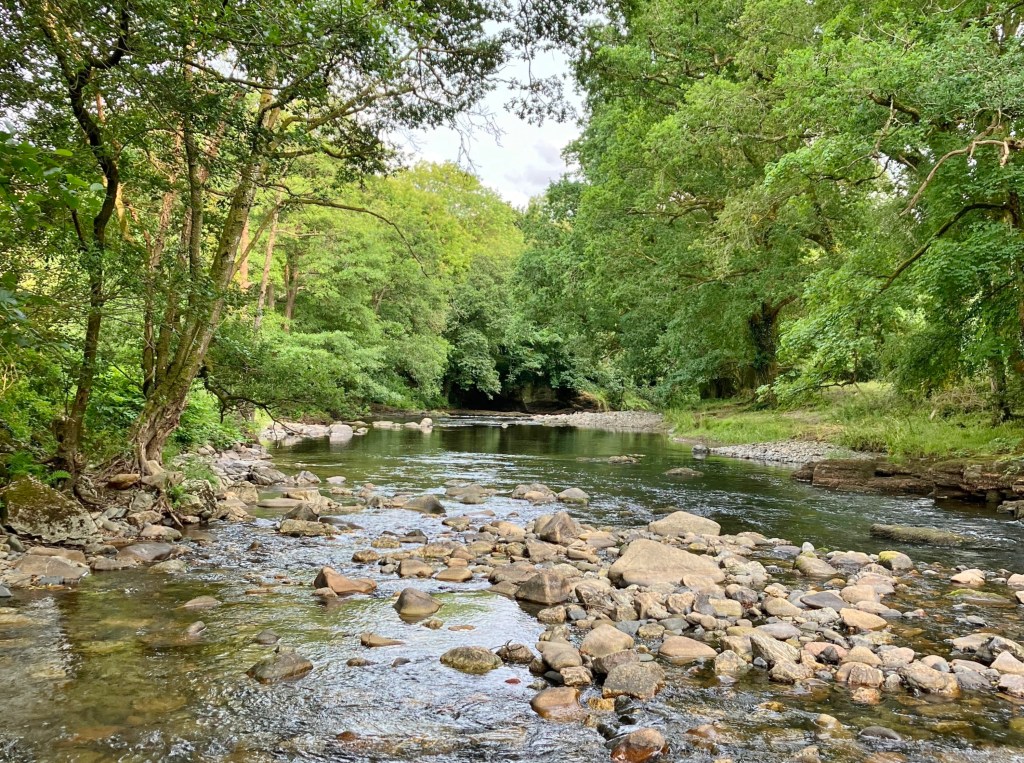
I chose the path leading upstream and wandered to the top of the Beat. The deep river valley was alive with the sound of moving water and the air was filled with flying insects, too many species to aid my choice of fly. Huge rocks diverted the current forming back eddies and glides. I should have explored that part of the Beat years ago.

The water was fast and deep, the trout were not rising. I decided to work a nymph around the rocks and down the glides. I immediately had a take and connected but the fish shook itself free. That was a good start, my confidence was high. The short casts unrolled nicely and I constantly mended the line to keep in touch with the fly. Moving downstream, carefully covering all the likely places, I failed to find another fish. The casts became erratic and I snagged a few trees. My confidence dwindled.

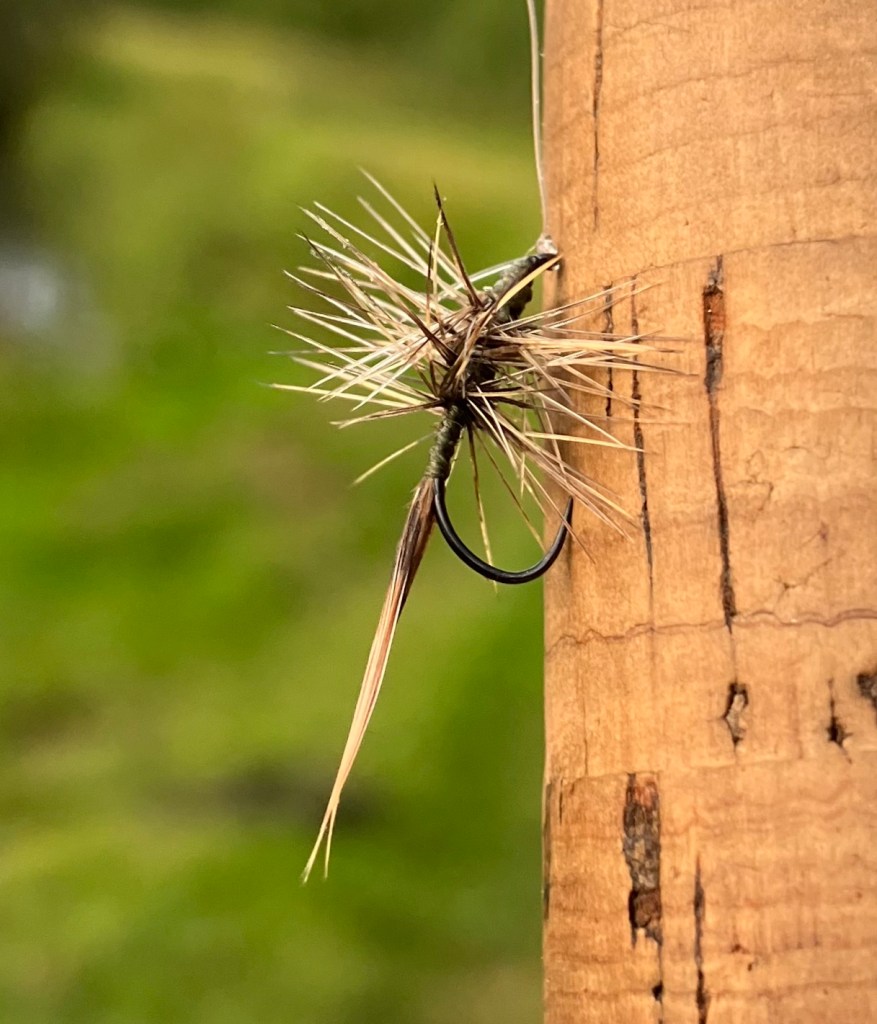
I saw a fish rise in the fast water above a deep run. It was the confident rise of a feeding trout. I botched the first cast and sent the parachute Adams skating over the fish. Frustrated, I lifted the line and backcast into an overhanging tree.

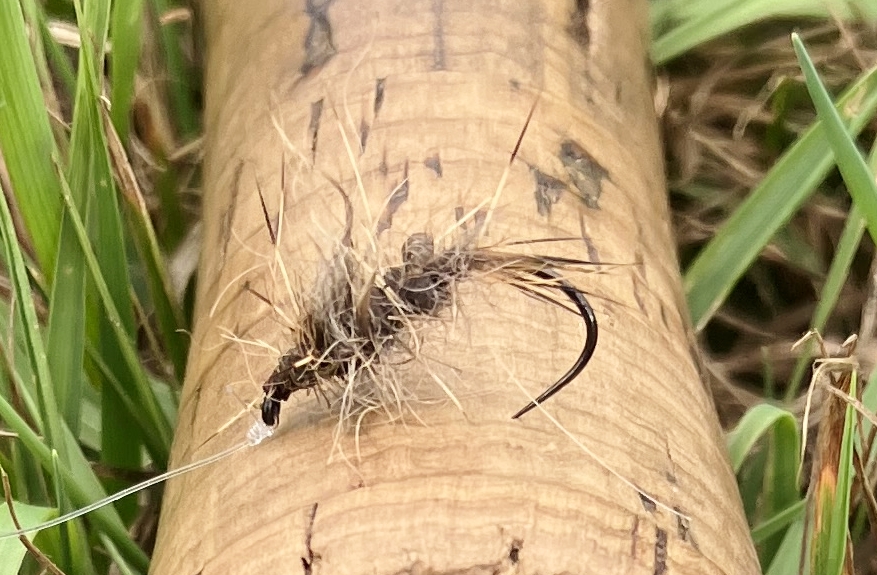
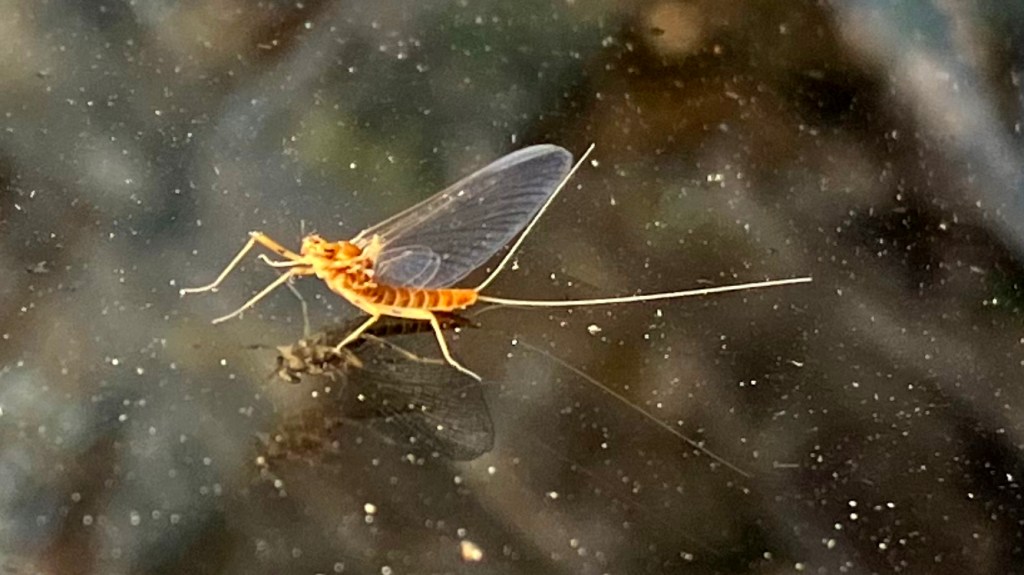
Pale watery female dun

I was torn between a dry fly or nymph. My instinct was to persevere with the nymph. I made my way slowly downstream, keeping low, trying not to kick the rocks.

I eventually reached the end of the path and decided to return to the cottage for a glass of wine. I should have fished late into the evening when the fading light would have encouraged the trout to rise. Next time.

19 June – River Walkham

The River Walkham flows through the village, it is my home river. I watch the trout in the pool below the ancient bridge most days. They are friends, not to be caught. They quickly grow fat on the constant stream of nymphs stirred up by the children swimming in the weir pool.

Heavy rain was forecast, it was time to walk beside the river before the water level rose. I wanted shelter from the sun, a relaxing walk and silence. The deep, wooded valley behind locked gates fitted the bill perfectly.

I wandered down the gently sloping path beneath mature oaks, stepping over wayward brambles and ferns. The tyre ruts were overgrown and there were no footprints or paw prints in the damp mud. The woodland hadn’t been disturbed for weeks.

I saw a trout rise in the pool just above the fish pass and managed to scare it away with a clumsy cast. The nymph caught on a rock. I calmed down and switched tactics. The water was too shallow for a nymph, a parachute midge on a 2lb tippet was a better option.

I hid behind a tree and waited for a trout to rise. A roll cast from the hand dropped the fly ahead of a fish which came off after a few seconds. That was progress. To my surprise the fish returned to it’s station and continued to rise ! It refused my fly and I moved upstream, hoping to catch it on my return journey.

I crept through the undergrowth and climbed down a rocky bank. Crouching beside the water was awkward but I managed to flick the fly across the river at the top of a glide. A trout grabbed the fly immediately and was safely released without handling. I’ve always had success in that pool.

On my return journey I cast to several rising fish but they melted away and reappeared further downstream. The fish in the pool above the fish pass was not impressed by my casting.

It had been a lovely evening, two hours slowly wandering through the woods with a rod. Back at the cottage I sat in the garden with a glass of wine until the sun dipped below the trees. A perfect day.

12 June – Abbey

The morning was very hot and humid. The gentle breeze, from the north west, barely stirred the tree tops. What an odd direction for a warm wind !

I wanted to fish a stretch of river with plenty of shade. I hadn’t visited the Abbey Beat for a while and felt that it deserved my attention. I hoped that after a hot sunny weekend, wild swimmers and dog walkers would stay away from the river.

Late in the afternoon as I walked down the track the woodland kept me cool but the horse flies ambushed me from the underside of the leaves. I had foreseen this. A long sleeved shirt and plenty of repellant kept them at bay.

The river looked perfect, clear and flowing well. The level was higher than I had imagined and partly filled my wellies as I paddled across a riffle to the true right hand bank.

I walked upstream and found a pool below a wide beach of multi-coloured granite stones. I crept forward and sat on a flat rock, flicking the nymph into the margins before working my side of the bubble line. As I watched the tip of the line, it slowed and dipped, a barely noticeable take. The trout came off near the bank which made me smile. Could I regard the little fish as ‘caught’ ? Probably not.

I moved downstream to fish a long pool with deep water along the far bank and overhanging trees, a perfect place for a trout. I had a take but the rattle on the rod tip failed to transform into a bend. As I walked downstream to exit the pool, the water came up to my thighs. I paused by a fallen tree to empty my boots and to dangle the nymph into a deep, rock strewn pool.

I squelched further downstream to a glide under trees and fished hard against the rock wall along the far bank. The nymph curled under the overhanging trees and was taken firmly. I connected and released the trout which swam away and settled on a sandy patch, completely invisible.

The water was chilly, the pools were a good depth and there was plenty of water for fish to run upstream. I will explore the Abbey Beat more often.

6 June – River Tavy

I had been waiting all day for the car to be fixed. The new brake discs and pads cost almost as much as a Sage LL but I was finally free to fish the evening rise. A relaxing walk by the river was in order. I took Southwell IV and left the carbon fibre in the cottage. The pristine rod, about 60 years old, would ensure that I fished slowly and didn’t fire any fast, low shots at rising fish. Carefully taking the rod from its canvas bag cheered me up.

As I approached the river a buzzard dropped from the bough of an ancient oak and flapped away upstream, I also disturbed a goosander. The water temperature was 15 degrees and the level was perfect. A dipper whizzed downstream and wagtails perched on most of the mid-stream rocks snapping up olives and midges. The air was thick with flies. A lone mayfly fluttered into the beak of a wagtail, it’s adult life span had been about ten seconds. A yellow may made it past the birds into the trees. Spinners dipped into the water to lay eggs, occasionally crash landing.

I walked to the top of the Beat and concentrated on running a GRHE nymph down the bubble line and across into the near bank shallows. With each cast I was convinced that I would get a take. Starting with a nymph had become a habit, a ritual. There was no logic involved, it just felt right despite all the rising trout.

The fish continually rising in the flat water at the tail of the pool finally convinced me to change tactics. I chose a size 16 imitation of a midge and after several casts, just before drag set in, the trout rolled over the dry fly. Hooked, jumped and lost. It looked like a sea trout. I wished it well on its journey upstream and decided to stick with the dry fly for the rest of the evening.

I ignored the fast water and moved downstream looking for glides and flats with rising fish. I found a nice glide with several fish rising near the far bank below a rock. They were dashing about in the bubble line competing for emergers, a sure sign of an easy take. I missed the first take, rested the fish for a few minutes and missed the second.

I walked slowly down to the big pool under the oak tree and sat on a pier of rock waiting for signs of rising trout. All the rocks were daubed with white guano, a sign that the fish had been eaten by goosanders. I rose another trout in the glide below the rock but didn’t connect.

During my walk back upstream an olive spinner landed on my insect repellant soaked hat and waited for me to adjust the camera. The fumes must have anaesthetised it. The spinner posed nicely and then flew away. Later at the cottage, I tried to identify the species from a reference book but after a couple of glasses of wine they all looked the same.

21 May – River Rother

On Saturday the family went to the club lakeside BBQ and had a great time chasing trout with a mayfly. Three boys learnt to cast and a team effort produced one trout. We missed lots of takes and a good fish rolled off the hook as it approached the net. The food was yummy, particularly the chocolate cake.

A strong, warm wind from the north, left to right, helped roll the fly line far enough to reach cruising trout. The fish were taking emerging mayfly and checking out the debris from the alder and willow trees. The fish were easy to see in the bright sunlight.

On Sunday I made my first visit to the river, the water level was a few inches higher than normal and the slight colour kept the fish from rising. I didn’t see a fish rise all afternoon and persisted with deep sunk nymphs.

I started prospecting with a nymph in the first pool, under the alder tree. The winter floods had collapsed the bank and washed away some of the overhanging branches. I eased myself into a routine running the nymph down the far bank, under the tree, across the current and up the near margin. A big boil behind the fly was encouraging but despite a change of fly I couldn’t convince the fish to take. It may have been following the fly but the colour in the water prevented me from seeing anything.

I wandered downstream to another overhanging alder tree, stopping occasionally to watch the water and check out the changes to the pools. The pool under the tree had been enlarged and the water flowed along the far bank before swirling around and backing up under the tree. It looked good and I spent a while dragging the nymph around the river bed. Along that stretch of river the sandy banks had split depositing more silt. Each year the Rother matures, the river widens and slows. The new riffle, built a few years ago with hundreds of tons of gravel, was sure to hold a trout or two.

The deep fast water down the centre of the riffle required a good mend to the fly line immediately it landed. Patches of gravel were just visible, possibly cleaned by spawning chub. There was no silt and the marginal weeds were just under the surface. I ran the GRHE nymph down the far bank and across the deeper water before twitching the fly back towards me beside the weeds. I moved a few steps after each cast.

Half way down the riffle I had a take in the shallow water along the far bank. I immediately knew it was a wild fish, it had no bulk. To my surprise it zoomed off down the riffle, stopping in midstream about twenty yards away. I coaxed it back into quiet water but it went on another long run. I wondered if it had been seized by a small pike ! It fought well above it’s weight of about 1lb. It was a very silver fish and when I first saw it I thought it might be an escaped rainbow. It was too big for a sea trout smolt. It was a very strong fish which bolted from the landing net as soon as I dipped the rim.

I walked back to the car and rested. After a sausage roll and a drink I was ready to explore another Beat. The wind had dropped a bit and the sky was overcast. Mayflies were hatching along the entire Beat but there were no signs of fish.

I walked up to the sandy pool and and used the same tactics. Nothing responded. The trees around the old riffle had been thinned out on the north bank. I couldn’t find a fish in the glide above the riffle and slowly made my way back downstream.

It was good to get my first trout from the Rother this season, a pristine wild trout. I’ll be back in June.