30 September – Last Day, Last Cast

Saturday 30 September, the last day of the Devon trout season. I had returned to Devon after chasing big trout in Sussex. I wanted to fish on the last day of the Devon season, irrespective of conditions. Storm Agnes, the UK’s first big autumn storm, fizzled out mid-week and left the river levels up slightly. The morning was bright and breezy so I waited until early afternoon. The sky became overcast and rain was forecast for the evening. Conditions were perfect.

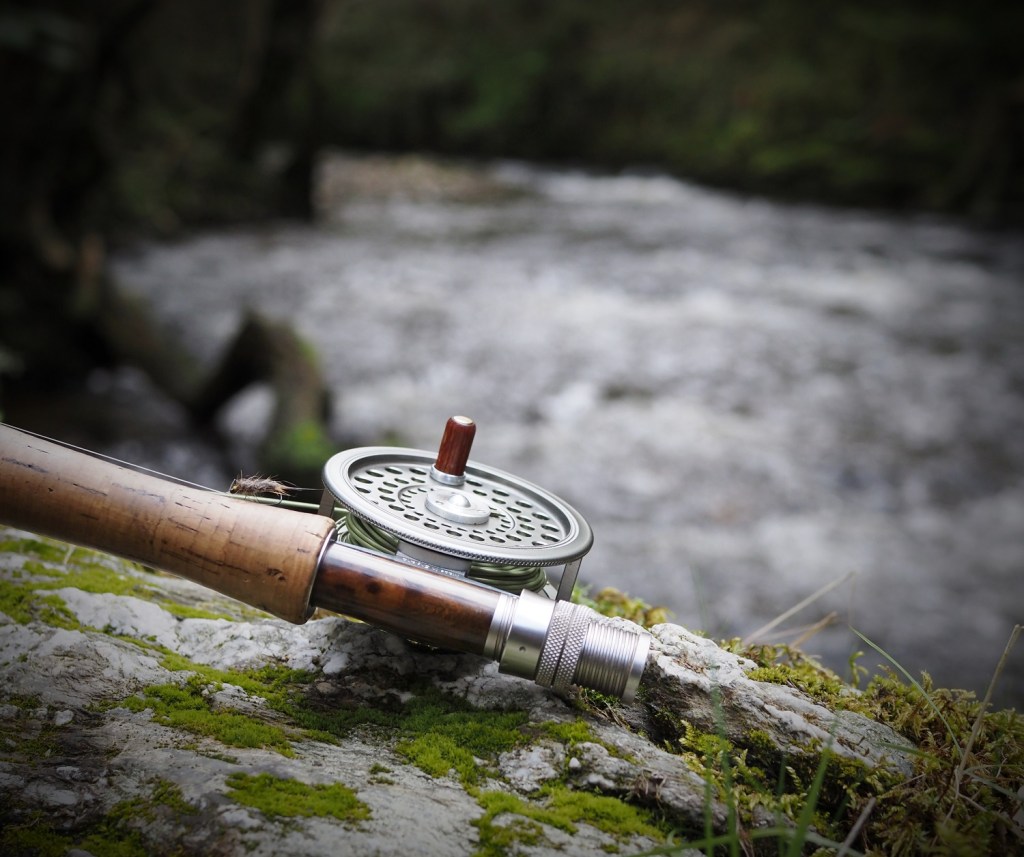
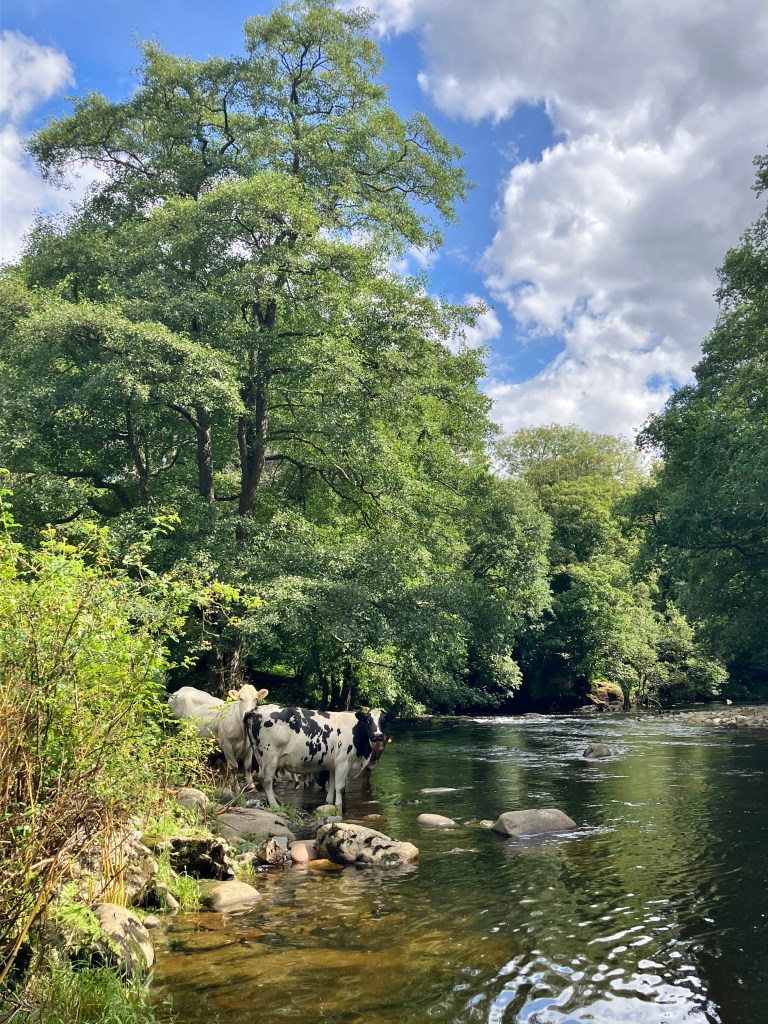
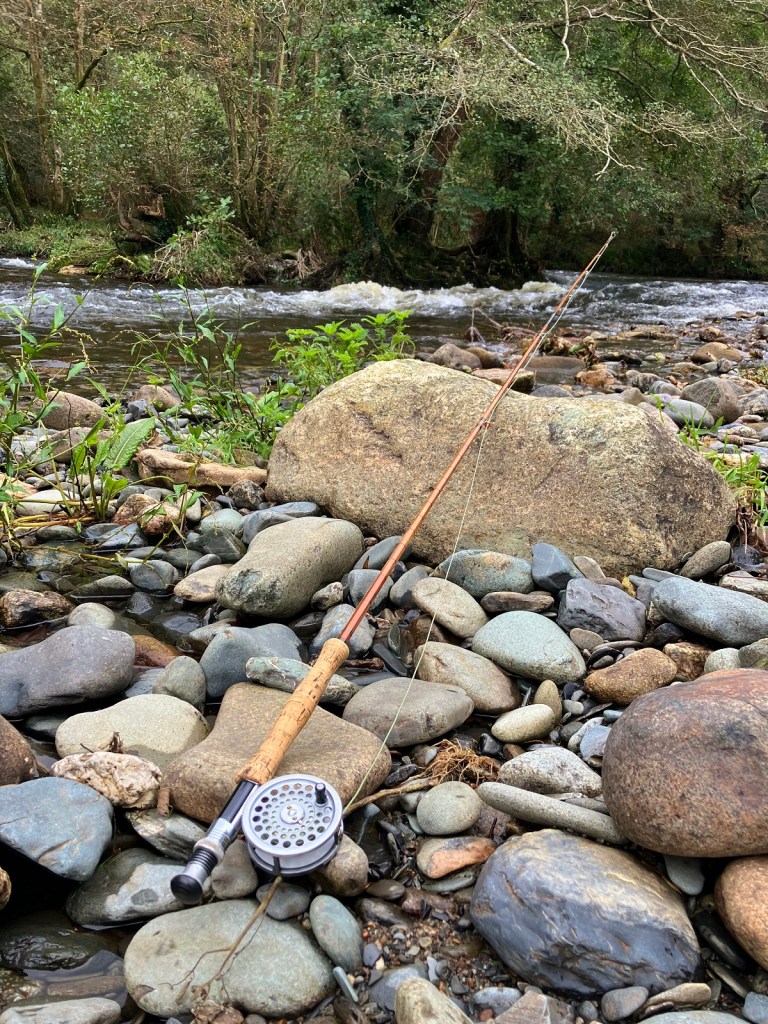
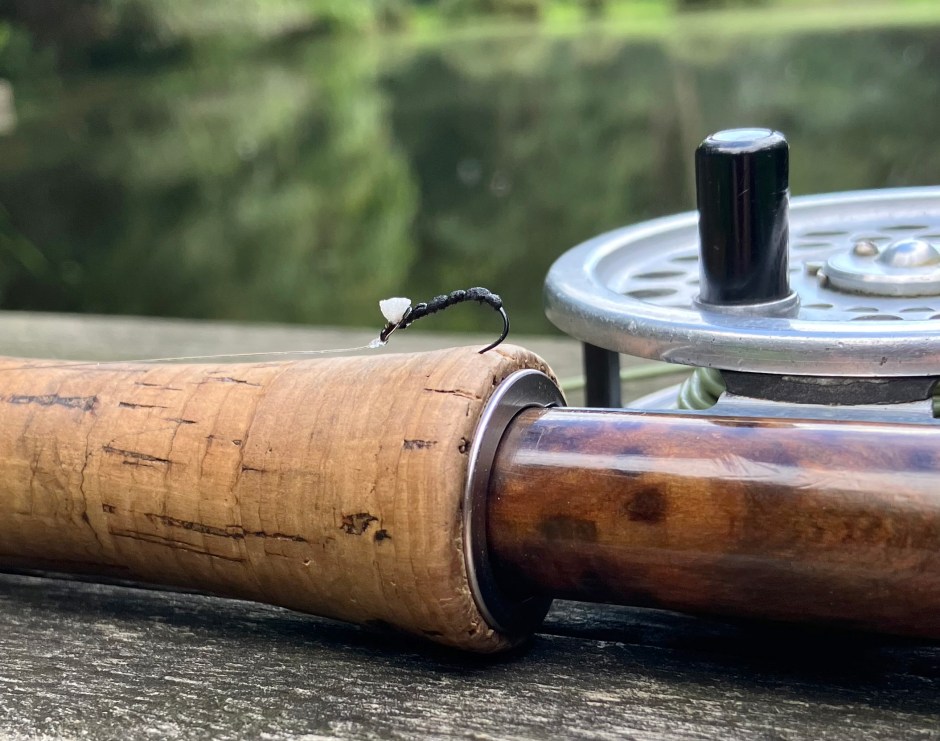
I chose Bob Southwell’s “The Blagdon”, my much abused Hardy Marquis and an old Rio Creek WF4. I would celebrate the end of the season with tackle that imposed a relaxed approach. Catching trout was not my main concern, I would walk the Lower Beat of the Tavy and say goodbye to the river until next year.

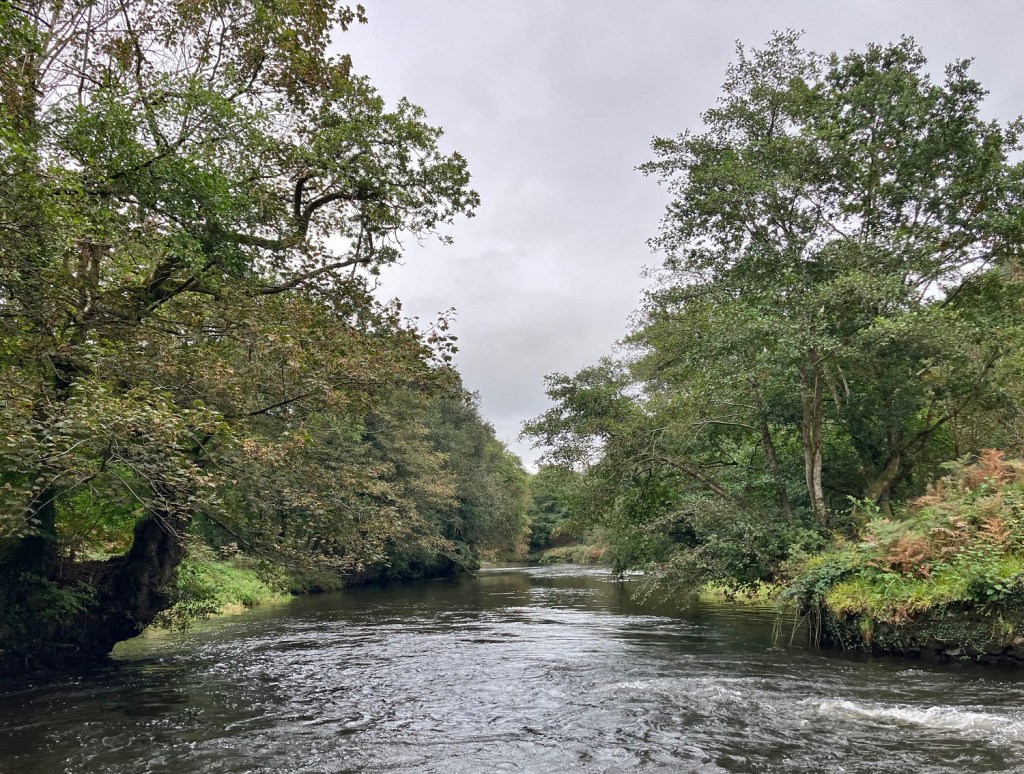
I started in the middle of the Beat and had a take second cast as I lifted off. I missed. The water was coloured but not cloudy. Autumn leaves were funneled into the main current, some were trapped in the back eddies. I concentrated on the slack water on my side of the river. A cormorant flew past quite unconcerned by my presence. I hooked a few leaves and moved on.

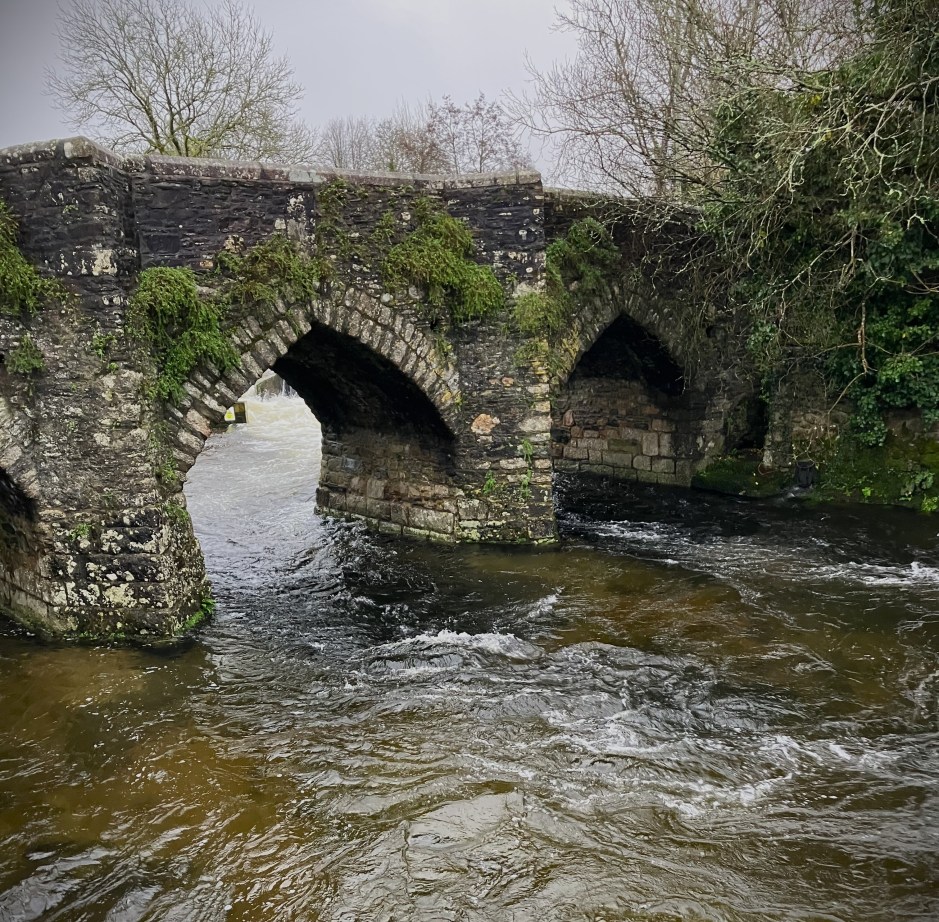
I fished hard down the riffle below the island. Running the nymph under the trees and retrieving it through the slack water along my bank. Nothing. I was resigned to a fishless afternoon and quite content to wander downstream looking for photo opportunities. I walked downstream past the big pool, it was a washing machine. A heavy line and big lure might have found a trout but it’s a boring way of fishing.

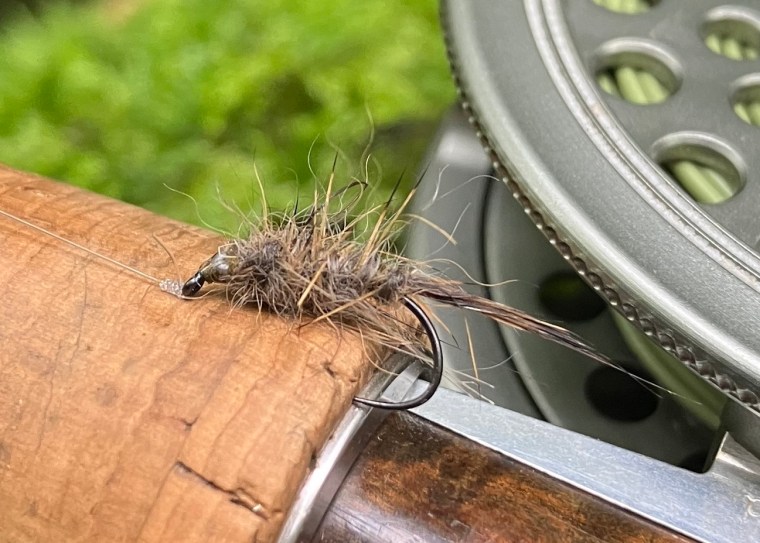
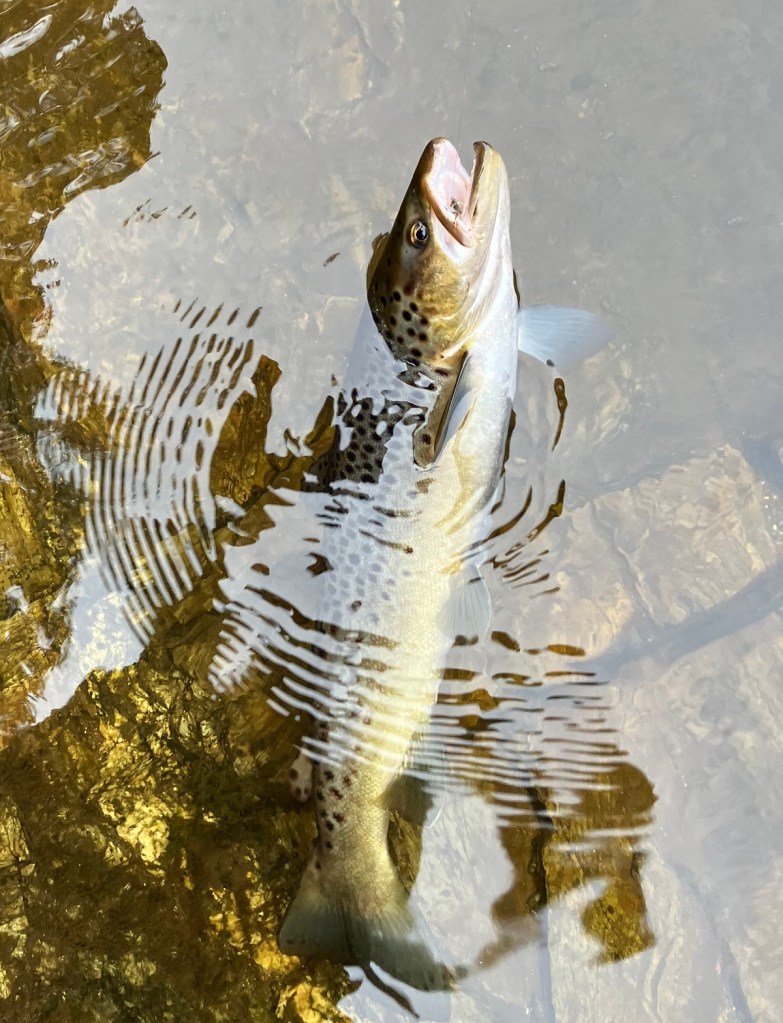
The wide, shallow water at Ludbrook Run looked inviting and renewed my hopes of finding a fish. I lengthened the line and fished the nymph down and across. Twenty yards away, in midstream, I had a heavy take. A big fish became airborne several times and my heart rate soared. I was shaking, expecting the hook to drop out at any moment. The trout went on a long run downstream and I had to follow, the fly line was down to the curly bit near the arbor. The fish calmed down and plodded back upstream, shaking it’s head, rattling the rod.

I found a drainage ditch and slid down to water level. I slipped the nymph from a sliver of skin in the trouts jaw and watched it swim away. No handling. It was a miracle that the hook had held. I snipped off the fly and walked slowly back to the Defender in a daze. I smiled all the way home. I have caught many trout around the three pound mark when fishing the Sussex Rother. This fish was above that weight and in great condition. It fought like a six pounder, a truly wild trout.

It had been a remarkable afternoon. The Defender had started the first time of asking despite standing idle for two weeks. I’d had the pleasure of using a favourite rod and reel. The river looked stunning and I had caught my personal best wild trout. I cannot imagine a better way to end the Devon trout season. I celebrated with a large Lagavulin at the Leaping Salmon and bored everyone with photos of the monster trout.

I can fish Burrator Reservoir until the end of November and the Tamar for grayling until March. It will be a long time before I can visit the Tavy again.

23 September – Little Bognor

Saturday, 23 September, 7:50am, the autumn equinox. Not that I was awake at that time. The transatlantic remnants of hurricane Nigel had dumped rain across the country and the river was unfishable. The lakes at Little Bognor were the obvious destination. The steep sides of the valley and the mature trees would channel the warm southwest wind up the lake and the low sun would set the autumn colours alight.

I chose to drive towards Fittleworth via Bedham and pause briefly by the entrance to Brinkwells, the home of the artist Rex Vicat Cole whose studio was rented by Sir Edward Elgar in 1918. I admired the magic trees, particularly the long dead chestnut. A sketch of the dead tree was included in Rex Vicat Cole’s book, British Trees, published in 1907. The dead tree has withstood nearly 120 years of storms, a testament to the strength of the wood.

The lake was covered in a thin film of dust and algae, liberally seasoned with leaves and beech mast. The breeze shifted the floating mat around the lake leaving patches of clear water. I used a long tippet and a neoprene buzzer which hung from the debris and gradually trickled down through the surface film, occasionally holding on bigger leaves. Perfect presentation.

Second cast, a large white mouth appeared below the buzzer and turned away. I waited for a second and lifted into a nice brownie. It fought hard but I bullied it into the landing net and tweaked the barbless hook from the corner of its mouth before releasing it further along the bank.

Trout were cruising about a foot below the surface, carefully sipping the hatching midges. I considered using a lighter tippet but thoughts of a four or five pound brownie dissuaded me. I moved along the bank and sat behind the trunk of a tree overhanging the water. I flicked the buzzer towards a feeding trout which took the fly and quickly surrendered. While releasing the fish another trout continued to rise under the tree canopy, undisturbed by my antics. I dropped the buzzer in its path and a large brownie immediately became airborne and headed towards the centre of the lake. The hook pulled. The tippet was strong enough but the small hook lost its grip.

I walked to the other lake and stood watching for twenty minutes. The silvery willow trees at the top of the lake contrasted with the mature oaks and the pastel sky made the scene complete. A romantic landscape, very John Constable. There were no signs of fish and I left without casting. After leaving the lakes I stopped at a gate to admire the view of the Arun valley. It had been a memorable afternoon, I will return in October.

16 and 17 September – Rother Evenings

16 September – It was more than two months since my last visit to the River Rother. The weather and chores had conspired against me. All morning the weather was extreme. Clear air, bright sunshine, 29 degrees and high humidity. I waited impatiently until late afternoon before heading south. I walked around the lakes and had a sandwich before exploring the river Beats.

The Fish Pass looked inviting, the shallows at Rotherbridge looked barren. A cormorant flew over. There were two members fishing at Keepers Bridge and after a brief chat, I drove up the old railway line and walked to Ladymead. I saw a couple of small chub rising to buzzers but no trout.

Back at Keepers Bridge, the river looked in perfect condition. The water had a green tint, was a cool fifteen degrees and the beds of streamer weed swayed in the current. No excuses. I waited until 6:00pm before setting up my rod and walking downstream. I warmed up my casting arm exploring the pool with the fallen alder tree, working a nymph under the branches and alongside the marginal weeds. I lost a couple of nymphs and moved on.

A trout rose below the bridge in a tricky position close to a bush and above a bed of streamer weed. I chose a bulky crane fly imitation with an extended body, knotted mono legs and hackle point wings. The fish liked the fly but the stiff, bushy dressing shielded the hook point. I missed. Twice. The trout went down, puzzled that such a tasty morsel had been dragged from it’s grasp. It didn’t rise again. I found another fish rising under the far bank, on a bend opposite an overhanging tree. I lost another fly on a botched attempt to cover the fish which also disappeared. It was good to be back on the river bank but I was rusty, out of practice.

17 September – Heavy rain at lunch time was welcome. By mid afternoon the east wind had cooled the air and the sky was overcast. I needed a thin jacket. Given the favourable conditions, I reasoned that the trout would rise earlier than yesterday. The two fish that I had found would have recovered from my amateurish attempts. For trout number one I started with a nymph. It skated in the current so I swapped it for a heavier pattern. After three or four casts to the far bank the line tightened and the fish battled all the way to the landing net.

Full of confidence I walked downstream seeking trout number two. I found a good position and put the landing net close to hand. I prepared the line and flicked the nymph across the pool to the far bank. Although I had prepared, I was surprised by the rapid response. A heavy thump on the line and the fish was gone. I was a bit annoyed as it felt like a good fish.

I walked the rest of the Beat, prospecting the likely holding places under trees and beside weedbeds, without a reaction. The New Riffle would surely hold a feeding fish. As I worked the riffle I noticed that the water level was rising and that the water had become dark grey, a sure sign that the earlier heavy rain had run-off the roads in Midhurst.

I left the river as mist started to rise from the water meadows. I was happy that I had connected with the two trout and that I had become reacquainted with the Rother. During the night thunderstorms raged for an hour and the river rose a couple of feet. I hope that it returns to its normal level soon.

4 September – River Tavy

The morning was hot and humid with a strong breeze, an unusual combination. The sun was beating down from a cloudless sky and I knew that it would be a waste of time fishing until the evening.

The sun had dropped behind the treeline and the wind had eased as I opened the gate. I guided the Defender down the steep, badly rutted and boulder strewn track to the floor of the Tavy valley. One of the mature oaks had fallen leaving a shallow scar in the bedrock, a casualty of the heavy rain and high winds.

The water rushed past the rocks making deep clunking sounds as the bigger stones moved around in their hollows. There was a distinct absence of fly life, no clouds of midges, no upwing flies. A buzzard greeted me and a kingfisher did an about turn as it saw me. A young dipper passed several times as I set up my rod. There were no fish rising and I decided to stick with a weighted nymph all evening.

The first deep pool took about thirty minutes to cover. The swirling leaves occasionally snagged the fly raising my heart rate for a few seconds. I saw a fish rise twice in the tail of the pool and anticipated a take. I missed. That fish triggered a memory of a previous visit when the trout were feeding in the glides and the deep pools were unproductive. I decided to concentrate on the slower, shallow water.

I hooked and landed a trout from midstream and another, better fish, from slightly deeper water further out. I moved downstream focusing on the glides, picking out sandy patches and boulders. I had three fish in quick succession, two of which put a good bend in the rod. The plan was working.

Down a long, wide, shallow stretch of water I repeated the process and the total crept up to seven trout ! That was enough. I’d only covered about two hundred yards of river and had caught fish from most of the glides and riffles.

There could be several reasons why the trout were in the shallower water; sea trout occupied the deeper pools, following several spates the trout were hungry and looking for food or the evening light enticed them out of deeper water. Who knows ?

30 August – River Plym

The morning was still and overcast, perfect conditions for a couple of hours on a river. I had a bewildering choice of rivers and Beats. Every season I resolve to seek out an unfished Beat on the River Meavy. Unfished because of poor maps and even poorer map reading. I had all day to find the bridge, how hard could it be ? I ditched the map and pointed the Defender across the moor and down into the valley.

Instinct lead me to a muddy layby next to a bridge. I walked up the road and found a farmhouse, the name of which confirmed that I had arrived at my destination. I stood on the bridge and looked downstream. The true right bank was closely fenced and a ‘Private’ notice undermined my intention to walk the Beat.

I abandoned my attempt at fishing the Meavy and switched my thoughts to the River Plym. By chance, as I was driving away I met the landowner who confirmed that I could ignore the sign. However, the moment had passed and I was focused on fishing the River Plym at Bickleigh.

The Plym looked perfect and I knew that I had made the right choice. The water level was up a few inches but the water was not peat stained. The trees and bushes had been washed clean by the unrelenting August rain and there were no footprints or paw prints in the sand. I started at the bridge pool with a heavy nymph, flicking it under the arch and drifting it down and across. The deep pool failed to deliver.

I turned around and gradually extended each cast up the glide, dropping the nymph above rocks, down gullies in the bedrock and across the patches of coarse sand. On previous visits I’d used the glide to zone in, straighten the leader and line, before approaching the first big pool. I’d never had a take there despite carefully working the entire glide. I thought I saw a fish move but it could have been a leaf turning over in the current. After twenty or so casts I was ready to walk upstream. A trout took the fly and raced around the glide. I smiled as I released it in the shallows and chalked it up as a bonus fish.

I had a long chat with a Royal Marine having a brew beside the Commando Pool. How appropriate. We were each encroaching on the others special place. I half heartedly fished the pool down and across, hoping that I would not hook a tree or lose a trout, then left him to swim in the pool and chill out.

I caught a trout from a deep pool formed by a newly fallen ash tree. As I was about to leave the pool a sixth sense told me that a fish could be holding further downstream, undisturbed by the splashing. A couple of casts later I caught another fish which looked like a sea trout smolt. Magic.

I walked slowly downstream to the bridge and drove back to the cottage, content that I’d found the Meavy Beat and caught a few trout.