
1 July – Little Bognor
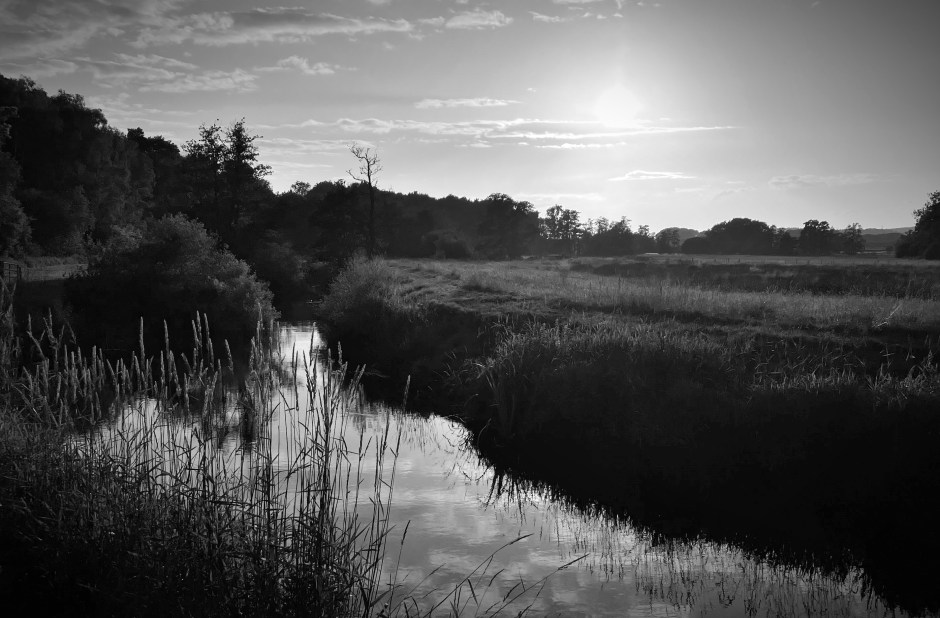
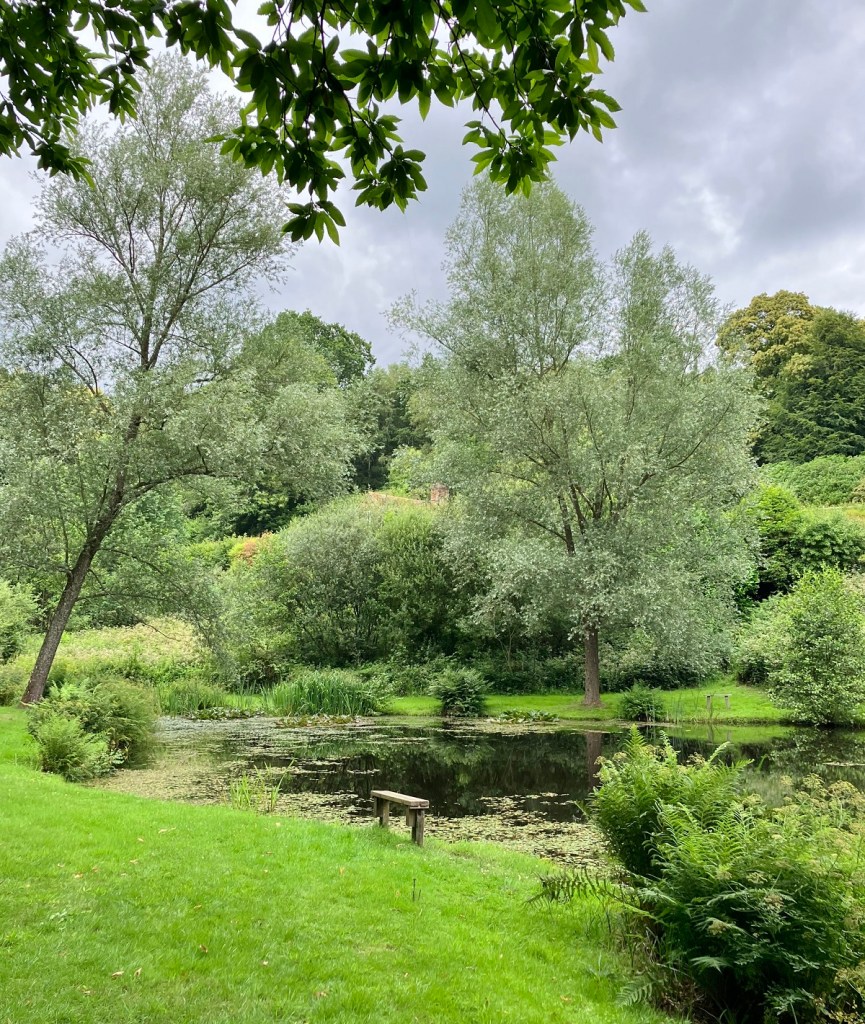
The surface of the lower lake, an old mill pond, was calm with very little debris from the overhanging trees. The trout were cruising just under the surface taking the occasional hatching midge. The scene was set, all I had to do was tempt a couple of fish to inhale my buzzer imitation.
The horizontal slot between the overhanging trees and the marginal ferns was very thin, only a couple of feet. I expected to regularly snag branches and fern fronds. That proved to be the case. Flicking a short line and long leader through the letter box was only successful about fifty percent of the time. The trout were passing me about a rod length out from the bank and it was essential not to disturb them with casting errors.
The trout in the margins refused my offering for thirty minutes but a fish cruising a little further out took the buzzer on the drop and screamed across the lake. The sound of the drag screeching and the fly line cutting through the surface made me forget about the hassles with the vegetation. It was a dark fish with pristine fins which swam away strongly.
A trout had been rising under the trees by the old stone steps, it was feeding confidently in the shade of the overhanging chestnut trees. I crawled along the bank and flicked the buzzer towards the fish with a bow-and-arrow cast. The fly landed short but a risky overhead cast positioned it perfectly. The trout took the fly without hesitation and headed for the opposite bank. It was released without handling. The rising fish had all departed and no amount of stealth would bring them back.
The top lake looked stunning, the willow trees straddling the feeder stream had grown and hidden the cottage on the hill. The lake was deserted, a buzzard leisurely left the branch of a giant oak tree and drifted away down the valley. The top of the lake, where the spring entered, was lined with rushes and Potamageton natans, my favourite water plant. Trout were rising near the weeds, picking off emerging midges. I cast the rather tatty buzzer close to the floating leaves and the leader slid away. I hooked the fish but it came adrift. A few minutes later I connected with another trout but it also shook the hook. Having trashed that part of the lake, I moved to the far corner under an oak tree. A very large trout followed my buzzer to the edge of the weeds but sheered away unconvinced by the fly which was falling apart.
I changed the fly and renewed the tippet. There is always a trout feeding beside the lily pads under the willow tree. It took the fresh buzzer within seconds of casting and was bullied away from danger into open water. Three fish from five takes was enough, I left the lakes and went to Rotherbridge for the club’s River Day. I was too tired to fish the evening rise on the river. I would return on Sunday. What a memorable day !
2 July – River Rother
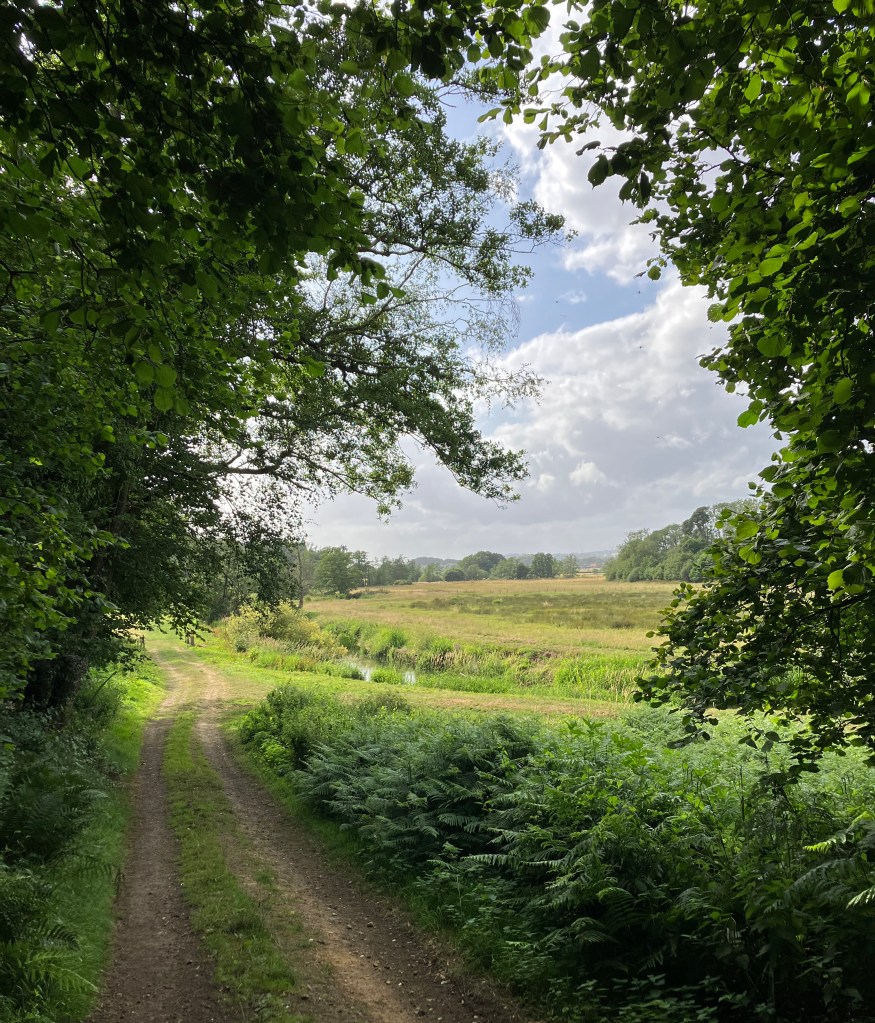
We went to a fayre in the afternoon and saw the Red Arrows roar overhead at 500 feet. It was bright, hot and windy but I knew that, in the evening, the river would be in perfect condition. I was correct, the water had a slight tint and the water temperature was 14 degrees. I saw four mayfly hatch and the surface was covered with swarms of midges.
I waited on the first bend watching for signs of a feeding fish. After twenty minutes I got fed up with waiting and decided to prospect the pool under the alder tree with a nymph. I worked the water and kept an eye on the river downstream. A fish rose above the bridge near the far bank. I marked it’s position and tied on a parachute pheasant tail. The fly dragged and the fish stayed deep. After several changes of fly I rested the fish and crossed the bridge to avoid drag.
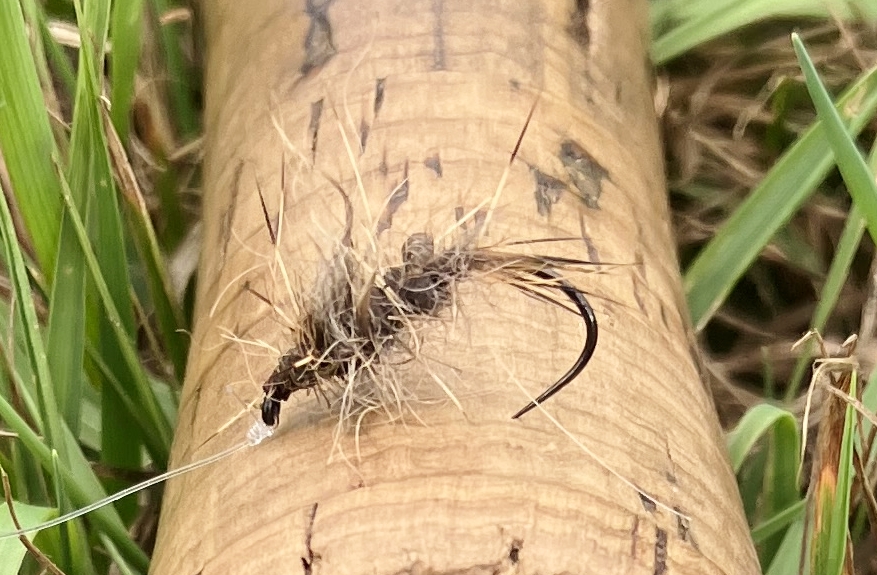
I tried a variety of nymphs down the main current and across towards the true left bank. The fish rose again under the right bank ! I recrossed the bridge and wandered upstream, exploring all the usual holding places but I could not concentrate. The rising fish near the bridge was a distraction. I returned to the trout and planned my campaign. I tied on a heavily leaded Red Tag, a fly rarely used by other members. The trout would not have seen such a thing and the fly would not skate in the fast water. I used the lower part of a bed of streamer weed to anchor the fly line midstream and worked the fly behind the weeds close to the bottom.
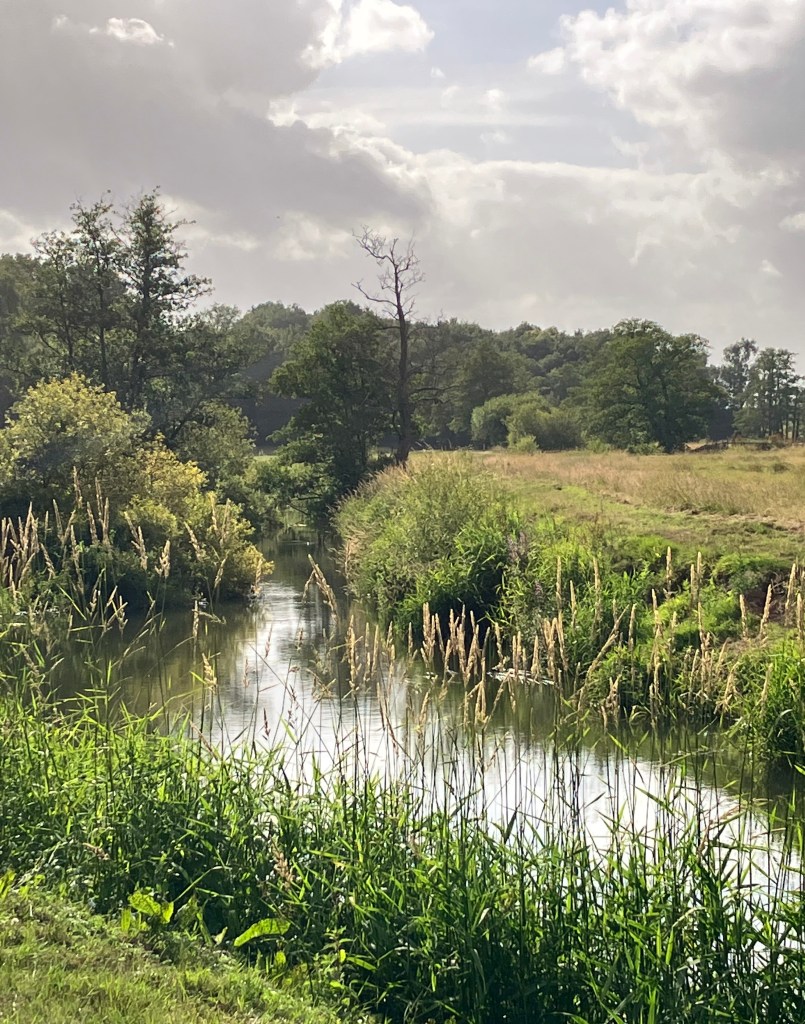
The take came as a surprise. It was violent. The trout immediately dived for the bankside bushes and I bent the rod to lever it away from the alder roots. It was a relief to net the fish.

That trout was a milestone, the first I have caught from the Rother this season. Most years I open my account on the river in early May. Less frequent visits to the Rother left me out of touch with the river’s moods. Now that I have found, outwitted and landed a trout, I feel that I am back in the zone and that more trout will find the back of the net.

 Sussex Trout Fishing ... and Devon